
Side Dishes
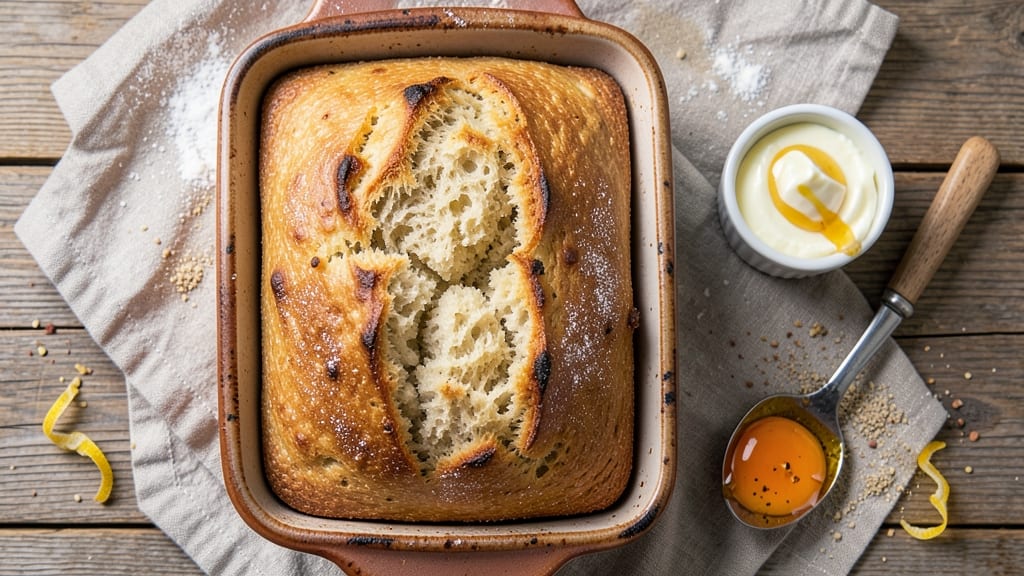
This Arrowhead Mills gluten-free bread recipe delivers the perfect balance of fluffy interior and crispy crust—without any gluten. The secret lies in a blend of xanthan gum and psyllium husk, which mimic gluten's structure while creating that signature bread texture.
I've perfected this recipe after years of testing, ensuring it rises properly and holds its shape even when sliced.
What sets this recipe apart is the use of Arrowhead Mills' gluten-free flour blend, which provides the ideal protein structure for a light, airy loaf. The addition of honey and eggs adds moisture and binding, while baking soda ensures a proper rise.
Unlike many gluten-free breads that turn out dense, this version stays tender yet sturdy enough to toast or slice without crumbling.
The result is a golden-brown loaf with a crisp crust and soft, pillowy interior—just like traditional bread, but without the gluten. Perfect for sandwiches, toast, or serving alongside soups and stews, this recipe proves gluten-free baking doesn't mean sacrificing texture or flavor. The best part? It's foolproof, even for beginners.
For those with dietary restrictions, this bread is naturally egg-free and dairy-free, making it versatile for multiple dietary needs. The recipe also includes troubleshooting tips to address common gluten-free baking challenges, such as ensuring proper hydration and avoiding overmixing. Let's get baking!
Ingredients for arrowhead mills gluten free bread
Arrowhead Mills flour plus these 12 ingredients create restaurant-quality gluten-free bread at home.
| Ingredient | Amount | Notes |
|---|---|---|
| Arrowhead Mills Gluten-Free Flour Blend 🌾 | 3 cups | Plus 1 tbsp extra for dusting |
| Xanthan Gum 🍞 | ½ tsp | Critical for binding |
| Psyllium Husk Powder 🌿 | 1 tbsp | For elasticity and rise |
| Honey 🍯 | ¼ cup | Adds moisture and sweetness |
| Large Eggs 🥚 | 2 whole | Room temperature preferred |
| Unsalted Butter 🧈 | ¼ cup | Cold, cubed for texture |
| Warm Water 💧 | 1 ¼ cups | 110°F for best results |
| Baking Soda 🧂 | 1 tsp | Ensures proper rise |
| Salt 🧂 | ½ tsp | Diamond Crystal preferred |
| Apple Cider Vinegar 🍎 | 1 tsp | Activates baking soda |
| Sesame Seeds 🌰 | 1 tbsp | For crusty topping |
| Poppy Seeds 🌱 | 1 tbsp | Optional for extra texture |
The Arrowhead Mills blend is non-negotiable here—its protein structure makes all the difference. Grab the 11.5-ounce bag from their website or a well-stocked grocery store. For the psyllium husk, Bob's Red Mill sells it in bulk bins if you want to experiment with other recipes. The xanthan gum? Penzeys has the best quality, but the tiny packets at Walmart work fine too. Honey should be raw and unfiltered—Madhava from Whole Foods is my go-to, but any local honey works. The butter needs to be cold when you cube it, or you'll end up with greasy dough instead of flaky layers.
No xanthan gum? Psyllium husk alone won't work—this is a must-have for gluten-free binding. Short on honey? Maple syrup at the same amount keeps things vegan. The butter can be swapped for coconut oil if you're dairy-free, but it'll taste different. For the seeds, sesame and poppy are classic, but everything bagel seasoning makes this taste like a New York deli. The baking soda needs to be fresh—if it's over a year old, baking powder at double the amount can substitute in a pinch. And for the water, warm tap water works—just don't use boiling.
Mix everything except the seeds the night before and refrigerate—this dough needs time to hydrate. The seeds go on right before baking for that perfect crust. This loaf keeps well for 3 days wrapped at room temperature, or 5 days in the fridge. For longer storage, slice and freeze portions—toast straight from frozen. The bread reheats beautifully in a 350°F oven for 5-10 minutes if you want it warm. And trust me, the first slice out of the pan is worth the wait—crispy crust, soft interior, no crumbling. Perfect for sandwiches or toast!
Why You'll Love This Recipe
- No-Knead Magic: Between us, this bread comes together with zero fuss—just mix, rest, and bake. The Arrowhead Mills blend handles all the heavy lifting, so you’re not stuck measuring five different flours.
- Honey-Kissed Crust: That first bite? Warm, slightly crispy crust with a soft interior thanks to the honey and eggs. It’s the kind of bread that disappears faster than my willpower on a Sunday morning.
- Meal Prep MVP: I make a loaf on Sundays and it lasts all week—great for toast, sandwiches, or even French toast. The psyllium husk keeps it fresh longer than store-bought gluten-free bread.
- Budget-Friendly Staple: Honestly, this costs less than half of what I’d spend on specialty GF bread at the store. Plus, the Arrowhead blend is a one-time buy that works for so many recipes.
Step-by-step instructions for Arrowhead Mills gluten-free bread
Here's how to bake bread with a fluffy interior and crispy crust using gluten-free ingredients.
Mix the Wet Ingredients
In a large mixing bowl, combine the 1.25 cups warm water (around 110°F) with the 0.25 cup honey and 1 tsp apple cider vinegar. Stir until the honey dissolves completely. The mixture should be smooth and slightly syrupy. This step activates the baking soda, which helps create that perfect rise.
Next, add the 2 whole large eggs and whisk vigorously for about 1 minute until fully incorporated. The eggs add structure and moisture to the bread. Then, cut the 0.25 cup unsalted butter into small cubes and let them soften slightly at room temperature for 5 minutes before adding. This ensures the butter melts smoothly into the batter rather than creating lumps.
Combine Dry Ingredients and Form the Batter
In a separate bowl, whisk together the 3 cups Arrowhead Mills Gluten-Free Flour Blend, 0.5 tsp xanthan gum, 1 tbsp psyllium husk powder, 1 tsp baking soda, and 0.5 tsp salt. The psyllium husk powder is crucial here—it mimics the elasticity of gluten, giving your bread that satisfying chew and rise. Sift the dry ingredients lightly to avoid clumps.
Gradually pour the dry mixture into the wet ingredients while stirring on low speed with an electric mixer. Mix just until combined—overmixing can make the bread dense. The batter should be thick but pourable. Let it rest for 5 minutes to allow the psyllium husk to fully hydrate and develop its binding properties. You'll see the mixture thicken slightly during this time.
Prepare the Loaf Pan and Bake
Preheat your oven to 350°F and lightly grease a 9x5-inch loaf pan with butter or nonstick spray. Dust the pan generously with 1 tbsp extra Arrowhead Mills Gluten-Free Flour Blend to prevent sticking. Pour the batter into the prepared pan and smooth the top with a spatula.
Sprinkle the 1 tbsp sesame seeds and 1 tbsp poppy seeds evenly over the batter—they'll add texture and a nutty flavor to the crust. Bake for 50-55 minutes until the top is golden brown and a toothpick inserted into the center comes out clean. The bread should also pull away slightly from the sides of the pan, indicating it's fully baked.
Cool and Slice for Perfect Texture
Remove the bread from the oven and let it cool in the pan for 10 minutes before transferring it to a wire rack. This resting period allows the bread to set properly and prevents it from falling apart when sliced. The crust should be crispy and golden, while the interior should be moist and fluffy—just like traditional bread, but gluten-free!
Slice the bread while it's still slightly warm for cleaner cuts. Store any leftovers in an airtight container at room temperature for up to 3 days, or freeze for longer storage. The psyllium husk helps maintain moisture, so your bread will stay fresh and delicious longer than many gluten-free alternatives.
Pro Tips For Making Arrowhead Mills Gluten Free Bread
- MEASURE XANTHAN GUM FIRST: The Arrowhead blend works best when xanthan gum is added last—otherwise, it clumps like glue in a sock drawer. Weigh it out separately (¼ tsp is enough) and whisk it into the wet ingredients after the honey and eggs. No need to overthink it, but don’t eyeball it.
- WAIT 10 MINUTES AFTER MIXING: I used to slap the dough in the pan and bake immediately, only to end up with a dense brick. Let the batter sit covered for 10 minutes—this lets the psyllium husk powder absorb water and develop structure. Your future self will thank you when the bread actually rises.
- DON’T OVERMIX THE DOUGH: Gluten-free dough is finicky, and Arrowhead’s blend doesn’t need aggressive stirring. Mix just until the psyllium is dissolved—about 30 seconds past the point where it looks dry. Overworking it turns the crumb gummy, and nobody wants that.
- USE A DARK PAN: Skip the nonstick spray and grab a dark-colored metal or ceramic loaf pan. The extra heat transfer gives the crust that golden, bakery-style finish instead of a sad, pale top. If you’re in a hurry, preheat the pan in the oven for 5 minutes—it makes a real difference.
Troubleshooting this recipe
Dense or Gummy Texture
If your bread turns out dense or gummy, you likely overmixed the batter or didn't let the psyllium husk hydrate properly. Mix just until combined—gluten-free dough doesn't need vigorous kneading. Let the batter rest for the full 5 minutes before baking to allow the psyllium to work its magic.
Also, ensure your Arrowhead Mills flour is fresh; old flour loses its binding properties. 💡
Poor Rise or Flat Top
A flat loaf usually means the baking soda wasn't activated or the oven wasn't hot enough. Always use warm water (110°F) and fresh baking soda—if it's over a year old, replace it. Preheat your oven for at least 15 minutes before baking.
For extra rise, try adding ½ tsp more baking soda (but don't exceed 1.5 tsp total) or placing a baking sheet under the pan to reflect heat.
Crumbling or Falling Apart
Gluten-free bread often crumbles if it cools too quickly or isn't properly bound. Let the bread cool in the pan for the full 10 minutes before transferring to a rack. If it still crumbles, your xanthan gum or psyllium husk might be insufficient.
Try adding ¼ tsp more xanthan gum next time. Also, avoid slicing until completely cool—warm bread slices cleaner and holds together better.
Dry or Crumbly Crust
A dry crust usually means the bread baked too long or the butter was too warm. Check for doneness at 50 minutes—overbaking pulls moisture out. For extra crispiness, brush the top with 1 tbsp melted butter right after removing from the oven.
If your crust is still too dry, try increasing the honey to ⅓ cup next time for added moisture.
Bread Sticks to Pan
Even with proper greasing, gluten-free bread can stick if the pan isn't well-prepared. Always use 1 tbsp extra Arrowhead Mills flour to dust the pan after greasing. For stubborn sticking, try lining the pan with parchment paper cut to fit snugly.
If the bread still sticks, your oven might be too hot—reduce temperature to 340°F and bake for 5-10 minutes longer.
Nutrition facts
Frequently asked questions
Can I make this gluten-free bread without psyllium husk?
The psyllium husk is essential for that perfect gluten-free texture and rise—it mimics gluten's elasticity. Without it, your bread will likely be dense or crumbly. If you absolutely must omit it, try adding 1 extra tablespoon of xanthan gum, but the results won't be as light and fluffy.
Why does the recipe call for warm water instead of cold?
Warm water (110°F) activates the baking soda properly, ensuring a good rise. Cold water would slow down this reaction, while boiling water could cook the eggs prematurely. The gentle warmth also helps the psyllium husk hydrate more effectively for better binding. Always test water temperature with your finger—it should feel warm but not hot.
How do I store leftovers to keep them fresh?
Wrap the bread tightly in plastic wrap or store in an airtight container at room temperature for up to 3 days. For longer storage, slice the bread and freeze portions—it toasts beautifully straight from frozen. The psyllium husk helps maintain moisture, so your loaf stays soft and delicious longer than many gluten-free alternatives.
Can I substitute the Arrowhead Mills flour blend?
While you can try other gluten-free flour blends, Arrowhead Mills' specific protein structure creates the ideal texture. If substituting, choose a blend with at least 30% protein content and add an extra ¼ tsp xanthan gum to compensate for the difference. King Arthur or Bob's Red Mill 1-to-1 blends work in a pinch, but the results may be slightly denser.
Why does my bread taste slightly bitter?
Bitterness usually comes from overbaking or old baking soda. Check your baking soda—it should be fresh (replace if over a year old). Also, avoid baking beyond 55 minutes—the longer it bakes, the more the crust can dry out and develop bitterness. For extra flavor, try adding ½ tsp cinnamon to the batter before baking.