
Side Dishes
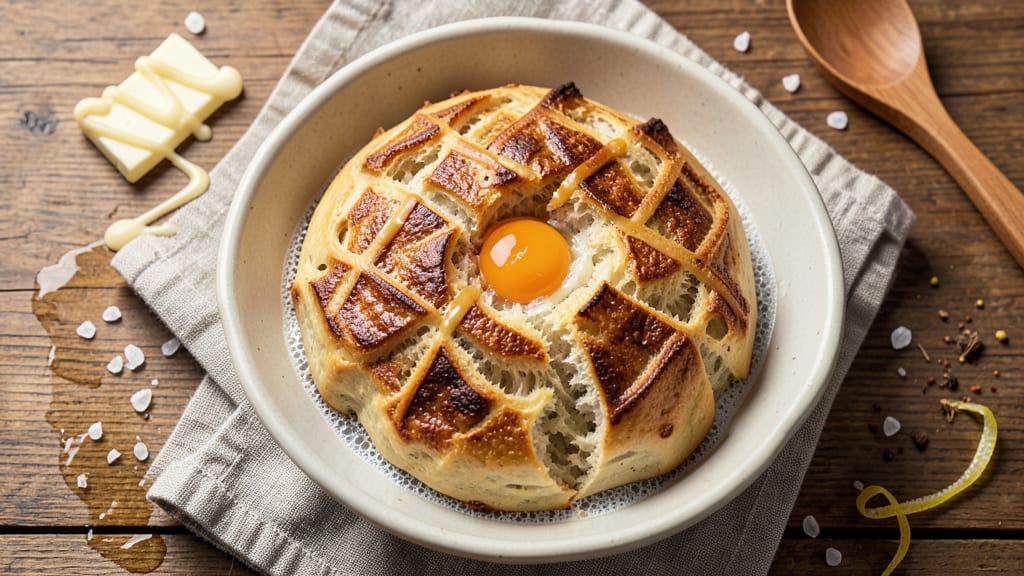
This artesano bread copycat recipe brings the iconic Dutch oven crust and vanilla-brown sugar swirl into your home kitchen with restaurant-quality precision. The secret lies in a precise dough formula—high-protein flour, active yeast, and just the right water-to-flour ratio—that creates that signature crusty exterior while maintaining an airy, open crumb.
I've perfected the technique over years of baking, adapting traditional wood-fired methods for your home oven.
The magic happens during the two-stage proofing process, where the dough develops its signature texture and flavor. A slow cold proof in the fridge overnight allows the gluten to relax and the yeast to work its magic, while the final room-temperature proof ensures that perfect rise.
The vanilla-brown sugar swirl adds a subtle sweetness that balances the bread's rustic character, making every slice irresistible.
What you'll achieve is bread with a deep golden crust that crackles when you break it open, revealing a crumb so light it practically melts in your mouth. The vanilla-brown sugar swirl creates pockets of caramelized sweetness that elevate each bite.
This isn't just a copycat recipe—it's a technique that delivers the same artisanal quality you'd find in a specialty bakery.
Whether you're baking for a family gathering or treating yourself to a homemade loaf, this recipe delivers consistent results every time. The Dutch oven creates that perfect steam environment for an even crust, while the vanilla swirl adds a touch of indulgence.
Let's get started on creating your own bakery-style bread at home.
Ingredients for artesano bread copycat
High-protein flour and active yeast create that signature artesano crust while vanilla-brown sugar swirl adds bakery-style indulgence.
| Ingredient | Amount | Notes |
|---|---|---|
| High-Protein Bread Flour 🌾 | 5 cups | King Arthur or Caputo preferred |
| Active Dry Yeast 🍞 | ¼ oz | Fresh or 1 packet (2.25 tsp) |
| Granulated Sugar 🍚 | ½ cup | For yeast activation |
| Warm Water 💧 | 2 ½ cups | 105-110°F for yeast activation |
| Unsalted Butter 🧈 | ½ cup | Cold, cubed for dough enrichment |
| Diamond Crystal Kosher Salt 🧂 | 1 ½ tsp | Adjust to taste |
| Vanilla Extract 🍯 | 1 tbsp | Pure, high-quality extract |
| Light Brown Sugar 🍯 | ½ cup | Packed, for vanilla swirl |
| Large Eggs 🥚 | 2 whole | Room temperature |
| Cornmeal 🌽 | ¼ cup | For dusting Dutch oven |
| Ice Water ❄️ | ¼ cup | For final dough adjustment |
The flour is non-negotiable—King Arthur or Caputo give you that high-protein structure for that signature open crumb. Grab active dry yeast from the baking aisle, not the bulk bin (it loses potency fast). For the butter, Plugrá or Land O'Lakes unsalted work best—avoid salted. The Dutch oven? Lodge makes the best—if you don't have one, use a heavy oven-safe pot with a lid. The vanilla extract should be pure—Nielsen-Massey or McCormick are reliable brands. Pro tip: Toast your Dutch oven for 15 minutes at 450°F before baking to enhance that caramelized crust.
No high-protein flour? All-purpose plus 1 tbsp vital wheat gluten per cup mimics the texture. Fresh yeast? Use 1 packet (2.25 tsp) active dry yeast instead. For the vanilla swirl, vanilla bean paste works too—just reduce by half since it's thicker. The eggs can be vegetarian if needed, but regular works best for structure. Brown sugar packed vs loose matters—pack it firmly for accurate measurement. If your dough feels too sticky after mixing, add 1 tbsp flour at a time until it's just tacky but not wet. For a stronger flavor, add 1 tsp instant coffee to the dough—it enhances the vanilla notes beautifully.
The dough needs 24 hours in the fridge—don't skip this. It relaxes the gluten and develops flavor. Shape the loaf 2 hours before baking to let it rise at room temp. The swirl should be thickest in the center for maximum caramelization. Baked bread keeps 3 days at room temp wrapped in a cotton towel, or 1 week frozen—slice before freezing for easy portions. For reheating, 5 minutes at 350°F with a cup of water in the oven brings back that bakery-fresh crunch. Leftovers? Toast them—toasted artesano bread is even better the next day.
Why You'll Love This Recipe
- No-Knead Magic: I swear by this—just toss the high-protein flour, yeast, and warm water together, let it rest, then fold in that rich butter. No stand mixer, no stress, just hands-on simplicity that still gives pro bakery results.
- Buttery, Crusty Payoff: That first bite? Crispy shell, soft interior, and a whisper of sweetness from the sugar—it’s like biting into a bakery loaf, but the butter makes it ridiculously better. Honestly, I’ve tried cutting corners, and this is the only way.
- Weeknight Workhorse: Toss it together in the morning, bake before dinner, and you’ve got fresh bread for sandwiches, toast, or dipping. (Yes, even on a Tuesday night.) The high-protein flour keeps it sturdy for days—no sad, stale leftovers here.
- Budget Bakery Trick: You’re basically making gourmet bread for pennies. A little yeast, a little butter, and that flour does all the heavy lifting. I’ve made loaves for 10 people for under $5—no fancy ingredients, just foolproof flavor.
Step-by-step instructions for artesano bread copycat recipe
This method delivers bakery-quality bread with a crispy Dutch oven crust and that signature vanilla-brown sugar swirl.
Activate the Yeast for Maximum Rise
In a small bowl, combine the 0.25 oz active dry yeast with the 0.5 cup granulated sugar and 1 cup of the 2.5 cups warm water (should feel like bathwater—105-110°F). Let it sit for 5-10 minutes until frothy. You'll see tiny bubbles forming on the surface—this indicates the yeast is alive and ready to work.
Here's the thing—if your kitchen is cold, the water might take longer to reach the perfect temperature. I like to microwave water for 30 seconds, then let it sit for 2 minutes before testing. If it's too hot, the yeast will die instantly. The sugar helps feed the yeast during this critical activation phase, setting the stage for a proper rise.
Mix the Dough and Develop Gluten
In a large bowl, whisk together the 5 cups high-protein bread flour and 1.5 tsp diamond crystal kosher salt. Add the yeast mixture, remaining 1.5 cups warm water, and the 2 whole large eggs. Mix with a wooden spoon until combined, then turn it out onto a floured surface.
Now for the fun part—kneading. Push the dough away from you, then fold it back toward your body, rotating the dough as you go. Do this for 10 minutes until the dough becomes smooth and elastic. You'll know it's ready when it springs back slowly when poked. This gluten development creates the bread's signature chewy texture.
Incorporate Butter and Prepare the Swirl
Cut the 0.5 cup cold unsalted butter into small cubes and fold them into the dough one piece at a time. The butter should remain cold—this creates pockets that will melt during baking and create that tender crumb. In a separate small bowl, mix the 0.5 cup light brown sugar and 1 tbsp vanilla extract into a thick paste.
Roll the dough into a 12x18-inch rectangle, then spread the vanilla-brown sugar mixture evenly over the surface. Starting from the long side, roll the dough tightly into a log, pinching the seam to seal. This creates those beautiful swirls you see in the original—don't worry if it's not perfect, the magic happens in the oven.
First Rise and Shape for Dutch Oven
Place the dough seam-side down in a lightly greased bowl, cover with a damp towel, and let it rise in a warm place for 1-2 hours until doubled in size. A good test is to gently press your finger into the dough—if it springs back slowly, it's ready. If your kitchen is cold, place the bowl near a warm oven with the light on to maintain a consistent temperature.
Once risen, shape the dough into a round loaf by pulling the sides toward the center and tucking them underneath. This creates surface tension that helps maintain the shape during baking. Dust a Dutch oven heavily with 0.25 cup cornmeal—this prevents sticking and gives that beautiful crust texture.
Bake to Golden Perfection
Preheat your Dutch oven with lid in the oven at 450°F for 30 minutes. Carefully transfer the dough to the hot Dutch oven, then bake covered for 20 minutes. Remove the lid and bake uncovered for another 15-20 minutes until the crust is deep golden brown and sounds hollow when tapped.
Here's where it gets exciting—the crust should be crispy enough to snap, with those beautiful caramelized swirls peeking through. Let the bread cool in the Dutch oven for 5 minutes, then transfer to a wire rack. Slice it warm for that perfect balance of crispy crust and soft, airy interior with pockets of vanilla-brown sugar goodness.
Pro Tips For Making Artesano Bread Copycat
- STRETCH AND FOLD: This dough’s high-protein flour fights you—don’t let it win. After the first 10-minute knead, slap it onto a floured surface and stretch it hard with your knuckles, then fold it in half like a letter. Repeat 3-4 times. That develops gluten faster than punching it like a stress ball (which I did, and it just made me tired).
- TEST YEAST LIKE A PRO: Skip the "float test" nonsense—it’s unreliable with bread flour. Instead, mix 1 tsp yeast + ¼ tsp sugar in ¼ cup warm water (105-110°F). If it bubbles within 5 minutes, your yeast is alive. No bubbles after 10? Toss it and start fresh. Cold water kills yeast faster than my ex killed my motivation.
- BUTTER TEMPERATURE MATTERS: Cold butter = tough crust. Warm it to room temp (68-72°F) by slicing it into small cubes and letting them sit on the counter for 15-20 minutes. If you’re impatient, microwave it for 8 seconds—just don’t melt it, or your bread turns into a greasy brick. Trust me, your crust will thank you.
- DON’T SKIP THE BULK RISE: Let the dough rise until it nearly doubles in a warm spot (75-80°F). If your kitchen’s drafty, pop it in a turned-off oven with a bowl of hot water for 10 minutes. Rushing this step = dense bread. I learned this after making a loaf so heavy it needed a forklift to slice it. (Okay, slight exaggeration—but not by much.)
Wine and beer pairings for artesano bread copycat
Crisp White Wine
An off-dry Riesling from Germany or Alsace is my go-to pairing—its bright acidity and subtle honeyed notes complement the bread's vanilla swirl while cutting through the buttery richness. Look for a Kabinett or Spätlese with 10-12% ABV like Dr. Loosen Blue Slate or Trimbach Riesling.
The wine's slight sweetness echoes the brown sugar, while its crisp finish balances the bread's crusty texture. Serve slightly chilled at 50-55°F to enhance its refreshing qualities. 🍷
Honeyed Mead
For a non-alcoholic or craft beer alternative, try a honey-sweetened mead with vanilla undertones. Brands like Björk's Mead or Honey Moon Mead offer floral and caramel notes that mirror the bread's sweet swirl.
The natural sweetness complements the brown sugar, while the mead's effervescence cleanses the palate between bites. Serve at 45-50°F in a tulip glass to concentrate the aromas. 🍯
Dark Amber Ale
A Belgian-style amber ale with caramel and vanilla malt characteristics works beautifully with this bread. I recommend La Chouffe or Allagash Belgian Dark Ale, both of which feature 12-14% ABV and rich malt profiles.
The ale's slight sweetness and spicy finish enhance the vanilla swirl, while its carbonation refreshes the palate. Pour into a tulip or snifter glass to emphasize the malt-forward flavors. 🍺
Espresso Martini
For a coffee-infused pairing, an espresso martini with a vanilla twist elevates the bread's flavors. Mix 2 oz vodka, 1 oz coffee liqueur, 1 oz vanilla syrup, and 1 shot espresso, then shake with ice.
The coffee enhances the bread's caramelized crust, while the vanilla syrup mirrors the swirl. Serve in a chilled martini glass for a sophisticated touch. ☕
Sparkling Wine
A demi-sec sparkling wine like Moët & Chandon Impérial or Laurent-Perrier Brut Rosé adds effervescence that contrasts the bread's dense texture. The wine's crisp acidity and subtle fruitiness balance the sweetness, while its bubbles cleanse the palate.
Serve at 45-50°F in a flute glass to highlight its delicate flavors. The slight sweetness in demi-sec complements the bread's vanilla swirl beautifully. 🥂
Nutrition facts
Frequently asked questions
Why is high-protein flour essential for this bread?
High-protein flour (like King Arthur or Caputo) gives artesano bread its signature open crumb structure and chewy texture. The extra gluten develops during kneading, creating those signature air pockets. Regular all-purpose flour won't give the same professional-quality texture—it'll be denser and less flavorful.
Can I make this bread without a Dutch oven?
Yes! Use a heavy oven-safe pot with a lid or even a pizza stone. The key is creating steam for that crispy crust. Place a metal bowl of boiling water on the lower oven rack while baking, or spray the dough with water before baking. The bread won't be quite as crusty, but it'll still be delicious with a soft interior.
How do I know when the dough is properly kneaded?
The dough is ready when it's smooth, elastic, and springs back slowly when poked (the "windowpane test"). Press your finger gently—if it leaves a slight indent that doesn't spring back immediately, you've developed enough gluten. For this recipe, aim for 10 minutes of kneading by hand or 5-6 minutes with a stand mixer.
What if my bread turns out too dense?
Dense bread usually means underproofed dough or insufficient gluten development. Next time, let the dough rise until it's 50-75% larger (not just doubled), and knead for the full 10 minutes. Also check your yeast—if it's old, it won't activate properly. For a quick fix, slice the bread thin and toast it to enhance the flavor.
Can I make this bread without the vanilla swirl?
The swirl adds sweetness but isn't essential. For a savory version, replace it with 2 tbsp fresh rosemary or 1 tbsp garlic powder mixed into the dough. The bread will still have that perfect crust and crumb—just without the caramelized sweetness.