
Side Dishes
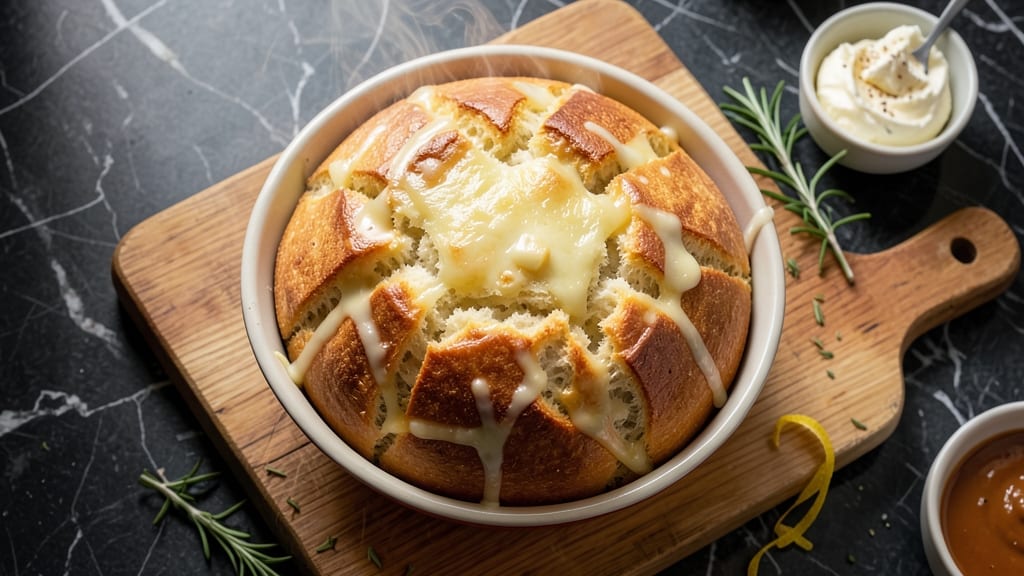
This artisan asiago cheese bread delivers gooey pull-apart strands with a buttery, golden crust—the kind that disappears faster than you can say "second slice." The secret lies in freshly grated asiago, which melts into creamy pockets while maintaining just enough texture to hold its shape.
I developed this recipe after years of testing, and it consistently earns rave reviews for its rich, nutty flavor and irresistible pull-apart quality.
What sets this bread apart is the foolproof technique that balances crispy crust with tender, chewy interior—no dense, rubbery results here. The dough incorporates asiago directly, ensuring every bite delivers that signature cheesy pull.
Unlike store-bought versions, this recipe uses high-quality ingredients and proper proofing time, which transforms it from ordinary bread to a restaurant-worthy side dish.
By the time it emerges from the oven, you'll have perfectly golden strands that stretch into long, cheesy ribbons when pulled apart. The asiago's sharp, nutty notes complement the buttery crust beautifully, making this bread ideal for pairing with soups, charcuterie boards, or as a stand-alone appetizer.
The best part? It's easier than you think—just follow the steps, and you'll achieve professional results every time.
For extra indulgence, brush the warm bread with melted butter and sprinkle with flaky sea salt before serving. The contrast of salty and cheesy creates a flavor profile that's simply irresistible. Let's get started on making this crowd-pleasing masterpiece!
Ingredients for artisan asiago cheese bread
Freshly grated asiago and cold butter create that signature pull-apart magic—here's what you'll need.
| Ingredient | Amount | Notes |
|---|---|---|
| All-Purpose Flour 🌾 | 4 cups | High-protein for chewy texture |
| Active Dry Yeast 🍞 | ¼ oz | Or 2.5g packet |
| Granulated Sugar 🍚 | 1 tbsp | For yeast activation |
| Warm Water 💧 | 1 cup | 110°F for yeast activation |
| Unsalted Butter 🧈 | ½ cup | Cold, cubed for dough |
| Asiago Cheese 🧀 | 2 cups | Freshly grated, block preferred |
| Large Egg 🥚 | 1 whole | Room temperature |
| Flaky Sea Salt 🧂 | 1 ½ tsp | Plus extra for topping |
| Garlic Powder 🧄 | 1 tsp | For subtle depth |
| Black Pepper 🌶️ | ½ tsp | Freshly cracked |
| Cornmeal 🌽 | ¼ cup | For dusting baking sheet |
| Melted Butter 🧈 | 2 tbsp | For brushing crust |
The asiago is non-negotiable—block cheese from the deli counter grates best, avoiding pre-shredded's anti-caking agents. Whole Foods or Trader Joe's carry excellent options, but any specialty cheese shop will have it. Look for vibrant, nutty-smelling asiago—the sharper, the better. For the butter, Plugrá or Land O'Lakes unsalted work perfectly, but any high-fat butter will do. The yeast? Fresh is best, but if using active dry, make sure it's not expired (yeast loses potency fast). Pro tip: proof your yeast in the warm water with sugar first—if it doesn't foam within 10 minutes, your yeast is dead.
No asiago? Parmesan-Reggiano at half the amount works in a pinch, though it lacks that signature nutty bite. Running low on butter? Olive oil or coconut oil can substitute, but the texture will be slightly denser. The cornmeal isn't optional—it prevents sticking and adds a subtle crunch. For the melted butter topping, European-style butter with higher fat content gives the best flavor. Want extra cheesiness? Add 1/4 cup shredded mozzarella to the dough, but don't skip the asiago entirely. The sea salt should be flaky, not iodized—Maldon or Jacobsen brands are ideal, but any flaky salt will do.
This dough needs 2 hours of proofing time—don't rush it. Store any unused dough in an airtight container for up to 24 hours in the fridge, letting it come to room temp before baking. The baked bread keeps well for 3 days at room temperature, wrapped in a clean kitchen towel. For longer storage, freeze portions for up to 3 months—just thaw at room temperature before serving. The best part? It reheats beautifully—wrap in foil and warm in a 350°F oven for 10 minutes to restore that gooey texture.
Why You'll Love This Recipe
- No-Knead Magic: I swear by this dough—just mix, let it rise, and forget it. The yeast does all the work while I sip my coffee, and the butter keeps it tender without fuss.
- Cheese Pulls Hard: That moment when you tear into warm bread and creamy asiago stretches like silk? It’s the little things that make life better, and this bread delivers every time.
- Weeknight Hero: Freeze half the batch for lazy mornings or pop it in the oven after a long day. The sugar caramelizes beautifully, so even reheated, it’s fresh-tasting.
- Budget Stretch: A single block of asiago and a stick of butter go far—this recipe feeds four but costs less than takeout. Plus, the leftovers? Even better the next day.
Step-by-step instructions for artisan asiago cheese bread
Here's how to craft that perfect pull-apart loaf with golden crust and gooey cheese strands.
Activate the Yeast for Maximum Rise
In a small bowl, combine the 1 cup warm water (about 110°F) with the 1 tbsp granulated sugar and 0.25 oz active dry yeast. Let it sit for 5-10 minutes until frothy. You'll see tiny bubbles forming—this means the yeast is alive and ready to work. If it doesn't bubble, your yeast might be dead, and you'll need to start over.
I like to use a thermometer for this step, but if you don't have one, test the water with your wrist—it should feel warm but not hot. Too hot water kills yeast; too cold water won't activate it properly. This initial activation creates the foundation for that light, airy texture we're after in our bread.
Mix the Dough and Incorporate Cheese
In a large mixing bowl, combine the 4 cups all-purpose flour, 1.5 tsp flaky sea salt, 1 tsp garlic powder, and 0.5 tsp black pepper. Make a well in the center and pour in the yeast mixture along with the 1 whole large egg. Using a wooden spoon, gently mix until the ingredients begin to come together.
Add the 0.5 cup cold unsalted butter (cut into small cubes) and the 2 cups freshly grated Asiago cheese. The cheese should be finely grated—no large chunks. Use your hands to work the butter and cheese into the dough until it forms a shaggy mass. This is where the magic begins—the cheese will melt slightly as the dough develops, creating those signature gooey strands later.
Knead Until Smooth and Elastic
Turn the dough out onto a lightly floured surface and knead for 8-10 minutes until smooth and elastic. I press down with the heel of my hand and fold the dough over itself, rotating it a quarter turn each time. The dough should spring back slowly when pressed—this indicates proper gluten development.
If the dough feels sticky, add small amounts of flour as needed, but don't overdo it. Too much flour can make the bread dense. Once the dough is smooth and no longer sticky to the touch, shape it into a ball and place it in a lightly greased bowl. Cover with a clean kitchen towel and let it rise in a warm place for 1-1.5 hours or until doubled in size.
Shape and Second Rise for Maximum Flavor
Punch down the risen dough to release air, then turn it out onto a lightly floured surface. Divide the dough into two equal pieces and shape each into a log about 12 inches long. I like to roll them gently with my hands, tapering the ends slightly for that classic bread shape. Place the shaped loaves on a baking sheet dusted with 0.25 cup cornmeal.
Cover the loaves loosely with the kitchen towel and let them rise again for 30-45 minutes until puffy. The dough should spring back slowly when poked gently with a finger. This second rise is crucial—it develops the open crumb structure that makes this bread so satisfying. Meanwhile, preheat your oven to 375°F for that perfect golden crust.
Bake to Golden Perfection with Buttery Crust
Brush the tops of the loaves with 2 tbsp melted butter for that irresistible golden crust. Bake for 25-30 minutes until the bread is deep golden brown and sounds hollow when tapped on the bottom. The internal temperature should reach 190-200°F.
Here's where it gets exciting—the cheese should be melting beautifully inside, creating those stretchy, gooey strands. If the top browns too quickly, tent loosely with foil. Let the bread cool on a wire rack for 10 minutes before slicing—this prevents the cheese from oozing out everywhere. Serve warm with extra flaky sea salt sprinkled on top for that final touch of sophistication.
Pro Tips For Making Artisan Asiago Cheese Bread
- Use Warm Butter: Skip the cold butter straight from the fridge—mix in softened (but not melted) butter straight from the microwave (30-second bursts) into your dough. This keeps the crumb tender without making the bread greasy or gummy, and it melts beautifully during baking for that perfect pull-apart texture.
- Let the Dough Rise Twice: The first rise is obvious, but the second one after shaping is where magic happens. Give your asiago-loaded dough a second rise in the fridge overnight (yes, even if you’re eager). The cold slows fermentation, deepens flavor, and makes the cheese stretch without tearing when you bake it.
- Avoid Overloading Cheese: I used to shove in all the asiago I could find, thinking more = better. Wrong. Stick to the recipe’s amount—too much cheese weakens the gluten, and your bread turns dense instead of airy. If you’re adding extra, cut back on flour by 1-2 tablespoons to keep the structure intact.
- Preheat Pan and Oven: Your loaf pan and oven need to be screaming hot (425°F) before the dough goes in. A cold pan = a sad, flat-topped bread. Slide the pan in right after preheating, then bake uncovered for the first 10 minutes to get that golden crust started. (Pro move: Spritz the pan with oil first—trust me.)
Flavor customization for these flavors
Spicy Cheese Twist
For a kick of heat, fold in 1 tbsp Calabrian chili paste or ½ tsp cayenne pepper along with the asiago. This adds a smoky, spicy depth that pairs beautifully with the nutty cheese.
I like to balance it with an extra ¼ tsp garlic powder to enhance the savory notes. Serve with a side of cool ranch or garlic aioli to tame the heat while keeping the cheesy goodness intact. 🌶️
Herb-Infused Variation
Brighten up the flavor profile by mixing in 1 tbsp fresh rosemary or thyme leaves with the asiago. The herbs add an aromatic freshness that cuts through the richness of the butter and cheese.
For a Mediterranean twist, add 1 tsp dried oregano along with the garlic powder. This variation works especially well when paired with tomato-based soups or antipasto platters.
Sweet & Savory Fusion
Give your bread a sweet and savory balance by incorporating 2 tbsp honey or maple syrup into the dough along with the wet ingredients. The subtle sweetness complements the asiago’s nuttiness beautifully. I recommend using local honey for a more pronounced flavor.
This variation is perfect for breakfast or as a dessert bread when served with a drizzle of melted butter and a sprinkle of cinnamon.
Extra Cheesy Upgrade
For maximum cheesiness, replace ½ cup of the asiago with ½ cup shredded mozzarella or provolone. Mozzarella adds stretchiness, while provolone brings a milder, creamier flavor.
I like to mix them together for the best of both worlds. This version is especially popular at parties—everyone loves pulling apart those gooey, cheesy strands. 🧀
Garlic & Parmesan Boost
Elevate the flavor by adding 2 minced garlic cloves and ¼ cup freshly grated Parmesan-Reggiano to the dough. The garlic infuses the bread with a subtle, aromatic depth, while the Parmesan adds a salty, umami richness.
This variation is perfect for pairing with hearty soups or as a side for grilled meats. The extra garlic also enhances the bread’s ability to soak up flavors from dips and sauces.
Everything Bagel Seasoning
For a fun twist, sprinkle 1 tbsp everything bagel seasoning (sesame seeds, poppy seeds, garlic, onion, and salt) over the shaped loaves before baking. This adds a delightful crunch and extra savory notes. The seasoning pairs perfectly with the asiago’s nutty flavor and the buttery crust.
It’s a crowd-pleaser that works well as an appetizer or snack—just serve it warm with a side of hummus or cream cheese. 🌟
Nutrition facts
Frequently asked questions
Why does my asiago bread turn out dense instead of pull-apart?
Over-kneading or adding too much flour are the most common culprits. The dough should be smooth but slightly tacky—just enough to hold its shape when rolled. Also ensure your yeast is active (it should foam within 5-10 minutes in warm water) and that you're using high-protein flour (like bread flour) for proper gluten development. Skipping the second rise or underbaking also prevents that signature chewy texture.
Can I make this bread without a stand mixer?
This recipe works perfectly by hand—just knead for 8-10 minutes on a lightly floured surface. Press down with the heel of your hand and fold the dough over itself, rotating it a quarter turn each time. The dough should spring back slowly when pressed. For extra cheesiness, work the asiago into the dough with your hands until it's fully incorporated and no dry spots remain.
How do I store leftover asiago bread?
Wrap cooled bread tightly in a clean kitchen towel (not plastic) and store at room temperature for up to 3 days. For longer storage, freeze portions for 3 months. To reheat, wrap in foil and warm in a 350°F oven for 10 minutes—this restores that gooey texture. Never microwave, as it makes the cheese rubbery. Pro tip: Keep a small piece of bread in the freezer for quick toasted snacks!
What's the best way to serve this bread?
Warm is key—serve it straight from the oven with melted butter brushed on top and a sprinkle of flaky sea salt. Pair with soups (especially tomato or cream-based), charcuterie boards, or as a side for grilled meats. For extra indulgence, try it with marinara sauce for dipping or alongside a fresh salad. The asiago's nutty flavor also makes it perfect for breakfast with scrambled eggs or avocado toast.
Can I substitute asiago with another cheese?
While asiago is ideal for its nutty flavor, you can use Parmesan-Reggiano (half the amount) or a mix of mozzarella and provolone for stretchiness. Avoid pre-shredded cheese (it contains anti-caking agents that make the bread dry). For a sharper taste, try Pecorino Romano, but reduce to 1.5 cups to balance the intensity. The texture will differ slightly, but the cheesy pull will still be delicious!