Side Dishes
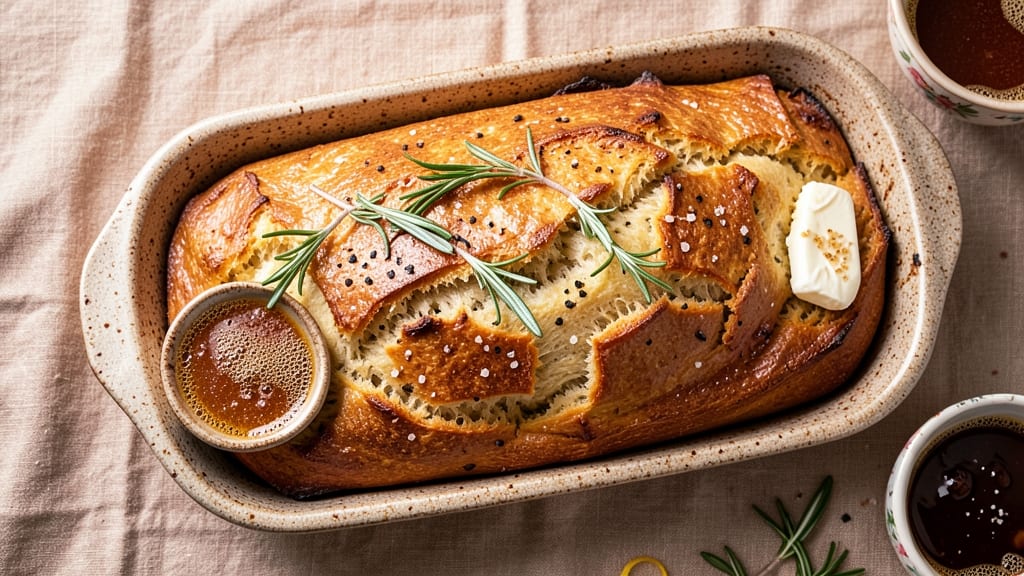
This artisan beer bread recipe delivers the perfect balance of a crispy crust and soft, airy interior—all from a single loaf. The secret lies in using a quality ale and proper yeast activation, which creates that signature contrast.
I've perfected this technique over years of baking, ensuring every slice is worth the wait.
What sets this recipe apart is the combination of traditional methods with modern flexibility. You'll start with a simple dough that incorporates warm beer for moisture and flavor, then proof it just long enough to develop that signature texture.
The crust develops a golden-brown crunch while the inside remains tender and slightly chewy.
This loaf is incredibly versatile—serve it warm with butter, use it for sandwiches, or enjoy it alongside soups and stews. The beer's maltiness adds depth, while the crust provides satisfying texture with every bite. The recipe is designed to be foolproof, even for beginners.
With just a few simple ingredients and about an hour of active time (plus rising), you'll have a loaf that rivals anything from a specialty bakery. The aroma alone will have everyone gathering around the table. Let's get started on creating this crowd-pleasing masterpiece.
Ingredients for artisan beer bread
Eight simple ingredients, one perfect loaf—where crispy meets airy in every bite.
| Ingredient | Amount | Notes |
|---|---|---|
| All-Purpose Flour 🌾 | 4 cups | Sifted, for light texture |
| Active Dry Yeast 🍞 | 2 ¼ tsp | Freshly opened, not expired |
| Granulated Sugar 🍚 | ¼ cup | For yeast activation |
| Unsalted Butter 🧈 | ½ cup | Cold, cubed for even melting |
| Quality Ale Beer 🍺 | 1 ¼ cups | Room temperature, not too bitter |
| Warm Water 💧 | ½ cup | 110°F for yeast activation |
| Salt 🧂 | 1 tsp | Kosher or sea salt |
| Cornmeal 🌽 | ¼ cup | For dusting baking sheet |
| Coarse Cornmeal 🌽 | ¼ cup | For topping before baking |
| Butter 🧈 | 2 tbsp | Melted, for crust brushing |
The beer makes all the difference. Local craft breweries often have great options—look for ales with moderate bitterness and good malt flavor. Sierra Nevada Pale Ale or Allagash White work beautifully. If you're stuck with store-bought, Budweiser or Coors Light are fine in a pinch, but they'll lack depth. Room temperature is key—yeast needs to activate properly. For the yeast, Saf-Instant is my go-to since it doesn't need proofing, but active dry works too if you're willing to wait the extra 10 minutes. The flour should be unbleached all-purpose—bread flour makes this too dense.
No ale on hand? Substitute with warm vegetable broth for moisture, but you'll lose that signature malt flavor. The sugar can be swapped for honey (same amount), but granulated is more reliable for yeast activation. Butter hater? Coconut oil or olive oil keeps the crust crispy, though it won't be quite as rich. For the cornmeal topping, polenta or panko crumbs work in a bind. And if you're short on time, pre-sifted flour saves steps—just shake the bag to aerate it. The yeast is non-negotiable though—this isn't a quick bread.
Proof your yeast in the warm water and sugar for 5 minutes before mixing—it should get bubbly and frothy. The dough will be sticky, but resist the urge to add extra flour. This bread keeps best at room temperature for 2 days, wrapped in a clean kitchen towel. For longer storage, slice and freeze portions—it reheats beautifully in a toaster or oven. The crust stays crispy for about 4 hours after baking, so make it fresh if you're serving with butter. Leftovers? Perfect for croutons or breadcrumbs—just pulse in a food processor.
Why You'll Love This Recipe
- One-Bowl Magic: I swear by this recipe—just mix, let it rise, and bake. No fancy equipment, no stress. The beer does most of the work while you sip your own brew and pretend you’re not cooking.
- Malty Crust, Buttery Soul: That crispy golden crust? Pure satisfaction. The beer’s caramel notes and the cold butter’s richness make every bite taste like a reward. Honestly, I’ve seen people lick the pan.
- Weeknight Hero: Toss it in the oven while your pasta boils or your steak rests. It’s ready by the time you’re done plating—no waiting around. My go-to when I’m too tired to think past dinner.
Step-by-step instructions for artisan beer bread
Here's how to craft a loaf with a crispy crust and tender interior using precise techniques.
Activate the Yeast for Optimal Rise
In a small bowl, combine the 0.5 cup warm water (around 110°F) with the 0.25 cup granulated sugar and 2.25 tsp active dry yeast. Let it sit for 5-10 minutes until frothy—this confirms the yeast is active. If no bubbles form, your yeast may be expired or the water too hot.
I always test the water temperature with my finger—it should feel warm but not hot to the touch. The sugar helps activate the yeast faster, creating a stronger foundation for the bread's rise. This step is critical; rushing it can lead to a dense loaf.
Mix the Dough and Incorporate Butter
In a large mixing bowl, whisk together the 4 cups all-purpose flour and 1 tsp salt. Create a well in the center and pour in the yeast mixture. Using a wooden spoon, gently mix until combined, then add the 0.5 cup cold cubed unsalted butter.
Work the butter into the dough until it resembles coarse crumbs with a few soft butter pieces remaining. The butter should be cold enough to hold its shape but soft enough to incorporate. Overworking the dough at this stage can develop gluten too early, leading to a tough texture.
Add Beer and Knead the Dough
Gradually add the 1.25 cups quality ale beer to the dough while mixing with your hands. The beer should be room temperature—cold beer will shock the yeast. Knead the dough for 5-7 minutes until smooth and elastic, adding more flour if needed to prevent sticking.
You'll know it's ready when the dough springs back slowly when poked. The beer adds moisture and depth of flavor while keeping the crumb tender. If the dough feels too sticky, dust your work surface with a little flour, but don't overdo it—this can make the bread dry.
First Rise and Shape the Loaf
Lightly grease a large bowl with a bit of melted butter and place the dough inside. Cover with a damp kitchen towel and let rise in a warm place for 1-1.5 hours or until doubled in size. The dough should feel light and airy when pressed gently.
After rising, turn the dough onto a lightly floured surface and shape it into a round loaf. Press your thumb into the center to create a well, then fold the edges toward the center to form a ring. This technique creates the classic beer bread shape with that perfect crusty-top, soft-inside contrast.
Bake with Cornmeal Topping
Preheat your oven to 375°F. Line a baking sheet with parchment paper and dust with 0.25 cup cornmeal. Transfer the shaped dough to the baking sheet and brush the top with the 2 tbsp melted butter. Sprinkle generously with the 0.25 cup coarse cornmeal.
Bake for 30-35 minutes until the crust is deep golden brown and the internal temperature reaches 190°F. The bread should sound hollow when tapped on the bottom. For extra crispiness, broil for 1-2 minutes at the end, watching closely to prevent burning.
Cool and Serve for Best Texture
Remove the bread from the oven and let it cool on a wire rack for at least 15 minutes. This resting period allows the bread to set properly and prevents a gummy interior. The contrast between the crispy crust and soft crumb develops during this time.
Slice while still warm for the best experience—each piece should reveal an open crumb structure with a tender, slightly chewy texture. The beer's flavor will be most pronounced when served fresh from the oven, making it perfect for dipping in soups or pairing with hearty meals.
Pro Tips For Making Artisan Beer Bread
- Use Room-Temperature Butter: Cold butter creates pockets in the dough that won’t melt evenly, leaving you with a dense loaf instead of that golden, flaky crumb. Take the butter out of the fridge 30 minutes before mixing—yes, even if you’re in a hurry, this makes a real difference.
- Measure Beer by Weight: That "1 cup of beer" in the recipe? It’s not the same in every glass. Use a kitchen scale to measure 240 grams of beer instead—it guarantees consistency, especially when using hoppy or high-alcohol ales that can alter dough behavior.
- Skip the Overproofing: I learned this the hard way—letting the dough rise until it looks like it’s about to collapse means you’ve gone too far. Stop when it’s just puffy and springs back slowly when poked (about 1.5–2 hours at room temp), not when it’s domed and wobbly.
- Butter the Loaf Pan: Greasing with oil is fine, but nothing beats a thin layer of softened butter on the pan walls and bottom. It prevents sticking and gives the crust that subtle richness—just brush off any excess before adding the dough, or you’ll end up with a greasy mess.
Regional styles of these flavors
British Pub Style
In British pubs, beer bread often takes the form of a round, crusty loaf with a thick, buttery crust—perfect for serving with bangers and mash. The key difference? They use dark malt beer like Guinness stout or Fuller's London Pride for a deeper, almost coffee-like flavor.
For a true pub experience, shape the dough into a flat, round loaf about 1.5 inches thick and brush the top with melted butter mixed with 1 tsp honey before baking. Serve warm with cheddar cheese spread for dipping. 🍺
Southern U.S. Twist
Southern beer bread often incorporates cornmeal and jalapeños for a spicy, crunchy kick. Use light lager like Budweiser or Miller Lite (yes, it works!) and add 1-2 sliced jalapeños to the dough before shaping.
After baking, brush the crust with garlic butter and sprinkle with crushed red pepper flakes. This version pairs perfectly with pulled pork sandwiches or chili. The cornmeal topping gives it that classic Southern crunch. 🌶️
German Pretzel Beer Bread
For a pretzel-inspired twist, swap the cornmeal for coarse salt and add 1 tbsp baking soda to the dough. Shape the loaf into a pretzel knot and bake as usual.
After baking, brush with butter mixed with 1 tsp coarse salt and 1 tsp white vinegar for that authentic pretzel shine. Use a German-style wheat beer like Weihenstephaner Hefeweissbier for a malty, slightly sweet flavor. Serve with mustard or beer cheese for a hearty meal. 🥨
Italian Focaccia-Inspired
Transform your beer bread into focaccia by using olive oil instead of butter and adding rosemary and garlic. Press the dough into a flat rectangle on a baking sheet, dimple the top with your fingers, and brush with olive oil.
Before baking, scatter cherry tomatoes and feta cheese on top. Use a light Italian lager like Peroni for a crisp, clean flavor. Bake at 375°F for 25-30 minutes until golden. This version is perfect for dipping in balsamic vinegar or pairing with antipasto platters. 🌿
Mexican-Style Corn Beer Bread
Give your beer bread a Mexican flair by replacing half the flour with cornmeal and adding cumin and chili powder. Use a Mexican lager like Modelo Especial for a smooth, balanced flavor.
After shaping, brush the top with melted butter mixed with 1 tsp cumin and sprinkle with crushed tortilla chips for extra crunch. Serve with salsa, guacamole, or queso dip for a fun, shareable appetizer. The cornmeal adds a slightly sweet, nutty note that complements the beer beautifully. 🌵
Sweet Honey-Glazed Version
For a sweet twist, add ½ cup honey to the dough and brush the baked loaf with an extra 2 tbsp honey mixed with 1 tbsp melted butter. Use a honey ale like Blue Moon Belgian White or Allagash Honey Ale for a naturally sweet flavor.
This version is perfect for breakfast with jam or as a dessert bread with whipped cream. The honey enhances the beer’s maltiness while adding a caramel-like richness to the crust. 🍯
Nutrition facts
Frequently asked questions
Why does my beer bread turn out dense instead of light and airy?
Dense beer bread usually means the yeast didn't activate properly or the dough wasn't given enough time to rise. Always use room-temperature beer (not cold) and let the yeast proof for 5-10 minutes until bubbly. Also, make sure your dough rises in a warm place (like a turned-off oven with a bowl of hot water) for 1-1.5 hours until doubled in size. Over-kneading can also develop too much gluten, making the bread tough.
Can I use any type of beer in this recipe?
While you can technically use any beer, the flavor and texture will vary. For best results, choose an ale with moderate bitterness like Sierra Nevada Pale Ale or Allagash White. Lighter lagers work but may lack depth. Avoid overly hoppy IPAs or stouts—they can make the bread taste bitter. If you're stuck with a bitter beer, reduce the amount to 1 cup instead of 1.25 cups to balance the flavor.
How do I store leftover beer bread?
For short-term storage, wrap the bread in a clean kitchen towel and keep it at room temperature for up to 2 days. For longer storage, slice the bread and freeze portions in an airtight container for up to 3 months. To reheat, toast slices in a toaster or warm in the oven at 350°F for 5-10 minutes until crispy again. The crust stays best when reheated fresh from the oven.
Can I make this bread without yeast?
Yes, but it won't have the same light, airy texture. For a quick version, replace the yeast with 2 tsp baking powder and 1 tsp baking soda. Mix the dough as directed, but skip the rising time and bake immediately at 375°F for 25-30 minutes. The result will be denser but still delicious—great for sandwiches or dipping. The beer flavor will still shine through, though the crumb won't be as open.
What's the best way to serve artisan beer bread?
Serve it warm with melted butter for dipping, or use it for sandwiches with pulled pork or roast beef. It also pairs perfectly with soups, stews, or chili. For a gourmet touch, top slices with avocado mash, hummus, or cheese spread. The crusty exterior makes it ideal for scooping up sauces, while the soft interior holds up well to hearty fillings.