
Side Dishes
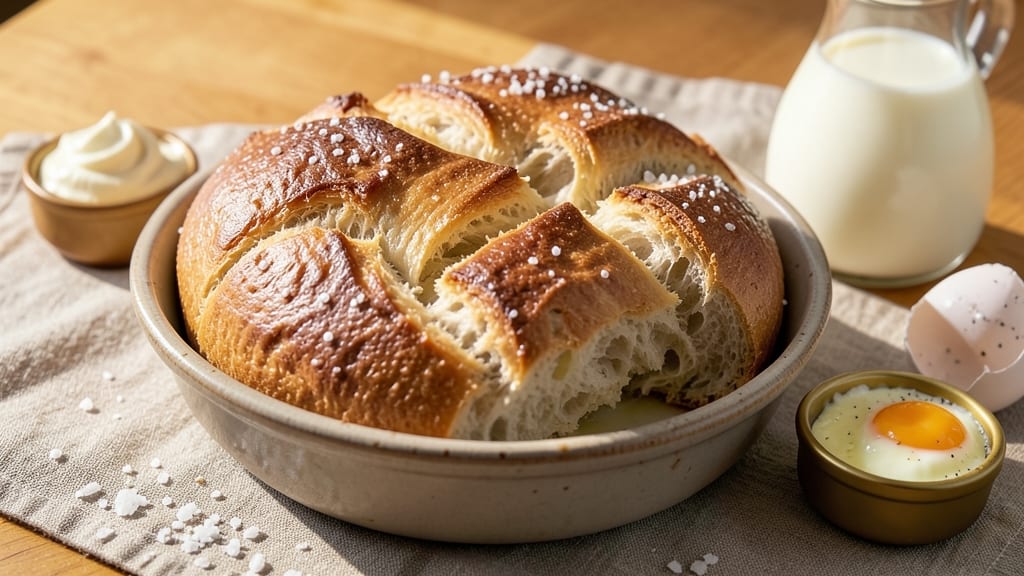
This artisan bread in five minutes a day brioche recipe delivers bakery-worthy flake and tenderness with minimal daily effort—just five minutes of active time, not total prep. The secret lies in a no-knead dough enriched with butter and eggs, which develops flavor overnight while you sleep.
What makes this recipe work is the cold fermentation, a technique that transforms simple ingredients into a luxurious loaf with a crisp crust and melt-in-your-mouth crumb.
The process is designed for busy schedules: mix the dough in the evening, let it rest in the fridge overnight, then shape and bake the next morning. This cold fermentation not only saves time but also enhances flavor, creating depth that store-bought bread can’t match.
The result? A golden, crackly crust with a tender interior that’s perfect for breakfast, sandwiches, or serving with butter.
What sets this brioche apart is the butter-to-flour ratio, which ensures a rich, pillowy texture without being greasy. The dough’s natural rise means no yeast headaches—just fold, refrigerate, and bake. Whether you’re a beginner or an experienced baker, this method delivers restaurant-quality results with minimal fuss.
For variations, try adding chocolate chips for a decadent treat or infusing the dough with cardamom for a fragrant twist. The possibilities are endless, but the foundation remains the same: simple steps, luxurious results. Let’s get started on your first loaf.
Ingredients for artisan bread in five minutes a day brioche
High-protein flour, cold butter, and precise fermentation create bakery-worthy brioche with minimal daily effort.
| Ingredient | Amount | Notes |
|---|---|---|
| All-Purpose Flour 🌾 | 4 cups | High-protein for structure, sifted before measuring |
| Unsalted Butter 🧈 | 1 cup | Cold, cubed, European-style preferred |
| Large Eggs 🥚 | 2 whole | Room temperature for even incorporation |
| Granulated Sugar 🍚 | ¼ cup | Fine grain for even distribution |
| Active Dry Yeast 🍞 | ¼ tsp | Fresh, not expired, for reliable rise |
| Whole Milk 🥛 | ½ cup | Room temperature, full-fat for richness |
| Diamond Crystal Kosher Salt 🧂 | 1 tsp | Fine grain, not iodized |
| Water 💧 | ½ cup | Room temperature, filtered preferred |
| Cornmeal 🌽 | ¼ cup | For dusting, fine texture preferred |
| Egg Wash 🥚 | 1 whole | Beaten with 1 tsp water for shine |
| Coarse Sea Salt 🧂 | 1 tsp | For crust sprinkle, flaky texture |
The butter-to-flour ratio is non-negotiable for authentic brioche texture. European-style butter (like Plugrá or President) has higher fat content, which yields a richer crumb. If substituting, use Land O'Lakes unsalted but expect slightly less tenderness. Measure butter cold—press into a cup to avoid melting during mixing. For yeast, Fresh Start from the refrigerated section is more reliable than dry packets, especially in humid climates. The flour should be high-protein (11-12%)—King Arthur or Gold Medal work perfectly. Store flour in an airtight container away from heat sources to prevent rancidity.
No European butter? Crisco shortening mimics the fat content, though texture will differ slightly. Substitute whole milk with heavy cream thinned with water (1:1 ratio) for extra richness, but expect a denser crumb. For dairy-free, unsweetened almond milk fortified with calcium works, though flavor depth suffers. The sugar can be swapped for honey or maple syrup (reduce by 20% due to moisture), but granulated ensures consistent texture. If your yeast packet is older than 4 months, proof it in warm milk first to confirm viability. The egg wash can be made ahead—store in the fridge for up to 2 days, whisking before use.
Cold fermentation is key—store dough in the coldest part of your fridge (35-38°F) for optimal slow rise. The dough will keep for 3 days in the fridge, with flavor deepening over time. Shape and bake the next morning for peak freshness. For longer storage, freeze shaped dough (unbaked) for up to 3 months—thaw overnight in the fridge before baking. The baked loaf stays fresh for 2 days at room temperature, wrapped in a cotton towel. To revive stale bread, sprinkle with water and toast at 350°F for 5 minutes—the crust will crisp up beautifully.
Why You'll Love This Recipe
- Five-Minute Magic: I swear, the name isn’t a lie. Mix the dough in the morning, let it rise overnight in the fridge, and wake up to bread that smells like a Parisian bakery—no kneading, no fuss, just rich, buttery layers waiting for toast.
- Butter-Kissed Richness: That ratio of eggs to butter? It’s what makes this brioche dangerously good. The crumb is tender, the crust has just the right shatter, and every bite tastes like a hug from a French grandmother—no fancy ingredients, just pure indulgence.
- Weeknight Hero: Between us, this is my go-to for breakfast, sandwiches, or even a quick charcuterie board. The dough keeps for days in the fridge, and those soft, pillowy slices? Perfect for French toast when I’m too tired to think.
- Budget Luxury: Honestly, the cost per loaf is shocking. A little butter and eggs stretch farther than you’d think, and the dough’s forgiving—no need for expensive sourdough starters or specialty flours. It’s artisan-quality without the bakery price tag.
Step-by-step instructions for artisan brioche with no-knead rise
This method delivers bakery-style brioche with minimal daily effort—just five minutes of active work.
Prepare the Brioche Dough with Cold Butter
In a stand mixer fitted with the dough hook attachment, combine the 4 cups all-purpose flour, 1 tsp diamond crystal kosher salt, and 0.25 cup granulated sugar. Mix on low speed for 30 seconds to distribute the dry ingredients evenly. This step ensures uniform texture before adding wet components.
In a separate bowl, whisk together the 0.5 cup whole milk, 0.5 cup water, and 2 whole large eggs until fully combined. Add this mixture to the flour mixture along with the 1 cup cold unsalted butter, cubed. Mix on low speed until the butter begins to incorporate, then increase to medium speed for 4-5 minutes until the dough pulls away from the sides of the bowl and forms a smooth, elastic mass. The dough should be slightly tacky but not sticky—this indicates proper hydration. If it's too dry, add 1 teaspoon water; if too sticky, add 1 tablespoon flour.
Incorporate Yeast and Begin First Rise
In a small bowl, dissolve the 0.25 tsp active dry yeast in 2 tablespoons warm water (around 105-110°F). Let it sit for 5 minutes until foamy. Add this yeast mixture to the dough in the mixer and combine on low speed for 2 minutes until fully incorporated. The dough will appear slightly shinier and more cohesive.
Shape the dough into a rough rectangle on a lightly floured surface and fold it over itself like a letter, sealing the edges. Place the dough in a lightly greased bowl, cover with plastic wrap, and let rise at room temperature for 1 hour. You'll know it's ready when the dough has nearly doubled in size and springs back slowly when gently pressed. This initial rise develops the dough's structure and flavor foundation.
Shape and Second Rise for Flaky Layers
Turn the risen dough onto a lightly floured surface and gently deflate it by pressing down with your fingers. Divide the dough into 4 equal portions (about 8 ounces each) and shape each into a smooth ball. Place the balls in a 9x5-inch loaf pan, spacing them evenly. Cover with plastic wrap and let rise at room temperature for 1 hour 30 minutes until the dough has puffed significantly and nearly fills the pan. The edges should show clear signs of expansion, indicating proper fermentation.
Bake to Golden Perfection
Preheat your oven to 350°F. Brush the tops of the brioche loaves with the 1 whole egg wash (beaten egg with 1 tsp water) and sprinkle generously with 1 tsp coarse sea salt. Dust the sides of the pan with 0.25 cup cornmeal to prevent sticking. Bake for 30-35 minutes until the tops are deep golden brown and the internal temperature reaches 190°F. The bread should sound hollow when tapped on the bottom.
Remove the brioche from the pan and let cool on a wire rack for 10 minutes before slicing. The exterior should be crisp and flaky, while the interior remains soft and tender. For best results, serve within 24 hours—this brioche is at its peak freshness when slightly warm.
Pro Tips For Making Artisan Bread In Five Minutes A Day Brioche
- Chill the Dough: After your first 30-minute knead, let the dough rest in the fridge for at least 12 hours—yes, even if you’re eager. I used to rush this step and ended up with dense brioche; the cold slows fermentation and develops flavor while keeping the butter from melting into chaos.
- Weight the Butter: Use a kitchen scale for the butter—don’t eyeball it. Brioche relies on fat content, and even 5 extra grams can throw off the texture. I learned this the hard way when my loaves turned out greasy one batch and dry the next.
- Skip Overproofing: The dough should just about double in size before baking—no more. Overproofed brioche collapses like a sad soufflé. Poke it gently: if it springs back slowly, it’s ready; if it stays indented, it’s past its prime.
- Warm the Eggs: Take eggs out of the fridge 30 minutes before using—room temp eggs mix better and don’t shock the dough. Cold eggs make for uneven crumb, and nobody wants a brioche with lumpy pockets of butter. Trust me, it’s worth the wait.
Health benefits of these flavors
Rich Butter Benefits
The 1 cup of unsalted butter in this brioche isn't just for flavor—it creates a luxurious crumb packed with healthy fats that support brain function and nutrient absorption. Butter contains vitamin A, which supports vision and immune health, plus conjugated linoleic acid (CLA), linked to reduced inflammation.
The cold butter also develops flaky layers during baking, giving each bite that signature brioche tenderness. 🧈
Protein Powerhouse
With 2 whole eggs and 4 cups of high-protein flour, this brioche delivers 15 grams of protein per serving—ideal for keeping you full and energized. Eggs provide complete protein with all essential amino acids, while the flour contributes plant-based protein that aids muscle repair.
The combination makes this bread perfect for breakfast or post-workout meals when you need sustained energy.
Slow-Fermented Flavor
The overnight cold fermentation transforms simple ingredients into a flavor powerhouse. This process develops complex, nutty notes while reducing gluten, making the bread easier to digest. Fermented foods like this brioche also support gut health by promoting beneficial bacteria.
The slow rise enhances the dough's elasticity, creating that signature soft, pillowy texture we all love.
Whole Milk Richness
The ½ cup of whole milk adds calcium and vitamin D for bone health, while its fat content improves moisture retention. Unlike skim milk, whole milk creates a richer, more tender crumb without compromising structure.
The fat also helps create that golden, crackly crust we associate with artisanal bread. It's a small ingredient with big nutritional impact!
Natural Energy Boost
While not a "health food," this brioche provides complex carbohydrates that fuel your body with sustained energy. The granulated sugar (¼ cup) gives quick energy, while the high-protein flour ensures that energy lasts.
The combination makes it perfect for breakfast—better than processed white bread but still delicious. The coarse sea salt on top adds electrolytes for hydration balance.
Digestive-Friendly Option
For those with gluten sensitivities, you can substitute ½ cup of the flour with gluten-free all-purpose blend (like Bob's Red Mill 1:1). While texture will differ slightly, the fermentation process still improves digestibility by breaking down gluten proteins.
The butter and eggs remain the same, ensuring rich flavor even with the modification. This makes it a more inclusive option for many households. 🌾
Nutrition facts
Frequently asked questions
Why does this brioche recipe use cold butter?
The cold butter creates flaky layers during baking, giving that signature brioche texture. When baked, the cold butter melts between dough layers, creating pockets of air. Using European-style butter (like Plugrá) yields the best results due to its higher fat content. Never use melted butter—it won't create the same flaky effect!
Can I make this brioche without a stand mixer?
Mix the dough by hand in a large bowl using a wooden spoon or dough scraper. Knead for 8-10 minutes until the dough is smooth and elastic. The cold butter will take longer to incorporate, so be patient. A food processor can also work, but pulse briefly to avoid overworking the dough.
What if my dough doesn't rise properly?
Check these three things first: yeast freshness (test in warm water first), room temperature (dough should be 75-78°F), and proofing time (at least 1 hour). If it's still flat, try a warm oven method: Place dough in a turned-off oven with a bowl of boiling water below for 20-30 minutes to create steam.
How do I store leftover brioche?
Wrap cooled brioche in a cotton towel (not plastic) and store at room temperature for 2 days. For longer storage, freeze sliced brioche for up to 3 months. To revive stale slices, sprinkle with water and toast at 350°F for 3-5 minutes—the crust will crisp up beautifully.
Can I add mix-ins like chocolate chips?
Yes! Fold in ½ cup chocolate chips or ½ cup chopped nuts during the final mixing step. For best results, use high-quality chocolate (70% cacao or higher) and keep the mix-ins small to avoid tearing the dough. This works especially well for breakfast pastries or dessert loaves!