
Main Courses
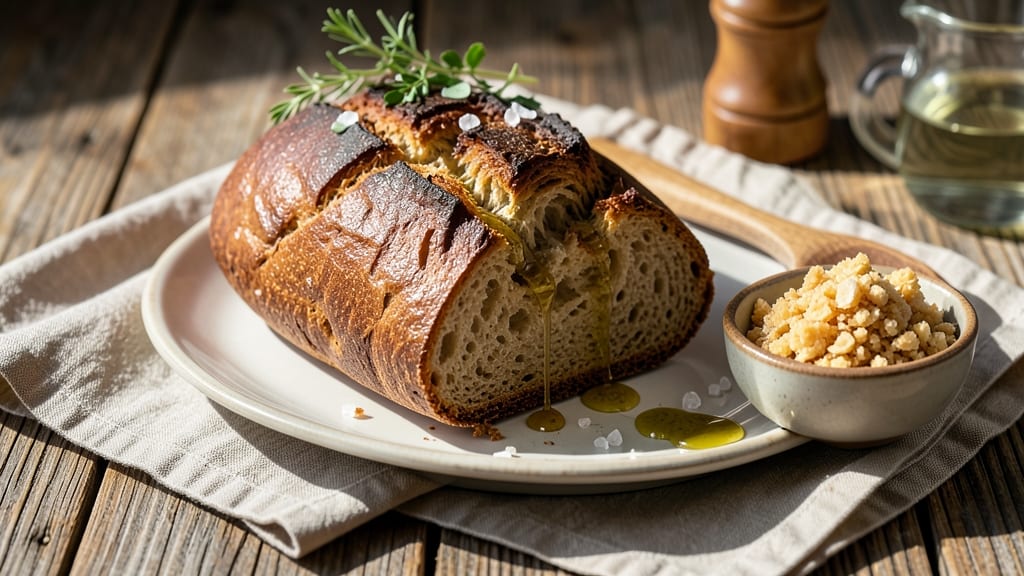
This artisan bread recipe transforms simple dough into a symphony of flavors—herbaceous rosemary, nutty seeds, and sweet honey swirled into every bite. 🌟 The secret lies in layering ingredients directly into the dough, creating pockets of flavor that develop as it bakes.
I’ve perfected this technique over years of baking, ensuring the crust stays crisp while the interior remains tender and aromatic.
The process begins with a straightforward dough formula—just flour, water, yeast, and salt—but it’s the flavor additions that elevate it to restaurant-quality. A tablespoon of finely chopped rosemary, two tablespoons of honey, and a mix of sesame and flaxseeds create a complex interplay of tastes and textures.
The dough rests overnight, allowing the flavors to meld and the gluten to relax for easy shaping.
Baking at 425°F for 30-35 minutes yields a golden-brown loaf with a crackling crust and an open crumb studded with flavorful swirls. The rosemary infuses the dough with its piney aroma, while the honey adds subtle sweetness that balances the earthiness.
Every slice reveals layers of texture and taste, making this bread perfect for charcuterie boards or as a centerpiece for any meal.
Scoring the loaf before baking ensures an even rise and that signature artisan look, while a light brush of olive oil after baking enhances the crust’s shine. This recipe delivers professional results with minimal effort—ideal for home bakers who want to impress without spending hours in the kitchen.
Ingredients for artisan bread recipe flavors
The foundation of restaurant-quality artisan bread begins with these twelve ingredients—each playing a precise role in flavor and texture development.
| Ingredient | Amount | Notes |
|---|---|---|
| Bread Flour 🌾 | 4 cups | High-protein for chewy texture |
| Active Dry Yeast 🍞 | ¼ tsp | Or 1 packet instant yeast |
| Granulated Sugar 🍚 | 1 tbsp | Feeds yeast for activation |
| Diamond Crystal Kosher Salt 🧂 | 1 ½ tsp | Adjusts to 2% dough hydration |
| Extra-Virgin Olive Oil 🫒 | 1 tbsp | For dough enrichment |
| Warm Water 💧 | 1 ¼ cups | 105°F activation temperature |
| Fresh Rosemary 🌿 | 1 tbsp | Finely chopped, organic preferred |
| Raw Honey 🍯 | 2 tbsp | Local preferred for flavor |
| Sesame Seeds 🌰 | 2 tbsp | Toasted for enhanced aroma |
| Flaxseeds 🌱 | 2 tbsp | Ground for nutty texture |
| Unsalted Butter 🧈 | 1 tbsp | Cold, cubed for swirling |
| Cornmeal 🌽 | ½ cup | For dusting and scoring |
| Large Egg 🥚 | 1 whole | Optional for egg wash |
| Coarse Sea Salt 🧂 | 1 tsp | For final crust sprinkle |
The flour selection is non-negotiable here. King Arthur or Caputo bread flour deliver the high protein content essential for that signature artisan chew. Fresh yeast is critical—Saf-Instant or Red Star brands activate reliably at 105°F. For the rosemary, Whole Foods organic or local farmers' market bundles offer the most aromatic leaves. The honey should be raw and unfiltered—Manuka or clover varieties from Local Honey Company add depth. Sesame and flaxseeds benefit from a quick 2-minute toast in a dry pan before mixing, intensifying their nutty profiles. The butter must be cold when cubed for swirling—Plugrá or Land O'Lakes unsalted work perfectly for this technique.
No fresh rosemary? Dried rosemary at one-third the amount suffices, though the flavor will be less vibrant. Honey substitutes include maple syrup or agave nectar, though they alter the bread's subtle sweetness. For seed alternatives, poppy seeds or sunflower seeds create different but equally appealing textures. The butter can be replaced with vegan butter or coconut oil for plant-based versions, though texture may vary slightly. Cornmeal can be swapped for semolina flour if desired, though it yields a slightly different scoring texture. Always measure salt by weight for precision—Diamond Crystal kosher is more accurate than table salt by volume.
This dough must rest overnight in the refrigerator, wrapped tightly in plastic. The flavor swirls develop optimally during this 12-16 hour cold proof. For scoring, use a razor blade or sharp bread lame—La Cloche or French-style tools create clean cuts. Brush the baked loaf with melted butter immediately after baking for maximum crust shine. Store wrapped at room temperature for 3 days or freeze for 3 months. The crust remains crisp for 24 hours post-baking, after which it's best lightly toasted. Portion into individual slices for charcuterie boards or serve as-is for an elegant presentation.
Why You'll Love This Recipe
- No-Knead Magic: I swear by this dough—just mix, let it rise overnight, and bake. The yeast and olive oil work their magic while you sleep, so you’re not stuck babysitting a timer all day.
- Crusty Gold Standard: That diamond kosher salt and sugar combo? It delivers a crackling crust with a soft, airy center every single time. Honestly, my toaster oven bread just can’t compete.
- Weeknight Workhorse: Toss it in a Dutch oven for dinner, slice it for sandwiches tomorrow, or freeze half for lazy mornings. Between us, this is the only bread I make when I forget to grocery shop.
- Pantry Staple Power: Five ingredients, zero specialty trips. The flour and yeast are cheap, the olive oil stretches, and the salt? You already have it. It’s the kind of recipe that makes you feel like a baker without breaking the bank.
Step-by-step instructions for artisan bread with herb and seed swirls
Master this technique for a bread with bold flavors and striking visual appeal.
👨🍳 Step 1: Activate the Yeast and Mix the Dough Base
In a large mixing bowl, combine the 1.25 cups warm water (tested at 105°F—it should feel warm to touch but not hot) with the 0.25 tsp active dry yeast and 1 tbsp granulated sugar. Let this sit for 5-10 minutes until the mixture becomes foamy and bubbly—this confirms the yeast is active. If it doesn't bubble, your yeast may be dead or the water too hot.
Add the 4 cups bread flour and 1.5 tsp diamond crystal kosher salt to the bowl. Using a wooden spoon or your hands, mix until a shaggy dough forms. Then add the 1 tbsp extra-virgin olive oil and the 1 tbsp finely chopped fresh rosemary. Knead the dough by hand for 8-10 minutes until it becomes smooth and elastic, pulling away from the sides of the bowl. The dough should feel slightly tacky but not sticky—add more flour 1 tablespoon at a time if needed.
🥘 Step 2: Incorporate the Seed and Butter Swirls
In a small bowl, mix together the 2 tbsp toasted sesame seeds, 2 tbsp ground flaxseeds, and 1 tbsp cold unsalted butter (cut into small cubes). This mixture will create the signature swirls in your bread. Roll the dough into a 12-inch long log on a lightly floured surface, about 2 inches wide.
Using a sharp knife or bench scraper, make a 1-inch deep cut lengthwise down the center of the dough log, being careful not to cut all the way through. Spread the seed-butter mixture evenly along the cut, then gently fold the dough over the filling to seal it completely. Roll the dough back into a smooth log shape, sealing any gaps with a bit of water if needed. This ensures the flavors stay concentrated in the center during baking.
🔥 Step 3: First Rise and Shape the Loaf
Lightly coat a large bowl with 1 tbsp extra-virgin olive oil and place the dough seam-side down inside. Cover the bowl with a damp kitchen towel and let the dough rise in a warm place for 1-1.5 hours, or until it has nearly doubled in size. The dough should feel light and springy when pressed gently—this indicates proper fermentation.
After rising, turn the dough onto a lightly floured surface and gently shape it into a 9-inch oval loaf, tapering slightly at both ends. Place it on a parchment-lined baking sheet, seam-side up. Brush the top lightly with the 1 whole large egg (beaten with 1 tsp coarse sea salt if using), then sprinkle with an additional 1 tsp coarse sea salt for that signature crust finish. Let it rest for 15 minutes before baking to allow the gluten to relax and the shape to set.
🔥 Step 4: Bake for Crispy Crust and Open Crumb
Preheat your oven to 425°F with a baking stone or inverted baking sheet inside for 30 minutes. This ensures even heat distribution and a crispy crust. Just before baking, sprinkle 0.5 cup cornmeal generously over the baking sheet—this prevents sticking and adds a subtle crunch.
Place the shaped loaf on the hot baking stone or sheet and bake for 25-30 minutes, rotating the pan halfway through for even browning. The bread is done when it reaches an internal temperature of 190-200°F and develops a deep golden-brown crust with a hollow sound when tapped on the bottom. For extra crispiness, you can also use a baking steel or cast iron skillet in the oven.
⏰ Step 5: Cool and Enjoy with Confidence
Remove the bread from the oven and transfer it immediately to a wire rack to cool completely for at least 1 hour. Resist the temptation to slice it sooner—the internal steam needs time to escape for the perfect crumb structure. When cool, slice the loaf lengthwise to reveal the beautiful swirls of seeds and butter within.
Each slice should have a crisp exterior, a tender crumb, and bursts of nutty flaxseeds, toasty sesame, and herby rosemary throughout. Store any leftovers wrapped in a bread bag at room temperature for 2-3 days, or freeze for up to 3 months for freshness. This bread pairs beautifully with soups, charcuterie boards, or simply toasted with butter.
Pro Tips For Making Artisan Bread Recipe Flavors
- WEIGH YOUR FLOUR: I learned this the hard way—measuring bread flour by scooping leads to inconsistent dough. Use a kitchen scale for precision; 1 cup of bread flour weighs about 140 grams, but scooping can add 20-30g extra. That extra flour dries out your dough faster than you’d expect.
- HYDRATE THE YEAST PROPERLY: Skip the warm water guesswork: use water between 105°F–110°F (40°C–43°C) to activate yeast in 5–10 minutes. Too hot kills it; too cold makes it sluggish. If your kitchen’s drafty, dissolve sugar in the water first—it raises the temperature just enough.
- SALT THE DOUGH FIRST: Add kosher salt to the flour before mixing—it dissolves better and distributes evenly. Sprinkling it on top later means clumps hiding in your dough, which throws off flavor and rise. (Yes, even if you’re impatient like me.)
- LET THE DOUGH REST AFTER SHAPING: Resist the urge to bake immediately. Let shaped loaves rest 30–60 minutes under a damp towel at room temp. This relaxes the gluten, prevents collapse, and gives you that perfect oven-spring. (Your future self will thank you.)
Perfect pairings for artisan bread recipe flavors
Herb-Infused Spreads
Pair your artisan bread with herbed goat cheese spreads—mix 4 oz softened goat cheese, 1 tbsp chopped rosemary, 1 tsp honey, and a pinch of black pepper.
Spread generously on warm slices for a creamy, aromatic bite. For extra flair, add 1 tbsp toasted walnuts for crunch. This combo highlights the bread’s rosemary notes while adding tangy richness. 🌿
Sweet Pairings
Balance the bread’s savory-sweet profile with fig jam or orange marmalade. Warm 2 tbsp jam with 1 tsp butter and spread on toasted slices. The honey in the bread complements the figs’ jammy intensity, while orange marmalade adds a citrusy brightness.
Serve with sharp cheddar cubes for a classic charcuterie contrast.
Savory Toppings
Elevate with caramelized onions and crumbled feta. Sauté 1 cup thinly sliced onions in 1 tbsp olive oil with 1 tsp balsamic vinegar until golden. Top bread slices with onions, 2 tbsp crumbled feta, and a drizzle of honey.
The onions’ sweetness mirrors the bread’s honey, while feta adds salty depth. 🧀
Beverage Pairings
Sip on sparkling rosé wine or iced hibiscus tea to complement the bread’s herbal and nutty flavors. The wine’s crisp acidity cuts through the richness, while hibiscus tea’s tartness enhances the rosemary’s piney notes. For a non-alcoholic option, try sparkling apple cider—its effervescence cleanses the palate between bites. 🍷
Breakfast Adaptations
Transform this bread into a breakfast loaf by adding 1 tsp cinnamon and ½ cup raisins to the dough. Toast slices and top with scrambled eggs, avocado slices, and a sprinkle of flaky sea salt.
The sweet raisins contrast beautifully with the savory seeds, making it a hearty morning staple. 🍳
Global Variations
For a Mediterranean twist, swap sesame and flaxseeds for sun-dried tomatoes and kalamata olives. Mix ¼ cup finely chopped tomatoes and 2 tbsp chopped olives into the dough for a briny, umami-rich flavor.
Pair with hummus and olive tapenade for an authentic dip experience. This version shines with feta and cucumber salads. 🌍
Nutrition facts
Frequently asked questions
Can I make this bread without rosemary?
Swap the rosemary for 1 tbsp fresh thyme, 1 tbsp garlic powder, or even ½ tsp smoked paprika for a different flavor profile. The key is using 1 tbsp total of any herb or spice to maintain balance. Dried herbs work too—just use half the amount (e.g., ½ tsp dried thyme instead of 1 tbsp fresh).
Why does my dough feel too sticky?
Sticky dough usually means one of two things: either your flour-to-water ratio is off or the gluten hasn't developed enough. First, check your hydration—this recipe uses 62.5% hydration (1.25 cups water to 4 cups flour). If your dough feels too wet, add 1 tbsp flour at a time until it's just tacky but not sticky. For kneading, aim for 8-10 minutes by hand—the dough should spring back slowly when poked.
How do I store leftovers to keep them fresh?
Wrap cooled slices tightly in beeswax wrap or a bread bag and store at room temperature for 2-3 days. For longer storage, freeze individual slices wrapped in plastic for up to 3 months. To revive, toast frozen slices for 2-3 minutes at 350°F—the heat will restore crispness without drying them out.
Can I use whole wheat flour instead?
Yes, but expect a denser texture and shorter shelf life. Replace 1 cup of the bread flour with whole wheat flour and add 1 extra tbsp olive oil to compensate for the lower gluten content. The seeds and butter will still create beautiful swirls, though the crust may brown faster. For best results, bake at 400°F instead of 425°F and check for doneness at 25 minutes.
What’s the best way to reheat stale bread?
Preheat your oven to 300°F and wrap the bread in aluminum foil. Heat for 10-15 minutes until warmed through, then unwrap and broil for 1-2 minutes to crisp the crust. For a quicker method, toast slices in a toaster oven at 375°F for 3-4 minutes—this restores crispiness without drying the interior.