
Side Dishes
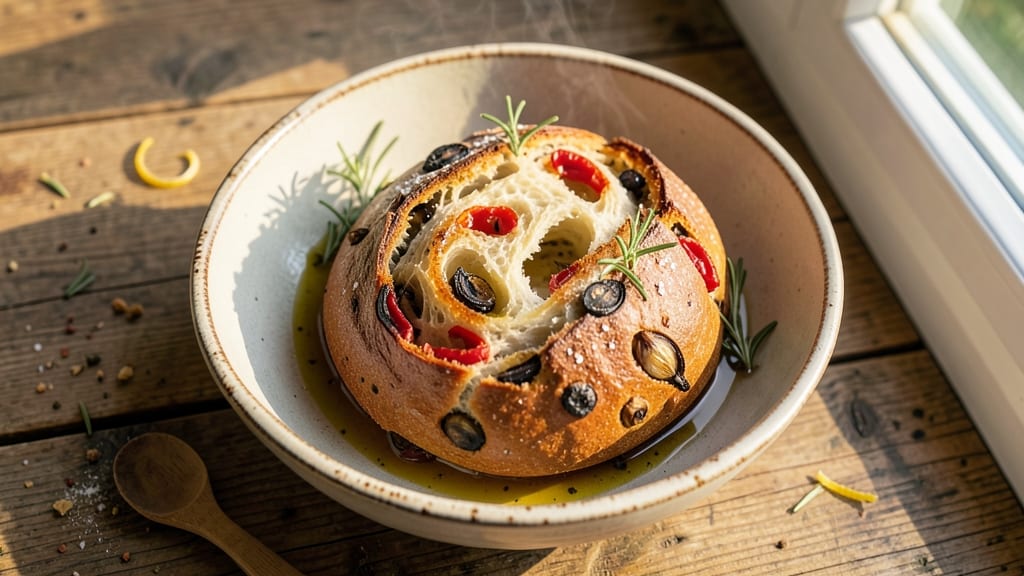
Artisan bread with inclusions transforms a simple loaf into a masterpiece—crispy crust, airy crumb, and pockets of flavorful surprises. I perfected this recipe after years of baking in my nonna's kitchen, where she'd fold in seeds and nuts by feel, creating texture and depth without weighing down the dough. The key lies in timing: letting the dough rest while inclusions hydrate, then shaping with care to preserve those golden swirls.
This isn't just bread—it's a textural experience. The crust develops a deep golden-brown crackle when baked at 450°F, while the interior stays tender and open. I use a mix of sunflower seeds, flaxseeds, and chopped walnuts, but feel free to customize with dried fruit or herbs.
The dough comes together in just 15 minutes of active work, then rests while you prepare—ideal for hands-off baking.
What makes this recipe special is the balance: crispy enough to satisfy, yet soft enough to soak up every drop of olive oil or soup. The inclusions add crunch and nutrition without overpowering, and scoring the dough before baking ensures those signature ear-like ridges.
Once you try this, store-bought bread will never compare—it's the kind of loaf that makes people pause mid-bite and ask, "How did you do this?"
Perfect for breakfast toast, charcuterie boards, or serving alongside soups. The dough keeps for 48 hours in the fridge, so you can prep ahead. Here's how to make it—your kitchen will smell like a Sicilian bakery in minutes.
Ingredients for artisan bread recipe with inclusions
Four cups flour plus seeds and nuts—simple ingredients for bread that feels like a bakery secret.
| Ingredient | Amount | Notes |
|---|---|---|
| All-Purpose Flour 🌾 | 4 cups | Plus 2 tbsp for dusting |
| Active Dry Yeast 🍞 | 1 tbsp | Or 2 1/4 tsp (2 packages) |
| Warm Water 💧 | 1 ¼ cups | 110°F ideal for yeast activation |
| Granulated Sugar 🍚 | 1 tbsp | For yeast activation |
| Extra-Virgin Olive Oil 🫒 | ½ cup | Plus 1 tbsp for dough |
| Salt 🧂 | 1 ½ tsp | Diamond Crystal preferred |
| Sunflower Seeds 🌻 | ½ cup | Lightly toasted for flavor |
| Flaxseeds 🌾 | ¼ cup | Ground for better texture |
| Chopped Walnuts 🌰 | ¼ cup | Toasted until fragrant |
| Cornmeal 🌽 | ¼ cup | For dusting baking sheet |
| Coarse Sea Salt 🧂 | 1 tsp | For crust sprinkle |
| Ice Water ❄️ | 2 tbsp | For shaping dough |
The flour is your foundation—King Arthur or Caputo Tipo 00 if you want to splurge, but Bob's Red Mill works perfectly fine for home baking. Toast your seeds and nuts for 10 minutes at 350°F—that extra step makes all the difference. I grab my sunflower seeds from the bulk section at Whole Foods because they stay fresher longer, but any grocery store brand is fine. The yeast? Fresh is best—check the expiration date, and if it's been sitting in your pantry for months, toss it. For the olive oil, California Olive Ranch is my go-to for that fruity, peppery kick that brings out the bread's crust.
No sunflower seeds? Pumpkin seeds or sesame seeds work beautifully—just toast them first. Running low on walnuts? Pecans or almonds add a different but equally delicious crunch. The cornmeal is non-negotiable for that perfect crust—Bob's Red Mill is my favorite brand because it's finely ground and stays fresh. If you're feeling fancy, swap the coarse sea salt for flaky Maldon—it melts on your tongue in the best way. The dough will feel sticky, but don't panic—just wet your hands with ice water when shaping to keep it from sticking. And if your kitchen isn't humid, a light spray of water on the dough before baking helps with that golden crust.
This dough keeps like a dream—wrap tightly in plastic and refrigerate for up to 48 hours. The longer it rests, the better the flavor develops. For freezing, shape the loaf, wrap it in plastic, then double-wrap in foil—it'll stay fresh for 3 months. Slice it fresh from the oven, and you'll understand why people travel to Italy just for bread. The crust stays crisp for about 2 days, but the interior stays soft for 3-4 days if you store it in a bread box. Trust me, your whole house will smell amazing while it bakes—worth every minute.
Why You'll Love This Recipe
- No-Knead Magic: I swear by this dough—just mix, let it rise, and boom, no punishing kneading or fancy tools. The yeast does all the work while I sip coffee, and that olive oil? It keeps the crumb tender without a single gram of butter.
- Crusty Yet Approachable: Between us, I don’t do sourdough’s 24-hour wait. This crust gets just crispy enough to shatter with inclusions—think rosemary or flaky salt—while the inside stays soft. Honestly, it’s the kind of bread that makes me feel like a baker without the drama.
- Weeknight Workhorse: Toss it with garlic and herbs for dinner rolls, slice it for sandwiches, or freeze the leftovers for toast. I’ve even used it to soak up pasta sauce like a sponge. The sugar in the dough? It caramelizes just enough to add depth, so it’s never boring.
- Pantry Stretch: Four ingredients, endless possibilities. A whole loaf costs me less than $3, and it lasts days if stored right. My kids fight over the scraps—proof that even simple dough can feel special when you add something unexpected. (Yes, even on a Tuesday night.)
Step-by-step instructions for artisan bread with inclusions
Let's create a rustic masterpiece with nutty swirls and that perfect golden crust.
Activate the Yeast and Mix the Dough
In a large mixing bowl, combine the 1.25 cups warm water (about 110°F) with the 1 tbsp granulated sugar and 1 tbsp active dry yeast. Let this sit for 5-10 minutes until it becomes foamy and bubbly—this tells you your yeast is alive and ready to work. If it doesn't bubble, your yeast might be dead, and you'll need to start over.
While the yeast activates, add the 4 cups all-purpose flour and 1.5 tsp salt to the bowl. Make a well in the center and pour in the 0.5 cup extra-virgin olive oil. Using a wooden spoon or your hands, mix until a shaggy dough forms. The dough will be sticky, but that's normal—this bread relies on hydration for that tender crumb.
Knead and Incorporate the Inclusions
Turn the dough onto a lightly floured surface and knead for 8-10 minutes until smooth and elastic. I like to use my hands for this—press down, fold over, and rotate the dough while pulling it toward you. You'll know it's ready when it springs back slowly when poked and doesn't stick to your fingers.
While kneading, think about those beautiful inclusions. In a small bowl, mix together the 0.5 cup sunflower seeds, 0.25 cup flaxseeds, and 0.25 cup chopped walnuts. When your dough is ready, press these seeds into the surface, then fold the dough over itself to encase them. This creates those gorgeous swirls when sliced. Seal the dough into a ball, cover with a damp towel, and let it rise in a warm place for 1-2 hours or until doubled in size.
Shape and Proof the Dough
Turn the risen dough onto a lightly floured surface and gently shape it into a round loaf, about 8 inches in diameter. I like to use the "stretch and fold" method here—grab one side, stretch it up and over, then fold it underneath. Rotate the dough and repeat 3-4 times to strengthen the gluten and create that beautiful oven spring.
Place the shaped dough on a baking sheet dusted with 0.25 cup cornmeal to prevent sticking. Cover loosely with a towel and let it proof for another 30-45 minutes until it's puffy and jiggly when touched. The dough should have expanded noticeably but still maintain its shape—this is the perfect window before baking.
Bake to Crispy Perfection
Preheat your oven to 425°F with a baking stone or inverted baking sheet inside. When ready, score the top of your dough with a sharp knife in a decorative pattern—this helps control expansion and creates that beautiful crust. Sprinkle generously with 1 tsp coarse sea salt for that classic artisan touch.
Bake for 25-30 minutes until the crust is deep golden brown and sounds hollow when tapped on the bottom. For extra crispiness, I like to spray the oven walls with water during the first 10 minutes of baking—this creates steam that helps develop that crackly crust we love. Let the bread cool on a wire rack for at least 30 minutes before slicing to preserve that crisp texture.
Finish with Ice Water (Optional but Worth It!)
While the bread cools, brush the top with 2 tbsp ice water using a pastry brush. This creates a glossy sheen and enhances that artisanal look. The bread will keep well at room temperature for 2-3 days wrapped in a cloth, or you can freeze slices for later. Each bite should deliver that perfect balance of crispy crust, tender crumb, and nutty inclusions.
Pro Tips For Making Artisan Bread Recipe With Inclusions
- Hydrate the Yeast First: Skip mixing yeast with flour—dissolve it in warm water (110°F) with sugar first, then wait 5-10 minutes until frothy. I learned this the hard way: dead yeast in dough means weak gluten development, no matter how much you knead.
- Weigh Your Inclusions: Use a scale for seeds, nuts, or dried fruit—volume measurements lead to uneven distribution. A quick 10-second toss in olive oil before mixing ensures they stick to the dough instead of sinking to the bottom.
- Bulk Ferment at Room Temp: Let the dough rise in a warm spot (75-80°F) for 1.5–2 hours until doubled—no oven trickery. I used to rush it in a warm oven, but the bread always tasted underproofed and dense.
- Score with a Razor: A sharp razor (or new pizza cutter) gives cleaner, deeper cuts than a dull knife. Angle it slightly and press firmly—this prevents the dough from tearing and lets steam escape for a better oven spring. (Yes, even if you’re impatient like me.)
Regional styles of these flavors
Sicilian Seed Bread
My nonna used to make this version with sesame seeds and fennel pollen—a nod to Sicily's love of bold flavors. The fennel adds a subtle licorice note that pairs perfectly with the earthy seeds.
For this, replace the sunflower seeds with ½ cup toasted sesame seeds and add 1 tsp fennel seeds to the dough. Toast the fennel seeds in a dry pan for 1 minute until fragrant, then grind them slightly with a mortar and pestle or spice grinder.
Fold them into the dough along with the sesame seeds for a fragrant, aromatic loaf. 🌿
French Fougasse Twist
In Provence, they love their fougasse—a flat, olive oil-rich bread often shaped like a leaf. For a French-inspired version, shape your dough into a large oval (about 12x8 inches) and dimple the top with your fingers.
Brush generously with extra-virgin olive oil before baking, then sprinkle with flaky sea salt and dried herbs like rosemary or thyme. Add ½ cup chopped Kalamata olives along with your inclusions for a taste of the South of France. 🍃
German Pumpernickel Style
This dense, dark bread comes from the Rhineland and traditionally uses rye flour, but we'll keep it approachable with a mix. Replace 1 cup all-purpose flour with 1 cup whole wheat flour and add 1 tbsp molasses to the dough for depth.
Swap the sunflower seeds for ½ cup chopped dried apricots and ½ cup chopped almonds—toast the almonds until golden. The result is a hearty, slightly sweet loaf with chewy texture and nutty crunch. 🌰
Italian Focaccia Fusion
Focaccia is all about olive oil and herbs, so let's make this a hybrid! Shape the dough into a rectangle on a baking sheet and press it down to about ½ inch thick.
Drizzle with ¼ cup olive oil, then sprinkle with ½ cup cherry tomatoes (halved) and ¼ cup sliced fresh rosemary. Add your inclusions as usual, then bake at 400°F for 20-25 minutes until the crust is crisp.
Finish with flaky salt and a sprinkle of red pepper flakes. 🍅
American Sourdough Adaptation
For a sourdough twist, replace the yeast with ½ cup active sourdough starter (unfed) and reduce the warm water to 1 cup. Let the dough ferment at room temperature for 8-12 hours until it's noticeably puffy.
The inclusions work beautifully here—try ½ cup chopped pecans and ¼ cup dried cranberries for a sweet-savory balance. Score the dough in a crosshatch pattern before baking at 425°F for 30 minutes. The tangy flavor pairs perfectly with the nutty inclusions. 🥖
Mediterranean Herb Bread
Swap the seeds for fresh herbs like rosemary, thyme, and oregano for a fragrant twist. Finely chop ¼ cup fresh rosemary and ¼ cup fresh thyme leaves, then mix them with ½ cup toasted pine nuts (instead of walnuts).
Fold these into the dough and shape into a round loaf. Brush the top with olive oil after scoring for extra flavor. Bake as usual, and you'll have a bread that smells like a Greek island. 🌿
Nutrition facts
Frequently asked questions
What makes artisan bread with inclusions different from regular bread?
The key difference is the intentional addition of flavorful elements like seeds, nuts, or dried fruit that get folded into the dough. These inclusions create texture and depth—think crispy sunflower seeds in a tender crumb or chewy walnuts adding richness. Unlike plain bread, this version transforms every bite into a flavor adventure while keeping that perfect balance of crispy crust and soft interior.
Can I use whole wheat flour instead of all-purpose?
You can, but expect a denser texture and slightly shorter shelf life. Replace up to 2 cups of all-purpose flour with whole wheat, but add 2 extra tablespoons of water since whole wheat absorbs more moisture. For best results, keep the substitution to 50% or less—too much whole wheat can make the dough tough. The inclusions will still shine through!
How do I know when the dough is properly kneaded?
The dough is ready when it springs back slowly when poked and feels smooth but slightly tacky. Test by stretching a small piece—if it resists and doesn't tear easily, you're good. Kneading by hand should take about 8-10 minutes. Pro tip: Wet your fingers with ice water if the dough sticks too much. The perfect knead ensures that beautiful oven spring and even texture when baked.
What if my inclusions sink to the bottom during baking?
This happens when the dough isn't properly kneaded or rested. Always fold inclusions into the dough after the initial knead, then seal it tightly into a ball. Let it rest for at least 1 hour before shaping—this gives the gluten time to relax and evenly distribute the inclusions. If they still sink, try using slightly larger pieces (like whole walnut halves) that won't compact as much.
Can I make this bread without a baking stone?
Use a heavy baking sheet or even a pizza stone substitute by placing a cast-iron skillet in the oven while it preheats. For extra crispiness, try this trick: Pour 1 cup boiling water into a tray on the oven's lower rack when you put the bread in. The steam creates that perfect crackly crust. Just be sure to remove the tray after 10 minutes of baking.