
Side Dishes
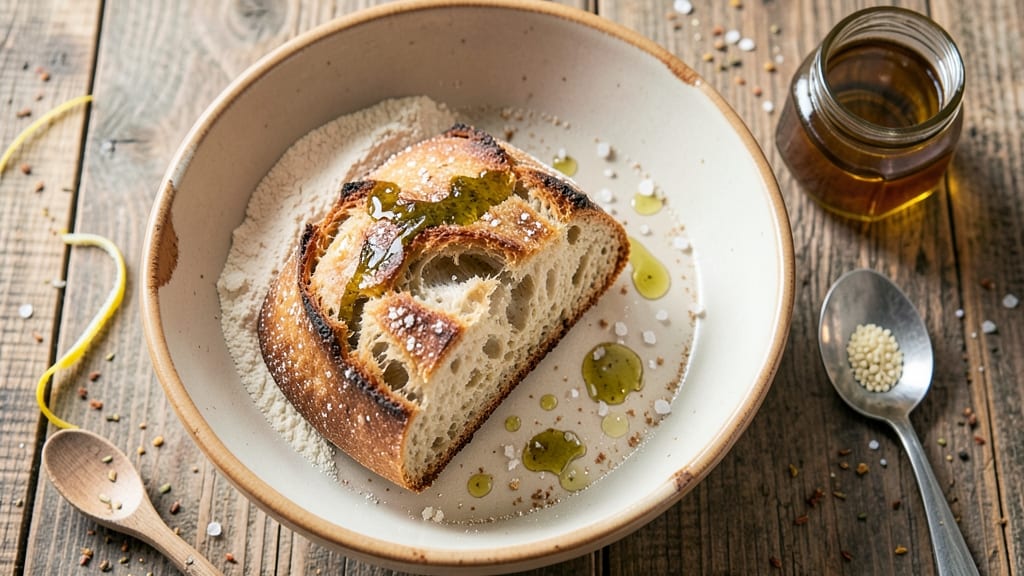
This artisan ciabatta bread recipe delivers the perfect balance of crispy chews and an airy open crumb—just like your favorite Italian bakery. The secret lies in a high-hydration dough that develops incredible texture during long fermentation.
I've perfected this technique over years of baking, and it's become my go-to for restaurant-quality bread at home.
The process requires patience but delivers dramatic results: a golden, crackling crust with shatteringly crisp edges and a light, open interior. We'll use a simple combination of bread flour, yeast, water, and salt, shaped into a classic ciabatta loaf.
The key steps—proper kneading, shaping, and proofing—ensure that signature texture you crave.
By the time you pull this loaf from the oven, you'll have a bread that's crisp enough to satisfy any crust lover but tender enough to hold up to hearty toppings.
The aroma alone will have everyone asking for seconds. This recipe transforms a simple flour mixture into something extraordinary with just time and attention.
Perfect for serving with soups, dipping in olive oil, or using as a base for bruschetta. Let's get started on creating your own bakery-worthy ciabatta.
Ingredients for artisan ciabatta bread
Eight simple ingredients transform into bakery-quality ciabatta with crispy chews and airy crumb.
| Ingredient | Amount | Notes |
|---|---|---|
| Bread Flour 🌾 | 4 cups | High-protein for chewy texture |
| Active Dry Yeast 🍞 | ¼ tsp | Fresh yeast if preferred |
| Water 💧 | 2 ½ cups | Lukewarm for activation |
| Extra-Virgin Olive Oil 🫒 | 2 tbsp | High-quality for richness |
| Salt 🧂 | 1 ½ tsp | Diamond Crystal preferred |
| Honey 🍯 | 1 tbsp | For subtle sweetness |
| Cornmeal 🌽 | ¼ cup | For dusting baking sheet |
| Semolina Flour 🌾 | 1 tbsp | For bread basket |
The bread flour is non-negotiable here—King Arthur or Caputo are my go-tos for that signature texture. The yeast needs to be active, so test it in warm water first (it should foam in 5-10 minutes). For the water, room temperature is key—too hot kills the yeast, too cold slows activation. I grab my flour from Whole Foods or the bulk bins at Trader Joe's—both have great quality. The honey adds just enough sweetness to balance the salt, but don't skip it if you're not into that (though I highly recommend it).
No bread flour? All-purpose flour plus 1 tbsp vital wheat gluten works in a pinch. Out of honey? Maple syrup at half the amount does the trick. For the olive oil, any extra-virgin brand will do—just avoid the cheap stuff that smells like solvent. The cornmeal and semolina might seem like extras, but they're what give that professional look and prevent sticking. If you're feeling fancy, toast the semolina in a dry pan for 2 minutes before using—adds amazing crunch.
This dough needs time—at least 12 hours of cold proofing is ideal. Store it in an airtight container in the fridge, covered with a damp towel to prevent drying. The shaped loaf can sit on the counter for up to 2 hours before baking. Once baked, let it cool completely on a wire rack (or it'll get soggy). Keeps well for 3-4 days in a bread box, or freeze the whole loaf for up to 3 months. Toasting revives day-old slices beautifully.
Why You'll Love This Recipe
- Four-Hand Mix: I swear, this dough comes together in literally five minutes—just flour, yeast, water, olive oil, and salt. No kneading, no fuss, just stretch and fold while you wait for the yeast to wake up. Honestly, if you can measure ingredients, you can make this.
- Crispy-Creamy Magic: That olive oil baked into every bite? It’s what makes this bread dangerously good—crispy on the outside, pillowy inside, with a chew that’s just right. I’ll be real: I’ve tried store-bought ciabatta, and this beats it every time.
- Weeknight MVP: Toss a loaf in the freezer on Sunday, and you’ve got fresh bread for sandwiches, dipping, or toast all week. Between us, my kids grab it straight from the fridge for grilled cheese—no judgment here.
- Budget Stretch: Five ingredients, one loaf, zero waste. That flour and yeast go a long way, and the olive oil’s richness makes every bite feel like a treat. I’ve made this for $2 a loaf—better than any bakery’s markup.
Step-by-step instructions for artisan ciabatta bread
Here's how to create that signature open crumb and crispy crust—every time you bake.
Activate the Yeast and Mix the Dough
In a large bowl, combine the 2.5 cups water with the 1 tbsp honey and let it sit for 2 minutes until the honey dissolves completely. Sprinkle the 0.25 tsp active dry yeast over the water and let it sit for 5-10 minutes until it becomes foamy and bubbly—this confirms your yeast is alive and ready to work.
Once foamy, add the 4 cups bread flour and 1.5 tsp salt to the bowl. Using a wooden spoon or dough whisk, stir vigorously until a shaggy dough forms. This high-protein flour will create that signature chewy texture, but it needs time to develop gluten properly. Add the 2 tbsp extra-virgin olive oil and mix until fully incorporated.
Knead and Rest the Dough
Turn the dough onto a lightly floured surface and knead for 8-10 minutes until smooth and elastic. You'll know it's ready when it springs back slowly when poked. The dough should be slightly sticky—this is normal for ciabatta. If it's too sticky to handle, wet your hands slightly as you knead.
Shape the dough into a loose ball and place it back in the bowl. Cover with a damp kitchen towel and let it rest at room temperature for 1 hour. This initial rest allows the gluten to relax and the dough to become more manageable. I like to set a timer and check it occasionally—you'll see the dough puff up slightly as the yeast works its magic.
Shape and Proof the Dough
After the rest, turn the dough onto a lightly floured surface and gently shape it into a 12-inch log. The key to ciabatta's signature open crumb is creating tension in the dough. Using your fingers, press down firmly along the length of the log, then stretch it out to about 18 inches long. Fold the ends toward the center and press down again to create tension. Repeat this process 2-3 times until the dough is about 16 inches long and has visible tension marks.
Place the shaped dough on a baking sheet dusted with 0.25 cup cornmeal to prevent sticking. Cover loosely with the damp towel and let it proof at room temperature for 1-2 hours, or until it has nearly doubled in size. You're looking for the dough to feel light and airy when pressed gently—it should leave a slight indentation that slowly springs back.
Preheat and Bake for Crusty Perfection
Preheat your oven to 425°F with a baking stone or inverted baking sheet on the middle rack. This creates steam and helps develop that crispy crust. Once preheated, score the top of the dough with a sharp razor or serrated knife, making ½-inch deep cuts about 1 inch apart along the length of the loaf. This step is crucial—it controls where the bread expands and creates those beautiful air pockets.
Bake the ciabatta for 25-30 minutes until it's deep golden brown and sounds hollow when tapped on the bottom. The crust should be crispy and the internal temperature should reach 190°F. If the top browns too quickly, tent the bread with foil after 15 minutes to prevent over-browning while the inside finishes baking.
Cool and Serve with Semolina
Remove the bread from the oven and transfer it to a wire rack. Immediately sprinkle the top with 1 tbsp semolina flour while it's still warm—this adds texture and prevents sticking. Let the ciabatta cool for at least 1 hour before slicing. This resting period allows the steam to escape and the crumb to set properly, ensuring clean slices every time.
Once cooled, slice the ciabatta with a serrated knife and serve warm. The inside should be light and airy with those signature open pockets, while the crust remains crispy and golden. Store any leftovers in an airtight container at room temperature for up to 3 days, or freeze for up to 3 months for freshness whenever you need it.
Pro Tips For Making Artisan Ciabatta Bread
- STRETCH AND FOLD: Mixing ciabatta dough is all about tension—don’t just punch it down. After the initial knead, let the dough rest for 20 minutes, then stretch and fold it three times (every 30 minutes) to build structure. I learned this the hard way when my first batch turned out gummy; the folds create those signature air pockets without overworking the gluten.
- WEIGH YOUR WATER: Ciabatta relies on hydration, but eyeballing water leads to disaster. Use a scale—aim for 70-75% hydration (about 650g water for 500g bread flour). Cold water (60°F/15°C) works best; room temp water can overproof the dough faster. I used to guess, and my loaves either stuck to the pan or collapsed.
- STEAM THE OVEN: Skip the Dutch oven if you’re short on time, but steam is non-negotiable. Place a baking sheet on the oven rack 10 minutes before preheating, then pour ½ cup boiling water into it when loading the dough. The steam mimics a professional bake—no steam means a dense, dry crust. I tried baking without it once; the result was sad.
- SALT THE OIL: Drizzle the olive oil after shaping, not before. Salt the oil (about 1 tsp per 2 tbsp oil) and brush it on the dough just before baking. This doubles as flavor and a crust enhancer—no need for extra egg wash. I was skeptical until I tried it; the crust gets crackly and golden without effort.
Flavor customization for this artisan ciabatta bread
Herb-Infused Variations
Add fresh herbs directly to the dough for an aromatic twist. I love using 1 tbsp chopped rosemary or 2 tbsp fresh thyme mixed into the flour before kneading.
For a Mediterranean touch, try 1 tbsp dried oregano combined with 1 tsp lemon zest—the citrus brightens the crust beautifully. 🌿
Garlic and Cheese Twist
Transform ciabatta into a savory loaf by adding 2 minced garlic cloves and ½ cup grated Parmesan cheese to the dough. For extra richness, fold in 2 oz shredded mozzarella during the final shaping. This version shines when served with warm marinara or as a bruschetta base.
Sweet Honey-Oat Version
Swap half the bread flour for 2 cups rolled oats and increase honey to 2 tbsp. Add 1 tsp cinnamon for warmth. This creates a lightly sweet loaf perfect for breakfast with jam or nut butter. The oats add a subtle crunch that contrasts the soft crumb. 🍯
Whole Wheat Adaptation
Replace 1 cup bread flour with 1 cup whole wheat flour for a nuttier flavor and extra fiber. To maintain texture, add 1 tbsp vital wheat gluten and increase water by 1 tbsp.
The crust will be slightly denser but still crispy. I recommend toasting this version for enhanced flavor.
Spiced Pumpkin Ciabatta
For autumn baking, stir in ½ cup pumpkin puree and 1 tsp pumpkin pie spice with the honey. The dough will be slightly stickier, so use extra flour when shaping. This variation pairs perfectly with roasted squash or as a Thanksgiving side. 🎃
Rosemary and Sea Salt Finish
After baking, brush the warm loaf with 1 tbsp melted butter mixed with 1 tsp chopped rosemary and sprinkle generously with flaky sea salt. Let it cool completely before slicing—this creates a fragrant, savory crust that elevates any meal.
The salt enhances the herbal notes while keeping the crumb tender. ✨
Nutrition facts
Frequently asked questions
Why does ciabatta have that signature open crumb?
The airy texture comes from creating tension in the dough during shaping. When you stretch and fold the dough 2-3 times before proofing, you build internal pressure that creates those signature holes. Think of it like stretching a rubber band—more tension equals bigger air pockets!
Can I make ciabatta without a banneton?
Use a bowl lined with a floured kitchen towel or even a clean pillowcase. The key is to create a smooth surface that won't stick. For extra texture, dust with semolina flour instead of regular flour. The dough will still proof beautifully without a banneton.
What's the best way to store homemade ciabatta?
Keep it in an airtight container at room temperature for 3-4 days—never in the fridge as this makes it stale faster. For longer storage, wrap the whole loaf in plastic wrap and freeze for up to 3 months. Thaw overnight in the fridge before serving. Toasting revives day-old slices perfectly!
Why did my ciabatta turn out dense instead of airy?
This usually happens from either underproofing (not enough time for yeast to work) or over-kneading (breaking down the gluten structure). For next time, let the dough proof until it nearly doubles in size and only knead until smooth but still slightly sticky. The high hydration in ciabatta needs patience to develop properly!
How do I get that perfect crispy crust?
Preheat your oven with a baking stone or inverted sheet pan for 425°F for at least 30 minutes before baking. The steam creates that crackling crust. Score deeply before baking and bake until the crust is deep golden brown. For extra crunch, brush the warm loaf with olive oil and sprinkle with coarse salt immediately after baking.