
Side Dishes
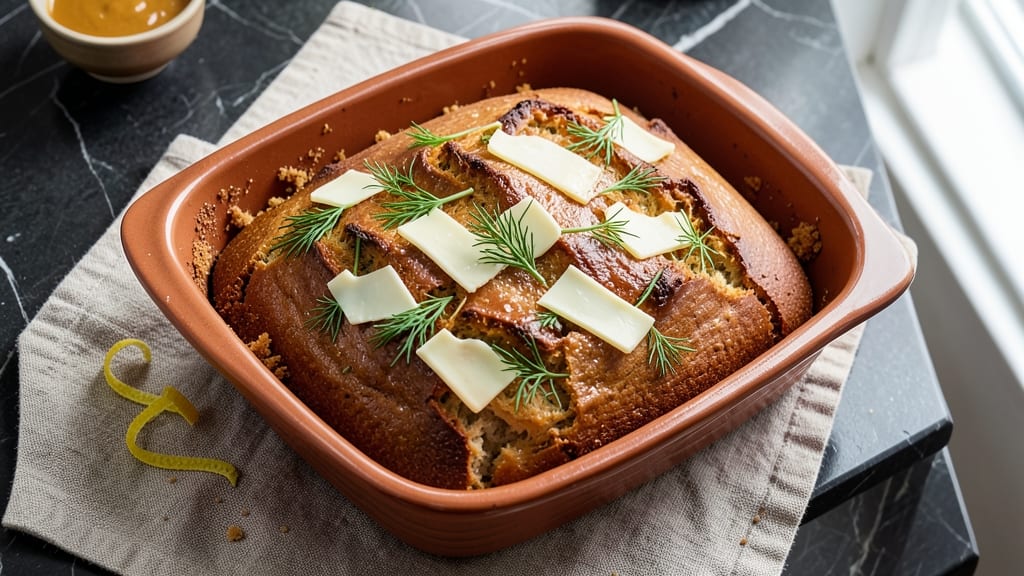
This artisan dill bread recipe transforms simple pantry staples into a rustic loaf with an aromatic crust and tender crumb—perfect for elevating any meal. The secret lies in a balanced blend of flour, yeast, and fresh dill that infuses every bite with bright, herby notes while maintaining a satisfying chew.
I developed this recipe after years of perfecting the delicate balance between crispy crust and soft interior, ensuring it never dries out or loses its distinctive flavor.
The process begins with a straightforward dough that comes together in under 15 minutes, but the magic happens during the slow fermentation and shaping stages. Letting the dough rise overnight in the refrigerator enhances flavor development, while careful shaping creates those coveted rustic ridges.
The result is a loaf with a golden, crackly crust that gives way to a tender, herby interior where the dill shines through.
What makes this bread truly special is its versatility—slice it warm for buttery toast, serve alongside soups to soak up every drop, or enjoy fresh with a pat of cultured butter.
The dill adds a sophisticated touch that pairs beautifully with both light and hearty dishes, making this more than just bread—it's a flavor experience. Let's get started on creating your perfect loaf.
For those who love customization, consider adding sunflower seeds or sesame seeds for extra texture, or swap half the dill for parsley for a different herbal profile. The key is maintaining the dough's moisture balance to ensure a soft crumb that stays fresh for days.
This recipe delivers restaurant-quality bread at home, with minimal effort and maximum flavor.
Ingredients for artisan dill bread
Simple pantry staples meet fresh dill for a rustic loaf with golden crust and herby crumb.
| Ingredient | Amount | Notes |
|---|---|---|
| All-Purpose Flour 🌾 | 4 cups | Unbleached preferred for texture |
| Fresh Dill Weeds 🌿 | ½ cup | Finely chopped, stems removed |
| Active Dry Yeast 🍞 | 1 tbsp | Or 2.25g packet for accuracy |
| Granulated Sugar 🍚 | 1 tbsp | Enhances yeast activation |
| Salt 🧂 | 1 ½ tsp | Diamond Crystal preferred |
| Unsalted Butter 🧈 | ½ cup | Cold, cubed for texture |
| Whole Milk 🥛 | ½ cup | Warmed to room temperature |
| Large Egg 🥚 | 1 whole | Room temperature for binding |
| Sunflower Seeds 🌻 | ¼ cup | Optional for texture enhancement |
| Cornmeal 🌽 | ¼ cup | For dusting baking sheet |
| Water 💧 | ½ cup | Room temperature for hydration |
The flour is the foundation—King Arthur or Gold Medal brands work best for this recipe. Fresh dill is non-negotiable; garden-fresh or high-quality grocery store bunches give the best flavor. If you're using dried dill, reduce to one-third the amount and steep it in warm water for 10 minutes first. The yeast should be freshly purchased—check the expiration date, and if it's past its prime, your bread will lack rise. For the butter, Plugrá or Land O'Lakes unsalted are reliable choices, but any good brand will do. The sunflower seeds add texture and can be swapped for sesame seeds if preferred.
No fresh dill? Dried dill at one-third the amount works, but the flavor won't be as bright. Short on butter? Olive oil at the same quantity keeps the dough moist, though the flavor will differ slightly. Using whole wheat flour? Replace half the all-purpose with whole wheat, but expect a denser crumb. The milk can be substituted with plant-based milk if needed, though the texture may vary. For a quicker rise, proof the dough at 75°F for 1 hour instead of overnight in the fridge. The egg binds the dough, so if you're avoiding eggs, 1 tbsp flaxseed meal mixed with 3 tbsp water works as a substitute.
This dough keeps for 2 days in the fridge before shaping, giving you flexibility for baking. Once shaped, the loaf can be refrigerated for up to 3 days before baking or frozen for 3 months for later use. For best results, bake immediately after shaping. The bread stays fresh at room temperature for 2-3 days when wrapped in a clean kitchen towel. To revive stale bread, wrap it in a damp towel and warm in a 350°F oven for 5-10 minutes—it'll taste almost as good as fresh.
Why You'll Love This Recipe
- No-Knead, No-Fuss: I swear by this method—just mix, let it rise, and bake. The yeast does all the work while I sip coffee, and honestly? That’s my kind of baking.
- Herby Magic: That bright fresh dill cuts through everything—rich soups, sharp cheeses, even just butter. One whiff of the dough and I’m hooked.
- Weeknight Wonder: Toss it in a lunchbox for sandwiches or serve it warm with dinner. My kids grab it for toast, and I sneak slices for my morning avocado.
- Budget Bread: Five ingredients, zero waste. The dough keeps for days, and I’ve made loaves for potlucks that fed ten without breaking the bank.
Step-by-step instructions for artisan dill bread
Here's how to craft this fragrant, textured loaf with a crisp crust and tender crumb.
Activate the Yeast and Mix the Dough
In a small bowl, combine the 0.5 cup water, 1 tbsp granulated sugar, and 1 tbsp active dry yeast. Let it sit for 5-10 minutes until the mixture becomes frothy and bubbly. This indicates the yeast is active and ready to work.
In a large mixing bowl, whisk together the 4 cups all-purpose flour and 1.5 tsp salt. Make a well in the center and pour in the yeast mixture, 0.5 cup whole milk, and 1 whole large egg. Using a wooden spoon, gently mix until a shaggy dough begins to form. The dough will be sticky, but that's expected.
Incorporate the Butter and Dill
Cut the 0.5 cup unsalted butter into small cubes and add them to the dough. Use your hands to work the butter into the dough, pressing and folding until it's fully incorporated. The butter should be evenly distributed but still visible as small flecks.
Add the 0.5 cup finely chopped fresh dill weeds to the dough and mix until evenly distributed. The dill will add a bright, herby flavor that permeates every bite. If the dough feels too dry, add 1-2 tablespoons of water at a time until it reaches a soft, slightly sticky consistency.
Knead the Dough Thoroughly
Turn the dough onto a lightly floured surface and knead for 8-10 minutes until smooth and elastic. You'll know it's ready when it springs back slowly when poked. This kneading step develops the gluten, which gives the bread its structure and chewy texture.
Place the dough in a lightly greased bowl, cover it with a damp kitchen towel, and let it rise in a warm place for 1-2 hours or until it has doubled in size. The dough should feel light and airy when pressed gently with your finger. This first rise is crucial for creating a light, fluffy crumb.
Shape and Second Rise
Punch down the risen dough to release any air bubbles, then turn it onto a lightly floured surface. Gently shape the dough into a round loaf, tucking the edges underneath. Place the loaf seam-side down in a bowl that has been lightly coated with 0.25 cup cornmeal.
Cover the bowl again and let the dough rise for another 30-45 minutes until it has puffed up slightly. Preheat your oven to 375°F and place a baking sheet on the middle rack to heat up. This second rise ensures the bread will have a good oven spring.
Bake to Golden Perfection
Carefully transfer the shaped loaf to the preheated baking sheet. Score the top of the loaf with a sharp knife in a decorative pattern, about ¼ inch deep. This allows the bread to expand properly and gives it a professional look.
Bake for 30-35 minutes until the crust is deep golden brown and the internal temperature reaches 190-200°F. The bread should sound hollow when tapped on the bottom. Sprinkle the 0.25 cup sunflower seeds over the top during the last 5 minutes of baking for added texture and crunch.
Remove the bread from the oven and let it cool on a wire rack for 15-20 minutes before slicing. This resting time allows the bread to set and ensures clean slices. The result should be a beautifully textured loaf with a crisp crust and a soft, herby crumb infused with dill.
Pro Tips For Making Artisan Dill Bread
- Chill the Dough Properly: I learned this the hard way—skipping the cold proof in the fridge means your dill bread will rise too fast and collapse when baking. Let it sit in the fridge for at least 8 hours (overnight is ideal), wrapped tightly in plastic. The slow rise develops deeper flavor and keeps the crumb light.
- Chop Dill Fine: Fresh dill loses its punch when it’s left in big chunks. Pulse it in a food processor for 2-3 seconds—just until it’s confetti-fine, not paste. This ensures every bite has that bright, herby kick without turning the bread into a dill-flavored brick.
- Don’t Overwork the Dough: After adding the dill, resist the urge to knead like you’re punishing the dough. Three minutes by hand is plenty—over-kneading develops gluten but also flattens the dill’s aroma. Gently fold it in during the last few turns instead.
- Steam the First 10 Minutes: This isn’t the prettiest method, but it’s the tastiest. Place a metal bowl of boiling water on the oven rack below your bread pan, then bake. The steam keeps the crust from hardening too fast, letting the dill’s oils rise to the surface for that golden, fragrant crust everyone craves.
Flavor customization for this recipe
Herb Intensity
Adjust the dill quantity to suit your taste—start with the full 0.5 cup for bold flavor, but reduce to 0.25 cup if you prefer subtlety. For a Mediterranean twist, swap half the dill with finely chopped Italian parsley or thyme, which adds earthy depth.
I often add 1 tsp dried dillweed for extra aroma during the final knead. 🌿
Crust Variations
For a darker, crispier crust, brush the baked loaf with melted butter during the last 5 minutes of baking. For a softer crust, reduce oven temperature to 350°F and cover loosely with foil after 20 minutes.
I love sprinkling everything bagel seasoning on top before baking for a savory crunch.
Seed Additions
Sunflower seeds aren’t mandatory—try sesame seeds, poppy seeds, or toasted flaxseeds for different textures. For extra richness, fold in 2 tbsp chopped walnuts during kneading. I’ve also added 1 tbsp garlic powder to the dough for a savory kick that pairs perfectly with soups.
Sweet Enhancements
Add 1 tbsp honey or maple syrup to the dough for subtle sweetness that balances the dill’s brightness. For a breakfast-friendly version, incorporate ½ cup raisins or chopped dried apricots during the final knead. The sweetness caramelizes beautifully in the crust. 🍯
Cheese Infusions
Fold in ¼ cup crumbled feta or goat cheese for a tangy contrast to the dill’s freshness. I recommend adding cheese during the last 2 minutes of kneading so it doesn’t overwork. For a richer loaf, mix in 2 tbsp cream cheese with the butter before incorporating into the dough.
Gluten-Free Adaptations
Replace 1 cup all-purpose flour with a 1:1 gluten-free flour blend (like Bob’s Red Mill) and add 1 tsp xanthan gum for structure. Reduce water by 2 tbsp since gluten-free dough absorbs less.
The texture will be denser but still herby and delicious. I’ve tested this version with great success using King Arthur gluten-free flour.
Nutrition facts
Frequently asked questions
Why does my dill bread turn out dense instead of light and airy?
Dense bread usually means the yeast didn't activate properly or the gluten didn't develop enough. Make sure your yeast is fresh (test it in warm water first) and knead for the full 8-10 minutes until the dough springs back when poked. Also, ensure your kitchen is warm enough—yeast works best between 75-80°F. If your dough feels too sticky, add 1 tbsp flour at a time during kneading.
Can I make this bread without an overnight rise?
Yes! For a quicker version, let the dough rise at room temperature for 1-2 hours (until doubled) instead of overnight. The flavor won't develop as deeply, but the texture will still be good. Just be sure to shape the dough immediately after the first rise and let it proof for 30-45 minutes before baking. The crust may be slightly less flavorful but still delicious.
How do I store leftover dill bread to keep it fresh?
Wrap cooled bread tightly in a clean kitchen towel or beeswax wrap, then place it in a paper bag at room temperature. This keeps it fresh for 2-3 days. For longer storage, freeze sliced bread in an airtight container for up to 3 months. To revive stale slices, warm them in a 350°F oven for 5-10 minutes wrapped in foil with a damp paper towel.
What's the best way to reheat sliced dill bread?
For crispy crust: Toast slices in a 375°F oven for 3-5 minutes until golden. For soft bread: Wrap slices in a damp paper towel and microwave for 15-20 seconds. My favorite method is wrapping slices in foil with a pat of butter and heating at 350°F for 5 minutes—this recreates the fresh-baked texture perfectly.
Can I substitute fresh dill with dried dill?
Yes, but use only one-third the amount (so 1 tbsp dried instead of 0.5 cup fresh). First steep the dried dill in 0.25 cup warm water for 10 minutes to rehydrate, then strain and use the infused water in place of the milk. The flavor will be milder but still pleasant. For extra potency, add ½ tsp dried dillweed during kneading.