
Snacks
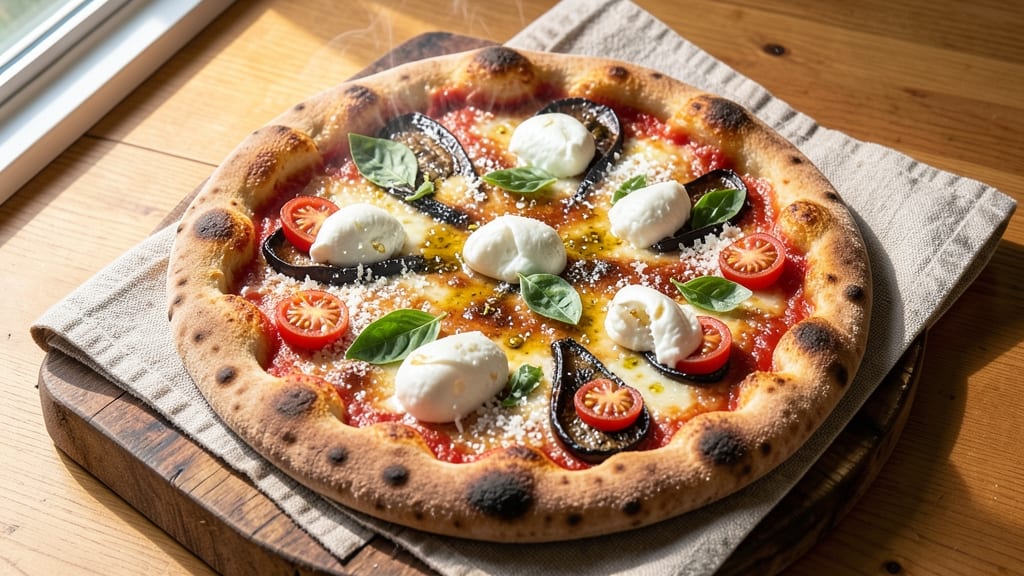
This artisan flatbread pizza recipe delivers the perfect balance of chewy crust and melted cheese magic that rivals your favorite pizzeria. The secret lies in a simple yet precise dough formula that develops flavor during a slow fermentation, creating that signature airy, chewy texture we all crave.
I've perfected this method after countless test batches—each one teaching me something new about achieving that ideal crispy-chewy contrast.
The beauty of this recipe is its versatility—whether you want a classic Margherita or a loaded meat-lover's pie, the flatbread base handles it all.
We'll start with a basic dough that transforms into a canvas for your favorite toppings, then bake it until the crust develops that perfect golden-brown char while the cheese bubbles and stretches. The result?
A pizza that's crisp enough to hold toppings but tender enough to fold, with a flavor depth that comes from proper technique and quality ingredients.
What sets this apart from typical recipes is the attention to detail in both dough preparation and baking. We'll use a combination of high-gluten flour and olive oil for that authentic artisanal texture, then bake it in a way that mimics wood-fired results at home.
The key moments—proper dough hydration, shaping without tearing, and achieving the right oven temperature—make all the difference between good pizza and extraordinary pizza.
This method works beautifully for both traditional and creative toppings, from classic combinations to unexpected flavor pairings. The flatbread's flexibility means you can adapt it to dietary needs or seasonal ingredients while maintaining that perfect texture.
Let's get started on creating your own restaurant-quality pizzas at home—one chewy, flavorful bite at a time.
Ingredients for artisan flatbread pizza
This dough formula transforms simple pantry staples into chewy, wood-fired-inspired pizza magic.
| Ingredient | Amount | Notes |
|---|---|---|
| High-Gluten Flour 🌾 | 3 cups | For authentic artisanal texture |
| Active Dry Yeast 🍞 | ¼ tsp | Fresh yeast if preferred |
| Granulated Sugar 🍚 | ½ tsp | Feeds yeast activation |
| Extra-Virgin Olive Oil 🫒 | ½ cup | High quality, fruity |
| Warm Water 💧 | 1 ¼ cups | 110°F for yeast activation |
| Diamond Crystal Kosher Salt 🧂 | 1 ½ tsp | Fine grain preferred |
| San Marzano Crushed Tomatoes 🍅 | 14 oz | Canned, high-quality |
| Fresh Mozzarella Cheese 🧀 | 8 oz | Low-moisture alternative |
| Fresh Basil Leaves 🌿 | ¼ cup | Packed, stems removed |
| Garlic Cloves 🧄 | 3 cloves | Peeled, minced |
| Dried Oregano 🍃 | 1 tsp | Mexican oregano preferred |
| Ground Black Pepper 🌶️ | ½ tsp | Freshly ground |
| Freshly Grated Parmesan Cheese 🧀 | ¼ cup | From block preferred |
| Cornmeal 🌽 | ¼ cup | For dusting work surface |
The high-gluten flour is non-negotiable here—it's what gives that signature crispy-chewy contrast. King Arthur or Caputo are my go-tos, but any high-protein flour (12-14%) will work. The yeast needs to be fresh, so check the date on that little packet—old yeast won't activate properly. For the olive oil, California avocado oil works too if you prefer a neutral flavor. The San Marzano tomatoes? Worth the splurge for that sweet, rich flavor that makes all the difference in the sauce. Grab the whole can—you'll want it for future batches.
No high-gluten flour? All-purpose plus 1 tbsp vital wheat gluten gets you close. Fresh mozzarella is ideal, but low-moisture shredded works in a pinch—just drain it well. The basil can be dried (use half the amount), but fresh is absolutely essential for that bright, fresh flavor. Short on garlic? Garlic powder at half the amount works, but nothing beats the real thing. For the Parmesan, grate it yourself from a wedge—pre-grated has anti-caking agents that make it taste like sawdust. The cornmeal is just for dusting, but it prevents sticking like a dream.
This dough needs time—let it ferment for at least 2 hours (overnight is ideal). Store it wrapped in plastic in the fridge for up to 3 days. The sauce keeps for 5 days in the fridge, and the cheese can be prepped ahead too. For the perfect bake, preheat your oven to 500°F with a pizza stone or baking sheet inside. The crust stays fresh for 2 days if wrapped tightly, but honestly? It's best eaten fresh from the oven.
Why You'll Love This Recipe
- No-Knead Magic: Honestly, I can mix this dough in 5 minutes flat—just flour, yeast, and water. The high-gluten flour does all the work, stretching and puffing up while I toss toppings together. No stand mixer, no fuss, just pure dough satisfaction.
- Crispy-Chewy Perfection: That golden edge with a pillowy center? It’s the olive oil and sugar working their magic. The dough’s chew gives way to a crispy crust that holds up to anything—marinara, fresh mozzarella, or even just a drizzle of honey and chili flakes.
- Weeknight Wonder: Between us, this is my go-to for busy nights. I make a double batch on Sundays, freeze half, and reheat slices in seconds. Perfect for lunchboxes, game-day snacks, or when I’m too tired to order in.
- Budget-Friendly Flex: Five ingredients, endless possibilities. Use it for pizza, flatbreads, or even garlic knots—no wasted dough. And because it’s so simple, I can afford to splurge on fancy toppings without breaking the bank.
Step-by-step instructions for artisan flatbread pizza
Transform simple ingredients into restaurant-quality pizza with this foolproof method.
Activate the Yeast and Create the Dough
In a large bowl, combine the 1.25 cups warm water (around 110°F), 0.5 tsp granulated sugar, and 0.25 tsp active dry yeast. Let sit for 5-10 minutes until frothy—this confirms your yeast is alive and ready to work. If it doesn't bubble, start fresh with a new yeast packet.
Add the 3 cups high-gluten flour and 1.5 tsp diamond crystal kosher salt to the bowl. Mix with a wooden spoon until a shaggy dough forms. Then, drizzle in the 0.5 cup extra-virgin olive oil and knead by hand for 8-10 minutes until smooth and elastic. The dough should feel slightly tacky but not sticky—if it's too wet, add 1 tablespoon flour at a time until it comes together.
Here's the thing—high-gluten flour develops gluten faster than all-purpose, so don't overwork it. You're aiming for a dough that springs back when poked but still feels pliable. Shape into a ball, lightly oil the bowl, cover with a damp towel, and let rise at room temperature for 1-2 hours or until doubled in size. This slow rise creates that signature chewy texture we're after.
Prepare the Tomato Sauce and Prep Toppings
While the dough rises, make the sauce by combining the 14 oz san marzano crushed tomatoes, 1 tsp dried oregano, 0.5 tsp ground black pepper, and 3 cloves minced garlic in a small saucepan. Simmer over medium-low heat for 10-12 minutes until thickened—it should coat the back of a spoon. Season with additional salt if needed, then remove from heat and stir in 0.25 cup freshly grated parmesan cheese. This gives the sauce depth and richness.
Tear the 8 oz fresh mozzarella cheese into small, irregular pieces—this creates that perfect pull-apart texture. Chop the 0.25 cup fresh basil leaves and set aside. Preheat your oven to 475°F with a pizza stone or baking sheet inside. This high heat is crucial for achieving that crispy, blistered crust we want.
Shape and Assemble the Flatbread
Punch down the risen dough and divide it into 4 equal balls (about 8 ounces each). On a lightly floured surface, roll each ball into a 10-inch round, keeping the edges slightly thicker than the center. This creates the perfect balance of crispy edges and soft center.
Transfer each flatbread to a piece of parchment paper, then dust the work surface with 0.25 cup cornmeal—this prevents sticking and adds a subtle crunch. Spread a thin layer of the tomato sauce over each flatbread, leaving a ½-inch border for the crust. Here's where the magic happens: sprinkle the mozzarella pieces evenly over the sauce, then finish with a few basil leaves and a crack of black pepper.
Bake to Perfection
Carefully transfer each assembled flatbread (with parchment) onto the preheated stone or baking sheet. Bake for 12-15 minutes until the crust is deep golden brown and the cheese is bubbling and slightly charred in spots. The edges should be crispy while the center remains tender—this is the hallmark of a great flatbread pizza.
Remove from the oven and let rest for 2-3 minutes before slicing. This resting period allows the cheese to set slightly, preventing a runny mess. Serve immediately with extra basil leaves and a sprinkle of freshly grated parmesan cheese on top. Each bite should deliver that perfect combination of crispy crust, melted cheese, and vibrant tomato sauce.
Pro Tips For Making Artisan Flatbread Pizza
- STRETCH THE DOUGH BY HAND: I learned this the hard way—skip the rolling pin for high-gluten dough. Instead, gently press and stretch from the center outward with your fingertips, rotating the dough as you go. The gluten develops better this way, and you’ll avoid that tough, dense texture that comes from overworking it with a pin.
- USE WARM WATER, NOT HOT: I was skeptical until I tried it: warm water (around 100°F) activates the yeast faster than cold water without killing it. Test it by dipping your finger in—it should feel like bathwater, not scalding. Cold water makes you wait twice as long for the dough to rise properly.
- DON’T SKIP THE SECOND RISE: After shaping, let the dough rest uncovered for 20-30 minutes at room temp. This isn’t just about flavor—it lets the gluten relax so the pizza doesn’t shrink into a sad, puckered mess when it hits the heat. (Yes, even if you’re impatient like me.)
- OIL THE STONE BEFORE BAKE: Drizzle your pizza stone or peel with extra-virgin olive oil right before baking—about 2 tablespoons, spread thin. The crust will crisp faster and develop that golden, charred edge you’re after, without sticking like glue. (Pro move: Use a pastry brush for even coverage.)
Perfect pairings for these flavors
Classic Wine Pairings
A crisp Pinot Grigio from Italy is my go-to pairing—its bright acidity cuts through the rich tomato sauce and melted cheese beautifully. Look for one from Alto Adige or Friuli-Venezia Giulia regions, where cool climates produce wines with perfect balance.
Serve slightly chilled (45-50°F) to complement the pizza's vibrant flavors without overpowering them. 🍷
For a red wine option, try a Chianti Classico from Tuscany—its medium body and cherry notes harmonize with the tomato sauce while the earthy tannins stand up to the cheese.
I recommend Castello di Volpaia or Antinori for quality. Let the wine breathe for 30 minutes before serving to soften its tannins.
Beer Complements
A Peroni or Birra del Borgo Italian lager is perfect for balancing the richness of the pizza. The crisp, clean finish refreshes your palate between bites. For craft beer lovers, a Belgian witbier like Hoegaarden adds a citrusy contrast that pairs surprisingly well with the basil and tomato flavors.
If you prefer hoppier options, a light American pale ale with subtle malt sweetness works too—just avoid heavy IPAs that could overpower the delicate flavors. I like Allagash White for its balanced citrus and spice notes.
Non-Alcoholic Options
For a refreshing non-alcoholic pairing, try a sparkling blood orange soda like San Pellegrino Aranciata Rossa. The citrus notes enhance the basil and tomato flavors while the bubbles cleanse your palate. Serve chilled over ice for the best experience.
Another great option is Italian mineral water with a splash of Aperol (just 1 oz per glass)—the bitterness balances the richness of the cheese and crust. I keep a bottle of San Pellegrino Limone on hand for a zesty alternative.
Seasonal Side Dishes
A simple arugula salad with lemon vinaigrette adds freshness to your meal. Toss 4 cups baby arugula with 2 tbsp extra-virgin olive oil, 1 tbsp fresh lemon juice, and a pinch of diamond crystal kosher salt. The peppery bite cuts through the richness beautifully. 🥗
For a heartier option, serve with garlic knots made from the same dough. Brush them with olive oil and bake alongside the pizza—they'll be perfectly crispy and ready to dip in extra sauce.
Dessert Pairings
Finish your meal with affogato—vanilla gelato drowned in a shot of espresso. The contrast between the warm, bitter coffee and cold, creamy dessert cleanses your palate after the rich pizza. I love Giolitti gelato for its authentic Italian flavor.
For a lighter option, try limoncello sorbet with fresh berries. The citrus notes echo the basil in your pizza while the tartness balances the meal. Serve in small scoops to avoid overwhelming the pizza flavors.
Nutrition facts
Frequently asked questions
Can I make this flatbread pizza without a pizza stone?
Use a preheated baking sheet or even a cast iron skillet for that crispy crust. For best results, place the sheet on the lowest oven rack to get maximum heat circulation. A perforated pizza peel with parchment paper also works well—just transfer carefully to avoid tearing.
How do I get the perfect crispy-chewy crust every time?
The secret is in the dough hydration and baking method. Use high-gluten flour (12-14% protein) and keep your dough slightly tacky but not sticky. Bake at 475°F on a preheated stone or sheet until the edges are deep golden brown with slight char. The 2-3 minute rest after baking helps set the texture too!
Can I make this dough ahead of time?
Yes! The dough keeps well in the fridge for up to 3 days wrapped tightly in plastic. Let it sit at room temperature for 1 hour before shaping to bring it back to ideal consistency. For longer storage, freeze the shaped dough balls for up to 1 month—thaw overnight in the fridge before using.
What if my pizza turns out too dense?
Dense pizza usually means overworked dough or insufficient yeast activation. Make sure your yeast is fresh and your water is 110°F (not hotter). Also check your flour protein—high-gluten flour creates better texture. If the dough feels tough, try adding 1 extra tablespoon olive oil to make it more pliable.
What are some creative topping ideas beyond classic Margherita?
Try a spicy arrabbiata with tomato sauce, chili flakes, and pepperoni, or a Mediterranean with roasted red peppers, artichokes, and feta. For something unexpected, add caramelized onions and goat cheese with a drizzle of balsamic glaze. The flatbread's flexibility handles both traditional and gourmet combinations beautifully!