
Side Dishes
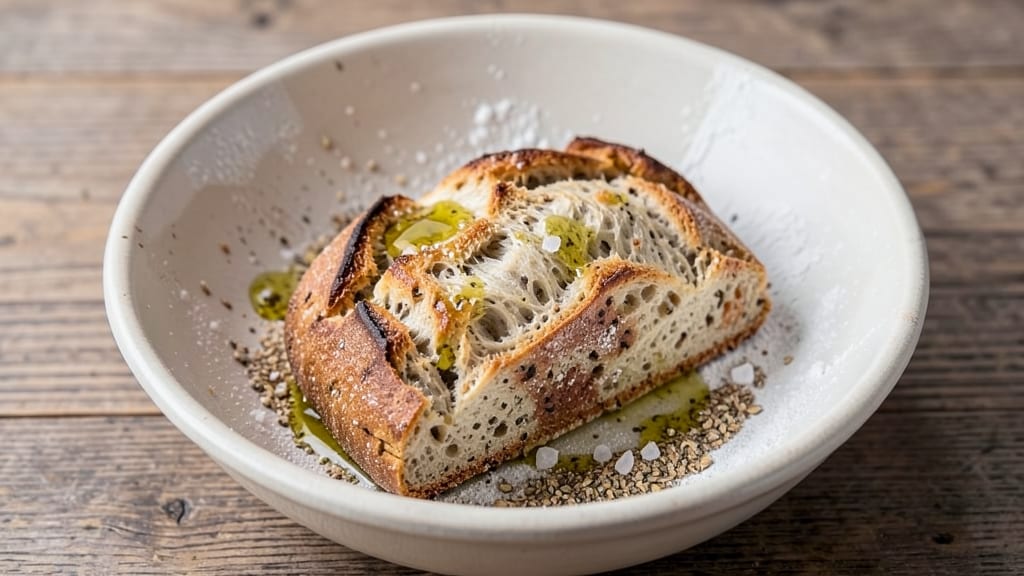
Transforming sourdough discard into this artisan sourdough discard bread recipe is the perfect way to reduce waste while creating bread with unmatched flavor and texture. This recipe turns your starter scraps into golden-crusted, airy loaves with a crisp exterior and tender crumb—no special equipment required beyond a Dutch oven.
The key lies in balancing hydration, fermentation time, and baking techniques to achieve professional results at home.
What sets this method apart is the two-stage fermentation process, where discard is carefully activated before being incorporated into the dough. Using a mix of bread flour and whole grains adds depth to the flavor while maintaining an open crumb structure.
Whether you shape it into a classic boule or a rustic batard, the dough's elasticity and strength come from proper kneading and proofing techniques that develop gluten without overworking the mixture.
Baking with steam creates that signature cracked crust and oven spring, while the Dutch oven traps moisture for an even bake. The result is a loaf with a crisp, caramelized exterior and a soft, airy interior—just like your favorite bakery bread.
This method also accommodates flavor variations, from seeds and nuts to herbs and spices, making every batch unique.
Perfect for bakers who want to minimize waste while elevating their bread game, this recipe delivers restaurant-quality results with minimal effort. Whether you're a seasoned baker or just starting, the step-by-step process ensures success every time. Let's get started on creating your perfect loaf.
Ingredients for artisan sourdough discard bread
Transform your sourdough scraps into golden-crusted loaves with this no-waste, vegan-friendly recipe.
| Ingredient | Amount | Notes |
|---|---|---|
| Active Sourdough Discard 🍞 | 1 cup | With active bubbles, 100% hydration |
| Bread Flour 🌾 | 3 cups | High-protein, 12-14% protein |
| Whole Wheat Flour 🌾 | 1 cup | Adds depth and texture |
| Water 💧 | 1 ½ cups | Room temperature, 75°F |
| Salt 🧂 | 1 ½ tsp | Diamond Crystal preferred |
| Olive Oil 🫒 | 1 tbsp | Extra-virgin for richness |
| Flaxseed Meal 🌱 | 1 tbsp | For vegan egg replacement |
| Sesame Seeds 🌿 | 1 tbsp | For crust decoration |
| Ice Cubes ❄️ | 1 cup | For steam in Dutch oven |
The sourdough discard is the star here—it needs to be active with visible bubbles and fresh (within 24 hours). King Arthur or Bob’s Red Mill bread flours work best for structure, while the whole wheat adds nutty depth. If your discard is sluggish, feed it 1 tbsp flour + 1 tbsp water 4 hours before using. The flaxseed meal mimics egg’s binding power, creating a tender crumb without dairy. For extra flavor, toast the sesame seeds in a dry pan before sprinkling—Trader Joe’s has the best-priced bulk option.
No sesame seeds? Poppy seeds or toasted oats work just as well for decoration. Running low on flaxseed? Chia seeds at double the amount (2 tbsp) bind equally. The olive oil can be swapped for melted vegan butter if you prefer richness. For a lighter loaf, reduce whole wheat to ½ cup and add ½ cup all-purpose flour. The ice cubes create steam—critical for that bakery-style crust. Pro tip: Use a kitchen scale for precise measurements, especially with flours.
This dough is best baked fresh but can be shaped and refrigerated overnight for 24 hours. For longer storage, freeze shaped loaves (unbaked) for up to 3 months—thaw at room temp before baking. The crust stays crisp for 2 days at room temperature, or freeze slices for toast. Leftovers? Toast with olive oil and flaky salt—game-changer for sandwiches.
Why You'll Love This Recipe
- No Waste, Big Payoff: I’ll be real—this recipe turned my sourdough discard from a chore into my secret weapon. That tangy, chewy crumb? Pure magic from just a handful of ingredients I already had.
- Tangy-Chewy Magic: Between us, the whole wheat adds a nutty depth while the discard brings that unmistakable sourdough punch. It’s not just bread—it’s the kind of flavor that makes you pause mid-bite.
- Weeknight Workhorse: I bake a batch every Sunday because it’s my go-to for sandwiches, toast, or even croutons. Honestly, I’ve used it for everything from breakfast to dinner—no fancy prep, just reliable good.
- Budget-Friendly Staple: This recipe costs me pennies per loaf, and the leftovers last forever. Freeze slices for quick toast or pack them in lunches—zero guilt, all satisfaction. (Yes, even on a Tuesday night.)
Step-by-step instructions for artisan sourdough discard bread
Transform your sourdough starter scraps into crusty, golden loaves with this no-waste, flavor-packed method.
Mix the Hydrated Dough with Precision
In a large mixing bowl, combine the 1 cup active sourdough discard with the 1.5 cups room-temperature water. Stir gently to dissolve any thick spots, then add the 1 tbsp flaxseed meal and mix until fully incorporated. This creates a vegan egg substitute that binds the dough beautifully.
Next, whisk together the 3 cups bread flour, 1 cup whole wheat flour, and 1.5 tsp salt in a separate bowl. Gradually add this dry mixture to the wet ingredients while stirring with a wooden spoon. The dough will be shaggy at first—this is normal. Once combined, add the 1 tbsp extra-virgin olive oil and mix until just unified. Avoid overmixing, as this develops gluten too early and can make the final bread dense.
Develop Gluten Through Strategic Folding
Lightly oil your hands and the work surface, then transfer the dough to a clean counter. Wet your hands again and perform a series of stretch-and-folds every 30 minutes for 2 hours. To do this, grab one side of the dough, stretch it upward, and fold it over itself. Rotate the dough a quarter turn and repeat on all four sides. This builds strength without overworking the dough.
After the final fold, let the dough rest for 20 minutes. It should feel smooth and slightly tacky but not sticky. If it's too wet, add 1 tablespoon bread flour at a time until it reaches the perfect consistency—just sticky enough to hold its shape when pressed lightly but not so sticky it sticks to your fingers.
Shape and Proof the Dough for Maximum Rise
Divide the dough into 4 equal pieces (about 8 ounces each). Gently shape each into a loose round by cupping your hands and pulling the dough toward you. Rotate the dough as you work to create surface tension. Place the shaped dough on a floured surface, cover with a damp towel, and let rest for 15 minutes to relax the gluten.
After resting, reshape each piece into a tight boule (round) by pulling the edges toward the center and tucking them under. Place the boules seam-side up on a floured baking sheet, cover again, and let proof at room temperature for 1 to 2 hours, or until they've nearly doubled in size. The dough should feel springy when pressed gently—this is your signal it's ready for the oven.
Bake with Steam for Crusty Perfection
Preheat your oven to 450°F with a Dutch oven inside for 45 minutes. Remove the Dutch oven and place the 1 cup ice cubes in the bottom to create steam. Carefully transfer the shaped boules into the hot Dutch oven, cover, and bake for 20 minutes. This steam phase is crucial—it creates that signature open crumb and crispy crust.
After 20 minutes, remove the lid and bake for another 15 to 20 minutes, until the bread is deep golden brown and sounds hollow when tapped on the bottom. If the tops brown too quickly, tent loosely with foil. For extra crunch, sprinkle the 1 tbsp sesame seeds evenly over the loaves during the final 5 minutes of baking.
Cool and Enjoy the Fruits of Your Labor
Remove the bread from the Dutch oven and let it cool on a wire rack for at least 1 hour before slicing. This resting period allows the crumb to set and prevents a gummy texture. The aroma alone will make your kitchen smell like a Parisian boulangerie—worth the wait!
Slice into thick pieces and serve warm with cultured butter or olive oil for dipping. Each bite should deliver a perfect balance of crispy crust, airy crumb, and subtle nutty notes from the whole wheat flour. Store any leftovers in an airtight container for up to 3 days, or freeze for longer storage. This method proves that sourdough discard isn't waste—it's the secret to extraordinary bread.
Pro Tips For Making Artisan Sourdough Discard Bread
- WEIGH YOUR DISCARDS: I learned this the hard way—eyeballing sourdough discard leads to dense, gummy loaves. Use a scale for both the discard and water (100% hydration is key here). Whole wheat absorbs differently, so don’t skimp on the water; stretch it to 75-80% hydration total if the dough feels dry.
- STRETCH AND FOLD AT ROOM TEMP: Cold discard slows fermentation and makes gluten development a struggle. Let your discard sit out for 30-60 minutes before mixing—just until it’s warm to the touch. Your dough will handle the stretch-and-folds better, and you’ll see that elastic windowpane test sooner.
- SKIP THE WHOLE WHEAT IF IT’S TOO STRONG: That bold, nutty whole wheat flavor can overpower the sourdough tang if you’re not used to it. Start with 10% whole wheat (or even less) and adjust to taste. Save the 20-30% for when you’re confident—otherwise, you’ll end up with a bread that tastes like oatmeal.
- STEAM THE OVEN FOR 10 MINUTES: No Dutch oven? No problem. Place a metal tray on the lower rack, pour boiling water in it, then bake. The steam mimics the Dutch oven’s effect—crisp crust, soft interior. Just remove the tray after 10 minutes to avoid soggy bottoms. (Yes, even if you’re impatient like me.)
Flavor customization for this artisan sourdough discard bread
Sweet Additions
Transform your sourdough discard bread into a delightful breakfast loaf by adding 1 tbsp honey or 2 tbsp maple syrup to the dough during mixing. The natural sweetness caramelizes beautifully in the oven, creating a subtle molasses-like depth.
For extra richness, fold in ¼ cup chopped dried figs or raisins—these plump during baking and add chewy texture. I love using Trader Joe’s organic dried cranberries for a tart contrast. 🍯
Herb-Infused Variations
Brighten your loaf with fresh herbs that release aromatic oils during baking. Finely chop 2 tbsp fresh rosemary or thyme and mix it into the dough before shaping.
For a Mediterranean twist, add 1 tbsp dried oregano and 1 tsp lemon zest—the citrus pairs perfectly with the nutty whole wheat. I recommend using Penzeys Spices for high-quality dried herbs. Toast the herbs lightly in olive oil before adding for intensified flavor.
Seed and Nut Mix-Ins
Boost texture and nutrition with a 1:1 ratio seed/nut blend—try 1 tbsp sunflower seeds and 1 tbsp chopped walnuts for crunch. For a savory loaf, use 1 tbsp toasted pumpkin seeds and 1 tbsp sesame seeds (double the sesame if using for topping).
I like toasting the seeds in a dry pan with a pinch of salt before mixing into the dough. For a vegan "everything bagel" flavor, add 1 tsp onion powder and 1 tsp garlic powder alongside the seeds. 🌱
Spiced and Smoky Flavors
Add warmth with ½ tsp smoked paprika or ¼ tsp cinnamon—both infuse the dough with subtle depth. For a spicy kick, mix in ½ tsp cayenne pepper or 1 tsp crushed red pepper flakes. My go-to is 1 tsp ground coriander for a Middle Eastern-inspired twist.
For smoky flavor without heat, use ½ tsp liquid smoke (like Alaskan Smokehouse brand) in the water during mixing. Balance with a pinch of sugar to enhance caramelization.
Whole Grain Boosters
Swap out half the bread flour for oat flour or spelt flour to create a heartier loaf. Oat flour adds a subtle sweetness, while spelt delivers a nutty, ancient-grain flavor.
For a rustic texture, replace ½ cup whole wheat flour with ½ cup cracked wheat berries—they stay chewy and add visual appeal. I prefer Bob’s Red Mill for pre-ground whole grains. If using cracked wheat, soak it in warm water for 30 minutes before mixing to improve hydration.
Cheese-Inspired Vegan Twists
Add a tangy, umami kick with 2 tbsp nutritional yeast—it mimics the savory depth of cheese. For a richer flavor, mix in ¼ cup vegan parmesan (like Follow Your Heart brand) during the final kneading stage.
I also love adding 1 tbsp miso paste to the water for a fermented umami boost. For a herby cheese alternative, blend 2 tbsp fresh dill or chives into the dough. These additions work beautifully in sandwich loaves or as a base for vegan grilled cheese. 🧀
Nutrition facts
Frequently asked questions
Can I use this recipe with store-bought sourdough starter?
Yes, but only if it's an active, bubbly discard from a 100% hydration starter. Store-bought starters often contain additives that may affect fermentation. Look for starters labeled "100% hydration" or "wild fermentation" at specialty bakeries—these work best. If your discard is sluggish, feed it 1 tbsp flour + 1 tbsp water 4 hours before using to revive it.
Why does my sourdough discard bread turn out dense?
Dense bread usually means overproofing or underdeveloped gluten. Check your proofing time—the dough should double in size and feel springy when pressed gently. For gluten development, perform 3-4 sets of stretch-and-folds during the 2-hour rest period. Also ensure your discard is active (bubbly) and your flour is high-protein (12-14% protein). If the dough feels too slack, add 1 tbsp bread flour at a time until it holds its shape.
Can I make this bread without a Dutch oven?
Use a heavy oven-safe pot with a lid instead. Place the pot on the middle rack, add 1 cup ice cubes to the bottom, and cover tightly for the first 20 minutes to create steam. For extra crustiness, bake on a preheated pizza stone or steel. If you don't have either, bake on a regular baking sheet but expect a slightly less crisp crust.
How do I store leftover sourdough discard bread?
For freshness, wrap cooled loaves in a beeswax wrap or airtight container. The crust stays crisp for 2 days at room temperature, while the crumb remains soft. For longer storage, freeze sliced bread for up to 3 months. To reheat, wrap slices in foil and warm at 350°F for 5-7 minutes. For toast, freeze slices directly—this preserves crispiness perfectly.
Can I substitute whole wheat flour with something else?
Yes! For a lighter texture, replace the 1 cup whole wheat with ½ cup oat flour or ½ cup spelt flour. Both add nutty flavor without the heavier texture. If you prefer a rustic look, use ½ cup cracked wheat berries (soaked for 30 minutes first). Avoid rye flour—it can make the dough too heavy. For a sweeter variation, swap half for whole grain cornmeal.