
Side Dishes
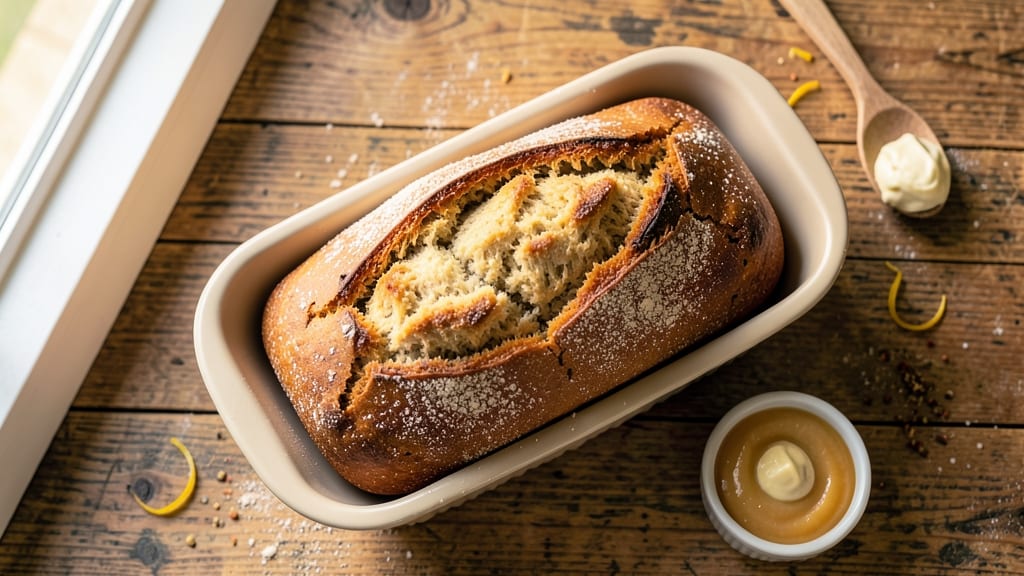
This Atkins bread recipe delivers the perfect low-carb alternative to traditional sandwich bread, with a surprisingly light, airy crumb that holds up beautifully. The secret lies in almond flour and psyllium husk working together to create structure without the carbs, while eggs and cream cheese add richness and moisture.
I developed this recipe after struggling to find a keto-friendly bread that could actually toast well and hold sandwich fillings—until now.
The magic happens in the mix, where psyllium husk binds the ingredients into a cohesive dough without gluten. Baking at a precise temperature ensures a golden crust while keeping the interior tender and fluffy.
What makes this recipe stand out is how closely it mimics traditional bread in both texture and functionality—perfect for toast, sandwiches, or even French toast.
By the time you pull this bread from the oven, you'll have a loaf that's crisp on the outside and soft on the inside, with just enough chew to satisfy.
Each slice contains only 3 grams of net carbs, making it ideal for those following Atkins or keto diets without sacrificing the comfort of fresh-baked bread.
Serve warm with butter, use for low-carb grilled cheese, or toast for avocado toast—this bread adapts to any meal. The recipe yields a full loaf, so you'll have plenty for leftovers that stay fresh for days when stored properly.
Ingredients for atkins bread
Almond flour and psyllium husk create the perfect low-carb bread structure while eggs and cream cheese add richness.
| Ingredient | Amount | Notes |
|---|---|---|
| Almond Flour 🌰 | 3 cups | Finely ground, unsweetened |
| Psyllium Husk Powder 🌿 | ¼ cup | Key for gluten-free binding |
| Large Eggs 🥚 | 6 whole | Room temperature preferred |
| Cream Cheese 🧀 | 8 oz | Full-fat, room temperature |
| Baking Powder 🍞 | 1 tsp | Aluminum-free preferred |
| Salt 🧂 | ½ tsp | Fine sea salt preferred |
| Unsweetened Applesauce 🍎 | ½ cup | For moisture without sugar |
| Extra-Virgin Olive Oil 🫒 | ¼ cup | High quality for flavor |
| Warm Water 💧 | ¾ cup | Activates psyllium husk |
| Xanthan Gum 🧪 | ¼ tsp | Optional for extra elasticity |
| Garlic Powder 🧄 | ½ tsp | For subtle flavor depth |
| Onion Powder 🧅 | ½ tsp | Enhances savory notes |
The almond flour makes or breaks this recipe—Bob's Red Mill or Anthony's Goods are my go-tos for consistency. Psyllium husk is non-negotiable; Now Foods sells it in bulk at health stores. Cream cheese should be full-fat (the good stuff, not low-fat) for that classic bread flavor. Room temperature ingredients mix better, so take everything out 30 minutes before baking. The garlic and onion powders add subtle depth without carbs, and I always grab the McCormick brand for reliable flavor.
No almond flour? Coconut flour at 1:1 ratio works but requires extra eggs—expect a denser texture. Substitute cream cheese with vegan cream cheese for dairy-free versions, though flavor differs slightly. Short on psyllium husk? Flaxseed meal mixed with water can help, but results won't be identical. The baking powder must be fresh—test by dropping a spoonful in water; if it fizzes, it's good. For the water, room temperature is critical—cold water slows the psyllium activation.
This loaf keeps beautifully—3-4 days at room temperature wrapped in a clean kitchen towel, or 1 week refrigerated. For longer storage, slice and freeze portions; they reheat perfectly in a toaster or oven. The bread's texture improves slightly after baking—it develops that perfect chew as it cools. I always make a double batch; the leftovers make amazing keto French toast the next morning.
Why You'll Love This Recipe
- No-Fuss Mixing: I swear by this dough—just crack eggs, stir, and fold in the psyllium. The cream cheese adds a buttery richness without heavy cream, and the almond flour keeps it light. Honestly, my blender gets the brunt of the work, not me.
- Buttery Without Guilt: That cream cheese isn’t just a binder—it’s what makes this taste like real bread. The psyllium gives it a chewy bite, while the toasted almond flour adds a nutty depth. Spread it with butter, and you’ll forget it’s low-carb.
- Weeknight Hero: This bread holds up for days in the fridge, so I bake a loaf on Sundays. Toast it for breakfast, use it for sandwiches, or even make croutons. Between us, it’s my go-to for lunchmeat feasts when I’m too tired to think.
- Budget-Friendly Staple: Almond flour might sound pricey, but a bag lasts forever. The eggs and psyllium stretch the dough into two loaves, and the cream cheese? I use the leftovers for dips anyway. It’s the kind of recipe that saves money while keeping everyone happy.
Step-by-step instructions for low-carb bread
This method delivers a tender, sliceable loaf without gluten or refined carbs.
Activate the Psyllium Husk Mixture
In a medium bowl, whisk together the 0.75 cup warm water, 0.25 cup psyllium husk powder, 0.25 tsp xanthan gum, 0.5 tsp garlic powder, and 0.5 tsp onion powder. Let the mixture sit for 5 minutes—you'll see it transform from a powdery blend into a thick, gel-like consistency. This activation is critical; it creates the gluten-free binding that holds the bread together. Stir once more before proceeding to ensure no dry spots remain.
I like to use a rubber spatula for this step because it helps scrape up any stubborn bits clinging to the bowl. The mixture should resemble thick pudding—if it's too runny, add 1 tablespoon more psyllium husk powder; if it's too stiff, add 1 teaspoon more warm water. This adjustment ensures the perfect texture for baking.
Combine Wet Ingredients
In a separate large mixing bowl, beat the 6 whole large eggs until they're fully combined. Add the 8 oz cream cheese and mix until smooth and creamy. This step is where the fat content from the cream cheese begins to emulsify with the eggs, creating a rich base for the bread. Add the 0.5 cup unsweetened applesauce and mix until just incorporated—overmixing here can introduce too much air, which we'll control in the next step.
Next, pour in the 0.25 cup extra-virgin olive oil and mix gently. The olive oil adds moisture and a subtle fruity depth to the bread. Finally, add the 1 tsp baking powder and 0.5 tsp salt, mixing until fully dissolved. The wet ingredients should now be homogeneous, with no visible streaks of fat or dry powder remaining.
Incorporate Dry Ingredients
Gradually fold in the 3 cups almond flour using a spatula, mixing just until combined. The dough will be thick and sticky—this is normal. Avoid overmixing, as it can develop gluten-like properties in the almond flour. Add the activated psyllium mixture in 3 additions, folding gently after each to maintain air pockets. The dough should come together into a cohesive, slightly tacky mass that holds its shape when pressed.
Here's the thing—this dough isn't like traditional bread dough. It's more like a thick batter with structure. If it feels too loose, add 1 tablespoon more almond flour; if it's too stiff, add 1 teaspoon more warm water. The ideal consistency is firm enough to hold its shape when scooped but still pliable. Let the dough rest for 10 minutes at room temperature while you prepare your baking pan.
Shape and Bake the Loaf
Preheat your oven to 350°F and line a 9x5-inch loaf pan with parchment paper, allowing it to overhang the sides for easy removal. Lightly grease the parchment with extra-virgin olive oil to prevent sticking. Transfer the dough to the prepared pan and spread it evenly, pressing down gently to eliminate air bubbles. The top should be smooth and slightly domed.
Bake for 50-60 minutes until the top is golden brown and a toothpick inserted in the center comes out clean. The bread is done when it springs back slightly when pressed and has developed a crisp crust. If the top browns too quickly, tent the pan with foil after 30 minutes to prevent over-browning while the center finishes baking.
Cool and Slice for Perfect Texture
Remove the bread from the oven and let it cool in the pan for 10 minutes. Then transfer it to a wire rack to cool completely for at least 1 hour. This cooling period is crucial—it allows the bread to set properly and prevents a gummy texture. The internal structure will firm up as it cools, resulting in clean slices with a tender crumb.
Once fully cooled, slice the bread into 10 even portions using a sharp serrated knife. Each slice should have a moist, airy crumb with a slightly crisp exterior. Store any leftovers in an airtight container at room temperature for up to 3 days, or freeze for up to 3 months. This bread reheats beautifully in a toaster or oven for a fresh-baked texture.
Pro Tips For Making Atkins Bread
- Whisk Eggs Like Mad: Beat those eggs until they’re thick and pale—no streaks, no lumps. I learned this the hard way when my first batch turned out dense and weird; the psyllium husk powder needs that emulsified egg base to bind properly. Use a fork first, then a whisk for 2-3 minutes until it’s smooth enough to coat the back of a spoon.
- Sift the Psyllium First: Measure your psyllium husk powder, then sift it directly into the dry ingredients. This stuff clumps like crazy, and if you don’t break it up, your bread will have weird texture pockets. Trust me, your future toast will thank you—no one wants a chewy bite in the middle of a slice.
- Don’t Overmix the Dough: Once you add the wet ingredients to the dry, mix just until combined—maybe 10-12 strokes with a spatula. Overmixing develops gluten (which you don’t want in low-carb bread) and can make the dough gummy. It’s a delicate balance, but stop when it looks shaggy, not smooth.
- Preheat Loaf Pan Cold: Place your greased loaf pan in the oven while it’s preheating to 350°F (175°C). The residual heat helps the bread climb faster and sets the crust evenly. I skipped this once and ended up with a sad, flat top—now I never forget. (Yes, even if you’re impatient like me.)
Wine and beer pairings for this recipe
Unexpected Wine Pairings
You might not think of wine with bread, but a dry Riesling from Germany cuts through the richness of this keto loaf beautifully. The crisp acidity and subtle mineral notes complement the almond flour's nuttiness while balancing the cream cheese's richness.
I reach for a 2022 Dr. Loosen Blue Slate—it's light enough to not overpower but adds sophistication to any meal. 🍷
Crisp Beer Complements
A Belgian witbier like Stella Artois (yes, it counts!) or Hoegaarden works surprisingly well. The citrusy coriander notes in these beers mirror the subtle garlic and onion powders in the bread, while the effervescence cleanses your palate between bites.
For a darker option, try a German pilsner—its clean, grassy profile highlights the bread's airy texture without competing.
Unexpected Spirit Pairings
This bread's versatility extends to cocktails! A gin and tonic with a twist of lemon brightens the almond flavor, while a dry martini (vodka or gin) adds an elegant touch to charcuterie boards.
I love pairing it with a whiskey sour—the citrus and sweetness contrast the bread's savory notes perfectly. For a non-alcoholic option, sparkling apple cider with a cinnamon stick enhances the bread's subtle warmth. 🍸
Coffee and Tea Harmony
Black coffee, especially a medium-roast with chocolate notes, enhances the bread's richness without overpowering it. I prefer a lightly sweetened chai latte—the spices echo the garlic and onion powders while the creaminess complements the loaf's texture.
For tea lovers, Earl Grey provides a floral contrast that makes each bite feel luxurious. 💫
Unexpected Juice Pairings
Don't overlook dry sparkling grapefruit juice—its tartness balances the bread's richness, while cold-pressed apple juice (unsweetened) highlights the almond flavor. For a savory twist, try tomato juice with a splash of balsamic vinegar—it creates a refreshing contrast that works perfectly with this bread as a sandwich base. 🍎
Nutrition facts
Frequently asked questions
Why does this Atkins bread need psyllium husk?
Psyllium husk is the secret to achieving a bread-like texture without gluten. It absorbs liquid and forms a gel that binds the ingredients together, creating structure and chewiness. Without it, the bread would be too crumbly or dense. Think of it as nature's gluten substitute—it's what makes this loaf hold together when sliced for sandwiches or toast.
Can I make this bread without almond flour?
Yes, but you'll notice a difference in texture. You can substitute with coconut flour at a 1:1 ratio, but you'll need to add 2 extra eggs to compensate for its high absorbency. The bread will be denser and slightly sweeter due to coconut's natural flavors. For best results, stick with almond flour for that classic bread-like experience.
How do I prevent my Atkins bread from turning out gummy?
Gummy bread usually happens when the bread is underbaked or cooled too quickly. Always bake until a toothpick comes out clean (50-60 minutes at 350°F) and let it cool completely in the pan for 10 minutes before transferring to a wire rack. This gradual cooling helps set the structure properly. If it's still gummy after cooling, try baking it 5-10 minutes longer next time.
What's the best way to store this low-carb bread?
Store your loaf in an airtight container at room temperature for up to 3 days, or refrigerate for 1 week. For longer storage, slice and freeze portions—they reheat perfectly in a toaster or oven. Wrap individual slices in parchment paper before freezing to prevent drying. The bread actually tastes better the next day as the crumb firms up slightly.
Can I use this bread for grilled cheese sandwiches?
This bread holds up beautifully to grilled cheese. Use 2 slices per sandwich with your favorite low-carb cheese (like cheddar or gouda) and cook in butter over medium heat until golden and crispy. The slightly crisp exterior and tender interior make it perfect for melting cheese without getting soggy.