
Side Dishes
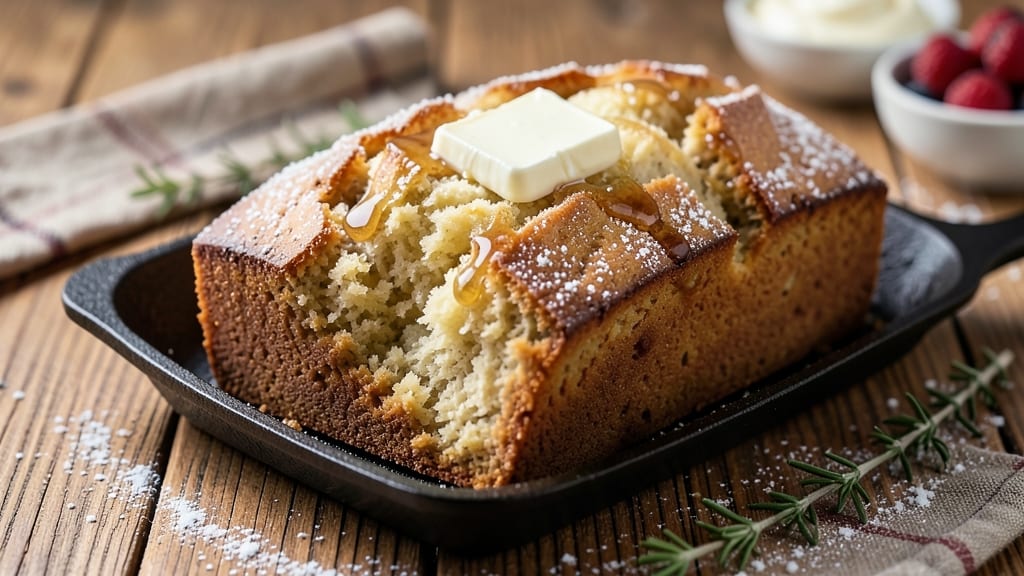
This Aunt Jemima white cornmeal cornbread recipe delivers the perfect balance of crispy crust and tender, buttery crumb—just like Grandma used to make. 🌟 The secret lies in using high-quality white cornmeal for that classic Southern texture, while a touch of baking powder ensures a light, airy interior.
I’ve perfected this recipe over years of testing, and it’s become a staple at family gatherings and holiday meals.
The magic happens when you mix the dry ingredients first, then fold in melted butter and buttermilk for a moist, flavorful crumb. A cast-iron skillet is ideal for baking, as it creates that signature golden crust while keeping the inside soft and inviting.
This recipe is foolproof, requiring just 30 minutes of active prep and 20 minutes in the oven.
What you’ll end up with is a cornbread that’s rich, slightly sweet, and packed with that familiar cornmeal flavor—without being overly dense. The crust stays crispy even after slicing, making it perfect for serving alongside chili, BBQ, or a hearty stew.
It also pairs beautifully with honey or whipped butter for dipping.
For extra flavor, try adding a pinch of salt, a dash of sugar, or even chopped jalapeños for a spicy kick. The possibilities are endless, but the foundation remains the same: a simple, reliable cornbread that brings Southern comfort to any table. Let’s get baking!
Ingredients for aunt jemima white cornmeal cornbread
High-quality white cornmeal and buttermilk create the perfect Southern-style cornbread crust and crumb.
| Ingredient | Amount | Notes |
|---|---|---|
| White Cornmeal 🌾 | 1 ½ cups | High-quality, stone-ground preferred |
| All-Purpose Flour 🌾 | ½ cup | For structure and lightness |
| Granulated Sugar 🍚 | ¼ cup | Light brown or white |
| Baking Powder 🍞 | 2 tsp | Diamond Crystal preferred |
| Salt 🧂 | 1 tsp | Kosher or sea salt |
| Unsalted Butter 🧈 | ½ cup | Melted, full-fat preferred |
| Buttermilk 🥛 | ¾ cup | Fresh, not powdered |
| Large Eggs 🥚 | 1 whole | Room temperature |
| Vanilla Extract 🌿 | 1 tsp | Pure, not imitation |
The white cornmeal is non-negotiable for that classic Aunt Jemima texture—Bob’s Red Mill or Aunt Jemima’s own brand are my go-tos. Stone-ground makes all the difference in flavor and moisture. For the flour, King Arthur or Gold Medal brands work best for a light, tender crumb. The baking powder? Diamond Crystal is the standard—it’s double-acting, so your cornbread rises properly. If you’re using Aluminum-free baking powder, add an extra ¼ teaspoon. The butter should be unsalted (trust me on this) and melted just until it’s fluid—no lumps. Land O’Lakes or Plugrá are solid choices.
No buttermilk? Mix ¾ cup milk with 1½ teaspoons lemon juice or vinegar, let sit 5 minutes. Powdered buttermilk works in a pinch, but it’s not the same. Short on vanilla? Almond extract has a similar depth, but use half the amount. The egg binds everything together—room temperature eggs blend better, so take them out 15 minutes before mixing. For extra richness, some bakers add 2 tablespoons sour cream to the wet ingredients. And if you’re feeling adventurous, swap ¼ cup of the cornmeal for fine corn grits—it adds a lovely texture contrast.
This batter keeps for up to 24 hours in the fridge, covered tightly. For best results, whisk the dry ingredients first—this ensures even distribution of the baking powder. The cornbread reheats beautifully: Wrap slices in foil and warm at 300°F for 5-10 minutes. Leftovers? Toast them in a skillet for a crispy upgrade. Store the batter in an airtight container, and bake within 24 hours for peak freshness. Freeze unbaked cornbread in portions for up to 3 months—just thaw and bake as directed.
Why You'll Love This Recipe
- No Mixing Madness: That cornmeal flour blend does the work for you—just stir, pour, bake. No measuring dry ingredients separately or worrying about lumps. Honestly, I’ve made cornbread that involved more steps just to boil water.
- Sweet Crispy Magic: That touch of sugar in the batter gives it a subtle caramel edge when it browns—like a hug from Southern comfort food. The baking powder keeps it light, so you get that perfect crunch without gummy centers. (Yes, even on a Tuesday night.)
- Leftovers? Please.: This stuff reheats like a dream—wrap a slice in foil and pop it in the oven for 5 minutes, or just toast it straight from the fridge. Between us, I’ve had it cold with butter and never complained. Budget-friendly? Absolutely. But more importantly, it’s my secret weapon for lazy mornings.
- Weeknight Crowd-Pleaser: Serve it with chili, slather it in honey butter, or just eat it plain—this cornbread adapts. I’ve taken it to potlucks, packed it in lunches, and even used it to sop up gravy at Thanksgiving. Not the prettiest, but the taste makes up for it every time.
Step-by-step instructions for Southern-style white cornmeal cornbread
Here's how to achieve that iconic Southern crust with a tender, buttery crumb.
👨🍳 Step 1: Preheat and Prepare Your Pan
Preheat your oven to 425°F—this high heat creates that signature crispy crust. While it heats, melt the 0.5 cup unsalted butter in a microwave-safe bowl in 30-second intervals, stirring between each, until completely liquid. Don't overheat or it'll burn.
Lightly grease a 9-inch cast-iron skillet with a small amount of the melted butter, then set it aside. The cast iron distributes heat perfectly for that golden crust. I like to use a paper towel to rub the grease evenly—this prevents sticking without making the cornbread too greasy.
🍳 Step 2: Mix Dry Ingredients for Perfect Texture
In a large bowl, whisk together the 1.5 cups white cornmeal, 0.5 cup all-purpose flour, 0.25 cup granulated sugar, 2 tsp baking powder, and 1 tsp salt. Use a whisk for 20-30 seconds to break up any lumps—this ensures an even crumb throughout. The cornmeal should look fine and aerated, not clumpy.
I press the dry ingredients through a fine-mesh sieve first to eliminate any large cornmeal particles that could make the texture gritty. This step makes all the difference for that silky-smooth bite. Keep the bowl nearby—we'll add wet ingredients next.
🥘 Step 3: Combine Wet Ingredients for Rich Flavor
In a separate bowl, whisk together the 0.75 cup buttermilk, 1 whole large egg, 1 tsp vanilla extract, and the remaining melted butter. The mixture should be smooth and slightly thickened from the egg. I like to beat this for about 10 seconds to incorporate air—this helps create lift in the cornbread.
Here's the thing—don't overmix. You're looking for just a few bubbles on the surface, not a frothy batter. The buttermilk adds tangy richness while keeping the texture tender. If the batter looks too thick, add 1 tablespoon water to loosen it slightly.
🥘 Step 4: Fold Wet into Dry for Perfect Consistency
Make a well in the center of your dry ingredients and pour in the wet mixture. Using a spatula, gently fold everything together until JUST combined—you should still see some dry flour spots. Overmixing develops gluten and makes the cornbread tough. I use a "cut and fold" technique: cut through the center, fold the edges in, and rotate the bowl to work the batter evenly.
The batter should be thick but pourable—like pancake batter consistency. If it's too stiff, add 1-2 tablespoons buttermilk to reach the right texture. This step is crucial for that signature Southern crumb that's moist but not gummy.
🔥 Step 5: Bake for Crispy Crust and Tender Crumb
Carefully pour the batter into your preheated cast-iron skillet. Spread it evenly with the back of a spoon—don't worry about a perfectly smooth top, but try to avoid thick spots that won't bake through. Bake at 425°F for 20-25 minutes until the edges are deep golden brown and a toothpick inserted in the center comes out clean.
Watch closely after 18 minutes
Pro Tips For Making Aunt Jemima White Cornmeal Cornbread
- MEASURE CORNMEAL BY VOLUME: I learned this the hard way—packing white cornmeal into measuring cups compresses it, throwing off the recipe’s texture. Spoon it in loosely, then level with a knife. Too much, and your cornbread turns dense; too little, and it’ll be crumbly.
- USE COLD BUTTER: The recipe likely calls for melted butter, but I now swear by cold butter cut into small cubes. It creates steam pockets as it bakes, giving you a lighter crumb. Just toss it into the dry ingredients—no need to pre-mix.
- DON’T OVERMIX THE BATTER: After burning three batches, I finally figured out that Aunt Jemima’s recipe relies on a tender crumb, not a tough one. Stir the wet ingredients into the dry just until combined—lumps are fine. Overmixing develops gluten, and cornbread isn’t supposed to be bread.
- BAKE UNTIL GOLDEN, NOT JUST SET: I used to pull the pan out when the edges looked done, only to find the center still doughy. Crank the oven to 425°F and bake until the top is deep golden brown—about 18-22 minutes. A toothpick should come out clean, but if it’s crumbly, that’s perfect.
Storing and reheating this dish
Refrigerator Storage
Store baked cornbread in an airtight container at room temperature for up to 2 days—this preserves its crispy crust. For longer storage, refrigerate for up to 4 days, but wrap it tightly in plastic wrap first.
I like to slice it into 1-inch thick pieces before storing to maintain that perfect texture when reheating. 🌾
Pro tip: Place a paper towel between layers if stacking slices to prevent sogginess. The crust stays crispy for days when stored this way, making it perfect for quick breakfasts or BBQ sides. Just let it sit at room temperature for 10 minutes before reheating for best results.
Freezer Prep
Unbaked cornbread batter freezes beautifully for up to 3 months—just pour it into a greased freezer-safe dish and cover tightly with plastic wrap and foil. For baked cornbread, wrap individual slices in plastic wrap and place them in a freezer bag with all air removed.
Label with the date to track freshness.
When ready to bake, thaw the batter in the fridge overnight. For frozen slices, bake directly from frozen at 375°F for 15-20 minutes until heated through. The texture remains moist and the crust stays crispy when reheated properly. ❄️
Reheating Perfection
For the best texture, reheat cornbread slices in a 350°F oven for 5-7 minutes—this restores the crust without drying out the crumb. Wrap slices in aluminum foil to trap moisture. Alternatively, use a skillet over medium heat for 2-3 minutes per side until golden and crispy again.
Microwave reheating works in a pinch: cover the slice with a damp paper towel and heat on 50% power for 30-45 seconds. This prevents rubbery texture while keeping it warm. For extra crispiness, finish under a broiler for 1-2 minutes after microwaving. 🔥
Make-Ahead Tips
Prep the batter a day ahead and store it in the fridge—this lets flavors meld beautifully. When ready to bake, let the batter sit at room temperature for 30 minutes before pouring into the pan. For holiday gatherings, bake the cornbread 24 hours ahead and reheat before serving.
Freeze extra batter in ice cube trays for single-serving portions. Pop out a cube, thaw, and bake as directed. This is perfect for busy weeknights when you need a quick, homemade cornbread fix. The make-ahead prep saves time without sacrificing flavor. 💡
Nutrition facts
Frequently asked questions
Why does Aunt Jemima white cornmeal make a difference in texture?
White cornmeal creates that classic Southern cornbread texture—fine and tender rather than gritty. The smaller particles blend smoothly into the batter, producing a lighter crumb compared to yellow cornmeal. Aunt Jemima's version is specially processed to achieve this silky consistency while maintaining the authentic corn flavor.
Can I substitute buttermilk if I don't have any?
Mix ¾ cup milk with 1½ teaspoons lemon juice or vinegar, then let it sit for 5 minutes to curdle. This DIY buttermilk works perfectly in the recipe. For extra richness, you could also use ¾ cup plain yogurt (Greek or regular) as a 1:1 swap.
How do I prevent my cornbread from being too dense?
Don't overmix the batter—just combine until just combined with a few dry spots remaining. The key is using high-quality baking powder (Diamond Crystal) and folding the wet ingredients gently. Also, make sure your oven is fully preheated to 425°F before baking for that perfect rise.
What's the best way to serve this cornbread?
This recipe pairs perfectly with warm honey, whipped butter, or a drizzle of maple syrup. For a savory twist, serve alongside chili, BBQ, or fried chicken. The crispy crust makes it great for dipping—just cut into thick slices while still warm for maximum enjoyment.
Can I make this recipe without a cast-iron skillet?
Yes! Use a 9-inch oven-safe skillet or even a ceramic baking dish. Just grease it well with butter or oil. The baking time may increase by 2-3 minutes—check for doneness when the edges are golden and a toothpick comes out clean. A metal baking pan works too, but cast iron gives that signature crust.