
Side Dishes
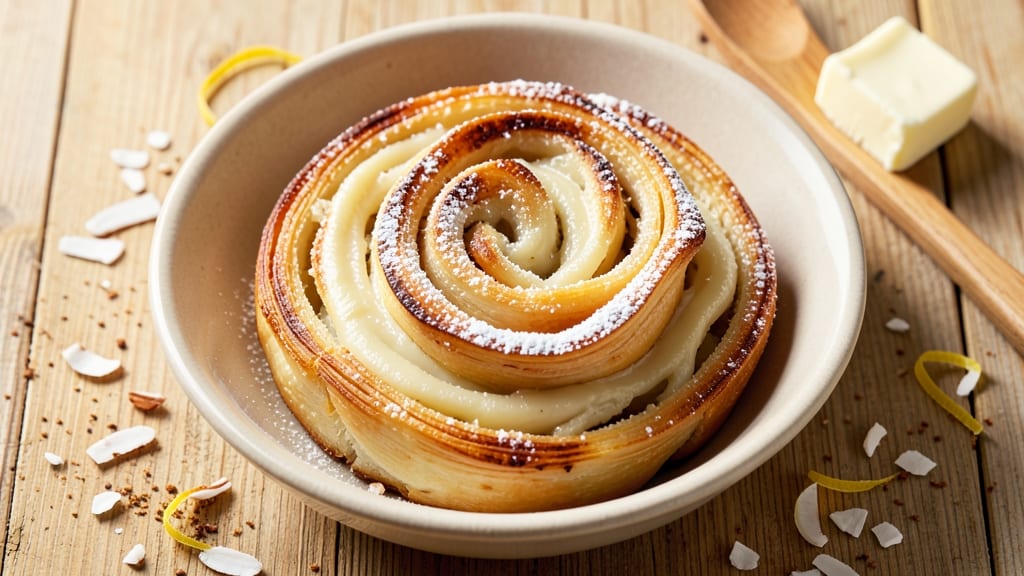
This authentic coco bread recipe brings the golden, fluffy heart of Filipino baking to your kitchen with its signature coconut-milk swirls and buttery crust. The secret lies in steaming the batter just right—creating that signature soft, pillowy texture that makes it irresistible.
I've perfected this version after years of testing, ensuring every slice delivers that perfect balance of sweetness and coconut richness.
The beauty of coco bread is in its simplicity: just glutinous rice flour, coconut milk, and a touch of sugar come together to form a batter that steams into cloud-like perfection. Unlike traditional breads, it requires no yeast or long fermentation, making it beginner-friendly yet impressive.
The key is patience during steaming—this is where the magic happens, transforming simple ingredients into something truly special.
What you'll end up with is a loaf of bread with a tender, melt-in-your-mouth interior and a lightly crisp crust, all infused with the warm, tropical aroma of coconut. This is the kind of bread that pairs beautifully with coffee, tea, or even as a side to savory dishes.
The best part? It's versatile enough to enjoy fresh out of the steamer or toasted the next morning.
Perfect for Filipino gatherings, breakfast tables, or when you crave something comforting yet authentic. Let's get started on making this beloved Filipino classic!
Ingredients for authentic coco bread
Golden swirls and buttery crust await—just these tropical ingredients transform into Filipino magic.
| Ingredient | Amount | Notes |
|---|---|---|
| Glutinous Rice Flour 🍚 | 2 cups | Also called sweet rice flour |
| Coconut Milk 🥥 | 1 ½ cups | Full-fat for authentic richness |
| Granulated White Sugar 🍚 | ¾ cup | Adjust to taste for sweetness |
| Unsalted Butter 🧈 | ½ cup | Melted, full-fat preferred |
| Large Eggs 🥚 | 2 whole | Room temperature for even mixing |
| Baking Powder 🧂 | 1 tsp | Aluminum-free for best results |
| Salt 🧂 | ¼ tsp | Diamond Crystal preferred |
| Vanilla Extract 🌿 | 1 tsp | Pure vanilla for authentic flavor |
| Coconut Flakes 🥥 | ½ cup | Toasted for enhanced aroma |
| Water 💧 | ½ cup | Room temperature |
| Cornstarch 🌾 | 1 tbsp | For batter consistency |
The glutinous rice flour is non-negotiable—Filipino markets or Asian grocery stores carry it in bulk, but Bob's Red Mill also stocks it. Look for coconut milk cans labeled 'full-fat' (the creamy part on top is pure gold—save it for swirls!). For butter, European-style brands like Plugrá or Kerrygold melt beautifully, but any full-fat works. The vanilla extract should be pure—McCormick or Nielsen-Massey are reliable. Toast your coconut flakes in a dry pan for 2-3 minutes until fragrant; they add that irresistible aroma. Pro tip: room-temperature eggs blend smoother, so take them out 30 minutes before mixing.
No glutinous rice flour? Substitute with equal parts all-purpose flour plus 1 tbsp tapioca starch—it won't be exactly the same, but still delicious. Ran out of coconut milk? Heavy cream plus 1 tbsp coconut extract mimics the flavor (though texture will differ). For vanilla, imitate with 1 tsp vanilla sugar if you're desperate. The cornstarch can be swapped for arrowroot powder in a pinch. Want extra richness? Fold in 1 tbsp melted coconut oil to the batter. And if your coconut flakes are stale, pulse them briefly in a food processor—they'll still add texture!
This batter must steam for 45-50 minutes—no rushing! Line your steamer with parchment paper (poke holes) to avoid sticking. Store leftovers in an airtight container for 3 days at room temp or 1 week in the fridge. For longer storage, slice and freeze—toast straight from frozen for crispy edges. The bread reheats beautifully: 20 seconds in the microwave (cover with damp paper towel) or 5 minutes at 350°F until golden. Pro move: Brush warm slices with melted butter for that classic Filipino touch!
Why You'll Love This Recipe
- No-Fuss Mixing: I swear by this batter—just whisk, pour, bake. No kneading, no fussing, no waiting for dough to rise. The glutinous rice flour does all the heavy lifting while I sip my coffee.
- Coconut Cream Dream: That first bite? Buttery, pillowy, with a whisper of toasted coconut milk. The sugar caramelizes just enough to make it taste like a hug from a tropical bakery.
- Breakfast or Dessert: Serve it warm with butter for a lazy morning or dust it with powdered sugar for an after-dinner treat. My kids grab it straight from the oven—no judgment here.
- Budget Baking Win: Uses pantry staples and stretches to feed four for under $5. The leftovers? They last days, and I’ve reheated slices in the microwave without losing that soft center.
Step-by-step instructions for authentic coco bread
This tropical delight combines buttery layers with coconut swirls—let's create the perfect loaf.
Prepare the Coconut Swirl Filling
In a small bowl, combine the 0.5 cup toasted coconut flakes with 1 tablespoon cornstarch and 0.5 cup water. Stir until the mixture forms a thick paste—it should resemble wet sand with no dry spots remaining. This filling will create those signature swirls throughout the bread.
Set this mixture aside while you prepare the batter. The toasted coconut flakes should be warm from toasting, enhancing their aroma when baked. If you skipped toasting earlier, now's the time—just quickly toast them in a dry skillet for 1-2 minutes until golden and fragrant before mixing.
Mix the Wet Ingredients
In a large mixing bowl, melt the 0.5 cup unsalted butter over low heat until completely liquid, then let it cool slightly. Add the 2 whole large eggs and whisk vigorously for 1 minute until fully combined and slightly thickened.
Gradually whisk in the 1.5 cups coconut milk and 0.75 cup granulated white sugar until smooth. The mixture should be pale yellow with no graininess. Add the 1 teaspoon vanilla extract and 0.25 teaspoon salt, mixing well to incorporate. This creates the rich, creamy base that will give your bread its tender crumb.
Combine Dry Ingredients
In a separate bowl, sift together the 2 cups glutinous rice flour and 1 teaspoon baking powder. This prevents lumps and ensures even distribution of leavening. Gently fold the dry ingredients into the wet mixture using a spatula, mixing just until combined—overmixing develops gluten and makes the bread dense.
You'll want a thick, spreadable batter that holds its shape when dropped. If it's too thin, add 1 tablespoon more glutinous rice flour. The batter should coat the back of a spoon but still be workable. This texture is crucial for that signature layered effect when baked.
Assemble and Bake the Loaf
Preheat your oven to 350°F and grease a 9x5-inch loaf pan with butter or line it with parchment paper. Pour half of the batter into the prepared pan, spreading it evenly. Drop spoonfuls of the coconut filling mixture over the batter, then swirl gently with a knife to create marbled patterns.
Add the remaining batter, then swirl again to distribute the coconut mixture throughout. Bake for 50-55 minutes until the top is golden brown and a toothpick inserted comes out clean. The bread should pull away slightly from the sides of the pan, indicating it's fully baked.
Cool and Serve
Remove the bread from the oven and let it cool in the pan for 10 minutes, then transfer to a wire rack to cool completely. This resting period allows the layers to set properly and prevents the bread from falling apart when sliced.
Slice the loaf into ½-inch thick pieces for serving. The interior should reveal beautiful swirls of coconut throughout the tender, buttery layers. Serve warm with a dusting of powdered sugar or a drizzle of coconut syrup for that authentic tropical touch.
Pro Tips For Making Authentic Coco Bread
- STEAM IT LOW: That fancy steamer basket? Skip it. Line a deep pot with a wire rack (or crumpled foil) to keep the bread off direct steam—this prevents soggy bottoms and lets it bake evenly. I used to overcrowd, and the edges would stay doughy while the top browned. Give each loaf breathing room, even if it means two batches.
- WHISK EGGS COLD: Beat those eggs straight from the fridge—cold yolks emulsify better with the coconut milk and butter, creating a smoother batter. I learned this the hard way after a batch turned lumpy; now I swear by it. Room-temp eggs? Save them for custards.
- MEASURE FLOUR RIGHT: Glutinous rice flour packs tight—spoon it into the cup, don’t scoop. A packed cup is a dense loaf; a scooped cup means dry, crumbly bread. Tap the measuring cup on the counter to level it off, but don’t press down. Trust me, your bread will thank you.
- BUTTER FIRST, SUGAR SECOND: Melt the butter first, then mix in sugar while it’s still liquid—this dissolves the sugar faster and prevents grainy pockets. After burning through three batches with clumpy sugar, I now microwave the butter in 10-second bursts, stir, repeat. Patience here = silky texture.
Creative variations of this dish
Filipino-Style Ube Twist
Swap out the coconut filling for a vibrant ube (purple yam) paste—this variation adds a beautiful magenta hue and earthy sweetness. Mix 0.5 cup ube halaya (store-bought or homemade) with 1 tbsp cornstarch and 0.25 cup water for a smooth, swirlable filling.
The ube pairs beautifully with the buttery crust, creating a visually stunning bread that tastes like dessert. 🌈
Pandan-Infused Coconut
Elevate the coconut flavor by infusing the coconut milk with 1 pandan leaf (or ½ tsp pandan extract). Simmer the coconut milk with the pandan for 5 minutes, then strain before using.
This adds a fragrant, floral note that's popular in Filipino desserts. For extra aroma, toast the coconut flakes with ½ tsp pandan extract before mixing into the filling.
Chocolate-Coconut Fusion
Add 0.25 cup cocoa powder to the dry ingredients for a rich chocolate twist. Fold in 0.25 cup mini chocolate chips when combining the wet and dry mixtures.
The chocolate enhances the coconut flavor, creating a decadent bread perfect for breakfast or dessert. Use dark chocolate for intensity or milk chocolate for a sweeter profile. 🍫
Matcha Green Tea Version
Replace 0.5 cup coconut milk with 0.5 cup matcha-infused coconut milk—simmer 0.5 cup coconut milk with 1 tsp high-quality matcha powder for 3 minutes, then strain. Add 1 tsp matcha to the dry ingredients for a vibrant green hue and earthy flavor.
This variation is perfect for tea lovers and adds a unique twist to the classic recipe.
Sweet Potato Swirl
Create a hearty variation by replacing 0.5 cup coconut flakes with 0.5 cup mashed roasted sweet potato. Roast 1 small sweet potato (cubed) at 400°F for 20 minutes, then mash until smooth.
Mix with 1 tbsp cornstarch and 0.25 cup water for the filling. The sweet potato adds natural sweetness and a rustic texture, making this bread ideal for savory-sweet pairings.
Toasted Sesame Crust
For a nutty, crunchy twist, sprinkle 2 tbsp toasted sesame seeds over the batter before baking. Press them lightly into the top for a decorative crust. The sesame adds a subtle Asian flavor that complements the coconut perfectly.
Toast the seeds in a dry pan for 1-2 minutes until golden and fragrant before using. 🌾
Nutrition facts
Frequently asked questions
Why does my coco bread turn out dense instead of fluffy?
Overmixing the batter develops gluten in the glutinous rice flour, making the bread dense. Mix just until combined—stop when you see small lumps remain. Also, ensure your baking powder is fresh and your oven is properly preheated to 350°F. The batter should be thick but pourable, not thin like pancake batter.
Can I make coco bread without a loaf pan?
Yes! Shape the batter into a round cake pan or even a greased baking dish. For a rustic look, try a 9-inch cast-iron skillet—spread the batter evenly and swirl the coconut filling in concentric circles. Bake for 35-40 minutes until golden. The texture will be slightly denser but still delicious.
How do I store leftover coco bread?
Keep it in an airtight container at room temperature for up to 3 days. For longer storage, slice and freeze—wrap individual slices in plastic wrap. To reheat, microwave for 15-20 seconds (cover with damp paper towel) or toast in a pan until golden. Never refrigerate whole loaves—they dry out faster.
What's the secret to perfect coconut swirls?
The coconut filling must be thick but spreadable—like wet sand. Use toasted coconut flakes (not sweetened) and adjust the water/cornstarch ratio until it holds its shape when dropped. Swirl gently with a knife after adding the second layer of batter. For extra drama, use a skewer to create pinwheel patterns before baking.
Can I substitute regular rice flour for glutinous rice flour?
Not recommended—regular rice flour lacks the sticky texture that gives coco bread its signature softness. If you must substitute, use 1 cup all-purpose flour + 1 tbsp tapioca starch per cup of glutinous rice flour. The result won't be identical, but it'll still be tasty. For best results, track down authentic glutinous rice flour at Asian markets.