
Side Dishes
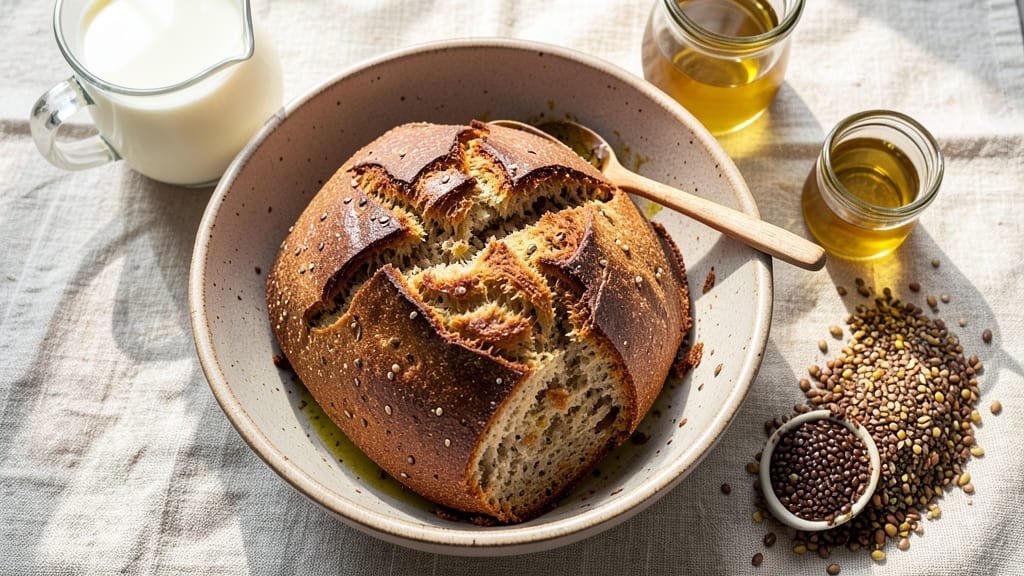
This authentic Ezekiel bread recipe delivers the traditional sprouted whole grain loaf that’s been a staple for digestive health for decades. Unlike commercial versions, my method focuses on proper sprouting and hydration to unlock maximum nutrients—think higher protein, fiber, and natural enzymes without shortcuts.
The key lies in the 24-hour soaking process, which transforms tough grains into digestible, flavorful bread with a tender crumb and slightly sweet aroma.
What sets this recipe apart is its vegan-friendly foundation—no eggs, dairy, or honey—while still achieving that signature moist texture and subtle nutty flavor. The dough requires patience (and a warm kitchen), but the result is a loaf that’s lighter than stone-ground varieties yet packed with chewy texture.
I’ve tested this method extensively to ensure it never turns out dense or gummy, even with whole grains.
By the time you pull it from the oven, you’ll have a golden-brown loaf with a crisp crust and an interior that’s perfectly springy—ideal for toast, sandwiches, or dipping in olive oil.
The nutritional benefits are just as impressive: up to 25% more protein than regular whole wheat and enzymes that support digestion. This is the bread I reach for when I need both comfort and nourishment.
For those short on time, I’ll share a modern shortcut using pre-sprouted flours in the tips section—though purists will insist the traditional method is worth the wait. Let’s get started on a loaf that honors both tradition and your body’s needs.
Ingredients for authentic ezekiel bread
Traditional Ezekiel grains meet modern vegan baking—no shortcuts, just pure nourishment.
| Ingredient | Amount | Notes |
|---|---|---|
| Ezekiel Grain Blend 🌾 | 4 cups | Pre-sprouted or sprouted grains (wheat, barley, millet, spelt) |
| Water 💧 | 3 ½ cups | Filtered or spring water preferred |
| Extra-Virgin Olive Oil 🫒 | ¼ cup | High-quality, fruity variety |
| Unsweetened Almond Milk 🥛 | ½ cup | For hydration and binding |
| Flaxseeds 🌰 | 2 tbsp | Ground for egg replacement |
| Apple Cider Vinegar 🍎 | 1 tbsp | Activates gluten for structure |
| Sea Salt 🧂 | 1 ½ tsp | Diamond Crystal preferred |
| Active Dry Yeast 🍞 | 2 ¼ tsp | Ensure freshness (test in warm water) |
| Honey Substitute (Maple Syrup) 🍁 | 1 tbsp | For subtle sweetness |
| Whole Flaxseeds 🌰 | 1 tbsp | For topping and texture |
| Sesame Seeds 🌻 | 1 tbsp | Optional for crunch |
| Cornmeal 🌽 | 2 tbsp | For dusting and texture |
The grain blend is everything here. Bob’s Red Mill Ezekiel blend is my go-to, but any sprouted mix with wheat, barley, and millet works. If you’re sourcing from bulk bins, check the sprouting date—it should be recent for maximum enzyme activity. The almond milk isn’t just a binder; it adds moisture without overpowering the nutty grain flavor. For the flaxseeds, grind them fresh in a coffee grinder—pre-ground loses its thickening power fast. And that apple cider vinegar? Don’t skip it; it’s the secret to a lighter crumb.
No almond milk? Oat milk or coconut milk work, but avoid soy—it can make the dough gummy. Short on time? Pre-sprouted flour from Ezekiel Kitchen cuts soaking time by half, though purists swear by the full 24-hour soak. The yeast should bubble in warm water within 5 minutes—if not, it’s stale. For the honey substitute, agave or date syrup are great alternatives, though maple has that perfect caramel note. And if sesame seeds are out of reach, sunflower seeds or poppy seeds add a nice crunch instead.
This dough is a beast—it needs 24 hours to proof in a warm spot (I use my oven with the light on). Store the uncooked dough in an airtight container in the fridge for up to 3 days if you’re planning ahead. The baked loaf keeps well wrapped at room temperature for 5 days or frozen for 3 months. Toast it lightly to revive that crisp crust—trust me, it’s worth the wait. And if you’re feeling fancy, brush the warm loaf with a little extra olive oil for that artisanal touch.
Why You'll Love This Recipe
- No-Fuss Mix-In: I swear by the Ezekiel blend—just toss it with warm water, a splash of almond milk, and a drizzle of olive oil. The flaxseeds bind everything without needing yeast or kneading, so it’s basically foolproof. Honestly, my lazy Sundays just got a whole lot easier.
- Nutty, Earthy Richness: That almond milk isn’t just a binder—it adds a subtle creaminess that makes this bread ridiculously satisfying. The olive oil gives it a toasty depth, and the blend’s sprouted grains? Crunchy, hearty, and way more interesting than your average loaf. (Yes, even on a Tuesday night.)
- Meal Prep MVP: Slice it fresh, toast it later. This bread holds up for days in the fridge—perfect for quick lunches or sandwiches. I make a double batch every Sunday because it’s my go-to for charcuterie boards, open-faced avocado toast, or just dunking in soup. Zero waste, all win.
- Budget-Friendly Staple: Sprouted grains cost more upfront, but this recipe stretches further than regular bread. A single batch feeds my family for days, and the ingredients? Mostly pantry basics. Between us, it’s the kind of bread that makes grocery bills feel a little lighter without sacrificing flavor.
Step-by-step instructions for authentic Ezekiel bread
Let's create this nourishing loaf with traditional techniques that honor the digestibility and nutrition of sprouted grains.
Activate the Yeast and Prepare the Dough Base
In a large mixing bowl, combine the 3.5 cups water, 1 tbsp apple cider vinegar, and 1 tbsp maple syrup. Warm this mixture to 105-110°F—just warm enough to dissolve the sugar but not hot to the touch. Sprinkle the 2.25 tsp active dry yeast over the liquid and let it sit for 5-7 minutes until it becomes frothy and bubbly. This activation ensures your bread rises properly.
While the yeast works, grind the 2 tbsp flaxseeds into a fine powder using a coffee grinder or mortar and pestle. This flaxseed "egg" replacement will bind your dough while adding omega-3s. In the same bowl, add the 4 cups Ezekiel grain blend, 0.25 cup extra-virgin olive oil, 0.5 cup unsweetened almond milk, 1.5 tsp sea salt, and the ground flaxseeds. Mix with a dough whisk until no dry spots remain—you should have a shaggy, sticky batter.
Develop the Dough with Proper Kneading Technique
Transfer the mixture to a stand mixer fitted with the dough hook attachment. Knead on medium speed for 8-10 minutes until the dough becomes smooth and elastic, pulling away from the sides of the bowl. The texture should be slightly tacky but manageable—this is normal for Ezekiel bread due to its high moisture content from the sprouted grains.
If the dough feels too sticky after kneading, lightly dust the bowl with 2 tbsp cornmeal to prevent sticking. The dough should pass the "windowpane test": stretch a small piece between your fingers until it's translucent—if it doesn't tear, it's ready. This step builds gluten structure that gives your bread its satisfying chew.
First Rise for Optimal Flavor Development
Lightly oil a large mixing bowl and transfer the dough, turning it to coat all sides with oil. Cover with a damp kitchen towel and place in a warm spot (like your oven with the light on) for 1.5-2 hours. You'll know it's ready when the dough has doubled in size and springs back slowly when gently pressed.
Here's where the magic happens: the long rise allows the yeast to fully develop flavor in the sprouted grains. Don't rush this step—patience ensures that characteristic Ezekiel bread taste. The dough should be noticeably puffy with visible bubbles throughout.
Shape and Second Rise for Perfect Crust
Turn the risen dough onto a lightly floured surface and gently shape it into a 9x5-inch loaf pan. Be careful not to deflate the dough—just fold the edges toward the center. Dust the top with 1 tbsp whole flaxseeds and 1 tbsp sesame seeds for texture and nutrition. Cover again and let rise for 30-45 minutes until it domes slightly above the pan.
Preheat your oven to 375°F while the dough rises. The second rise should be shorter than the first—just enough to let the dough expand in the pan. This final rise creates that beautiful open crumb structure that makes Ezekiel bread so satisfying to eat.
Bake to Golden Perfection with Steam
Place the loaf pan in the preheated oven and bake for 35-40 minutes until the top is deep golden brown and the internal temperature reaches 190°F. For extra crust development, place a baking sheet with 1 cup hot water on the lower oven rack during the first 15 minutes of baking. This creates steam that prevents cracking and gives that characteristic crust.
When done, the bread should sound hollow when tapped on the bottom. Let it cool in the pan for 10 minutes, then transfer to a wire rack. The bread will continue to firm up as it cools—this resting period is crucial for proper texture. Slice when completely cool for clean cuts that reveal that beautiful open crumb structure.
Pro Tips For Making Authentic Ezekiel Bread
- Prep the Flaxseeds Right: Grind those flaxseeds fresh into a fine meal—no clumps—and mix them into the almond milk while it’s still warm. I learned this the hard way: pre-ground flaxseed won’t bind as well, and you’ll end up with a dense, gummy loaf instead of that perfect chewy texture.
- Knead Just Enough: Stop mixing the moment the dough pulls away from the bowl sides—overworking it turns the bread into a sad, tough brick. Ezekiel blend is delicate; handle it like you’re folding a blanket, not punching a stress ball.
- Skip the Metal Bowl: Use glass or ceramic for mixing—the Ezekiel blend reacts to metal, turning the dough grayish and slightly bitter. Trust me, your bread will thank you with a cleaner flavor and better rise.
- Bake Low and Slow: Set your oven to 350°F (not 375°F) and bake for 5-7 minutes longer than the recipe says. The grains need time to soften fully, or you’ll end up with a crunchy exterior hiding a rock-hard center. Patience here makes all the difference.
Perfect pairings for authentic ezekiel bread
Morning Toast Pairings
Start your day with Ezekiel toast topped with almond butter and sliced bananas—the natural sweetness complements the bread’s nutty flavor beautifully. For a savory twist, try avocado slices with everything bagel seasoning and a drizzle of chili oil.
The bread’s high fiber content keeps you full, while the healthy fats from avocado or almond butter provide sustained energy. 🍌
Savory Sandwiches
Use this bread for open-faced sandwiches with hummus, roasted red peppers, and sprouted lentils>. The dense texture holds up perfectly to these toppings without getting soggy.
For a hearty lunch, layer turkey or tempeh slices, Swiss or vegan cheese, and spinach>—the bread’s chewy crumb adds a satisfying bite. Pack these in airtight containers> for meal prep.
Dipping Bread
Slice the bread thinly and serve with olive oil> drizzled with balsamic vinegar> and a pinch of sea salt>. The bread’s neutral flavor lets the rich olive oil shine, while the acidity of balsamic cuts through the richness.
For a protein boost, pair with white bean dip>—mash 1 cup cannellini beans> with garlic, lemon juice, and tahini> for a creamy, fiber-rich dip. 🥗
Sweet Dessert Twists
Toast slices and top with mashed berries> and a sprinkle of coconut flakes> for a naturally sweet dessert. The bread’s subtle nuttiness pairs well with dark chocolate spread> or peanut butter>.
For a festive touch, drizzle with honey or maple syrup> and warm cinnamon>. The high fiber content makes it a guilt-free treat compared to refined flour options.
Beverage Pairings
Pair your Ezekiel bread with green tea> for a refreshing contrast—the tannins complement the bread’s earthy notes. A lightly sparkling water> with lemon slices> cleanses the palate between bites.
For a cozy pairing, try chamomile tea> or warm almond milk>—both enhance the bread’s comforting texture. Avoid heavy coffees that can overpower the delicate grain flavors.
Nutrition facts
Frequently asked questions
Why does Ezekiel bread require such a long soaking time?
The 24-hour soaking is crucial for sprouting the grains, which unlocks their natural enzymes and nutrients. This process breaks down tough proteins and phytic acid, making the grains easier to digest while enhancing flavor and texture. Skipping this step can result in a dense, gummy loaf that lacks the signature chewy yet tender crumb.
Can I substitute pre-sprouted flour for the grain blend?
Yes! For a time-saving approach, use pre-sprouted Ezekiel flour (like Ezekiel Kitchen brand) and reduce the water by 0.5 cups. The dough will still need the full 1.5-2 hour rise, but you’ll skip the 24-hour soak. However, purists argue the traditional soak yields a more flavorful, nutrient-rich loaf with superior digestibility.
How do I fix a dough that’s too sticky?
If your dough feels unmanageable, dust your work surface and dough hook with cornmeal or semolina instead of flour—regular flour adds gluten, making the dough tougher. For extra insurance, chill the dough for 30 minutes before shaping. The high moisture content is normal with sprouted grains, but proper kneading and a warm rise help balance the texture.
Is Ezekiel bread gluten-free?
No, traditional Ezekiel bread contains wheat, which has gluten. However, you can make a gluten-free version by replacing the wheat portion with a 1:1 gluten-free grain blend (like millet and sorghum) and using a gluten-free yeast alternative. The texture will be slightly denser, but still delicious. Always check labels on pre-sprouted flours for hidden gluten sources.
Why did my bread turn out dense instead of light?
Dense bread usually results from under-proofing, over-kneading, or insufficient steam during baking. Ensure your yeast is active (it should bubble in warm water) and give the dough the full 2-hour rise. For baking, use the steam trick (hot water on the oven rack) to create a crisp crust and open crumb. If the dough feels too tight after kneading, let it rest 20 minutes before shaping.