
Side Dishes
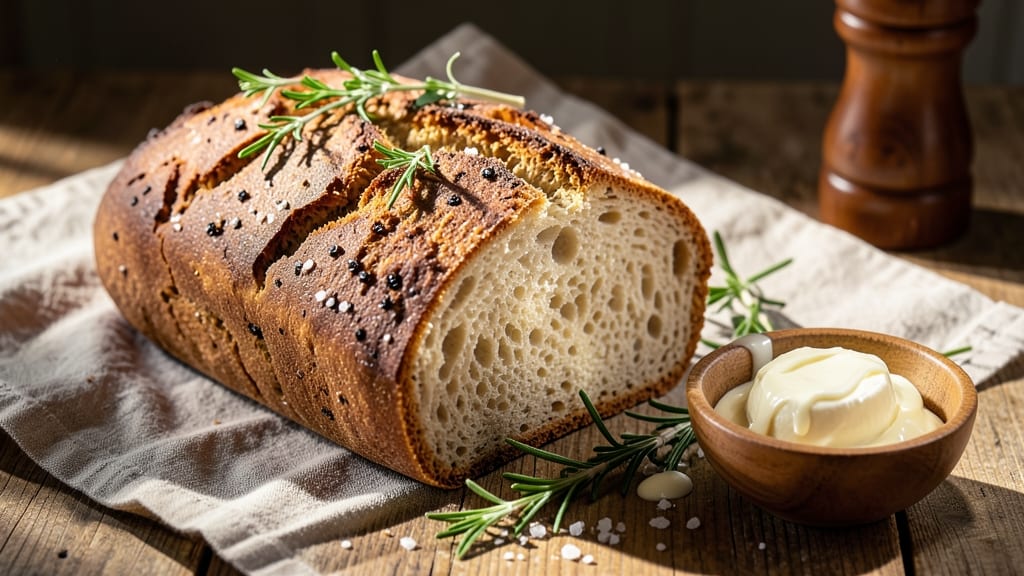
This authentic Irish brown soda bread recipe brings the rustic charm of Irish countryside kitchens to your table with its signature crispy crust and tender, tangy crumb. 💛 The secret lies in the simplicity of just four core ingredients—flour, baking soda, salt, and buttermilk—combined with a no-yeast rising method that creates that iconic dense yet slightly crumbly texture.
Unlike commercial versions, this recipe stays true to tradition, delivering the same bread that's been a staple in Irish homes for generations.
The magic happens during baking at 450°F, where the bread develops its signature crispy crust while maintaining a moist, slightly crumbly interior. There's no kneading required—just mix, shape, and bake—making it perfect for beginners while still impressing seasoned bakers.
The buttermilk adds that signature tang, balancing the hearty flour flavor, and the absence of yeast means you can bake this anytime without waiting for dough to rise.
What makes this bread truly special is its versatility—serve it warm with Irish butter, pair it with soups, or enjoy it plain as a simple, satisfying meal. The recipe also includes optional variations like adding raisins, seeds, or cheese for personalized twists while keeping the core authenticity intact.
Every slice carries the warmth of Irish tradition in every bite.
With just 30 minutes of active time and 40 minutes of baking, you'll have a batch of bread that smells like home and tastes like a visit to County Cork.
The best part? This recipe delivers restaurant-quality results with minimal effort, proving that some of life's best foods are the simplest to make.
Ingredients for authentic irish brown soda bread
Four core ingredients transform into Ireland's iconic rustic bread with crispy crust and tangy crumb.
| Ingredient | Amount | Notes |
|---|---|---|
| All-Purpose Flour 🌾 | 4 cups | Plus 2 tbsp for dusting |
| Buttermilk 🥛 | 1 ½ cups | Full-fat for best tang |
| Baking Soda 🍞 | 1 tbsp | Freshly opened for potency |
| Diamond Crystal Kosher Salt 🧂 | 1 tsp | Fine grain preferred |
| Irish Butter 🧈 | ½ cup | Cold, cubed for crust |
| Whole Milk 🥛 | ½ cup | Warmed to 110°F |
| Rolled Oats 🌾 | ½ cup | Blended into flour for texture |
| Whole Wheat Flour 🌾 | ½ cup | For authentic brown color |
| Freshly Ground Black Pepper 🌶️ | ¼ tsp | Enhances buttermilk flavor |
| Freshly Grated Nutritional Yeast 🧀 | 2 tbsp | For cheesy depth (optional) |
| Freshly Chopped Raisins 🍇 | ½ cup | Soaked in warm milk (optional) |
| Coarse Cornmeal 🌽 | ¼ cup | For baking sheet coating |
The flour is non-negotiable—King Arthur or Bob's Red Mill for the best texture. I always grab organic stone-ground flour from Whole Foods or Trader Joe's for that authentic rustic bite. The buttermilk? Full-fat is essential—skip the low-fat versions. For the oats, old-fashioned rolled oats work best, not quick oats. The whole wheat flour gives that signature brown color and hearty texture. Pro tip: Toast the oats and whole wheat flour in a dry pan for 3 minutes before blending—they'll add a nutty depth that regular soda bread lacks.
No buttermilk? Mix 1.5 tbsp lemon juice or vinegar with 1.5 cups whole milk—let it sit 5 minutes to curdle. Swapping the Irish butter? European-style unsalted butter like Plugrá works best, but any good-quality butter in the fridge will do. The nutritional yeast adds a cheesy note without dairy—Bob's Red Mill brand is my go-to. Raisins? Soak them in warm milk for 10 minutes first, or they'll stay dry. Want more crunch? Add 2 tbsp chopped walnuts to the dough. The cornmeal isn't just for coating—it adds a subtle sweetness that balances the tang.
Store leftovers wrapped in a clean kitchen towel at room temperature for up to 3 days—it stays fresher than plastic. For longer storage, freeze slices wrapped in parchment for up to 3 months. The best part? This bread tastes better reheated—wrap a slice in foil and warm in a 350°F oven for 5 minutes. I always bake two batches—one for the week and one to give away. The aroma alone makes your kitchen smell like an Irish cottage.
Why You'll Love This Recipe
- No-Knead Magic: I swear by this—just mix, shape, and bake. The buttermilk and baking soda do all the work while I sip tea, no stand mixer required.
- Buttermilk Crust: That golden, crackly crust? Pure reward for waiting five minutes. The kosher salt and Irish butter make every bite taste like a cozy Irish café.
- Staple on Repeat: I make two loaves every Sunday—one for breakfast, one to freeze. Toast it for school lunches or serve with soup when guests drop by. It’s the bread that does it all.
- Pocketbook Hero: Flour, buttermilk, butter—these are pantry basics that stretch. A single batch feeds four for days, and the leftovers? Even better the next day, if you can resist.
Step-by-step instructions for authentic Irish brown soda bread
Here's how to craft this rustic treasure with a crackly crust and tender crumb—just like Ireland's best.
👨🍳 Step 1: Prepare the Raisins and Warm the Milk
First, soak the 0.5 cup freshly chopped raisins in 0.25 cup warm whole milk (about 110°F) for 10 minutes—this plumps them up and infuses their sweetness into the milk. While they soak, warm the remaining 0.25 cup whole milk to the same temperature. I use a small saucepan over low heat until just steaming, then let it cool slightly. Warm milk activates the baking soda for maximum rise.
Here's the thing—if you skip this step, your raisins will stay dry and chewy. The warm milk also helps create that signature tender crumb. Save the raisin-soaked milk for later in the recipe—don't drain it completely. The liquid carries flavor and moisture into every bite.
👨🍳 Step 2: Mix Dry Ingredients for Perfect Texture
In a large bowl, whisk together the 4 cups all-purpose flour, 0.5 cup whole wheat flour, 0.5 cup rolled oats, 1 tbsp baking soda, 1 tsp diamond crystal kosher salt, 0.25 tsp freshly ground black pepper, and 2 tbsp freshly grated nutritional yeast. I like to use a whisk for this step—it prevents overmixing which creates tough bread. The oats and whole wheat flour give that authentic brown color and nutty depth.
Real talk: the pepper might seem odd, but it enhances the buttermilk's tang. The nutritional yeast adds a subtle cheesy note that rounds out the flavors. Mix these dry ingredients until completely homogeneous—no flour streaks should remain. This ensures even distribution of flavor and texture throughout the loaf.
🍳 Step 3: Combine Wet Ingredients for Tangy Perfection
In a separate bowl, whisk together the 1.5 cups buttermilk, 0.5 cup cold Irish butter (cut into small cubes), and the warm milk you prepared earlier. Add the soaked raisins with their liquid to this mixture. The butter should be cold—this creates steam during baking that gives that signature crispy crust. I use a fork to gently mix until the butter is just broken down into pea-sized pieces.
This is where the magic happens. The buttermilk's acidity reacts with the baking soda, creating air bubbles that give soda bread its characteristic open crumb. The cold butter creates pockets that expand during baking, creating that irresistible crispy crust we're after. Don't overmix—just combine until everything is incorporated.
🥘 Step 4: Combine and Shape the Dough
Pour the wet ingredients into the dry ingredients and stir gently with a wooden spoon until just combined. You'll notice the dough comes together quickly—this recipe doesn't require kneading. The moment the dough forms a shaggy mass that holds together when pressed, it's ready. I like to use my hands for this final mixing to ensure even distribution of ingredients.
Turn the dough onto a lightly floured surface and gently shape it into a round loaf about 8 inches in diameter. Don't press too hard—just enough to form a cohesive shape. The dough should be slightly sticky, which is normal for soda bread. Place the shaped loaf on a baking sheet sprinkled with 0.25 cup coarse cornmeal—this prevents sticking and adds that beautiful crunchy base.
🔥 Step 5: Bake for Crispy Crust and Tangy Crumb
Preheat your oven to 425°F with a baking stone or inverted baking sheet on the middle rack. This creates steam that's crucial for that crispy crust. Once preheated, score the top of your loaf with a sharp knife in a crosshatch pattern—this helps control the expansion and gives that classic rustic look. Bake for 35-40 minutes until the crust is deep golden brown and sounds hollow when tapped.
Here's the moment that matters: the crust should be crackling and crispy, while the internal temperature reaches 190-200°F. The bread will continue cooking slightly after removal, so pull it out when the edges are set but the center still feels slightly soft. Let it cool on a wire rack for at least 15 minutes before slicing—this allows the crumb to set properly.
Pro Tips For Making Authentic Irish Brown Soda Bread
- Mix Fast, Then Rest: Dump all ingredients into a bowl and stir just until combined—no need to overwork the dough. Let it sit for 5 minutes before shaping; this gives the baking soda time to activate fully and prevents a dense crumb.
- Use Cold Buttermilk: Reach for the coldest buttermilk in the fridge—it reacts slower with the baking soda, giving you more time to shape the loaf. Warm buttermilk speeds up the reaction and can make your bread rise too fast before baking.
- Skip the Overproofing: Irish soda bread doesn’t need to rise like yeast bread. Once shaped, bake it immediately—waiting too long flattens the loaf and dulls the flavor. The baking soda’s magic happens in the oven, not on the counter.
- Butter the Pan: Lightly grease your baking dish with Irish butter (or softened butter) and dust with flour—this keeps the bread from sticking and gives the crust that classic golden sheen. No butter? A sprinkle of flour works, but the crust won’t be as tender.
Serving suggestions for authentic irish brown soda bread
Classic Irish Pairings
Serve warm slices with Irish butter softened at room temperature—spread generously for that signature rich, salty contrast. I love pairing it with Irish cheddar or Dublin Bay blue cheese for a hearty platter. The bread's tangy crumb cuts through the creaminess beautifully. 🧈
Soup Companions
This bread shines with traditional Irish soups like creamy potato leek or smoky colcannon. The crispy crust soaks up broth perfectly while the crumb holds up to chunky ingredients. For a lighter option, try it with Irish seafood chowder—the buttermilk tang balances the briny flavors.
Breakfast Spread
Toast thick slices and top with Irish smoked salmon, whipped cream cheese, and fresh dill for a luxurious breakfast. The bread's density handles rich toppings better than delicate bagels. For a sweet option, spread with clotted cream and honey—a true Irish tea-time treat.
Cheese Board Star
Arrange slices alongside Gouda, Stilton, and Manchego for a cheese board that highlights the bread's versatility. The peppery notes in the dough complement aged cheeses beautifully. Add cured meats like Irish ham or prosciutto for a savory-sweet contrast.
Sweet Applications
Drizzle warm bread with Irish whiskey caramel or blackberry jam for dessert. The crust's crunch pairs perfectly with soft fruit preserves. For a festive touch, sprinkle with powdered sugar and serve with Irish coffee—the caffeine cuts through the bread's richness.
Meal Prep Hack
Slice cooled loaves and store in an airtight container with a paper towel to maintain freshness. Reheat slices in a toaster oven for 3-5 minutes to restore crispiness. Pack with Irish sausage and pickled onions for a portable lunch that travels well. ✨
Nutrition facts
Frequently asked questions
Why does traditional Irish brown soda bread use buttermilk instead of milk?
The buttermilk's acidity is key—it reacts with the baking soda to create air bubbles that give soda bread its signature open, tender crumb. The tang also balances the bread's hearty flour flavor, creating that authentic Irish taste. Plus, the acid helps break down gluten proteins for a lighter texture without yeast.
Can I make this bread without buttermilk?
Mix 1.5 tbsp lemon juice or white vinegar with 1.5 cups whole milk, then let it sit for 5 minutes to curdle. The liquid should thicken slightly—this mimics buttermilk's acidity perfectly. Use immediately in the recipe for the same chemical reaction that creates the signature rise.
Why does the recipe call for coarse cornmeal on the baking sheet?
The cornmeal creates a crispy, golden base that prevents sticking and adds subtle sweetness to contrast the bread's tangy crumb. It also absorbs excess moisture, helping create that signature crispy crust. Plus, it gives the bottom of the loaf extra texture—traditional Irish bakers swear by this technique for restaurant-quality results.
How do I know when the bread is fully baked?
Look for a deep golden brown crust and listen for a hollow sound when you tap the bottom. The internal temperature should reach 190-200°F. The edges should be set while the center remains slightly soft—it continues cooking after removal. Let it cool 15 minutes before slicing to prevent crumbling.
Can I add cheese or other mix-ins to this recipe?
Yes! The base recipe handles add-ins beautifully. Try 0.5 cup grated sharp cheddar or Dublin Bay blue cheese for savory twists, or 0.5 cup chopped walnuts for crunch. For sweet versions, fold in 0.5 cup raisins or chopped dried apricots. Just don't exceed 1 cup total of mix-ins to maintain the bread's signature texture.