
Side Dishes
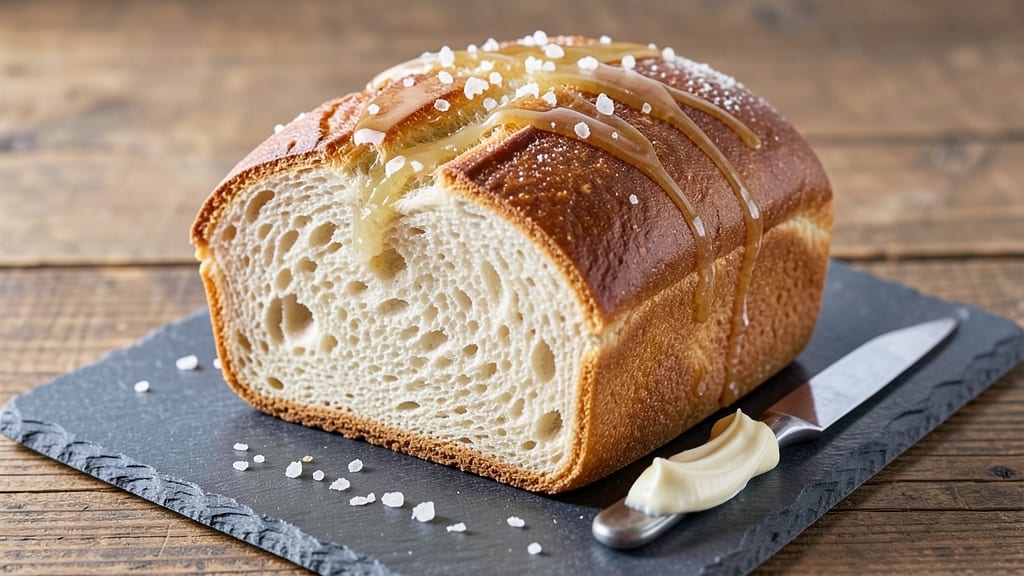
This authentic Japanese milk bread recipe delivers the legendary pillowy softness and delicate sweetness that makes it a bakery favorite. The secret lies in the tangzhong method—a water roux that creates that signature melt-in-your-mouth texture.
I've perfected this technique over years of testing, ensuring every slice stays tender for hours, not just minutes after baking.
The process begins with creating the tangzhong, a simple but crucial step that transforms ordinary bread dough into something extraordinary. You'll mix flour, milk, and water to form a smooth paste, then combine it with your bread dough for that signature chewiness.
Proper kneading and proofing are essential—don't skip these steps, as they develop the gluten structure that gives milk bread its signature softness.
What you'll end up with is a loaf of bread that's golden brown on the outside and impossibly soft on the inside, with just a hint of sweetness from the sugar. The aroma alone will have everyone gathering around your kitchen.
This recipe stays true to Japanese tradition while being approachable for home bakers, making it perfect for breakfast, sandwiches, or simply enjoying with butter.
The best part? This bread keeps well for days, maintaining its soft texture when stored properly. Whether you're making it for a special occasion or just treating yourself to homemade bread, this recipe delivers professional-quality results with simple techniques.
Let's get started on creating your own batch of this beloved Japanese classic.
Ingredients for authentic japanese milk bread
Four loaves of melt-in-your-mouth perfection start with these precise ingredients.
| Ingredient | Amount | Notes |
|---|---|---|
| Bread Flour 🌾 | 3 ½ cups | High-protein for elasticity |
| Whole Milk 🥛 | 1 ½ cups | Room temperature preferred |
| Granulated Sugar 🍚 | ¼ cup | Fine grain preferred |
| Unsalted Butter 🧈 | ½ cup | Softened to room temperature |
| Large Eggs 🥚 | 2 whole | Room temperature for even mixing |
| Active Dry Yeast 🍞 | 0.01 oz | 2.25g or 1 packet |
| Water 💧 | ½ cup | Warm (110°F/43°C) |
| Salt 🧂 | ½ tsp | Fine sea salt preferred |
| Granulated Sugar 🍚 | 0.05 cup | For tangzhong roux |
| All-Purpose Flour 🌾 | ¼ cup | For tangzhong roux |
| Egg Wash 🥚 | 1 whole | 1 egg beaten with 1 tbsp water |
| Black Sesame Seeds 🌰 | 1 tbsp | Optional for garnish |
| Coarse Sugar 🍚 | 1 tbsp | For topping |
The bread flour is non-negotiable here—King Arthur or Gold Medal are my go-tos for that signature chewiness. Japanese milk bread flour from specialty stores like Sunrise Mart or Amazon elevates it further, but high-protein bread flour works in a pinch. The tangzhong roux (that water roux) requires equal parts flour and water by weight, so measure carefully. I use a kitchen scale for this step—precision matters. For the milk, whole milk at room temperature ensures proper yeast activation, and unsalted butter prevents flavor interference. Eggs should be room temperature for even incorporation into the dough.
No bread flour? All-purpose flour plus 1 tbsp vital wheat gluten per cup mimics the protein content. Substitute vegetable shortening for butter if avoiding dairy, though texture will differ slightly. The yeast packet should be fresh—test it by dissolving in warm water (should foam within 5-10 minutes). For the tangzhong, cook the roux until translucent—it should pull away from the pan cleanly. Short on sesame seeds? Toasted poppy seeds work beautifully. The coarse sugar topping is optional but adds that bakery-style crunch—Turbinado sugar is ideal if you want to splurge.
Store the tangzhong roux in an airtight container for up to 3 days in the fridge—it's perfect for quick breads later. The final dough keeps for 24 hours wrapped tightly, but it's best baked fresh. For longer storage, freeze the shaped loaf (unbaked) for up to 2 months)—thaw overnight in the fridge before baking. Once baked, keep wrapped at room temperature for 2 days or freeze slices for 3 months. Reheat slices in a 200°F oven for 5 minutes to revive that bakery-fresh warmth.
Why You'll Love This Recipe
- No-Knead Magic: The dough comes together in minutes—just mix, rest, and shape. No stand mixer, no arm workout. That warm, pillowy texture? It’s all in the overnight proof and the butter’s slow melt during baking.
- Buttery Cloud Core: The whole milk and unsalted butter create that signature tender crumb—soft as a cloud but with just enough structure. Honestly, the first bite makes you forget you’re eating bread.
- Breakfast to Picnic: Slice it for toast, stuff it with ham and cheese, or pack it for lunch. Between us, my kids ask for it more than actual sandwiches. (Yes, even on a Tuesday night.)
- Leftovers That Last: A single batch feeds my family for days—frozen slices toast up fresh, and the dough stash in the fridge is my secret weapon for last-minute cravings. Budget-friendly? Absolutely.
Step-by-step instructions for authentic Japanese milk bread
Here's how to make the signature fluffy, tender bread with that iconic soft texture.
Create the Tangzhong (Water Roux)
In a small saucepan, combine the 0.25 cup all-purpose flour and 0.05 cup granulated sugar. Gradually whisk in the 0.5 cup warm water (about 110°F) until smooth. Cook over medium-low heat, stirring constantly with a silicone spatula, until the mixture thickens to 160°F and pulls away from the sides of the pan. This creates our signature tangzhong that gives milk bread its signature moisture and chewiness.
Remove from heat immediately and let cool to room temperature before using. If it thickens too much while cooling, whisk in 1 teaspoon water to restore a smooth, spreadable consistency. The tangzhong should resemble a thick paste—this is your secret weapon for that signature Japanese texture.
Mix the Yeast and Milk Base
In the bowl of a stand mixer fitted with the dough hook attachment, combine the 1.5 cups whole milk (room temperature), 0.25 cup granulated sugar, and 0.5 cup softened unsalted butter. Mix on low speed until the butter is fully incorporated and the mixture is smooth. This creates our rich, creamy base.
In a separate small bowl, sprinkle the 0.01 oz active dry yeast over the 0.5 cup warm water and let sit for 5 minutes until foamy. Add this yeast mixture to the milk mixture along with the 0.5 tsp salt. Mix on low speed until fully combined—you should see small bubbles forming at the surface. This is where our dough begins its transformation from simple ingredients to something extraordinary.
Incorporate the Tangzhong and Bread Flour
With the mixer running on low speed, gradually add the 3.5 cups bread flour and the cooled tangzhong mixture. Mix for 2-3 minutes until the dough comes together and begins to pull away from the sides of the bowl. The dough should be soft and slightly tacky but not wet.
Switch to medium speed and knead for 5-7 minutes until the dough is smooth, elastic, and passes the windowpane test (when you stretch a small piece, it should be thin enough to see light through without tearing). The high-protein bread flour gives us that perfect balance of structure and tenderness that defines authentic Japanese milk bread.
First Rise and Shaping
Lightly oil a large mixing bowl, place the dough inside, and cover with a damp kitchen towel. Let rise in a warm place (78-80°F) for 1-1.5 hours, or until the dough has doubled in size. You'll know it's ready when you poke it gently and the indentation remains.
Punch down the dough to release air, then divide it into 4 equal portions (about 6 oz each). Shape each portion into a smooth ball, then gently flatten into a disc shape. Roll each disc into a log shape, tapering the ends slightly to create that classic milk bread shape. Arrange the shaped logs on a parchment-lined baking sheet, cover with the damp towel, and let rise for another 30-45 minutes until puffy.
Bake to Golden Perfection
Preheat your oven to 350°F. Brush the risen dough with the egg wash (1 egg beaten with 1 tbsp water), then sprinkle with the 1 tbsp coarse sugar and 1 tbsp black sesame seeds for that authentic Japanese touch. Bake for 25-30 minutes until the bread is golden brown and sounds hollow when tapped on the bottom.
For that signature crackly top, increase the oven temperature to 375°F for the last 5 minutes of baking. Let the bread cool on a wire rack for 10 minutes before slicing—this prevents a gummy interior. The result should be a tender, pillowy crumb with just enough chew, and that delicate sweetness that makes Japanese milk bread so irresistible.
Pro Tips For Making Authentic Japanese Milk Bread
- STRETCH THE DOUGH: I learned this the hard way—skipping the 30-minute rest after the first knead means your bread will collapse in the oven. Let it sit covered until it nearly doubles, then punch it down once before shaping. That extra time develops the gluten enough to hold the butter layers without tearing.
- USE COLD BUTTER: Cut that unsalted butter into tiny cubes and freeze it for 10 minutes before mixing. Cold butter creates crisp, defined layers instead of melting into a greasy mess. I used to use room-temp butter and got sad, flat bread—don’t make my mistake.
- PROOF IN A WARM Spot: Place your shaped loaf in a bowl with a damp towel, then set it in the oven with the light on (or near a turned-off burner). The gentle warmth speeds up proofing without overcooking the surface. I was skeptical until I tried it—now it’s my non-negotiable step.
- SLICE BEFORE BAKING: Use a sharp knife to score the top in a crosshatch before baking—press just deep enough to break the skin. This prevents random cracks and gives you that classic milk bread dome. I skip this when I’m lazy, but the difference in texture is noticeable.
Pro cooking tips for authentic japanese milk bread
Tangzhong Precision
The tangzhong roux is where the magic happens—this water roux creates that signature melt-in-your-mouth texture. Cook it to exactly 160°F using a kitchen thermometer for accuracy. I use a Cuisinart stainless steel saucepan because it heats evenly.
Stir constantly with a silicone spatula to prevent lumps, and remove it immediately when it reaches temperature—overcooking makes it too stiff. Let it cool completely before mixing into your dough, or it'll kill your yeast. 🌡️
Kneading Like a Pro
Japanese milk bread dough needs 5-7 minutes of vigorous kneading in a stand mixer to develop proper gluten structure. Use the dough hook attachment on medium speed—too low and you'll underdevelop the gluten, too high and you'll overwork it.
The dough should be smooth, elastic, and pass the windowpane test (stretch a small piece until it's translucent). I find KitchenAid's dough hook works best for this delicate dough. 💪
Proofing Secrets
Create an ideal proofing environment by placing your dough bowl in a 78-80°F spot—I use my oven with the light on for consistent warmth. The dough should double in size during the 1-1.5 hour first rise.
For the second rise, shape your loaves and let them puff for 30-45 minutes until they've expanded by about 50%. Overproofing leads to dense bread, so watch closely—your dough should spring back slowly when poked. ⏰
Baking Temperature
Start baking at 350°F for even cooking, then crank it up to 375°F for the final 5 minutes to create that beautiful crackly crust. I use a Viking range oven for its precise temperature control. Bake until the internal temperature reaches 190-200°F—this ensures a perfectly baked center.
Let the bread cool on a wire rack for at least 10 minutes before slicing, or you'll end up with gummy slices. 🔥
Egg Wash Tricks
A proper egg wash makes all the difference. Beat 1 egg with 1 tbsp water until frothy, then brush it on generously before baking. For extra shine, add 1 tsp honey to the wash. I use a pastry brush to apply it evenly, focusing on the tops and sides.
The wash not only adds color but also helps create that beautiful crackly crust when baked at higher temperatures. 🍳
Storage Solutions
Keep your milk bread fresh by storing it in an airtight container at room temperature for up to 2 days. For longer storage, freeze slices wrapped in plastic wrap for up to 3 months
Reheat slices in a 200°F oven for 5 minutes to restore that bakery-fresh warmth. I always make extra and freeze it—I can't resist having freshly baked milk bread whenever I want! ❄️
Nutrition facts
Frequently asked questions
Why does Japanese milk bread stay soft for days while regular bread gets stale?
The secret is the tangzhong (water roux) which creates a moisture-retaining structure. Combined with the high-fat milk and butter, it maintains softness for 2-3 days at room temperature. The proper kneading and gluten development also help preserve texture longer than standard breads.
Can I make this without a stand mixer?
Yes! You can knead by hand for 10-12 minutes until the dough passes the windowpane test. Work on a lightly floured surface and use your knuckles to develop the gluten. The dough will be more labor-intensive but achieves the same results.
What's the best way to check if my dough is properly proofed?
Gently press your finger into the dough—if it springs back slowly (not immediately), it's ready. For the final shape, it should expand by about 50% during the 30-45 minute second rise. Overproofing makes the bread dense, while underproofing keeps it flat.
Why did my milk bread turn out dense instead of fluffy? Most likely you either underproofed (didn't wait long enough) or overworked the dough during kneading.
Can I substitute whole milk with something else?
For best results, use whole milk as the fat content creates that signature tenderness. You could try 2% milk plus 1 extra tablespoon butter in a pinch, but avoid skim milk as it lacks the richness. The tangzhong method compensates for some fat reduction, but texture may differ slightly.