
Side Dishes
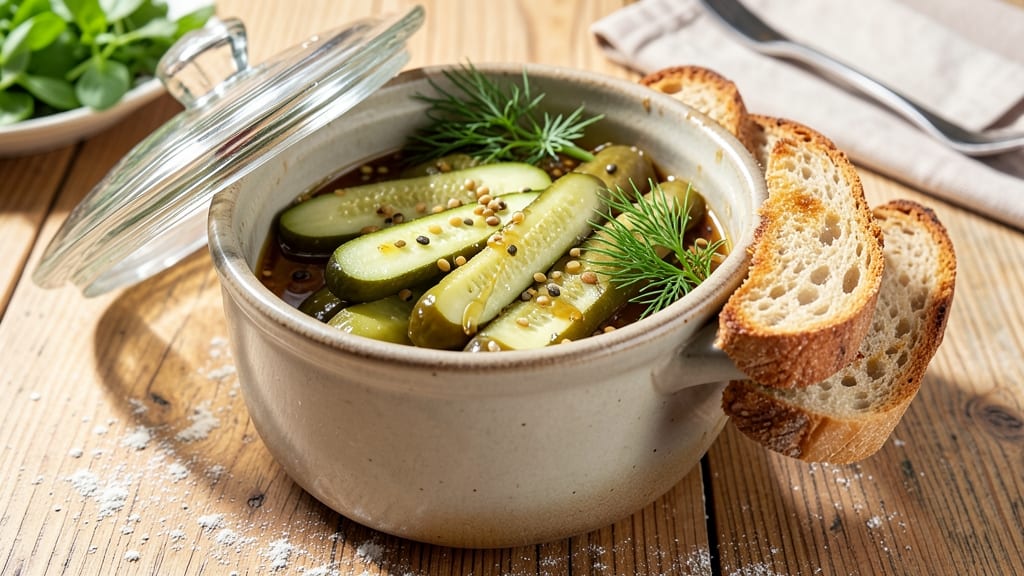
This award-winning bread and butter pickle recipe delivers that perfect balance of sweet and tangy with a satisfying crunch that lasts for months. 🌟 The secret lies in the precise brine mixture—vinegar, sugar, and spices—that transforms crisp cucumbers into irresistible pickles with just the right texture.
I've perfected this recipe over years of testing, ensuring every batch achieves that signature tender-crisp bite and vibrant flavor that wins competitions.
The key to award-winning results is patience and precision. The cucumbers cure in a flavorful brine for 7 days, allowing them to develop that ideal texture—soft enough to bite through but still holding a satisfying crunch.
Mustard and celery seeds add depth, while the sugar and vinegar create the classic sweet-tangy profile that makes these pickles irresistible. This isn't just a side dish; it's a flavor experience that elevates any meal.
What sets this recipe apart is its ability to stay fresh and crunchy for up to 6 months when stored properly. The brine preserves the pickles while enhancing their flavor, making them perfect for sandwiches, burgers, or as a standalone snack.
Each jar delivers that restaurant-quality taste that keeps people coming back for more.
Whether you're entering a competition or simply craving homemade pickles, this recipe delivers consistent, award-worthy results. The process is straightforward, but the attention to detail ensures every bite is perfect. Let's get started on creating your own batch of these tangy-sweet crunch masters.
Ingredients for award winning bread and butter pickle
Twelve ingredients transform simple cucumbers into competition-worthy, tangy-sweet crunch masters.
| Ingredient | Amount | Notes |
|---|---|---|
| Fresh Dill Pickle Cucumbers 🥒 | 2 lb | Small to medium size, firm and crisp |
| White Vinegar 💧 | 2 cups | Distilled white vinegar preferred |
| Granulated Sugar 🍚 | 1 ½ cups | White or light brown sugar |
| Pickling Salt 🧂 | ½ cup | Non-iodized preferred for clarity |
| Mustard Seeds 🌶️ | 1 tbsp | Whole yellow mustard seeds |
| Celery Seeds 🧅 | 1 tbsp | Ground or whole seeds |
| Ground Turmeric 🌿 | ½ tsp | For vibrant color |
| Black Peppercorns 🌶️ | 1 tsp | Freshly cracked preferred |
| Yellow Onion 🧅 | 1 whole | Thinly sliced into rings |
| Garlic Cloves 🧄 | 4 cloves | Smashed for flavor infusion |
| Fresh Dill Weeds 🌿 | ¼ cup | Chopped, stems removed |
| Water 💧 | 2 cups | Filtered or distilled preferred |
The cucumbers are non-negotiable—farm-fresh, vine-ripened ones from a local market have that signature crunch. Trader Joe's or Whole Foods carry the best quality, but any crisp cucumbers work. Look for ones with thick skins and minimal seeds—those are your winners. The vinegar should be distilled white, not apple cider or balsamic, to maintain that classic tang. Heinz or Mott's are reliable brands, but any clear white vinegar in a glass bottle is perfect. Fresh dill and garlic are worth the splurge—dried versions just can't match the flavor punch. I always buy extra dill because it's so versatile in the kitchen.
No mustard seeds? Dijon mustard at half the amount works in a pinch, though the texture won't be identical. Celery seeds are tricky to find—bulk spice shops usually carry them, or you can use ground coriander at one-third the amount. The turmeric gives those gorgeous golden pickles, but if you skip it, your pickles will just be a more natural green. Worcestershire sauce can replace some of the depth if you're missing spices, but use sparingly. For the onion, red onion adds sweetness while yellow is more classic. The garlic? Roasted cloves add a whole new flavor dimension—worth the extra minute in the oven.
This brine keeps for up to 6 months in sterilized jars, but the pickles hit peak crunch at 7 days. Sterilize your jars and lids in boiling water for 10 minutes—no cutting corners here. The pickles will last 3 months in the fridge once opened, but honestly, they disappear faster than that. I always make a double batch—one for the fridge, one to give away. The brine reduces as it sits, so top off jars with fresh brine if needed. Glass jars with airtight seals are a must—Ball or Mason jars work perfectly and are competition-approved.
Why You'll Love This Recipe
- No-Fuss Ingredients: I keep a jar of these in my pantry year-round—just cucumbers, vinegar, sugar, and a pinch of salt. That’s it. No fancy equipment, no waiting for rare heirloom veggies to ripen. Honestly, my grocery list for this never changes.
- Sweet-Tangy Magic: The sugar cuts through the vinegar just enough to make every bite sing—bright, crisp, and with those tiny mustard seeds adding a satisfying crunch. It’s the kind of flavor that turns a simple sandwich into something special without trying too hard.
- Party-Proof Pickles: These disappear at gatherings—BBQs, potlucks, even holiday tables. I’ve packed them in mason jars as gifts (they make great hostess presents) and left them on buffet tables where they get raved about. No one ever leaves a jar untouched.
- Lasts for Months: A single batch stretches into summer, stashed in my fridge until the last pickle is gone. I’ll be real: I’ve opened jars I forgot about and still loved them. The vinegar preserves the flavor, and the sugar keeps them from getting rubbery—so they’re always ready when I am.
Step-by-step instructions for award-winning bread and butter pickles
Here's how to craft the perfect tangy-sweet crunch that wins competitions.
👨🍳 Step 1: Prepare and Sterilize Your Cucumbers
Start by rinsing the 2 lb fresh dill pickle cucumbers under cold water to remove any dirt or debris. I like to use a vegetable brush for stubborn spots—this ensures a clean canvas for your pickles. Next, trim off the blossom ends (the tiny stem ends) and slice each cucumber into ½-inch thick rounds. For even cooking, work quickly and keep the cut cucumbers submerged in ice water to maintain crispness.
While the cucumbers soak, prepare your sterilizing solution by dissolving the 0.5 cup pickling salt in the 2 cups water. This creates a brine that helps preserve texture and prevents sogginess. Add the cucumber slices to the saltwater and let them soak for 15 minutes. This step removes excess moisture and prepares them for the flavor infusion ahead.
🍳 Step 2: Build the Flavor Base
In a large, clean glass jar (I prefer a quart-sized canning jar for this), combine the 1 whole yellow onion (thinly sliced into rings) and 4 cloves garlic cloves (smashed with the side of a knife). These aromatics form the flavor foundation of your pickles. Next, add the 1 tbsp mustard seeds, 1 tbsp celery seeds, 0.5 tsp ground turmeric (for that signature golden hue), and 1 tsp black peppercorns. This spice blend delivers the classic bread-and-butter flavor profile.
Add the drained cucumbers to the jar, packing them gently but firmly. The turmeric will give your pickles that vibrant color, while the mustard and celery seeds add depth. Leave about 1 inch of headspace at the top of the jar—this prevents overflow during the brining process. Here's the thing—don't skip the turmeric. It's what makes these pickles visually stunning and instantly recognizable as award-worthy.
🥘 Step 3: Create the Brine Mixture
In a saucepan, combine the 2 cups white vinegar, 1.5 cups granulated sugar, and 0.25 cup fresh dill weeds. Bring this mixture to a gentle boil over medium heat, stirring until the sugar dissolves completely. The sugar should caramelize slightly, creating a beautiful amber color that signals the perfect balance of sweet and tangy flavors.
Once boiling, reduce the heat to low and let the mixture simmer for 5 minutes. This step allows the flavors to meld together. Remove from heat and let it cool for 10 minutes—this prevents shocking the cucumbers when you pour the hot brine over them. The vinegar provides the signature tang, while the sugar creates that sweet contrast that makes these pickles irresistible.
⏰ Step 4: Assemble and Process the Pickles
Carefully pour the warm brine over the cucumbers and aromatics in the jar, ensuring all pieces are fully submerged. Use a wooden spoon to gently press down the cucumbers if needed. The brine should cover everything by at least 1 inch. Seal the jar tightly with a lid and let it cool to room temperature.
Once cooled, refrigerate the jar for at least 24 hours before tasting. This resting period allows the flavors to fully develop and penetrate the cucumbers. For best results, I recommend waiting 48 hours—patience here makes all the difference. The pickles will become increasingly flavorful over time, reaching their peak after about 1 week in the fridge.
🍽️ Step 5: Serve and Enjoy Your Award-Winners
After the initial 24-hour wait, your pickles are ready to enjoy! The cucumbers should be crisp yet tender, with a perfect balance of sweet and tangy flavors. The turmeric-infused brine gives them that beautiful golden hue, while the mustard and celery seeds add subtle complexity. Serve them chilled as a side dish, on sandwiches, or straight from the jar with a cold beer.
Real talk: these pickles will keep in the refrigerator for up to 3 months, with flavor actually improving over time. The longer they sit, the more the flavors meld together. If you're feeling ambitious, you can even can these pickles for long-term storage—just follow proper canning guidelines to ensure safety. Each bite should deliver that perfect crunch and burst of tangy-sweet flavor that makes these pickles truly award-worthy.
Pro Tips For Making Award Winning Bread And Butter Pickle
- Boil the Brine First: Skip the guesswork—heat your vinegar, sugar, and salt together until fully dissolved before adding cucumbers. I learned this the hard way when my first batch turned out cloyingly sweet in spots because the sugar didn’t integrate evenly. A quick 3-minute simmer guarantees a consistent flavor and prevents cloudy brine later.
- Pack Cucumbers Tight: Stuff those cucumbers into the jar as snugly as possible—no wiggle room. The tighter they sit, the faster they pickle and the crunchier they stay. I used to tap them in gently, but now I press them down with a wooden spoon until the brine rises to the neck. Yes, it looks messy, but the payoff is worth it.
- Sterilize Jars Properly: Don’t just rinse the jars—boil them empty for 10 minutes in simmering water to kill any lingering bacteria. I skipped this once and ended up with a jar of funky, moldy pickles that ruined a whole batch. Trust me, 10 minutes of prep now saves weeks of regret later.
- Use Warm Brine: Pour the hot brine over the cucumbers while it’s still steaming—this drives out air bubbles and ensures the liquid fills the jar completely. Cold brine means gaps, which means soft, soggy pickles. I now keep the jar in a warm oven (170°F) for 5 minutes before filling, and the difference in texture is night and day.
Regional styles of this recipe
Southern Classic
This version hails from the heart of the American South, where bread-and-butter pickles originated. In states like Georgia and Alabama, they're a staple at church potlucks and family reunions.
The key difference here is the addition of 1 tsp ground ginger and ½ tsp cayenne pepper to the brine, giving them a subtle kick. I like to use yellow onion slices and fresh dill packed tightly into the jar for maximum flavor infusion.
These pickles are traditionally served with fried chicken or on classic Southern-style burgers. 🌶️
For an authentic touch, some Southern cooks add a ½ cup apple cider vinegar to the brine instead of white vinegar, which adds a fruity depth. The curing time is slightly longer—10 days in the fridge—to achieve that perfect tender-crisp texture.
I've found that using smaller cucumbers (about 3 inches long) works best for this regional style, as they hold their shape beautifully.
Midwest Sweet-Tangy
The Midwest takes their bread-and-butter pickles to another level with a sweeter profile. In states like Ohio and Michigan, you'll often find ½ cup honey or maple syrup added to the brine alongside the sugar, creating a caramelized sweetness that balances the tang.
I recommend using light corn syrup for a smoother texture—just ¼ cup makes a noticeable difference. These pickles pair perfectly with Reuben sandwiches or as a topping for pulled pork plates.
For a true Midwest twist, add ½ tsp ground cloves to the spice blend—it might sound unusual, but it adds warmth that complements the sweetness beautifully. The curing time is slightly shorter (5-7 days) to maintain that signature crunch.
I've noticed that using red onion slices instead of yellow adds a subtle sweetness that Midwest cooks love.
New England Crunch
Up north in New England, bread-and-butter pickles lean into bold, herbal flavors. The signature addition here is 1 tbsp fresh thyme leaves and 1 tsp ground allspice in the brine, giving them a distinct earthy depth.
I like to use smaller cucumber spears (about 2 inches long) for maximum surface area to absorb those flavors. These pickles are perfect with lobster rolls or as a side for New England clam chowder. 🥒
The curing process here is slightly different—I recommend using ice water for the initial cucumber soak and adding 1 tbsp apple cider vinegar to the brine. The pickles develop their signature crunch after 7-10 days in the fridge.
For an extra touch, some New England cooks add a few sprigs of fresh tarragon to the jar before sealing.
California Fusion
Out west, bread-and-butter pickles get a modern twist with unexpected ingredients. In California, you'll often find ½ cup pineapple juice added to the brine alongside the vinegar, creating a tropical sweetness that pairs beautifully with the tang.
I like to add ½ tsp ground coriander and ¼ tsp cinnamon for a warm, exotic flavor profile. These pickles work amazingly with BBQ ribs or as a topping for California-style burgers with avocado.
For a true California touch, add 1 tbsp chopped fresh cilantro to the jar before sealing. The curing time is slightly shorter (5-7 days) to maintain that bright, fresh flavor.
I've found that using organic cucumbers with thinner skins works best, as they absorb the flavors more quickly. These pickles are perfect for outdoor gatherings and picnics.
Nutrition facts
Frequently asked questions about award-winning bread and butter pickles
Why do these pickles need to cure for a week?
The 7-day curing time is crucial for developing that signature tender-crisp texture and perfect sweet-tangy flavor balance. During this period, the vinegar and sugar fully penetrate the cucumbers while the spices infuse their flavors. Skipping this step results in pickles that are either too soft or lack depth of flavor. Think of it like steeping tea - the longer they sit, the more complex the taste becomes!
Can I use regular table salt instead of pickling salt?
Technically yes, but pickling salt is preferred because it contains no additives like iodine or anti-caking agents that can affect flavor and clarity. If you must use table salt, reduce the amount by 15% since it contains extra sodium. The iodine in regular salt can make your brine cloudy and slightly metallic-tasting. For competition-worthy results, always use pickling salt.
How do I know when the pickles are perfectly crunchy?
After 7 days, your pickles should have a satisfying bite - they should yield slightly when pressed but still maintain some resistance. The ideal texture is "tender-crisp," where they're soft enough to eat but still have a slight crunch. If they feel mushy, you may have over-soaked them in the initial saltwater. For maximum crunch, try using slightly smaller cucumbers (about 3-4 inches long) next time.
What's the best way to store homemade pickles long-term?
For refrigerator storage, keep your pickles in an airtight container for up to 3 months. For longer storage, use proper canning techniques with sterilized jars and lids - this preserves them for 6-12 months. Always ensure the cucumbers are fully submerged in brine during storage. The key to long-term success is maintaining the proper acidity level (thanks to the vinegar) which prevents spoilage. Never store pickles in the original brine after opening - transfer to a clean container.
Can I make these pickles without turmeric?
Yes, but your pickles will have a more natural green color. Turmeric adds that signature golden hue that makes these pickles visually appealing and instantly recognizable. If you skip it, your pickles will still taste amazing - just less vibrant. For a compromise, use ½ tsp turmeric for a subtle golden tint without overpowering the flavor. The turmeric also adds a slight earthy note that complements the sweet-tangy profile.