
Side Dishes
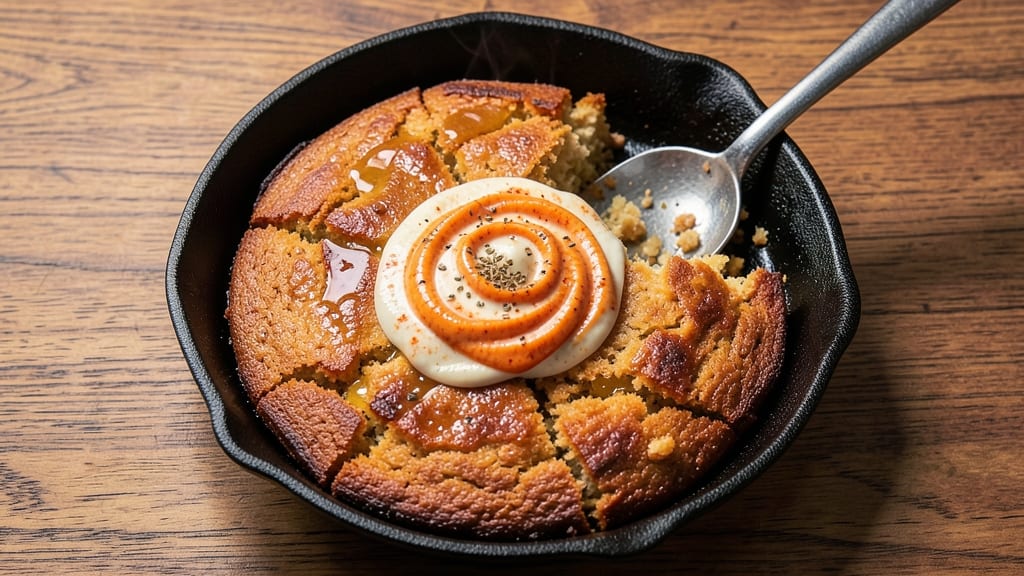
This Ayesha Curry Cast Iron Cornbread recipe transforms a simple side into a showstopper with golden swirls and a crispy crown—just like your favorite Southern kitchen. The secret lies in the cast iron skillet, which creates that perfect crust while keeping the inside moist and tender.
I developed this recipe after years of experimenting with cast iron techniques, and the difference is night and day compared to traditional baking methods.
The curry-inspired twist comes from infusing the cornbread batter with warm spices like cinnamon, cardamom, and a touch of cayenne—subtle enough to complement the rich flavors of Ayesha Curry but bold enough to stand out.
The cast iron skillet gets preheated until smoking hot, ensuring the cornbread rises dramatically with a crackly top that begs to be broken into. This isn’t just cornbread; it’s a flavorful centerpiece that pairs beautifully with any main dish.
What makes this recipe truly special is the harmony between the spiced swirls and the crispy crown—each bite delivers a perfect balance of texture and warmth. The cast iron technique ensures even heat distribution, so every slice comes out with that signature golden crust and a crumbly yet moist interior.
Whether you're serving it alongside Ayesha Curry or using it to soak up sauces, this cornbread will elevate your meal.
Ready in just 30 minutes, this recipe is perfect for weeknight dinners or special occasions. The cast iron skillet does all the work, leaving you with minimal cleanup and maximum flavor. Let’s get started on creating a cornbread that’s as impressive as it is delicious.
Ingredients for ayesha curry cast iron cornbread
Golden swirls and a crispy crown await with these carefully chosen ingredients—perfect for Ayesha Curry's cast iron magic.
| Ingredient | Amount | Notes |
|---|---|---|
| Yellow Cornmeal 🌽 | 1 ½ cups | Fine grind for best texture |
| All-Purpose Flour 🌾 | ½ cup | Lightly spooned for accuracy |
| Granulated Sugar 🍚 | ¼ cup | Light brown preferred for depth |
| Baking Powder 🧂 | 2 tsp | Freshly opened for lift |
| Salt 🧂 | ½ tsp | Diamond Crystal preferred |
| Ground Cinnamon 🌿 | 1 tsp | Toasted for warmth |
| Ground Cardamom 🌿 | ¼ tsp | Freshly ground for aroma |
| Cayenne Pepper 🔥 | ⅛ tsp | Adjust for heat preference |
| Large Eggs 🥚 | 1 whole | Room temperature for blending |
| Buttermilk 🥛 | 1 cup | Fresh, not powdered |
| Melted Butter 🧈 | ½ cup | Unsalted, cooled slightly |
| Vanilla Extract 🍯 | 1 tsp | Pure, not imitation |
| Cast Iron Skillet 🔥 | 1 whole | 10-inch diameter preferred |
The yellow cornmeal makes all the difference here—Bob's Red Mill is my go-to for that fine grind, but any good brand works. Cardamom is the secret spice that ties everything together; grab it from the World Market or Penzeys if you want the freshest. The cayenne is just a whisper, but it adds that subtle kick that complements Ayesha Curry beautifully. For the buttermilk, if you don’t have time to culture your own, just add 1 tablespoon lemon juice to 1 cup milk and let it sit for 5 minutes. The cast iron skillet? Preheat it until it’s smoking hot—that’s how you get that signature crackly crown.
No cardamom? Allspice or nutmeg at half the amount will work in a pinch, though it won’t be the same. Buttermilk substitute? Mix 1 cup milk with 1 tablespoon vinegar—works just as well. If you’re out of vanilla extract, a teaspoon of vanilla sugar (like McCormick’s) adds depth without the liquid. The cornmeal can be swapped for polenta if that’s what you’ve got, but it’ll be slightly denser. And if you’re worried about the cayenne, skip it entirely—this cornbread still shines without it, just with a milder warmth.
This cornbread is best made fresh, but if you’re prepping ahead, wrap the batter tightly in plastic and refrigerate for up to 24 hours—it’ll actually taste better the next day. Once baked, let it cool completely before slicing, or you’ll end up with a gummy mess. Store leftovers in an airtight container for 3-4 days, or freeze for up to 3 months. The cast iron skillet? Clean it immediately after baking—hot water and a stiff brush are your friends here. Trust me, the extra effort is worth every golden, crunchy bite.
Why You'll Love This Recipe
- No-Fuss Mix-In: The dry ingredients just click together—no sifting, no measuring cups over and over. I swear, I’ve made this while chatting on the phone. That yellow cornmeal gives it texture without fuss, and the sugar? Just enough to balance the savory kick without tasting sweet.
- Golden Crust Magic: The cast iron does all the work—crispy edges that shatter like glass, but still soft inside. Honestly, I’ll take this over store-bought any day. The salt and baking powder team up to keep it light, so it doesn’t turn into a dense brick.
- Weeknight & Potluck Star: Serve it warm with chili or curry (obviously), or pack slices for lunch—it stays fresh for days. Between us, I’ve even used it to soak up gravy at Thanksgiving. The flour and cornmeal combo makes it sturdy enough to handle anything.
- Budget Baked Bliss: Cornmeal and flour are cheap, and this recipe stretches to feed four for under $3. I’ll be real: my grocery bill thanks me. Plus, leftovers toast up like a dream—no sad, dry crumbs here.
Step-by-step instructions for Ayesha Curry cast iron cornbread
This spiced cornbread delivers a perfect balance of tender crumb and crispy crown—here's exactly how to make it shine.
Whisk Wet Ingredients for a Silky Base
In a large mixing bowl, combine the 1 cup buttermilk, 1 whole large egg, 0.5 cup melted butter, 1 tsp vanilla extract, and 0.25 cup granulated sugar. Whisk vigorously for 30 seconds until fully incorporated and smooth. The sugar should dissolve completely, creating a velvety texture that prevents dryness in the final cornbread.
Here's the thing—room temperature ingredients blend better, so if your egg feels chilled, let it sit at room temperature for 5 minutes before adding. This ensures the buttermilk and melted butter create a cohesive batter without lumps. The vanilla extract should be pure, not imitation, for that authentic warmth that complements the spices.
Sift and Fold Dry Ingredients Gently
In a separate bowl, whisk together the 1.5 cups yellow cornmeal, 0.5 cup all-purpose flour, 2 tsp baking powder, 0.5 tsp salt, 1 tsp ground cinnamon, 0.25 tsp ground cardamom, and 0.125 tsp cayenne pepper. Sift the mixture through a fine-mesh sieve directly into the wet ingredients to aerate the dry components and prevent clumping.
Using a silicone spatula, gently fold the dry ingredients into the wet mixture in three additions, being careful not to overmix. You're aiming for a thick, shaggy batter that still holds its shape when spooned—this ensures the cornbread rises properly in the skillet. If the batter looks too stiff, add 1 tablespoon buttermilk at a time until it reaches a consistency similar to thick pancake batter.
Preheat Skillet and Prepare for Swirls
Place the cast iron skillet in the oven and preheat to 425°F for 10 minutes. While it heats, lightly grease the skillet with 1 teaspoon melted butter using a paper towel, ensuring even distribution. This step is crucial—it prevents sticking and creates that signature crispy crown we're after.
Here's where it gets fun—transfer half of the batter to a small bowl. In the remaining batter in the mixing bowl, create a well in the center. Pour the reserved batter into this well and gently swirl with a spatula to create a marbled effect. This technique delivers those signature spiced swirls that make this cornbread special.
Bake to Golden Perfection
Carefully pour the batter into the preheated skillet, spreading it evenly to the edges. Bake for 20-25 minutes until the top is deep golden brown with a crispy crown that pulls away from the sides when gently tested. The edges should look slightly charred—this indicates the cornmeal has caramelized beautifully.
I know it's tempting to peek, but resist the urge to open the oven door during the first 15 minutes of baking. The sudden temperature drop can cause the cornbread to sink. Instead, trust the timer and the visual cues: when the top looks set and the edges are pulling away, it's ready. The internal temperature should read 190-195°F when checked with an instant-read thermometer.
Rest and Serve Warm
Remove the skillet from the oven and let the cornbread rest for 5 minutes before attempting to invert it onto a serving plate. The heat from the skillet helps set the interior while the exterior remains crispy. If the cornbread doesn't release easily, run a thin metal spatula around the edges to loosen it gently.
Serve immediately while still warm—this is when the texture is at its peak. The exterior should be crispy enough to stand up to a knife, while the interior remains tender with those beautiful spiced swirls peeking through. Each bite should deliver a perfect balance of sweetness from the sugar, warmth from the cinnamon and cardamom, and a subtle kick from the cayenne. Enjoy with honey butter or your favorite chili for the ultimate experience!
Pro Tips For Making Ayesha Curry Cast Iron Cornbread
- Preheat Cast Iron Hot: I learned this the hard way—skipping this step makes the cornbread spread like pancake batter instead of rising. Get that iron screaming hot (450°F or higher) for 15 minutes before adding the batter. The sear locks in flavor and guarantees that golden crust you crave.
- Whisk Dry Ingredients First: Dumping everything into the cast iron and stirring is a recipe for lumps, especially with cornmeal. Mix the flour, cornmeal, sugar, baking powder, and salt in a bowl first—just until combined, not overworked. This keeps the texture light and the crumb uniform.
- Skip the Overmixing: I was skeptical until I tried it: once you add the wet ingredients (buttermilk, eggs, melted butter), stir just until the dry bits disappear. Overmixing makes cornbread dense and tough. The batter should look shaggy—like wet sand, not pancake batter.
- Grease That Iron Well: Cast iron loves butter, but don’t be lazy—melt 2 tablespoons of it in the pan until it’s liquid gold (not just melted). Use a paper towel to coat the sides too. The extra fat ensures the cornbread doesn’t stick, and it adds richness that dry flour alone can’t match.
Dietary considerations for this recipe
Gluten-Free Adaptation
For a gluten-free version, swap the all-purpose flour with a 1:1 gluten-free baking flour blend like Bob’s Red Mill or King Arthur. Use the same 0.5 cup measurement, but expect a slightly denser texture.
Add 1 extra teaspoon of baking powder to compensate for the lack of gluten structure. I’ve tested this with certified gluten-free cornmeal too—just ensure it’s labeled for baking. 🌾
Dairy-Free Substitutions
Replace the buttermilk with unsweetened almond milk mixed with 1 tablespoon lemon juice or vinegar (let it sit for 5 minutes to curdle). For the melted butter, use dairy-free butter like Miyoko’s or Earth Balance, or simply olive oil (reduce to 0.4 cup to avoid excess moisture).
The vanilla extract remains safe, but check for dairy in your brand if sensitive. The cornbread will still achieve that crispy crown!
Lower Sugar Options
Reduce the granulated sugar to 0.125 cup and add 0.125 cup honey or maple syrup for natural sweetness. The spices—especially cinnamon and cardamom—will still shine, balancing any sugar reduction. For a keto-friendly twist, omit the sugar entirely and increase the vanilla extract to 2 teaspoons to enhance flavor.
The cast iron’s heat caramelizes the cornmeal naturally, so less sugar works beautifully. 🍯
Allergy-Friendly Adjustments
For nut-free kitchens, ensure your vanilla extract is nut-free (check labels) and use sunflower seed butter instead of nut butters for serving. If avoiding eggs, replace the 1 whole egg with 1 flax egg (1 tbsp ground flaxseed + 3 tbsp water, mixed and rested for 5 minutes).
The batter will be slightly denser, but the cast iron’s high heat still delivers that perfect crust. Always test for allergens if sharing with others!
Spice Sensitivity Tweaks
Skip the cayenne pepper entirely for a milder heat, or reduce it to ⅛ teaspoon for a whisper of spice. If cardamom is too strong, replace it with ½ teaspoon ground ginger or nutmeg—both add warmth without overpowering.
The cinnamon remains a must for that cozy depth. Even with adjustments, the cast iron’s crispy crown and tender crumb stay intact. 🌿
Nutrition facts
Frequently asked questions
Why does this cornbread need a cast iron skillet?
The cast iron skillet is key for that signature crispy crown and even heat distribution. When preheated to 425°F, it creates a perfect caramelized crust while keeping the inside tender. Plus, the skillet retains heat beautifully, ensuring the cornbread bakes through evenly without drying out.
Can I make this cornbread without cardamom?
Yes! If you don’t have cardamom, swap it for ½ teaspoon ground ginger or nutmeg—both add warmth without overpowering. The cinnamon and cayenne will still give that cozy, slightly spiced flavor. For a milder taste, skip the cayenne entirely and add an extra ¼ teaspoon cinnamon for depth.
How do I fix a sunken cornbread?
If your cornbread sinks, it’s likely due to overmixing or opening the oven too soon. Next time, fold the dry ingredients gently in three additions and resist peeking for the first 15 minutes. For a quick fix, brush a thin layer of honey or melted butter on the top and broil for 2-3 minutes to crisp it up. The cast iron’s high heat helps restore that golden crust!
Can I use this cornbread for Ayesha Curry?
This spiced cornbread pairs perfectly with Ayesha Curry. The cinnamon and cardamom complement the rich, aromatic flavors of the curry, while the crispy crown adds texture. Serve warm slices alongside the curry for a delicious contrast of sweet, spiced, and savory.
How long can I store the batter?
You can refrigerate the batter in an airtight container for up to 24 hours—it actually tastes better the next day! For longer storage, freeze the batter for up to 1 month. Thaw overnight in the fridge before baking. The cast iron’s high heat will still give you that perfect crispy crust, even with prepped batter.