
Desserts
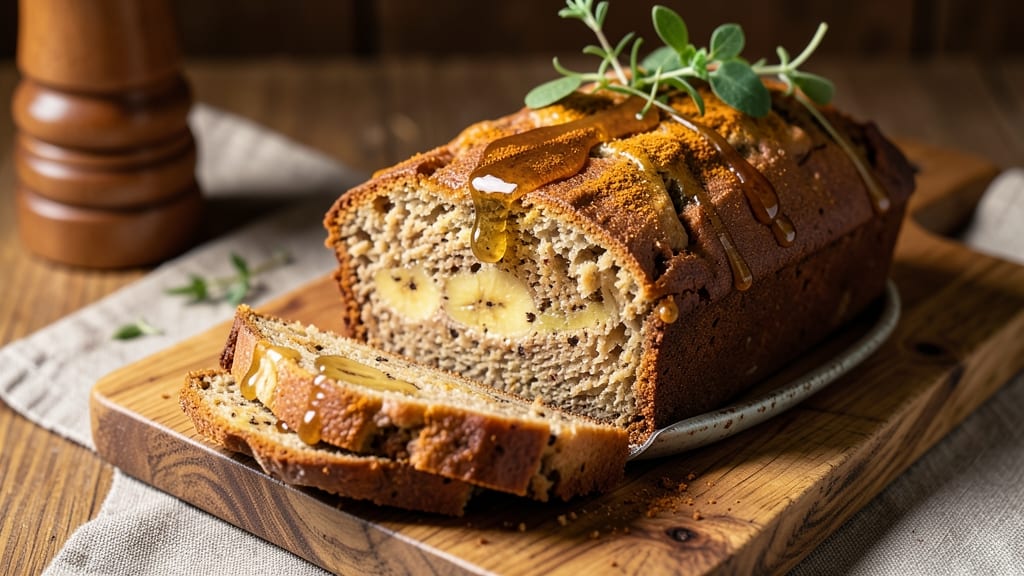
This Ayurvedic banana bread recipe transforms overripe bananas into a gut-friendly, warming loaf packed with cinnamon, turmeric, and cardamom—perfect for balancing Kapha energy. ✨ The secret lies in traditional spices that aid digestion while creating a moist, fragrant bread with natural sweetness from honey or maple syrup.
Unlike conventional recipes, this version prioritizes spice harmony over refined sugar, making it both nourishing and delicious.
What sets this apart is the intentional use of warming spices: turmeric for anti-inflammatory benefits, ginger for circulation, and cardamom to support digestion—all while maintaining that classic banana bread texture. The recipe includes optional ghee for richness or coconut oil for a vegan adaptation, ensuring flexibility for different dietary needs.
Baking at 350°F for 50-60 minutes yields a tender crumb with a subtle spiced aroma that fills your kitchen.
Beyond its flavor, this loaf is designed to support wellness—ideal for breakfast, a post-yoga snack, or a comforting treat. The spices work together to stimulate metabolism and soothe digestion, aligning with Ayurvedic principles while satisfying modern cravings.
Every bite delivers a balance of natural sweetness and earthy warmth, proving that healthy eating can be indulgent.
The best part? This recipe uses 5 simple ingredients (plus spices) and requires no special equipment—just a mixing bowl and oven. Whether you're new to Ayurveda or a seasoned practitioner, this banana bread offers a delicious way to incorporate traditional wisdom into everyday baking. Let’s get started!
Ingredients for ayurvedic banana bread
Five core ingredients plus Ayurvedic spices transform overripe bananas into a nourishing, warming loaf.
| Ingredient | Amount | Notes |
|---|---|---|
| Overripe Bananas 🍌 | 3 whole | Mashed, 2 cups equivalent |
| All-Purpose Flour 🌾 | 2 cups | Unbleached, sifted preferred |
| Coconut Oil (or Ghee) 🫒 | ½ cup | Melted, full-fat preferred |
| Raw Honey (or Maple Syrup) 🍯 | ½ cup | Unprocessed honey preferred |
| Ground Cinnamon 🌿 | 2 tsp | Ceylon cinnamon preferred |
| Fresh Turmeric Root 🌿 | 1 tsp | Grated, vibrant orange color |
| Ground Cardamom 🌿 | ½ tsp | True cardamom pods preferred |
| Ground Ginger 🌿 | 1 tsp | Freshly ground preferred |
| Baking Soda 🧂 | ½ tsp | Aluminum-free preferred |
| Sea Salt 🧂 | ½ tsp | Fine grain preferred |
| Vanilla Extract 🌸 | 1 tsp | Pure vanilla preferred |
| Walnuts (optional) 🌰 | ½ cup | Chopped, toasted preferred |
The bananas are the foundation—choose overripe (black spots) for maximum sweetness and moisture. Local farmers markets often have discounted overripe bananas, or simply let yours sit until they're perfectly spotted. For the spices, spice counters at Whole Foods or Indian grocery stores carry the highest quality Ceylon cinnamon and true cardamom pods—avoid pre-ground blends that lose potency quickly. Fresh turmeric root should be vibrant orange with no green patches, and ground ginger should smell bright and zesty (not musty). The coconut oil or ghee adds richness; ghee (clarified butter) enhances Ayurvedic properties, while coconut oil offers a vegan alternative with similar moistness.
No Ceylon cinnamon? Cassia cinnamon works in a pinch, though it's stronger—use half the amount. Substitute maple syrup for honey (equal parts) for a vegan option, but honey adds subtle antibacterial properties. Pre-ground spices lose flavor fast; if using, toast them in a dry pan for 30 seconds to revive aroma. For walnuts, toast them first—this intensifies their flavor and prevents bitterness. The vanilla extract should be pure, not imitation; Trader Joe's and Whole Foods carry excellent options. If you're short on time, pre-grated turmeric works, but fresh grated yields better color and anti-inflammatory benefits.
Store the baked loaf in an airtight container at room temperature for 3-4 days or refrigerate for up to 1 week—though it rarely lasts that long. For longer storage, wrap tightly in foil and freeze for up to 3 months. The spices in this bread actually improve overnight, as their flavors meld further. Slice before serving to maintain freshness; a serrated knife ensures clean cuts. For best results, bake in a light-colored loaf pan (dark pans can over-brown the edges) and avoid overmixing the batter—just combine until flour is moistened to keep the crumb tender.
Why You'll Love This Recipe
- No Waste Magic: I swear by this recipe for turning brown bananas into gold—no fancy prep, just mash and mix. The moment those speckled bananas hit the bowl, I’m already smiling because I know I’m saving money and keeping my fruit bowl from looking sad.
- Warm Spice Hug: That cinnamon isn’t just sprinkled—it’s worked into the batter, so every bite feels like a cozy hug. The honey or maple syrup? It caramelizes just enough to make this bread dangerously addictive, even without frosting.
- Breakfast or Snack: Honestly, this bread works anytime—slice it for toast with almond butter, pack it for lunch, or serve it warm with a drizzle of ghee. My kids grab it straight from the pan (yes, even on a Tuesday night), and I never have to plan ahead.
- Budget-Friendly Staple: Flour, bananas, coconut oil—these are pantry basics that won’t break the bank. A single loaf lasts my family five days, and the leftovers? Perfect for quick toast or crumbled into oatmeal. No guilt, just satisfaction.
Step-by-step instructions for Ayurvedic banana bread
This method balances Ayurvedic principles with simple technique for a moist, spiced loaf that supports digestion.
👨🍳 Step 1: Prepare the Banana Puree and Warm Spices
Preheat your oven to 350°F and grease a 9x5-inch loaf pan with coconut oil or ghee. In a medium bowl, mash the 3 whole overripe bananas until completely smooth—no lumps remain. The riper the bananas, the sweeter and more flavorful your bread will be.
In a small saucepan, gently warm the 0.5 cup coconut oil (or ghee) and 0.5 cup raw honey (or maple syrup) over low heat for 2 minutes until just combined. Remove from heat and stir in the 2 tsp ground cinnamon, 1 tsp freshly grated turmeric root, 0.5 tsp ground cardamom, and 1 tsp ground ginger. This creates a fragrant spice blend that enhances digestion while adding warmth to the bread.
👨🍳 Step 2: Combine Wet and Dry Ingredients
In a separate large bowl, whisk together the 2 cups all-purpose flour, 0.5 tsp baking soda, and 0.5 tsp sea salt. Sift if your flour isn't pre-sifted—this prevents dense pockets in the final loaf. Create a well in the center and pour in the banana puree mixture along with the 1 tsp vanilla extract.
Using a wooden spoon or spatula, gently fold the wet and dry ingredients together until just combined. Avoid overmixing—you should still see small flour streaks. If using, fold in the 0.5 cup chopped walnuts at this stage. The walnuts add crunch and support Vata balance, but they're optional for those preferring a softer texture.
🥘 Step 3: Bake with Ayurvedic Precision
Pour the batter into the prepared loaf pan and smooth the top with a wet spatula. Bake for 50-55 minutes until a toothpick inserted into the center comes out clean and the top springs back when pressed gently. The bread should have a golden-brown hue with subtle crackling on the surface—this indicates proper caramelization.
Here's the Ayurvedic touch: After 40 minutes, tent the pan with aluminum foil to prevent over-browning while maintaining moisture. This slow baking method allows the spices to infuse fully while keeping the crumb tender. The turmeric will give the bread a subtle golden color, while the ginger and cardamom create a warming aroma that permeates your kitchen.
⏰ Step 4: Cool and Rest for Optimal Texture
Remove the bread from the oven and let it cool in the pan for 10 minutes before transferring to a wire rack. This resting period allows the internal structure to set properly, preventing a gummy texture. The bread should be warm but not hot to the touch when you serve it—this ensures each slice maintains its moist, tender quality.
For best results, store any leftovers in an airtight container at room temperature for up to 3 days or refrigerate for 5 days. The spices in this recipe actually enhance with time, making the flavor profile more complex as the ingredients meld. When reheating, wrap slices in a damp paper towel and warm in the microwave for 15-20 seconds to restore moisture.
Pro Tips For Making Ayurvedic Banana Bread
- Mash Bananas Properly: No one likes gummy bread, and that’s what happens when you skip this. Use a fork to smash the overripe bananas until there’s no visible pulp—think smooth like hummus, not chunky like mashed potatoes. If you’re using a blender, pulse just until combined, then stir by hand to avoid a gluey batter.
- Preheat Pan and Oven: Cold pans and lukewarm ovens are the enemy of even baking. Preheat your loaf pan in the oven for 5 minutes while the oven cranks up to 350°F (175°C)—this guarantees the bread rises straight and doesn’t sink in the middle. Trust me, your first slice will taste noticeably better.
- Don’t Overmix the Batter: I used to think more stirring meant better texture, but this dough only needs a gentle fold. Once you’ve combined the wet and dry ingredients, mix just until the flour disappears—any more and you’ll end up with a dense, tough loaf. Think "combined, not beaten."
- Use Ghee for Moisture: Coconut oil works, but ghee is the real MVP here. It adds richness and keeps the bread moist for days—especially important since this isn’t your average banana bread. Melt ¼ cup (or about 50g) and let it cool slightly before mixing; room-temperature ghee blends smoother and prevents a greasy texture. (Yes, it’s worth the extra step.)
Serving suggestions for leftovers
Morning Energy Boost
Serve warm slices with a dollop of homemade almond butter (blend 1 cup almonds + 2 tbsp honey) for a protein-packed breakfast that balances Kapha energy. The cinnamon in the bread pairs beautifully with almond's nutty warmth, creating a satisfying contrast.
I like to sprinkle toasted coconut flakes on top for added texture and a tropical touch. 🌅
Yoga Session Fuel
Pair with warm turmeric golden milk (heat 1 cup coconut milk + ½ tsp turmeric + pinch of black pepper + 1 tsp honey) for a post-practice treat that calms the mind while supporting digestion.
The ginger in the bread complements the golden milk's spiced profile, creating a harmonious flavor combination that aids circulation. Serve with a handful of walnuts on the side for extra Vata-balancing benefits.
Afternoon Pick-Me-Up
Create a banana bread toast by lightly toasting slices and spreading with cream cheese mixed with ½ tsp cardamom. Add thin banana slices and a drizzle of maple syrup for a deconstructed dessert that feels indulgent yet nourishing.
This combination satisfies sweet cravings while keeping blood sugar stable—perfect for an afternoon energy dip. 🍯
Evening Wind-Down
Serve with chamomile tea and a small bowl of warm apple compote (simmer 2 diced apples + 1 tsp cinnamon + 1 tbsp honey) for a comforting bedtime ritual.
The warm spices in the bread and tea work together to promote relaxation while supporting digestion before sleep. The apple compote adds a refreshing contrast to the rich banana bread.
Gift-Worthy Presentation
Wrap individual slices in parchment paper tied with twine for a beautiful, portable gift. Add a small jar of spiced honey (mix ½ cup honey + ½ tsp cinnamon + pinch of turmeric) for dipping.
This presentation makes it perfect for sharing with friends or including in wellness-focused care packages. The natural sweetness of the bread pairs wonderfully with the honey's depth.
Meal Prep Hack
Slice the bread into thick ½-inch pieces and store in a glass container with parchment between layers to prevent drying. Reheat individual portions in the oven at 300°F for 5-7 minutes for a crispy exterior while keeping the interior moist.
Pack with a small container of almond butter for a balanced, grab-and-go snack that fuels both body and mind throughout the day.
Nutrition facts
Frequently asked questions
Why does this recipe use overripe bananas instead of regular ones?
The overripe bananas are packed with natural sweetness and moisture, reducing the need for extra sugar while creating a richer flavor. Their high sugar content also helps balance the earthy warmth of the spices like cinnamon and cardamom, making the bread more fragrant and satisfying. Plus, using overripe bananas helps reduce food waste!
Can I make this recipe vegan?
Yes! Simply replace the honey with maple syrup or agave nectar and use coconut oil instead of ghee. For extra richness, add 1 tbsp flaxseed meal mixed with 3 tbsp water to replace the eggs (if using). The texture will still be moist and tender, though slightly denser than the original.
How do the spices in this bread support Ayurvedic balance?
This recipe focuses on warming spices that help balance Kapha dosha—turmeric reduces inflammation, cinnamon stimulates circulation, and cardamom aids digestion. Ginger adds a digestive kick, while the natural sweetness of ripe bananas satisfies cravings without heaviness. Together, they create a light yet nourishing treat perfect for cooler seasons or sluggish digestion.
What's the best way to tell when the bread is fully baked?
Insert a toothpick into the center—it should come out clean with just a few moist crumbs. The edges should pull away slightly from the pan, and the top should spring back when gently pressed. If the top browns too quickly, tent with foil after 40 minutes to prevent over-browning while keeping the interior moist.
Can I substitute any of the spices?
If you're missing a spice, try these swaps: No cardamom? Use ½ tsp nutmeg for warmth. No turmeric? Add ½ tsp cumin for earthiness. No cinnamon? Use ½ tsp allspice for depth. Just remember—each spice contributes unique Ayurvedic benefits, so substitutions may slightly alter the flavor profile and digestive benefits.