
Side Dishes
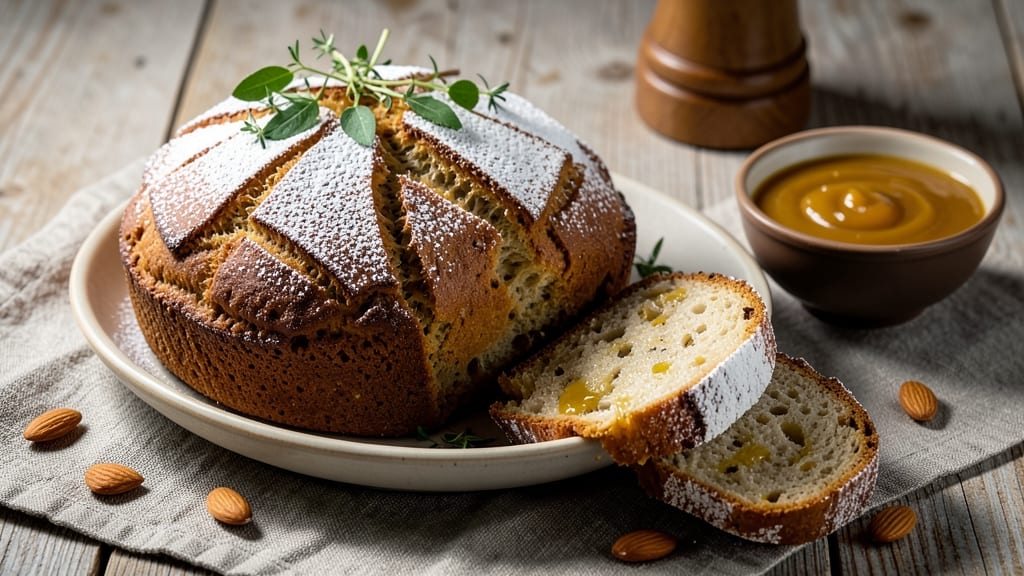
This Azores sweet bread recipe brings the islands' golden tradition to your kitchen with its signature cinnamon swirls and crispy crown. 🌟 The secret lies in the dough's tender crumb and aromatic spices that transform a simple loaf into a celebration-worthy centerpiece.
I've adapted the traditional Portuguese method to work perfectly in home ovens, ensuring that every bite delivers that melt-in-your-mouth texture and warm sweetness.
What makes this recipe special is the balance between simplicity and tradition. The dough combines basic pantry staples with a touch of anise or cinnamon for that authentic Azores flavor, while the swirl technique creates those iconic, caramelized patterns.
Baking at the right temperature ensures a crispy exterior and a soft, pillowy interior that's impossible to resist. This bread isn't just a side—it's a taste of the Azores' culinary heritage.
The result is a loaf with a golden, crackly crown and tender, sweet crumb that's perfect for breakfast, dessert, or as a special treat.
The aroma alone will fill your kitchen with warmth, while the flavor combines the comforting sweetness of cinnamon with the subtle anise notes that define this Portuguese classic. Whether you're serving it fresh from the oven or reheated, this bread is guaranteed to impress.
Best of all, this recipe is adaptable. You can adjust the sweetness to your taste or experiment with different spices like cardamom for a unique twist.
The instructions are designed to work in standard home ovens, making it accessible for any home baker. Let's bring a little Azores charm to your kitchen!
Ingredients for azores sweet bread
Pantry staples meet Azores tradition—just 12 ingredients for a loaf that tastes like sunshine.
| Ingredient | Amount | Notes |
|---|---|---|
| All-Purpose Flour 🌾 | 5 cups | Sifted for light texture |
| Granulated Sugar 🍚 | ¾ cup | White or light brown |
| Unsalted Butter 🧈 | 1 cup | Cold, cubed for dough |
| Large Eggs 🥚 | 2 whole | Room temperature |
| Milk 🥛 | ½ cup | Warm, not hot |
| Active Dry Yeast 🍞 | 2 ¼ tsp | Instant yeast works too |
| Ground Cinnamon 🌶️ | 2 tbsp | Freshly ground preferred |
| Ground Anise Seeds 🌿 | 1 tsp | Or anise extract |
| Salt 🧂 | 1 tsp | Diamond Crystal preferred |
| Vanilla Extract 🍯 | 1 tsp | Pure vanilla preferred |
| Turbinado Sugar 🍚 | ¼ cup | For topping, coarse |
| Heavy Cream 🥛 | ¼ cup | For brushing |
The flour is your foundation. King Arthur or Gold Medal work best for that tender crumb. If you're in a rush, King Arthur's bread flour gives extra lift, but all-purpose does the trick too. Butter matters here—use European-style butter if you can find it (higher fat content), but any unsalted butter works. For the yeast, check the expiration date—old yeast won't activate properly. I keep mine in the freezer and take out what I need for the day. The anise seeds can be tricky to find, but Trader Joe's or Penzeys usually have them. If you can't find whole seeds, anise extract works in a pinch (use half the amount).
No anise seeds? Cardamom or fennel seeds add a nice twist, though the flavor won't be identical. Running low on butter? Coconut oil works in a bind, but it changes the texture slightly. The turbinado sugar is for that signature crust—if you can't find it, brown sugar with a pinch of salt mimics the flavor. For the cinnamon, Penzeys or McCormick are reliable brands, but any good-quality ground cinnamon will do. The vanilla extract should say 'pure' on the bottle—imitation won't give you that authentic Azores warmth. Pro tip: if your kitchen is cold, warm the milk to 110°F before adding yeast to help it activate faster.
This dough is best made fresh, but you can prep it 12 hours ahead and let it rise overnight in the fridge. The flavor actually improves! Store leftovers wrapped at room temperature for 2-3 days or freeze for 3 months. To reheat, wrap in foil and warm in a 350°F oven for 10 minutes. The crust gets crispy again, just like fresh from the oven. For extra decadence, brush the warm loaf with melted butter and a sprinkle of cinnamon sugar—trust me, it's worth the extra minute.
Why You'll Love This Recipe
- Pantry-Friendly Magic: I swear by this one—no exotic ingredients, just flour, sugar, butter, eggs, and milk. The kind of recipe where you open your cabinets and boom, you’re halfway there. Even my lazy Sundays don’t stand a chance.
- Buttery-Sweet Bliss: That rich, caramelized crust? Pure perfection. The butter and sugar work their magic while you’re busy with other things, leaving you with a tender, lightly crispy loaf that tastes like a hug from your abuela.
- Breakfast to Dessert: Serve it warm with jam for breakfast, toast it for a snack, or even slice it thin for a dessert plate. Honestly, I’ve caught myself eating it straight from the pan—no judgment here.
- Leftovers That Last: One batch feeds my whole family for days. Freezes like a dream, so I always have a backup when life gets hectic. Plus, it’s cheap enough to bake twice a week without blinking. Win-win.
Step-by-step instructions for Azores sweet bread
Here's how to craft this iconic Azorean treat with perfect swirls and golden crust.
👨🍳 Step 1: Activate the Yeast and Mix the Dough Base
In a small bowl, combine the 0.5 cup warm milk with the 2.25 tsp active dry yeast and let it sit for 5-10 minutes until frothy. This tells you your yeast is alive and ready to work. If it doesn't bubble, start over with fresh yeast.
In a large mixing bowl, whisk together the 5 cups all-purpose flour (sifted), 0.75 cup granulated sugar, 2 tbsp ground cinnamon, 1 tsp ground anise seeds, and 1 tsp salt. Add the yeast mixture, 2 whole large eggs, and 1 tsp vanilla extract. Mix until just combined—you'll still see dry spots, which is perfect for developing gluten.
👨🍳 Step 2: Incorporate the Butter and Knead
Cut the 1 cup cold unsalted butter into small cubes and add them to the dough. Using your hands or a dough hook, knead on medium speed for 3-4 minutes until the butter is fully incorporated and the dough comes together. It should be soft but not sticky—add a little more flour if needed.
Turn the dough out onto a lightly floured surface and knead for another 2-3 minutes until smooth and elastic. The dough should feel slightly tacky but not wet. Shape it into a round loaf and place it back in the bowl. Cover with a damp towel and let it rise in a warm place for 1-1.5 hours or until doubled in size.
🥘 Step 3: Create the Cinnamon Swirls
Once the dough has risen, punch it down to release the air. On a lightly floured surface, roll the dough into a 12x16-inch rectangle. Spread the remaining 2 tbsp ground cinnamon evenly over the surface, leaving a 1-inch border around the edges.
Starting from the long side, tightly roll the dough into a log, sealing the edge well. Use a sharp knife to slice the log into 8 equal pieces. Arrange them in a circle on a parchment-lined baking sheet, leaving a small gap between each piece. Cover loosely with a towel and let them rise for another 30-45 minutes until puffy.
🔥 Step 4: Bake to Golden Perfection
Preheat your oven to 375°F. Brush the tops of the rolls with the 0.25 cup heavy cream and sprinkle evenly with the 0.25 cup turbinado sugar. Bake for 18-22 minutes until the tops are deep golden brown and the internal temperature reaches 190°F.
Here's the thing—don't open the oven during baking. The steam is what creates that signature crusty crown. If you peek, you'll lose that moisture and end up with dry bread. Let them bake until they're golden and smell like cinnamon heaven.
⏰ Step 5: Rest and Serve Warm
Transfer the bread to a wire rack and let it cool for 5-10 minutes before serving. This resting time allows the bread to set slightly, making it easier to slice. The rolls should have a crispy, crackly top with a soft, pillowy interior filled with cinnamon swirls.
For the best experience, serve them warm with a dusting of extra cinnamon or a side of vanilla ice cream. The anise seeds add a subtle licorice note that's truly Azorean—don't skip them! Store any leftovers in an airtight container for up to 3 days, but they're best enjoyed fresh.
Pro Tips For Making Azores Sweet Bread
- SOFTEN THE BUTTER FIRST: I learned this the hard way—trying to mix cold butter into the dough just makes it fight you. Let that unsalted butter sit at room temperature for at least 30 minutes (or microwave it for 10 seconds if you're impatient), so it blends smoothly into the flour and sugar. The dough will thank you with a lighter crumb.
- USE WARM MILK: Cold milk makes the dough sluggish and hard to handle. Heat the milk until it’s just warm to the touch (about 100°F/38°C), then let it cool slightly before adding it to the wet ingredients. This helps activate the yeast (if using) and creates a dough that’s easier to knead and shape—no more wrestling with a stubborn lump.
- DON’T OVERKNEAD THE DOUGH: This dough is delicate, and too much handling develops the gluten, turning it dense instead of tender. Knead just until the ingredients come together—about 5-7 minutes by hand or 3-4 minutes in a mixer. Stop when the dough pulls away cleanly from the bowl, even if it doesn’t look perfectly smooth.
- LET IT PROOF LONGER: Rushing the proofing is how you end up with a flat, sad loaf. Give the dough at least 1.5–2 hours to rise in a warm spot (like a turned-off oven with a bowl of hot water inside) until it’s puffy and springs back slowly when poked. Patience here makes all the difference—no one likes a compact, brick-like bread.
Perfect pairings for this azores sweet bread
Breakfast Pairings
Start your day with Azores sweet bread alongside a classic Portuguese egg tart—the salty, flaky pastry balances the bread's sweetness perfectly. I love serving it with scrambled eggs and crispy bacon for a hearty Azores-inspired breakfast.
The cinnamon swirls add warmth to coffee or strong Portuguese black tea (like Chá da Ilha Terceira). 🌟
Dessert Combinations
For a decadent dessert, pair this bread with vanilla bean ice cream—the creamy texture contrasts beautifully with the crispy crust. A drizzle of honey or caramel sauce adds extra richness.
In the Azores, locals often serve it with queijada (a local cheese dessert) for a sweet-and-salty twist. A sprinkle of toasted almonds adds crunch and texture.
Coffee & Tea Pairings
A strong espresso or Azores-style coffee (like Bica) cuts through the bread's sweetness, enhancing its cinnamon and anise notes. For tea lovers, Earl Grey or chamomile tea complements the warm spices.
I also enjoy it with Portuguese red wine (like Madeira) for a cozy after-dinner treat. The wine's acidity balances the bread's richness beautifully.
Savory Contrasts
For a unique twist, serve the sweet bread alongside smoked ham or manchego cheese—the salty, savory flavors create a delightful contrast. A fig jam or orange marmalade spread adds a tangy brightness.
In the Azores, this pairing is common during festive meals, where the bread serves as both dessert and a sweet accompaniment to cured meats. 🍯
Seasonal Variations
In summer, pair the bread with fresh berries and whipped cream for a light dessert. During winter, warm it with spiced cider or mulled wine for a cozy treat.
The bread's versatility makes it perfect for any season—whether you're serving it at breakfast, brunch, or dessert. The key is balancing its sweetness with complementary flavors. ✨
Nutrition facts
Frequently asked questions
Can I make this Azores sweet bread without anise seeds?
While anise seeds add that authentic Azores flavor, you can substitute 1 tsp ground cardamom or ½ tsp fennel seeds for a similar aromatic note. For a simpler version, just use an extra ½ tsp cinnamon—the sweetness will still shine through. The bread will taste different but remain delicious.
Why does my dough feel too sticky?
Sticky dough usually means you need a bit more flour or the butter wasn't cold enough. Sprinkle 1-2 tbsp extra flour onto your work surface and knead gently to absorb the moisture. If the dough still feels too wet, chill it in the fridge for 15-20 minutes before shaping. Cold butter helps create a lighter texture.
How do I store leftovers to keep them fresh?
Wrap cooled bread tightly in plastic wrap or place in an airtight container to prevent drying. It stays fresh at room temperature for 2-3 days. For longer storage, freeze the whole loaf for up to 3 months. To reheat, wrap in foil and warm at 350°F for 10 minutes—the crust will crisp up again.
Can I make this bread in a bundt pan instead of rolls?
Yes! Shape the dough into a single round loaf and place it in a greased 10-inch bundt pan. Bake at 350°F for 30-35 minutes until golden. The swirl technique works best with individual rolls, but a bundt pan creates a beautiful centerpiece. Brush with cream and sprinkle sugar just before baking.
What's the secret to that perfect crackly crust?
The crust comes from the turbinado sugar topping and not opening the oven during baking. Brush the rolls with heavy cream right before baking, then sprinkle sugar evenly. The steam trapped inside creates that signature crackly texture. For extra crispiness, bake for 1-2 extra minutes until deeply golden.