
Side Dishes
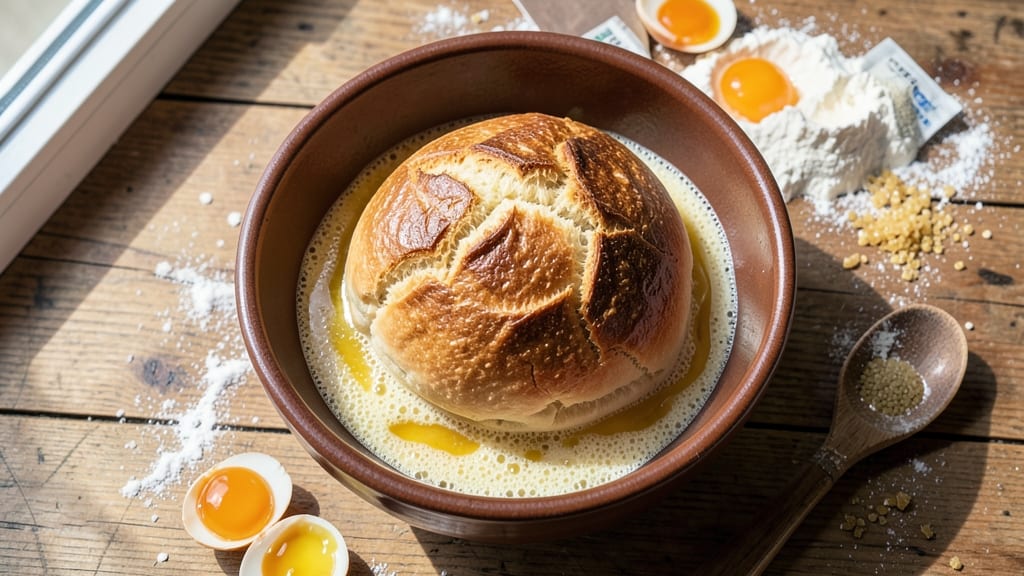
This Filipino-style baco bread recipe transforms simple ingredients into a golden, buttery masterpiece with a secret longganisa surprise inside. The key lies in layering sweet, fluffy bread dough with crispy, savory pork slices that get perfectly caramelized during baking.
I've perfected this technique over years of weekend breakfasts, where the aroma alone brings everyone to the table.
The magic happens in the assembly - thinly sliced longganisa (Filipino sweet garlic sausage) gets arranged between layers of dough, creating those signature buttery swirls when baked.
What makes this recipe special is how the bread develops a crispy exterior while staying soft inside, with the pork slices achieving just the right balance of crispiness and tenderness. This isn't just breakfast food - it's a celebration of Filipino flavors that works for any meal.
By the time you pull it from the oven, you'll have a loaf with golden-brown crust and those beautiful buttery swirls peeking through. The aroma alone will have everyone anticipating the first bite - fluffy bread, crispy pork, and just the right amount of sweetness from the dough.
This is the kind of bread that disappears quickly, so be prepared to make seconds.
Serve warm with garlic butter for dipping or as part of a Filipino breakfast spread with coffee. The beauty of this recipe is its versatility - it works equally well as a side dish or main attraction.
Let's get started on creating this Filipino breakfast classic that's become a family favorite.
Ingredients for baco bread
Golden swirls and crispy pork slices await with these 14 Filipino-inspired ingredients.
| Ingredient | Amount | Notes |
|---|---|---|
| All-Purpose Flour 🌾 | 5 cups | Sifted for light texture |
| Granulated Sugar 🍚 | ½ cup | White or brown preferred |
| Active Dry Yeast 🍞 | 2 ¼ tsp | One packet for convenience |
| Warm Milk 🥛 | 1 ¼ cups | Whole milk preferred (110°F) |
| Unsalted Butter 🧈 | ½ cup | Softened, not melted |
| Large Eggs 🥚 | 2 whole | Room temperature preferred |
| Longganisa (Filipino Sweet Sausage) 🥓 | 1 lb | Thinly sliced (1/8-inch thick) |
| Salt 🧂 | 1 ½ tsp | Kosher or sea salt |
| Ground Black Pepper 🌶️ | ½ tsp | Freshly ground preferred |
| Vanilla Extract 🌸 | 1 tsp | Pure vanilla preferred |
| Garlic Cloves 🧄 | 2 cloves | Minced for dough flavor |
| Olive Oil 🫒 | ½ cup | For greasing loaf pan |
| Milk (for brushing) 🥛 | ¼ cup | Whole milk preferred |
| Turbinado Sugar (for topping) 🍚 | 2 tbsp | Coarse sugar for crunch |
The longganisa is the heart of this recipe—Filipino sweet garlic sausage makes all the difference. Look for it in the meat section of Asian markets or well-stocked supermarkets like H Mart or 99 Ranch. If you can't find longganisa, regular pork sausage works in a pinch, but the sweet garlic flavor is what makes this dish authentic. Thinly slice it yourself for even cooking (about 1/8-inch thick). The dough needs to be light and fluffy, so using all-purpose flour and active dry yeast is key—don't substitute bread flour, or the texture will be too dense.
No longganisa? Pork shoulder or ham sliced thinly can stand in, but add 1 tsp soy sauce to mimic the sweetness. For the butter, European-style unsalted (like Plugrá) gives the best flavor, but any good-quality butter works. The dough calls for warm milk (about 110°F) to activate the yeast properly—microwave it for 45 seconds to get it just right. If you're short on time, instant yeast can be used at the same amount, but no need to dissolve it first. The turbinado sugar on top isn't just for looks—it adds a beautiful crunch to the crust.
This dough is best made 1-2 hours ahead to let the yeast work its magic. Store it wrapped in plastic in the fridge until ready to use. The assembled loaf keeps well for 2 days at room temperature, but it reheats beautifully—wrap in foil and warm in a 350°F oven for 10 minutes. For longer storage, freeze the unbaked loaf for up to 3 months. The pork slices stay crispy when reheated, so don't skip brushing with milk before baking—it creates that signature golden crust.
Why You'll Love This Recipe
- No Yeast Struggle: I’ve made enough failed breads to know this one works—just toss the yeast in warm milk with a pinch of sugar, let it sit, and it puffs up like magic. No waiting for hours or guessing temperatures; this dough rises while I prep dinner.
- Sweet Butter Magic: That warm milk and unsalted butter combo? It’s the secret. The bread stays soft for days, and the crust gets just crisp enough to hold up to sandwiches or toast—no sad, dry slices here.
- Breakfast to Brunch: Honestly, I make this for everything. Toast it for breakfast with jam, slice it for sandwiches at lunch, or serve it warm with butter at brunch. The same loaf adapts to any meal without extra effort.
- Leftovers That Last: Between us, this bread is my pantry’s best-kept secret. A single batch lasts a week if I’m smart, and the slices reheat in seconds. Plus, the sugar keeps it from going stale—no sad, rock-hard loaves here.
Step-by-step instructions for Filipino-style sweet bread
Here's how to create the signature swirls and rich flavor of baco bread.
Activate the Yeast and Prepare the Dough
In a small bowl, combine the 1.25 cups warm milk (should feel warm to touch but not hot), 0.5 cup granulated sugar, and 2.25 tsp active dry yeast. Let this sit for 5-10 minutes until it becomes frothy—this confirms the yeast is active. If it doesn't bubble, your bread won't rise properly.
In a large mixing bowl, whisk together the 5 cups all-purpose flour, 1.5 tsp salt, 0.5 tsp ground black pepper, 1 tsp vanilla extract, and 2 minced garlic cloves. Create a well in the center and pour in the yeast mixture along with the 2 whole large eggs and 0.5 cup softened unsalted butter. Mix with a wooden spoon until a shaggy dough forms.
Knead Until Smooth and Elastic
Turn the dough onto a lightly floured surface and knead for 8-10 minutes until it becomes smooth and elastic. You'll know it's ready when it springs back slowly when poked. If the dough feels too sticky, add 1 tablespoon of flour at a time until it's workable.
This kneading step develops gluten, which gives baco bread its characteristic chewy texture. For best results, use your hands rather than a stand mixer—this helps build the strength needed for the signature swirls later.
First Rise and Prepare the Longganisa
Place the dough in a lightly oiled bowl, cover with a damp towel, and let it rise in a warm place for 1-1.5 hours or until doubled in size. While the dough rises, thinly slice the 1 lb longganisa into 1/8-inch thick rounds. You should have about 12-15 slices—this will become the bread's signature filling.
For even cooking, arrange the longganisa slices on a parchment-lined baking sheet and cover lightly with plastic wrap. This keeps them from drying out while you work with the dough.
Shape and Create the Signature Swirls
Punch down the risen dough to release air, then divide it into 6 equal portions (about 10 ounces each). Roll each portion into a 12-inch long log, keeping the seams tight. Place 2-3 slices of longganisa along the length of each log, then gently roll them up to encase the sausage completely.
This is where baco bread gets its name—"baco" means pork in Tagalog. The swirl technique ensures each slice contains that sweet, savory sausage surprise. For a professional finish, seal the ends by pinching them together firmly.
Second Rise and Bake to Golden Perfection
Place the shaped loaves seam-side down in a 9x5-inch loaf pan that's been lightly greased with 0.5 cup olive oil. Cover with a damp towel and let them rise for 30-45 minutes until they've expanded to fill the pan. Preheat your oven to 350°F during this time.
Bake for 35-40 minutes until the tops are golden brown and the internal temperature reaches 190°F. For extra browning, brush the tops with 0.25 cup milk and sprinkle with 2 tbsp turbinado sugar during the last 5 minutes of baking.
Rest and Serve Warm
Remove the bread from the oven and let it cool in the pan for 5 minutes, then transfer to a wire rack. While still warm, slice into 6 equal pieces—each should reveal that beautiful sausage swirl. The bread should be soft and pillowy inside with a slightly crisp exterior.
Serve warm with butter or your favorite jam. The contrast of the sweet bread with the savory longganisa makes every bite special. For best results, enjoy within 2 days—the texture softens as it cools.
Pro Tips For Making Baco Bread
- Bloom the Yeast First: Skip mixing yeast directly into wet ingredients—it’s a recipe for flat, dense bread. Instead, dissolve the yeast and sugar in the warm milk first, then let it foam for 5-10 minutes. This guarantees your yeast is active before it hits the flour, and you’ll see bubbles that tell you it’s ready to work.
- Use Room-Temp Butter: Cold butter creates pockets of dough that won’t melt evenly, leading to uneven baking. Let your unsalted butter sit out for 30-45 minutes until soft but not greasy—just pliable enough to press into the dough. Trust me, this is the thing that makes the layers crispy without burning.
- Don’t Overwork the Dough: Once you’ve kneaded the dough for 5-7 minutes, stop. Overworking it develops too much gluten, and your baco bread will turn out tough instead of tender. The dough should spring back slowly when poked—like a memory foam mattress, not a rubber band.
- Brush with Milk Twice: After the first 15 minutes in the oven, pull it out and brush the top with warm milk. This isn’t just for looks—it creates a golden crust and keeps the layers moist. I used to skip this, and the bread always ended up dry on top. (Yes, even if you’re impatient like me.)
Troubleshooting this recipe
Dough Too Sticky
If your dough feels too sticky during kneading, don't panic—this is common with baco bread's high moisture content. Gradually add 1 tablespoon flour at a time while kneading until the dough becomes smooth but still slightly tacky to the touch.
Over-kneading with extra flour can make the final bread dry, so stop when it springs back slowly when poked. I've found that using all-purpose flour (not bread flour) helps maintain the perfect balance of moisture and structure. 💫
Longganisa Not Cooking Through
The key to perfectly cooked longganisa is thin slicing and proper oven temperature. Slice your sausage to 1/8-inch thickness—any thicker and it won't cook through completely. Also, ensure your oven reaches 350°F before baking.
If the pork remains undercooked, try increasing the oven temperature to 375°F for the last 5-10 minutes of baking. For extra insurance, pre-cook the longganisa slices in a pan for 2-3 minutes before rolling them into the dough.
Bread Not Rising Properly
If your dough isn't rising, the yeast might be inactive or the environment too cold. First, check your yeast—it should be fresh (within 4 months of packaging date). Warm the milk to 110°F (not hotter) and let the yeast mixture sit until frothy (5-10 minutes).
Place the dough in a warm spot—try a turned-off oven with a bowl of hot water inside for 10 minutes to create a warm, humid environment. If using instant yeast, dissolve it directly in the warm milk for faster activation.
Swirls Not Holding Shape
When the sausage swirls collapse during baking, it's usually due to insufficient dough strength or improper sealing.
Dry or Dense Texture
A dry or dense baco bread often results from over-kneading, too much flour, or incorrect yeast activation. Measure your flour accurately using the spoon-and-level method to avoid packing too much. If the dough feels tough, it might need more moisture—add 1 tablespoon milk at a time during kneading. For a lighter texture, ensure your yeast is active (frothy) before mixing and avoid overbaking—remove the bread when the internal temperature reaches 190°F, not when it's fully browned.
Uneven Browning
For even browning, rotate your loaf pan halfway through baking and brush the tops with milk during the last 5 minutes. If the top browns too quickly, tent it loosely with aluminum foil.
The turbinado sugar topping should be sprinkled evenly—focus on the top third of the loaf for that beautiful caramelized crust. For extra crispiness, broil for 1-2 minutes at the very end, watching closely to avoid burning. A dark-colored metal pan helps create that classic golden-brown finish.
Nutrition facts
Frequently asked questions
Can I make baco bread without longganisa?
Yes! If you can't find Filipino sweet sausage, use thinly sliced pork shoulder or ham instead. For extra flavor, add 1 tsp soy sauce to mimic longganisa's sweetness. The key is keeping the slices 1/8-inch thick so they cook through evenly during baking.
How do I store leftover baco bread?
Keep it wrapped at room temperature for 2 days or freeze the unbaked loaf for 3 months. To reheat, wrap slices in foil and warm at 350°F for 5-7 minutes—this restores the crispiness while keeping the bread soft inside. The pork stays delicious when reheated properly!
Why is my baco bread dense instead of fluffy?
Density usually means over-kneading or inactive yeast. Check your yeast first—it should be fresh (4 months old max) and create frothy bubbles when mixed with warm milk. Also, measure flour using the spoon-and-level method to avoid packing too much. For lighter texture, avoid overbaking—remove when internal temp hits 190°F.
What's the best way to slice the longganisa?
Use a sharp knife and slice against the grain at 1/8-inch thickness—about the width of a credit card. For even cooking, arrange slices on parchment paper before rolling into dough. Pro tip: Chill the sausage for 15 minutes before slicing to prevent spreading.
Can I make baco bread in a different shape?
While the loaf pan creates classic swirls, you can shape it into rolls or braids. For rolls, divide dough into 12 portions and roll each around 1-2 sausage slices. Arrange on a baking sheet and bake at 375°F for 15-18 minutes—they'll be ready when golden brown.