
Side Dishes
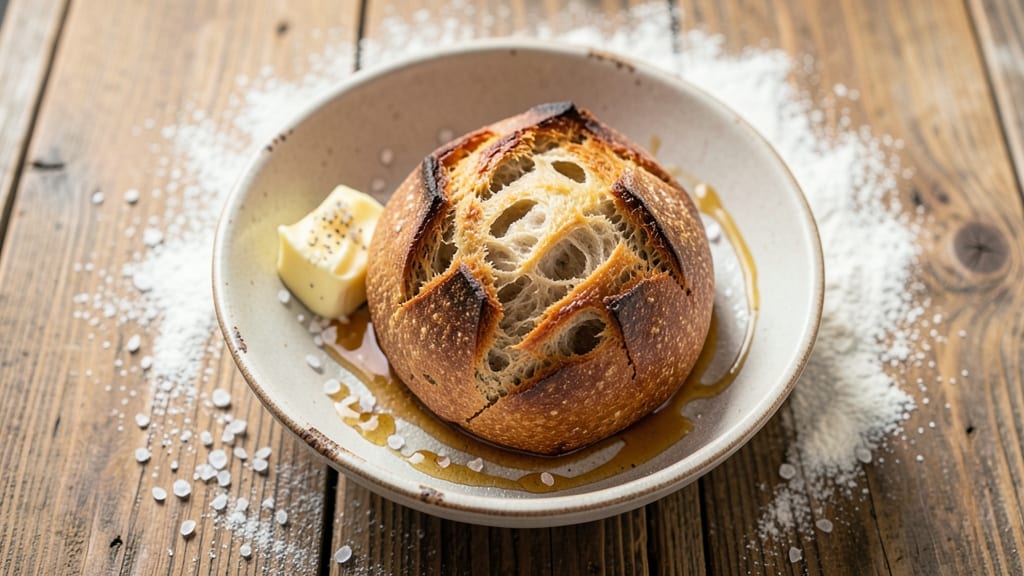
From the baker’s corner, this active dry yeast bread recipe turns basic pantry staples into a golden-crusted loaf with a tender crumb—no kneading required. The secret lies in the no-knead rise, which develops deep flavor while keeping the process surprisingly straightforward.
After years of testing, I’ve perfected a method that yields a crust so crisp it crackles and a crumb so soft it melts in your mouth.
The beauty of this recipe is its foolproof flexibility—whether you’re baking for a family dinner or meal prepping for the week. Active dry yeast activates quickly in warm water, and the dough rests overnight for maximum flavor development without demanding your attention.
No specialized equipment needed; just a bowl, a warm spot, and patience (the best part comes after you walk away).
By the time you pull that loaf from the oven, you’ll have a restaurant-worthy crust with a honeyed glow and an interior that’s light yet sturdy enough to hold thick slices.
The aroma alone will have everyone gathering at the table. This bread pairs perfectly with soups, sandwiches, or simply buttered and enjoyed on its own.
For those who love to experiment, try adding seeds, herbs, or garlic powder to the dough before shaping—each variation adds a new dimension to this versatile foundation. Let’s get baking—your kitchen will smell like a bakery in no time.
Ingredients for baker's corner active dry yeast bread
Basic pantry staples transform into golden-crusted bread with no-knead magic.
| Ingredient | Amount | Notes |
|---|---|---|
| Active Dry Yeast 🍞 | ¼ oz | One packet or 2 1/4 tsp |
| All-Purpose Flour 🌾 | 4 cups | Bread flour for chewier texture |
| Warm Water 💧 | 1 ¼ cups | 110°F for optimal yeast activation |
| Unsalted Butter 🧈 | ¼ cup | Cold, cubed for flavor |
| Granulated Sugar 🍚 | 1 tbsp | Feeds yeast for activation |
| Diamond Crystal Kosher Salt 🧂 | 1 ½ tsp | Adjust to taste |
| Cornmeal 🌽 | ½ cup | For dusting and crisp crust |
| Coarse Sea Salt 🧂 | ½ tsp | For sprinkling on crust |
| Extra-Virgin Olive Oil 🫒 | 1 tbsp | For greasing bowl |
| Honey 🍯 | 1 tbsp | Optional for crust sheen |
| Sesame Seeds 🌻 | 1 tbsp | Optional garnish |
The yeast is your flavor catalyst—Freshness matters, so check the date on that packet. King Arthur or Bob's Red Mill brands stay potent longer. Warm water should feel like bath water (110°F)—too hot kills the yeast, too cool slows it down. The butter? Cold cubes melt just enough to enrich the dough without making it gummy. For flour, King Arthur Bread Flour gives that professional chew, but all-purpose works in a pinch. Just don't skip the bread flour if you want that artisanal texture. And that honey? Drizzle it on the crust right before baking for that bakery-shop glow.
No honey? Maple syrup or light corn syrup works just as well for the crust. Running short on butter? Vegetable shortening keeps the dough from getting tough, though it won't add flavor. The sesame seeds are totally optional—swap for poppy seeds, flaxseeds, or even everything bagel seasoning if you're feeling fancy. For the salt, Diamond Crystal kosher dissolves better than table salt, but if that's all you've got, use half the amount. The cornmeal? Any fine grain works, but it needs to be toasted for that nutty flavor—pop it in a dry pan for 2 minutes if you've got extra time.
This dough is designed to rest overnight, so cover it tightly and let it sit in a warm spot (like your oven with the light on). The longer it rises, the deeper the flavor—up to 18 hours if you're really patient. For storage, the baked loaf keeps 3 days wrapped at room temp or 1 week in the fridge. Freeze slices for 3 months—toast straight from frozen. Pro tip: Brush the warm loaf with extra olive oil right after baking for that restaurant-fresh crust.
Why You'll Love This Recipe
- Pantry Staples Only: I swear by this recipe because it uses things I already have—no special ingredients, no last-minute grocery runs. Just flour, yeast, butter, and water. That butter? It’s the secret—melted into the dough, it makes every slice rich without tasting heavy.
- Soft Gold Standard: This bread isn’t just soft—it’s buttery soft. The sugar in the dough feeds the yeast just enough to give it that tender crumb, while the butter keeps it moist for days. Toast it? It gets crispy edges but stays pillowy inside. (Yes, even on a Tuesday night.)
- Budget-Friendly Feast: A single loaf costs me pennies but stretches into sandwiches, toast, or even breadcrumbs for meatballs. Between us, I’ve made this recipe for breakfast, lunch, and dinner—no waste, just versatility. My wallet and my family thank me every time.
- No-Knead, No-Stress: Honestly, I was skeptical about no-knead bread, but this recipe proves it works. The yeast does all the heavy lifting while you mix, let it rest, and shape it—minimal effort, maximum reward. The dough’s forgiving, too; even if I mess up the shape, it still bakes up beautifully.
Step-by-step instructions for no-knead rise, golden crust bread
Here's how to transform simple ingredients into artisanal bread with minimal effort.
Activate the Yeast and Create the Dough
In a large mixing bowl, combine the 1.25 cups warm water (between 110°F and 115°F) with the 1 tbsp granulated sugar and 0.25 oz active dry yeast. Let this mixture sit for 5-10 minutes until it becomes frothy and bubbly—this confirms the yeast is alive and ready to work. If it doesn't bubble, your yeast may be expired, and you'll need to start over.
Once activated, add the 4 cups all-purpose flour and 1.5 tsp diamond crystal kosher salt to the bowl. Using a wooden spoon or your hands, gently mix until a shaggy dough forms. This initial mix doesn't need to be smooth—just combined enough to see flour disappear into the wet ingredients. The dough will come together more fully as it rests.
Incorporate Butter and Begin the No-Knead Rise
Cut the 0.25 cup unsalted butter into small cubes and distribute them evenly throughout the dough. The butter should be cold to maintain its flavor and create pockets of richness in the final loaf. Use your hands to work the butter into the dough until no dry pieces remain—this typically takes about 2-3 minutes of gentle mixing.
Lightly grease a large bowl with 1 tbsp extra-virgin olive oil, then transfer the dough to this bowl. Cover the bowl tightly with plastic wrap or a damp kitchen towel. Place the dough in a warm spot (like the top of your refrigerator or near a slightly warm oven with the light on) and let it rise for 12-18 hours. This extended rise develops deep flavor and a light, airy crumb. You'll know it's ready when the dough has nearly doubled in size and springs back slowly when gently pressed.
Shape and Prepare for Final Rise
Turn the risen dough onto a lightly floured surface and gently shape it into a round loaf. Don't overwork it—just enough to bring the edges together. Place the shaped dough on a parchment-lined baking sheet and cover it loosely with plastic wrap. Let it rise again for 1-2 hours until it has puffed up noticeably. This final rise ensures a light texture and helps the bread expand in the oven.
While the dough rises, preheat your oven to 375°F. Sprinkle the dough evenly with 0.5 cup cornmeal and 0.5 tsp coarse sea salt—this creates a crisp, golden crust. For extra sheen, brush the top with 1 tbsp honey (optional). The cornmeal will give the crust that characteristic rustic texture while the honey adds subtle sweetness and helps with browning.
Bake to Golden Perfection
Bake the bread for 35-40 minutes until it's deeply golden brown and sounds hollow when tapped on the bottom. The internal temperature should reach 190°F—this ensures it's fully baked through without being dry. If the top browns too quickly, tent the bread with aluminum foil to prevent over-browning while it continues to bake.
Remove the bread from the oven and let it cool on a wire rack for at least 30 minutes before slicing. This resting period allows the crumb to set and prevents a gummy texture. Once cooled, you can brush the top with additional honey if desired and sprinkle with 1 tbsp sesame seeds for a decorative touch and subtle nutty flavor. Each slice should reveal an open, airy crumb with a crisp exterior and tender interior.
Pro Tips For Making Baker'S Corner Active Dry Yeast Bread
- Bloom the Yeast First: DESCRIPTION: Skip mixing yeast straight into flour—dissolve it in warm water with sugar first (110°F, not boiling). Let it sit 5-10 minutes until frothy; if it doesn’t bubble, your bread’s rise will be weak. I learned this the hard way after kneading dead yeast into dough and wondering why my loaves stayed dense.
- Use a Kitchen Scale: DESCRIPTION: Measuring flour by scooping and scooping is a disaster—packing varies wildly. Weigh it instead (425g for a standard batch). The butter’s weight matters too: 2 tablespoons (28g) is not the same as "softened." My first loaves were either gummy or crumbly until I switched to grams.
- Don’t Over-Knead: DESCRIPTION: Stop when the dough springs back slowly after poking it (about 8-10 minutes by hand). Overworking it develops gluten too much, making the bread tough. I used to knead until my arms ached—now I set a timer and walk away. The dough will thank you.
- Chill the Dough Overnight: DESCRIPTION: Shape your dough, cover it, and refrigerate 8-12 hours before baking. The slow rise deepens flavor and makes shaping easier. I was skeptical until I tried it—now it’s my non-negotiable step. Pro tip: Pull it out 1 hour before baking to let it warm up.
Creative variations of these flavors
Herb-Infused Variations
Transform your basic loaf into a fragrant herb bread by adding 2 tbsp finely chopped fresh rosemary or 1 tbsp dried thyme to the dough before shaping.
For a Mediterranean twist, mix in 1 tbsp garlic powder and 1 tsp dried oregano—this creates a rustic loaf perfect for dipping in olive oil. I like to sprinkle extra herbs on top before baking for that bakery-fresh aroma. 🌿
Seeded Crunch Loaf
Add texture and nutrition with ¼ cup sunflower seeds or ¼ cup pumpkin seeds to the dough for a hearty, nutty flavor. For extra crunch, press 1 tbsp sesame seeds and 1 tbsp flaxseeds into the crust before baking.
Store-bought seed mixes work too—just reduce the flour by 2 tbsp to maintain dough consistency. These seeds add a satisfying bite that pairs beautifully with soups or stews.
Sweet Swirl Dough
Create a sweet version by folding in ¼ cup brown sugar and 2 tbsp cinnamon with the butter cubes. Swirl in ½ cup chopped dried apricots or chopped dates for a fruity surprise.
Brush the baked loaf with extra honey and sprinkle with crushed pecans for a dessert-worthy treat. This variation works as a breakfast loaf or a decadent side for brunch.
Whole Wheat Boost
Replace 1 cup all-purpose flour with whole wheat flour for a nuttier, denser loaf with extra fiber. Add 1 tbsp molasses to the dough for deeper flavor—it enhances the whole wheat's earthiness.
For a lighter texture, increase the water by 1 tbsp since whole wheat absorbs more moisture. This version keeps for 2 days at room temperature or 5 days in the fridge.
Garlic & Cheese Twist
Add ½ cup shredded sharp cheddar or Parmesan cheese along with 1 tsp garlic powder for a savory loaf that's perfect for sandwiches. Fold the cheese into the dough after the butter is incorporated.
For extra flavor, sprinkle crushed red pepper flakes on top before baking. This variation holds up well for 4 days in the freezer—just thaw at room temperature before slicing.
Seasonal Holiday Loaf
Celebrate the season with a cranberry-orange twist: mix ½ cup dried cranberries and 1 tbsp orange zest into the dough. For a spiced version, add 1 tsp pumpkin pie spice with the butter.
Brush the baked loaf with melted butter and extra honey for a festive finish. These variations make beautiful gifts—wrap in parchment and tie with twine for a rustic touch. 🎄
Nutrition facts
Frequently asked questions
Why does this recipe use active dry yeast instead of instant yeast?
Active dry yeast needs to be dissolved in warm water first to activate, which creates a more controlled fermentation process. This method builds deeper flavor over the 12-18 hour rise while keeping the texture consistently light. Instant yeast can be mixed directly with dry ingredients, but it won't develop the same rich taste profile for this crust-focused bread.
Can I make this bread without the overnight rise?
Yes, but the flavor and texture will be less developed. For a quicker version, reduce the first rise to 2-3 hours and the final rise to 30-45 minutes. The crust will still be golden, but the crumb may be slightly denser. The overnight rise is what creates that restaurant-quality aroma and open crumb structure.
What's the secret to getting that perfect golden crust?
The combo of cornmeal + coarse sea salt + honey creates that bakery-worthy finish. The cornmeal adds texture while the salt enhances browning, and the honey caramelizes beautifully. Brush the crust with extra honey right after baking for maximum shine. For even deeper color, bake at 400°F for the last 5 minutes of baking.
How do I know when the dough has risen enough?
Press the dough gently - if it springs back slowly (not immediately) and has nearly doubled in size, it's ready. For the overnight rise, it should fill about 75% of the bowl. The dough will be jiggly but not sticky. If it collapses when poked, give it another 1-2 hours.
Can I add other mix-ins like cheese or seeds?
For cheese, fold in ½ cup shredded cheddar with the butter. For seeds, add ¼ cup sunflower or pumpkin seeds to the dough. Just reduce flour by 2 tbsp to maintain consistency. The dough remains flexible enough to handle these additions without becoming too stiff.