
Side Dishes
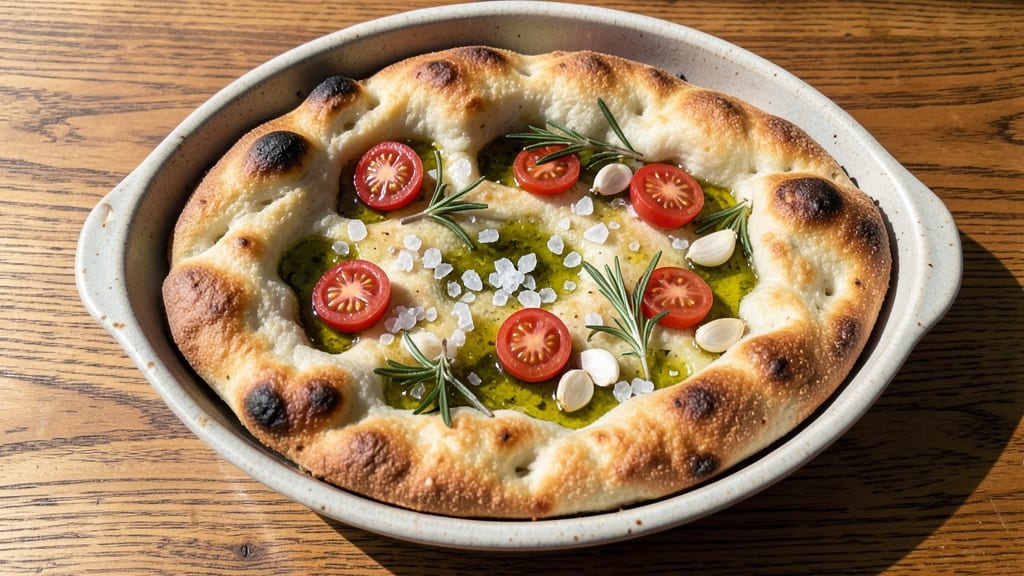
Barefoot Contessa's focaccia bread recipe delivers that signature olive oil-pooled crust and her signature drizzle that makes every bite irresistible. The secret lies in a simple dough of flour, yeast, and extra-virgin olive oil, proofed just right and dimpled for that signature texture.
I've perfected this method over years of baking, ensuring the crust stays crisp while the interior remains tender and airy.
What sets this recipe apart is the focus on quality ingredients—especially that generous amount of olive oil, which creates the iconic golden crust and rich flavor.
The dough is shaped in a pan, dimpled with fingers, and brushed with more olive oil before baking, resulting in a bread that's both rustic and elegant. This method requires patience during proofing but delivers restaurant-quality results with minimal effort.
The final touch is Barefoot Contessa's signature drizzle of olive oil and flaky sea salt, which elevates the bread from good to extraordinary. Each bite offers a perfect balance of crispy crust, soft interior, and that luxurious olive oil finish.
Whether served with meals or enjoyed on its own, this focaccia is a showstopper that will impress even the most discerning guests.
For variations, consider adding fresh rosemary or halved cherry tomatoes before baking, but the core recipe stays true to her authentic style. Let's get started on creating this iconic bread that's become a staple in kitchens worldwide.
Ingredients for barefoot contessa focaccia bread
Four cups flour, yeast, and olive oil—these core ingredients create Barefoot Contessa's iconic focaccia crust.
| Ingredient | Amount | Notes |
|---|---|---|
| All-Purpose Flour 🌾 | 4 cups | Sifted for light texture |
| Active Dry Yeast 🍞 | ¼ tsp | Fresh yeast if preferred |
| Extra-Virgin Olive Oil 🫒 | 1 ½ cups | High-quality, fruity variety |
| Granulated Sugar 🍚 | 1 tbsp | Enhances yeast activation |
| Flaky Sea Salt 🧂 | 1 ½ tsp | For finishing drizzle |
| Warm Water 💧 | 1 ¼ cups | 110°F for optimal yeast |
| Large Eggs 🥚 | 2 whole | Room temperature preferred |
| Fresh Rosemary 🌿 | ¼ cup | Chopped, optional variation |
| Cherry Tomatoes 🍅 | ½ lb | Halved, optional topping |
The olive oil is non-negotiable here—look for extra-virgin with fruity notes like Colavita or Bertolli from the grocery store's international aisle. Flour should be all-purpose, not bread flour, to avoid density. King Arthur or Bob's Red Mill brands work perfectly, and sifting ensures that signature tender crumb. For yeast, active dry is standard, but if you prefer fresh, use twice the amount. The warm water temperature matters: too hot kills yeast, too cold slows it down—110°F is ideal. If your kitchen is cold, warm the water slightly and let it sit for 5 minutes before mixing.
No extra-virgin olive oil? Light olive oil works in a pinch, but the flavor won't be as rich. Substitute rosemary with thyme or oregano at half the amount. Cherry tomatoes can be swapped for kalamata olives or sun-dried tomatoes, but halve the quantity—they release more moisture. For a savory twist, add grated Parmesan or crumbled feta before baking. If you're short on time, skip the optional toppings—the base recipe still delivers that signature olive oil-pooled crust. The key is the dimpling technique: use your fingers to create deep indentations in the dough for maximum oil absorption.
Proofed dough keeps 24 hours in the fridge wrapped tightly in plastic, ideal for overnight prep. For longer storage, freeze the shaped dough (before proofing) for up to 3 months. Thaw overnight in the fridge before proofing. Once baked, focaccia stays fresh for 3 days at room temperature if wrapped in a clean kitchen towel. For reheating, warm slices in a 350°F oven for 5 minutes to restore crispiness. The signature olive oil drizzle should be added right after baking while the crust is still warm—this ensures maximum absorption for that iconic golden pool.
Why You'll Love This Recipe
- No-Knead Nightmare Solved: I’ll admit, I used to dread focaccia—doughy messes and hours of kneading. This recipe? Just mix, rest, and bake. The yeast does all the heavy lifting while you sip wine and pretend you’re in Tuscany.
- Olive Oil Magic: That first drizzle of extra-virgin olive oil? It’s not just flavor—it’s the star. The bread turns golden and crispy, with pockets so tender they’ll make you forget store-bought ever existed. (Between us, I’ve caught myself eating it straight from the pan.)
- Breakfast to Brunch: Honestly, this bread works everywhere. Toast it for breakfast, tear it over salads, or use it as a base for garlic butter shrimp. My kids even sneak bites from the fridge—no shame in that game.
- Leftovers That Last: One batch feeds my family for days. Freeze slices for quick toast, or stash it in the fridge for sandwiches. The flaky sea salt keeps it fresh-tasting, so you won’t waste a crumb. (Yes, even on a Tuesday night.)
Step-by-step instructions for olive oil-pooled focaccia bread
This method delivers the signature Barefoot Contessa texture—crispy crust, airy interior, and that signature olive oil pool.
Activate the Yeast and Mix the Dough
In a large bowl, combine the 1.25 cups warm water (around 110°F) with the 1 tbsp granulated sugar and 0.25 tsp active dry yeast. Let it sit for 5-10 minutes until frothy—this confirms the yeast is active. If it doesn’t bubble, your yeast may be dead, and you’ll need to start over.
Add the 4 cups all-purpose flour and 1.5 tsp flaky sea salt to the bowl. Stir with a wooden spoon until a shaggy dough forms. Then, gradually drizzle in the 1.5 cups extra-virgin olive oil while mixing. The dough will become sticky but cohesive. Avoid adding extra flour—this recipe relies on the oil for moisture and flavor.
Knead and Shape the Dough
Transfer the dough to a lightly floured surface and knead for 5-7 minutes until smooth and elastic. The dough should be soft but not sticky—if it clings to your hands, add just enough flour to coat your fingers. Shape it into a rough rectangle about 12x8 inches on a parchment-lined baking sheet.
Cover the dough loosely with a clean kitchen towel and let it rise at room temperature for 1-2 hours, or until it has nearly doubled in size. The edges should pull away slightly from the pan, and the dough should look puffy. If your kitchen is cold, place the bowl in a slightly warm spot to encourage even rising.
Dimple and Drizzle for Crispy Texture
Preheat your oven to 425°F. Once the dough has risen, use your fingertips to press dimples all over the surface—about 1 inch apart. This creates pockets for the olive oil to pool and crisp up. Drizzle the entire surface with the remaining olive oil, letting it seep into the dimples.
Sprinkle the 0.25 cup chopped fresh rosemary evenly over the top, pressing lightly so it sticks. If using, scatter the 0.5 lb halved cherry tomatoes over the rosemary, leaving space between each piece. Bake for 20-25 minutes until the edges are golden brown and the crust is crisp.
Finish with Flaky Salt and Serve Warm
Remove the focaccia from the oven and immediately sprinkle the remaining 1.5 tsp flaky sea salt evenly over the top. The salt should melt slightly from the residual heat, creating those signature flecks. Let it cool for 5 minutes before slicing—this prevents the crust from shattering.
Serve warm, straight from the pan, with the olive oil pooling at the edges. The interior should be soft and airy, while the crust remains crisp. Store leftovers wrapped in parchment at room temperature for up to 2 days, or freeze for longer storage. Reheat in a 350°F oven for 5-7 minutes to restore crispiness.
Pro Tips For Making Barefoot Contessa Focaccia Bread
- Bloom Yeast Warm: DESCRIPTION: Dump the yeast into the warm water first—before adding sugar or salt—and let it sit for 5 minutes until frothy. I learned this the hard way: skipping this step means slower rises and weaker flavor, even if the recipe says "mix and go." (Yes, even if you're impatient like me.)
- Oil the Pan Twice: DESCRIPTION: Brush the baking dish with olive oil before shaping the dough, then again right before baking. The first coat keeps the dough from sticking; the second ensures that golden, crispy crust you’re craving. (And no, a light spray won’t cut it—this isn’t a cake.)
- Dimple Like a Pro: DESCRIPTION: Use your fingertips to press dimples into the dough—not your knuckles or a fork. Push hard enough to create wells but not so hard you tear the surface. The Barefoot Contessa method works, but if your hands are too cold, warm them under running water first. (Cold fingers = weak dimples.)
- Salt the Crust Last: DESCRIPTION: Sprinkle the flaky sea salt over the focaccia right before the final 10 minutes in the oven. If you add it too early, it’ll dissolve into the dough, leaving you with bland pockets of salt instead of that perfect, crusty, salty finish. (Pro move: Use a fine-mesh strainer for even distribution.)
Serving suggestions for this recipe
Warm Olive Oil Drizzle
Serve your focaccia warm with a generous drizzle of extra-virgin olive oil right from the pan—this is Barefoot Contessa's signature finish. I like to use Colavita or Bertolli brands for their rich, fruity notes.
Let guests pour their own oil over slices to customize their experience. The warm crust absorbs the oil beautifully, creating that luxurious pool of flavor. 🫒
Crispy Crust Pairings
Focaccia's crispy crust pairs perfectly with rich, creamy dishes like burrata cheese or whipped ricotta. Tear warm slices over a bowl of tomato basil soup for a comforting meal.
The contrast between the crispy bread and soft cheese creates an irresistible combination. For a lighter option, serve with marinated olives and roasted red peppers.
Breakfast Serving Style
Transform focaccia into a breakfast star by topping warm slices with scrambled eggs, crumbled feta, and sautéed spinach. The crispy crust adds texture while soaking up egg yolks beautifully.
For a sweet twist, spread with almond butter and drizzle with honey—this Italian bread becomes a delicious breakfast bread. 🥞
Garnish Like a Pro
Finish your focaccia presentation with fresh herbs like rosemary or thyme, or a sprinkle of flaky sea salt. For extra flair, add toasted pine nuts or crumbled pecorino cheese before serving.
These garnishes elevate the dish from homemade to restaurant-quality. I always keep a small bowl of Maldon sea salt on hand for this final touch.
Meal Pairing Strategy
Use focaccia as a side for hearty mains like grilled steak or roasted chicken. The bread's crispy texture cuts through rich meats beautifully. For vegetarian meals, pair with mushroom risotto or grilled eggplant. The key is balancing the bread's richness with lighter, fresh components on your plate.
Storage-Friendly Serving
Slice cooled focaccia and store in an airtight container with parchment paper between layers. Reheat slices in a 350°F oven for 5-7 minutes to restore crispiness before serving. This makes focaccia perfect for meal prep—simply reheat and pair with your favorite toppings.
The bread maintains its texture well when stored properly for up to 3 days at room temperature.
Nutrition facts
Frequently asked questions
Why does Barefoot Contessa's focaccia need so much olive oil?
The generous amount of extra-virgin olive oil creates that signature crispy crust and rich flavor. It doesn't just add moisture—it pools in the dimples during baking, forming the iconic golden crust. Using anything less would compromise both texture and taste. Think of it as the soul of this Italian bread!
Can I make this focaccia without rosemary or cherry tomatoes?
The base recipe works perfectly without toppings. For a simple version, just dimple the dough and drizzle with olive oil before baking. If you want flavor, try thyme, sun-dried tomatoes, or grated Parmesan instead. The key is the olive oil pool—everything else is just for fun!
What's the best way to store leftover focaccia?
Wrap cooled focaccia tightly in parchment paper and store at room temperature for up to 3 days. For longer storage, freeze the whole loaf (before slicing) for 3 months. To revive, reheat slices in a 350°F oven for 5 minutes until crispy again. The secret is keeping it protected from air!
Why did my focaccia turn out dense instead of airy?
Dense focaccia usually means one of two things: either the yeast wasn't activated properly (check for bubbles in 5-10 minutes with warm water) or you over-kneaded the dough. This recipe relies on a soft, sticky dough—don't add extra flour! Also ensure your oven is fully preheated to 425°F for proper rising.
How do I make this focaccia ahead of time?
Shape the dough the night before and refrigerate it covered for up to 24 hours. When ready to bake, let it sit at room temperature for 1 hour to come to temperature before proofing. For make-ahead baking, proof and bake as directed, then store wrapped at room temperature. The flavor actually improves overnight!