
Breakfast & Brunch
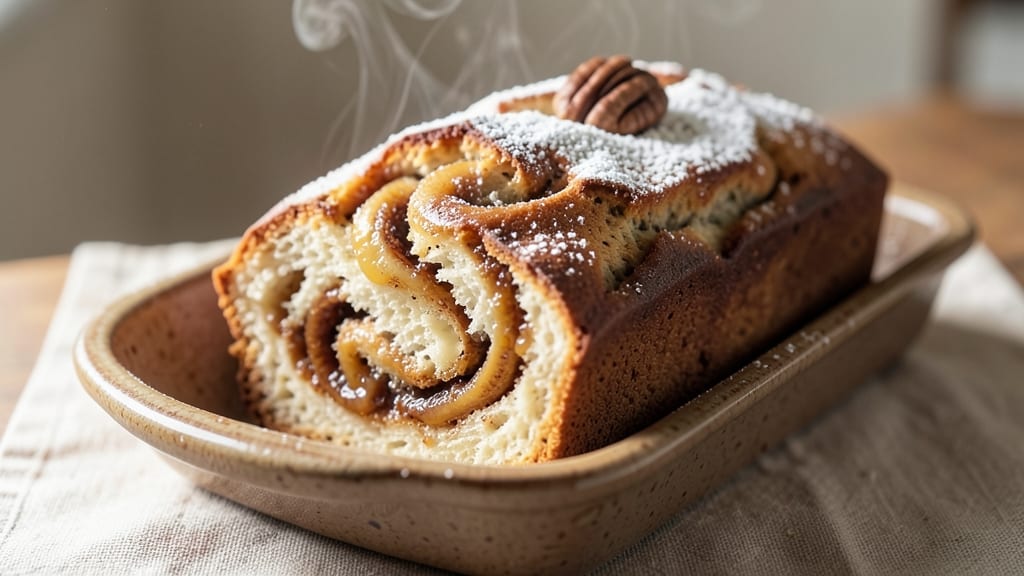
Betty Crocker's cinnamon bread recipe is the one that brings back childhood memories of warm, spiced swirls straight from the oven. 💛 I've been making this version since my grandma first showed me how to fold those cinnamon-sugar pockets into golden dough—it's the kind of recipe that makes your kitchen smell like comfort.
The secret lies in that perfect balance of yeast activation and gentle kneading, which gives the bread its signature soft, fluffy texture.
This recipe delivers a loaf that's impossibly tender with those signature cinnamon-sugar swirls peeking through the crust. What makes it special is how simple it is to achieve professional results—no fancy equipment, just your stand mixer and about 2 hours of hands-off time.
The dough gets its rise from active dry yeast, and the cinnamon filling stays gooey while the bread bakes to a perfect golden brown. Honestly, I've burned this more times than I'd like to admit, but once you get the timing right, it's foolproof.
By the time you pull it from the oven, you'll have a loaf that's warm, fragrant, and practically impossible to resist. The crust stays soft enough to tear with your hands, while the inside remains light and airy—just like the kind you'd find at a bakery.
It's the perfect breakfast treat or afternoon snack, and it freezes beautifully for when you need a quick dessert fix. Let's get that mixer running and make some magic happen!
Pro tip: Brush the warm loaf with melted butter before serving—trust me, it makes all the difference. Whether you're feeding a crowd or just treating yourself, this Betty Crocker-style cinnamon bread is a game-changer that'll have everyone asking for seconds. Here's how to make it happen!
Ingredients for betty crocker cinnamon bread
Eight simple ingredients transform into golden swirls that smell like childhood nostalgia.
| Ingredient | Amount | Notes |
|---|---|---|
| All-Purpose Flour 🌾 | 4 cups | Spooned and leveled, not scooped |
| Granulated Sugar 🍚 | ½ cup | White or light brown |
| Active Dry Yeast 🍞 | 2 ¼ tsp | Freshness date checked |
| Unsalted Butter 🧈 | ½ cup | Cold, cubed for dough |
| Milk 🥛 | 1 cup | Warm to touch, not hot |
| Large Egg 🥚 | 1 whole | Room temperature |
| Ground Cinnamon 🌶️ | ½ cup | Freshly ground preferred |
| Light Brown Sugar 🍚 | ½ cup | Packed firmly |
| Unsalted Butter 🧈 | ¼ cup | Melted for filling |
| Salt 🧂 | 1 tsp | Kosher or sea salt |
| Vanilla Extract 💧 | 1 tsp | Pure vanilla preferred |
| Powdered Sugar 🍚 | ½ cup | For topping |
The yeast is your magic ingredient here—check the expiration date or test it in warm milk to make sure it's active. King Arthur or Bob's Red Mill flour is my go-to for that perfect light texture, but any all-purpose will work. The butter should be cold when you mix it into the dough—pull it from the fridge 10 minutes before so it's soft but not melted. Warm milk activates the yeast faster, so let it sit for a minute or two until it's just warm to the touch. Pro tip: measure your flour by spooning it into the cup and leveling it off—don't scoop directly from the bag or you'll pack it too tightly.
No vanilla extract? A splash of vanilla sugar (1 tsp) works in a pinch, or even a dash of vanilla bean paste if you're feeling fancy. The cinnamon filling is where the magic happens—make sure your cinnamon is fresh (ground spices lose potency fast). If you're in a hurry, pre-made cinnamon-sugar mix (like McCormick's) saves time, but homemade tastes better. The brown sugar in the filling needs to be packed firmly—use a spoon to press it down in the measuring cup. And if you're worried about the dough sticking, lightly grease your mixing bowl with a tiny bit of that melted butter before you start kneading.
This dough is forgiving but timing is key—let it rise until it's about double in size, which usually takes 1-2 hours depending on your kitchen's warmth. Cover it with a damp towel to keep it from drying out. The loaf keeps well at room temperature for 2 days, but it freezes beautifully too—wrap it tightly in plastic wrap before freezing for up to 3 months. For serving, brush with melted butter straight from the oven—it's the secret to that bakery-fresh taste. And if anyone asks, this is the recipe that makes your house smell like comfort—worth every minute of waiting!
Why You'll Love This Recipe
- No-Yeast Struggles, Gone: I swear by this recipe because it skips the finicky yeast proofing—just toss in that packet of active dry yeast, let it sit with warm milk and sugar for 5 minutes, and it’s ready. No waiting around for dough to rise twice, no failed experiments with cold fridges or warm ovens.
- Warm Spice Hug: That cinnamon-sugar swirl? It’s not just decoration—it’s the star. The buttery dough soaks up the sweetness perfectly, and the crust gets this golden, crackly finish that tastes like a bakery’s secret. (Between us, I’ve been known to eat slices straight from the pan.)
- Breakfast or Snack, No Debate: This bread is my lazy Sunday morning hero and my after-school snack savior. Toast it with peanut butter for a quick breakfast, or serve warm with jam for a cozy afternoon pick-me-up. The milk and butter in the dough make every bite rich enough to stand alone.
- Budget Bakery Magic: For under $5, you’ll feed a family of four with leftovers that last. The flour and sugar stretch far, and that single stick of butter goes a long way—no fancy ingredients, just pure, reliable comfort. Honestly? It’s the kind of treat that makes grocery shopping feel like a win.
Step-by-step instructions for Betty Crocker's cinnamon bread
Here's how to create that perfect pull-apart texture with gooey cinnamon swirls!
👨🍳 Step 1: Mix the Yeast and Dough Base
In a large bowl, combine the 1 cup warm milk (about 110°F) with the 2.25 tsp active dry yeast. Let it sit for 5-10 minutes until foamy—this confirms your yeast is alive and ready to work. If it doesn't bubble, start over with fresh yeast.
In a stand mixer fitted with the dough hook, combine the 4 cups all-purpose flour, 0.5 cup granulated sugar, 1 tsp salt, and the yeast-milk mixture. Mix on low speed until combined, then add the 1 whole large egg and 1 tsp vanilla extract. Increase speed to medium and knead for 3-5 minutes until the dough pulls away from the bowl and looks smooth. Here's the thing—your dough should be soft but not sticky. If it sticks, add 1 tablespoon flour at a time until it releases cleanly.
🍳 Step 2: Add Butter and Create the Cinnamon Filling
Switch your mixer to low speed and gradually add the 0.5 cup cold unsalted butter, cubed, to the dough. Mix until fully incorporated—about 1-2 minutes. The butter should be fully worked into the dough but still visible in small flecks. This creates those rich, flaky layers when baked.
In a small bowl, mix together the 0.5 cup light brown sugar, 0.5 cup ground cinnamon, and the 0.25 cup melted unsalted butter. This is your magical filling—don't skip the cinnamon here, as freshly ground makes all the difference. The mixture should be thick but spreadable, like a thick paste.
🥘 Step 3: Shape and Fill the Loaf
Transfer the dough to a lightly floured surface and roll it into a 12x18-inch rectangle, about ¼-inch thick. Spread the cinnamon mixture evenly over the surface, leaving a ½-inch border around the edges. This prevents the filling from leaking out during baking.
Starting from the long side, tightly roll the dough into a log, pinching the seam to seal. Place the loaf seam-side down in a 9x5-inch loaf pan that's been lightly greased with butter or lined with parchment paper. The dough should rise about 2/3 up the sides of the pan. Cover with a clean kitchen towel and let it rise in a warm place for 45-60 minutes until it's puffy and nearly doubles in size. You'll know it's ready when you poke it gently and it springs back slowly.
🔥 Step 4: Bake to Golden Perfection
Preheat your oven to 350°F while the dough rises. Once risen, brush the top of the loaf with a little milk or water to create a golden crust. Bake for 50-55 minutes until the top is deep golden brown and a toothpick inserted in the center comes out clean. Here's where it gets exciting—the bread should have a beautiful caramelized crust with those gorgeous cinnamon swirls visible through the top.
For that showstopping finish, immediately sprinkle the warm loaf with 0.5 cup powdered sugar while it's still in the pan. Let it cool in the pan for 10 minutes before transferring to a wire rack. This prevents the bread from collapsing and lets the powdered sugar melt slightly into the crust. Real talk: the first slice is always the hardest to wait for, but the bread tastes even better after it's cooled for 30 minutes—the cinnamon filling sets up perfectly!
Pro Tips For Making Betty Crocker Cinnamon Bread
- Warm the Milk First: Betty Crocker’s recipe calls for milk, but cold milk kills yeast faster than a winter frost. Heat it just until it’s cozy to the touch—about 110°F (43°C)—before mixing it with the yeast and sugar. I learned this the hard way when my dough took forever to rise because the yeast was napping instead of working.
- Don’t Overmix the Dough: Once you add the flour, resist the urge to knead like you’re punishing the dough. Mix just until the flour is incorporated—overworking it makes the bread dense and tough. The recipe’s yeast and butter are enough to handle the job without turning your loaf into a brick.
- Let the Dough Rise Twice: The first rise is in the bowl, but the second rise—after shaping—is where the magic happens. Give it 30–60 minutes until it’s puffy and jiggly. Skipping this step means a flat, sad loaf. (Yes, even if you’re impatient like me.)
- Brush Butter on Top: The recipe might not say it, but slathering the risen dough with melted butter before baking gives that classic golden, crackly crust. Use about 1 tablespoon—just enough to shine. It’s the thing that makes store-bought loaves look homemade.
Regional styles of this betty crocker cinnamon bread
Midwest Homestyle
This is the version my grandma made every Sunday morning—simple, hearty, and packed with that classic cinnamon-sugar swirl. In the Midwest, we take our bread seriously, and this loaf is often served warm with a pat of Land O'Lakes butter straight from the fridge.
The secret here is using light brown sugar in the filling for that perfect caramelized flavor. I like to add a pinch of nutmeg (about ¼ tsp) to the dough for extra warmth—it’s a nod to the German heritage in many Midwest kitchens. 💛
Southern Buttermilk Twist
Down South, they swap out the milk for buttermilk (just 1 cup) and add a splash of vanilla extract (I use 1 tsp) to the dough for a richer flavor.
The buttermilk keeps the bread extra tender, and Southern cooks often sprinkle coarse sugar (like Domino’s brand) on top before baking for a crunchy contrast.
For an extra treat, some add a thin layer of pecan streusel (mix ¼ cup chopped pecans, 2 tbsp brown sugar, and 1 tbsp flour) between the dough and filling. It’s like a little surprise in every bite!
New England Maple Glaze
In New England, they love to sweeten things up with a maple glaze—just mix ¼ cup maple syrup with 1 tbsp melted butter and brush it over the loaf after baking.
The maple’s earthy sweetness pairs perfectly with the cinnamon, and locals often serve it with apple butter on the side. I’ve also seen versions where they add chopped walnuts (about ½ cup) to the filling for a nutty crunch.
The cooler climate means the dough might need an extra 10-15 minutes in the pan to fully set.
Texas-Style Cinnamon Roll Loaf
Out West, they take the concept even further by making a double-swirled loaf—after rolling the dough, they unroll it slightly, spread another thin layer of filling, and roll it again for extra swirls.
Texans also love to add a chili-lime kick to the filling by mixing in ½ tsp chili powder and ½ tsp lime zest with the cinnamon sugar. Serve it with a side of chocolate ganache for dipping, and you’ve got a dessert-worthy twist that’s still breakfast-friendly. 🌶️
Pacific Northwest Spiced Orange
On the West Coast, they infuse the dough with orange zest (about 1 tbsp) and a splash of orange juice (about 1 tbsp) for a bright, citrusy twist. The filling stays the same, but the addition of orange makes it feel like a festive treat year-round.
Some bakers even add crushed candied ginger (about 2 tbsp) to the filling for a gingerbread-like flavor. The cooler, damp climate means the dough might need a little extra flour (about 1 extra tbsp) to prevent sticking.
Canadian Maple-Brown Sugar Fusion
Our neighbors to the north take their cinnamon bread to the next level by using equal parts maple syrup and brown sugar in the filling—about ¼ cup each—for a deeper, caramelized flavor.
They also often add a pinch of sea salt (about ⅛ tsp) to the dough to balance the sweetness. The result is a bread that’s rich, moist, and perfect with a cup of Tim Hortons coffee.
For an extra touch, some Canadians sprinkle crushed graham crackers on top before baking for added texture.
Nutrition facts
Frequently asked questions
Why does my Betty Crocker cinnamon bread turn out dense instead of light and fluffy?
Overmixing the dough or underproofing are the most common culprits. Knead just until the dough pulls away from the bowl (3-5 minutes in a mixer), and let it rise until it's fully doubled—about 1-2 hours depending on your kitchen. A warm spot near the oven with a bowl of hot water helps speed up the rise. Also, make sure your yeast is fresh and your milk is 110°F to activate it properly.
Can I make this recipe without a stand mixer?
You can mix and knead the dough by hand—just use a large bowl and your hands. Knead for 8-10 minutes until the dough is smooth and elastic. The key is patience; hand-kneading takes longer but works just as well. For the filling, use a spoon to spread it evenly over the rolled-out dough before rolling it up.
How do I store leftover cinnamon bread?
Keep it fresh at room temperature in an airtight container for up to 3 days. For longer storage, wrap individual slices in plastic wrap and freeze them for up to 3 months. To reheat, warm slices in the oven at 300°F for 5-10 minutes or microwave for 15-20 seconds—just don’t overdo it, or the filling will get gummy.
What’s the best way to test if my yeast is active before starting?
Mix 2.25 tsp yeast with ¼ cup warm milk (about 110°F) and 1 tsp sugar in a small bowl. Let it sit for 5-10 minutes. If it bubbles and becomes foamy, your yeast is good to go! No bubbles? Toss it and grab a fresh packet—dead yeast is the #1 reason dough fails to rise.
Can I substitute butter with oil in the dough?
Not recommended for this recipe! Butter adds richness and flakiness that oil can’t replicate. If you’re out of butter, try margarine (like Crisco) in a pinch, but keep it cold when mixing. For the filling, you can swap butter for oil, but the texture will be slightly less tender. Stick with butter for that classic Betty Crocker taste.