
Breakfast & Brunch
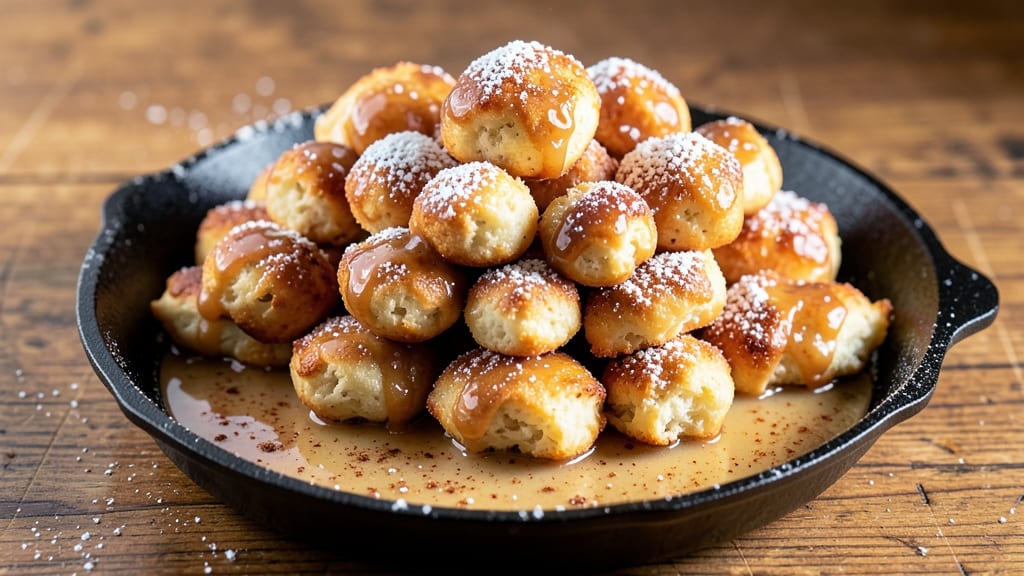
This Betty Crocker monkey bread recipe promises a golden crust and sticky-sweet cinnamon swirls that taste like a hug from your favorite bakery.
This classic recipe has been a breakfast and brunch staple for generations, and I've perfected it to ensure every bite delivers that signature tender crumb with a caramelized edge. The secret lies in the right dough-to-filling ratio and precise baking technique that creates those coveted pull-apart layers.
What makes this recipe special is its versatility—you can use either biscuit dough or cinnamon roll dough as your base, depending on your preference. I recommend the biscuit version for a lighter texture, while the cinnamon roll dough adds extra richness.
The filling combines butter, sugar, cinnamon, and a touch of vanilla, creating pockets of flavor that melt into every bite. With just a few simple ingredients and about 30 minutes of prep time, you'll have a showstopping centerpiece for any gathering.
By the time it emerges from the oven, you'll have a loaf with a beautifully golden crust that cracks slightly at the edges, revealing layers of tender dough and gooey cinnamon filling.
The aroma alone will have everyone gathering around the kitchen, and the first bite delivers that perfect combination of sweet, spiced, and buttery goodness. This is the kind of recipe that transforms ordinary breakfasts into memorable moments.
Serve it warm with a dusting of powdered sugar or a scoop of vanilla ice cream for the ultimate indulgence. The leftovers reheat beautifully too, making it perfect for meal prep or satisfying cravings throughout the week. Let's get baking!
Ingredients for betty crocker monkey bread
Golden crust, sticky swirls, and tender layers—just 12 simple ingredients make this classic showstopper.
| Ingredient | Amount | Notes |
|---|---|---|
| Biscuit Dough 🍞 | 2 cups | Store-bought or homemade, chilled |
| Unsalted Butter 🧈 | ½ cup | Cold, cubed for filling |
| Granulated Sugar 🍚 | 1 ½ cups | White or light brown |
| Ground Cinnamon 🌿 | 2 tbsp | Freshly ground preferred |
| Vanilla Extract 🍯 | 1 tsp | Pure, not imitation |
| Powdered Sugar 🍚 | ¼ cup | For dusting, plus extra |
| Large Eggs 🥚 | 1 whole | Room temperature |
| All-Purpose Flour 🌾 | ½ cup | For dusting pan |
| Vegetable Oil 🫒 | 1 tbsp | For greasing pan |
| Coarse Sugar 🍚 | ¼ cup | Optional for topping |
| Chopped Pecans 🌰 | ¼ cup | Optional topping |
| Salt 🧂 | ½ tsp | Kosher or sea salt |
The dough is everything, so don't skimp! Betty Crocker's refrigerated biscuit dough is my go-to—it's pre-shapen and foolproof. If using homemade, make sure it's cold and cut into 12 equal pieces. For the filling, use cold butter—it creates those perfect pockets of gooey goodness. The cinnamon should be fresh ground if possible (that's where the magic happens), but regular store-bought works too. Pro tip: Trader Joe's has the best-priced vanilla extract—get the pure stuff, not the imitation. And if you're feeling fancy, grab some Pillsbury Grands for extra flaky layers.
No biscuit dough? Cinnamon roll dough works perfectly—just cut it into 12 pieces instead. Short on butter? Coconut oil or shortening keeps the texture tender. The sugar can be swapped for maple syrup or honey (reduce other liquids by 1 tbsp), but white sugar gives that classic caramelized crust. For the topping, coarse sugar or turbinado adds a nice crunch, but powdered sugar is traditional. Pecans are optional but add a lovely crunch—Walmart's Great Value brand is surprisingly good for the price. And if you're making this ahead, freeze the unbaked loaf for up to 2 months.
This keeps beautifully—3 days at room temperature wrapped in foil, or 1 week refrigerated in an airtight container. For reheating, 30 seconds in the microwave or 10 minutes at 350°F wrapped in foil. I always make two loaves—one for the table, one for breakfast all week. The leftovers reheat best with a splash of milk or wrapped in a towel to keep them moist. And trust me, the first bite out of the oven is worth every minute of prep time.
Why You'll Love This Recipe
- No Yeast, No Stress: I swear by Betty Crocker’s biscuit dough here—just roll it out, cut it, and toss it in butter. No waiting for yeast to rise, no kneading, no fuss. Honestly, even my 10-year-old could do it (and she has, twice).
- Buttery-Cinnamon Magic: That first bite? Warm, gooey dough wrapped in melted butter, dusted with sugar and cinnamon—it’s like dessert hugs you. The vanilla ties it all together, making it taste like a bakery’s secret, not your kitchen.
- Breakfast or Snack Star: Serve it fresh with coffee for a weekend brunch, or pack slices in lunchboxes for a sweet surprise. My kids grab it straight from the oven, and my husband sneaks bites while "helping" me clean up.
- Budget Breakfast for Days: A box of biscuit dough and a stick of butter stretch far—this feeds six for under $5. Plus, leftovers reheat in 30 seconds, so it’s my go-to when I’m tired of takeout or fancy breakfasts. (Yes, even on a Tuesday night.)
Step-by-step instructions for Betty Crocker monkey bread
Transform simple biscuit dough into a sticky, golden masterpiece with these foolproof steps.
Prepare the Pan and Make the Filling
Preheat your oven to 350°F. Generously grease a 10-inch cast-iron skillet or bundt pan with 1 tablespoon vegetable oil, then dust it lightly with ½ cup all-purpose flour. Tap out any excess flour so it doesn't interfere with the dough's rise. The pan should be coated evenly—this prevents sticking and helps create that perfect pull-apart texture.
In a medium bowl, melt the ½ cup unsalted butter in 10-second bursts in the microwave, stirring between each. Once melted, whisk in the 1½ cups granulated sugar, 2 tablespoons ground cinnamon, 1 teaspoon vanilla extract, and ½ teaspoon salt until completely smooth. Let the mixture cool slightly—it should be warm but not hot to the touch, or it might cook the dough too quickly when combined.
Assemble the Dough and Bake
Roll the 2 cups biscuit dough into a 16-inch square on a floured surface, about ½-inch thick. Brush the top lightly with the melted butter mixture, leaving a ½-inch border uncovered. Then, drizzle the remaining filling evenly over the dough, creating a lattice pattern by cutting the dough into strips with a knife and weaving them gently. This creates those signature sticky pockets you love.
Carefully roll the dough into a log, starting from the long side. Pinch the seam to seal, then place it seam-side down in the prepared pan. Brush the top with any remaining filling. Bake for 30-35 minutes until the top is deep golden brown and a toothpick inserted comes out clean. The edges should pull away slightly from the pan, but the center should still feel soft to the touch.
Add the Topping and Finish Baking
Remove the monkey bread from the oven and immediately sprinkle the top with ¼ cup coarse sugar and ¼ cup chopped pecans (if using). Return it to the oven for 5-7 minutes to let the sugar caramelize slightly and the pecans toast. The sugar will form a crispy, glass-like crust that contrasts beautifully with the soft, gooey interior.
Let the monkey bread cool in the pan for 10 minutes before transferring it to a wire rack. Dust generously with ¼ cup powdered sugar right before serving—this is the secret to that classic "snowy" finish that makes it look (and taste) even more impressive. The powdered sugar should melt slightly from the residual heat, creating a delicate, sweet coating.
Pro Tips For Making Betty Crocker Monkey Bread
- Chill the Dough First: DESCRIPTION: I learned this the hard way—skipping the 20-minute fridge rest makes the biscuit dough stubborn. Cold butter in warm dough = tough monkey bread. Let it firm up before cutting, or your knots will fall apart when you pull them apart.
- Cut Butter in Cubes: DESCRIPTION: Don’t melt that butter—cube it into ½-inch pieces. It’ll melt faster during baking, creating those golden pockets of gooey sweetness. (Yes, even if you’re impatient like me.)
- Don’t Overfill the Knots: DESCRIPTION: Pack the dough too tight, and your monkey bread turns dense. Use a spoon to scoop 1 tablespoon of filling per knot—loose enough to hold shape but not stuffed like a sausage.
- Bake Low and Slow: DESCRIPTION: After 15 minutes at 375°F, drop the heat to 350°F. Rushing the bake = burnt sugar on top, raw dough underneath. Give it 20-25 minutes total—patience guarantees even caramelization.
Troubleshooting perfect results
Dough Too Sticky
If your biscuit dough feels too sticky to handle, chill it for 15-20 minutes before rolling. I use a Betty Crocker refrigerated biscuit dough straight from the fridge—it's already cold and perfect.
For homemade dough, sprinkle your work surface with extra flour (about ¼ cup) and fold it into the dough gently. Avoid overworking it, or the gluten will develop, making the final texture tough. 🧑🍳
Filling Not Distributing
The filling should coat the dough evenly, but if it pools in spots, your dough might be too thick. Roll the dough to a ¼-inch thickness instead of ½-inch for better coverage. For stubborn spots, use a pastry brush to spread the filling between layers when rolling.
I find Oxo Good Grips brushes work best—they handle sticky mixtures without falling apart. Warm the filling slightly (not hot) to help it spread more easily.
Uneven Baking
If the edges bake faster than the center, your oven might have hot spots. Rotate the pan halfway through baking to ensure even cooking. A 10-inch cast-iron skillet distributes heat well, but if using a bundt pan, place it on the middle rack.
For extra insurance, tent loosely with foil if the top browns too quickly. The internal temperature should reach 190°F for a perfect pull-apart texture.
Dry or Crumbly Texture
Overmixing the filling or using too much flour can dry out the dough. Stick to the 1½ cups sugar measurement and avoid adding extra flour unless absolutely necessary. If your dough feels dry, brush it lightly with 1 tablespoon milk before rolling.
For extra moisture, add ½ teaspoon lemon juice to the filling—it tenderizes the dough without altering the flavor. 💧
Filling Leaks Out
If the filling oozes out during baking, your dough might be underworked or the pan wasn't greased properly. Ensure the pan is coated with vegetable oil and dusted with flour before assembling. Seal the seam tightly when rolling the dough into a log, and press it firmly into the pan.
For extra security, chill the assembled loaf in the fridge for 10 minutes before baking—this helps the dough hold its shape.
Pale or Underbaked Center
If the center stays pale, your oven might not be hot enough or the bread needs more time. Increase the baking time by 5-10 minutes and check the internal temperature with a thermometer—it should reach 190°F.
For a crispier crust, broil for 1-2 minutes at the end, watching closely to avoid burning. A toothpick test is foolproof: insert it into the center, and if it comes out clean, it's done.
Nutrition facts
Frequently asked questions
Can I use cinnamon roll dough instead of biscuit dough?
Cinnamon roll dough works beautifully—just cut it into 12 equal pieces instead of rolling it into a square. The flavor will be even richer since you're doubling up on cinnamon. For best results, use store-bought dough like Pillsbury Grands or Betty Crocker cinnamon rolls for consistent texture.
How do I store leftovers without drying them out?
Wrap cooled monkey bread tightly in plastic wrap or foil, then place in an airtight container. It stays fresh for 3 days at room temperature or 1 week refrigerated. For longer storage, freeze for up to 3 months. To reheat, wrap in a damp towel and microwave for 20-30 seconds or bake at 350°F for 10 minutes.
Why does my monkey bread turn out dry?
Overmixing the filling or using too much flour can dry out the dough. Stick to the 1½ cups sugar measurement and avoid adding extra flour. For extra moisture, brush the dough with 1 tablespoon milk before rolling or add ½ teaspoon lemon juice to the filling. Chilling the assembled loaf for 10 minutes before baking also helps retain moisture.
Can I make this ahead of time?
Yes! Assemble the monkey bread, wrap it tightly, and refrigerate for up to 24 hours before baking. For even better results, freeze the unbaked loaf for up to 2 months. Thaw overnight in the fridge before baking as directed. This method actually enhances the flavors and makes the texture even more tender.
What's the best pan for monkey bread?
A 10-inch cast-iron skillet is ideal—it distributes heat evenly and creates that perfect golden crust. A bundt pan also works well, but grease it thoroughly with oil and flour to prevent sticking. Avoid nonstick pans as they don't brown as nicely. For extra insurance, dust the pan with ½ cup flour after greasing to prevent sticking.