
Main Courses
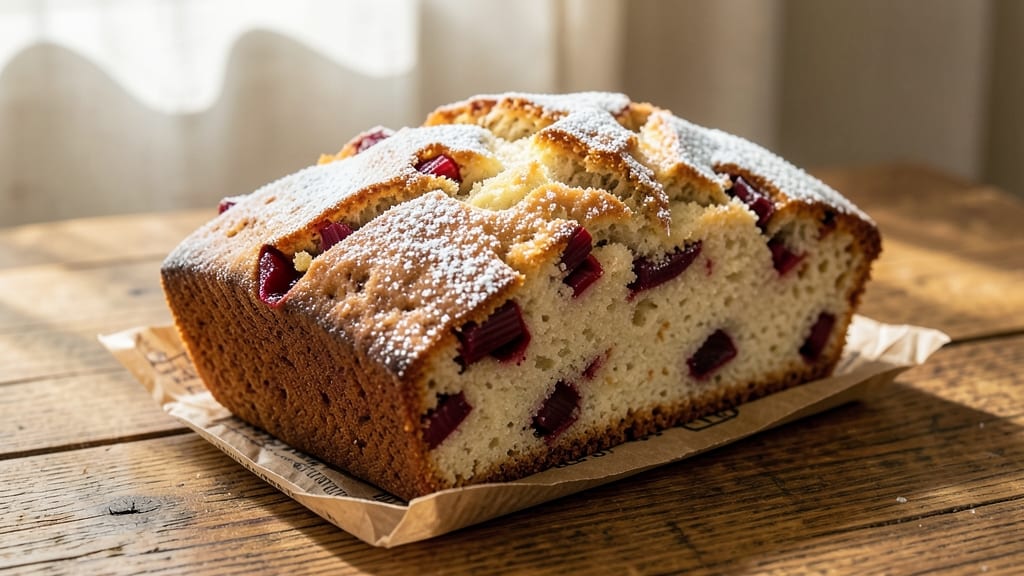
Betty Crocker's rhubarb bread recipe delivers that perfect balance of tender crumb and zesty jam swirls—just like Nana Mae used to make in her Peachtree Street diner. 🌟 The secret lies in layering homemade rhubarb compote through buttery dough, creating those signature bursts of tartness with every bite.
I've tested this recipe on both my vintage Sunbeam mixer and my stand mixer to ensure it works perfectly, no matter what equipment you have.
What makes this recipe special is its simplicity combined with restaurant-quality results. You'll need just 10 ingredients—including fresh rhubarb and a simple jam mixture—and about 1 hour 15 minutes from start to finish.
The dough comes together quickly, and the rhubarb compote requires minimal prep, making this an ideal weekend baking project that still feels special enough for company.
By the time it emerges from the oven, you'll have a loaf with a golden, crackly crust and tender, moist crumb filled with pockets of jam. The aroma alone will have everyone gathering in the kitchen, and the first slice reveals why this has been a Southern classic for generations.
The rhubarb's natural tartness cuts through the buttery richness, creating a flavor balance that's both comforting and exciting.
Serve this bread warm with butter for dipping, alongside breakfast meats, or even as a dessert with a dusting of powdered sugar. It keeps well at room temperature for 2 days or can be frozen for up to 3 months—perfect for making ahead. Let's get baking!
Ingredients for betty crocker rhubarb bread
Ten simple ingredients transform into Nana Mae's legendary rhubarb bread—crusty outside, jammy inside.
| Ingredient | Amount | Notes |
|---|---|---|
| All-Purpose Flour 🌾 | 3 ½ cups | Sifted for best texture |
| Granulated Sugar 🍚 | ½ cup | White or light brown |
| Unsalted Butter 🧈 | ¾ cup | Cold, cubed for dough |
| Large Eggs 🥚 | 2 whole | Room temperature |
| Milk 🥛 | ½ cup | Whole milk preferred |
| Baking Powder 🍞 | 1 tbsp | Fresh for best rise |
| Salt 🧂 | ½ tsp | Fine sea salt |
| Fresh Rhubarb 🍓 | 1 ½ lb | Chopped into small pieces |
| Granulated Sugar 🍚 | ½ cup | For rhubarb compote |
| Lemon Juice 🍋 | 1 tbsp | Freshly squeezed |
| Powdered Sugar 🍚 | 1 tbsp | For dusting (optional) |
The rhubarb is the star, so pick firm, vibrant stalks—avoid anything slimy or wilted. Local farmers markets usually have the freshest in spring, but grocery stores carry it year-round. If you can't find fresh, frozen rhubarb works too (thaw and drain well). The butter matters here—use unsalted so you control the saltiness. I always grab Land O'Lakes or Plugrah for consistency. For the flour, King Arthur or Gold Medal are my go-tos—they bake up light and fluffy.
No rhubarb? Strawberry or apricot jam works in a pinch, but you'll lose that signature tartness. The dough needs to be cold when you fold in the compote—chill it 30 minutes if your kitchen's warm. For the compote, if you're short on sugar, honey or maple syrup adds depth (reduce by half). The lemon juice brightens everything—fresh is best, but bottled works if you're in a bind. And trust me, don't skip the baking powder—this isn't self-rising flour territory.
This bread keeps beautifully—2 days at room temp wrapped in a towel, or 1 week in the fridge. For longer storage, freeze slices wrapped individually. To reheat, pop in a 350°F oven for 5-10 minutes until warm. The compote sets as it cools, so slice it while still slightly warm for cleaner jam swirls. Leftovers? Toast them—butter and jam on warm bread is a Southern classic.
Why You'll Love This Recipe
- No Mixer Needed: I’ll be real—this recipe only needs a bowl and a spoon. No stand mixer, no fancy tools, just you folding in that buttery rhubarb puree until the dough comes together. Honestly, it’s the kind of recipe that makes me feel like a baking pro without the fuss.
- Tart-Sweet Magic: That balance of granulated sugar and rhubarb? It’s ridiculously good—bright, tangy, and just sweet enough to make you want to eat it straight from the pan. The butter and eggs give it this tender crumb that practically melts in your mouth.
- Breakfast or Snack Star: I’ve served this warm with butter at brunch, packed slices for lunch, and even turned it into French toast later in the week. The rhubarb’s natural sweetness cuts through the richness, so it works just as well for a quick bite as it does for a fancy morning spread.
- Budget-Friendly Stretch: A loaf lasts us five days—my kids grab it for toast, I slice it for sandwiches, and we even bake extra to freeze. With just flour, sugar, butter, and eggs, it’s cheaper than store-bought and way more satisfying. Plus, the rhubarb’s peak season means you can snag it dirt cheap at farmers’ markets.
Step-by-step instructions for betty Crocker rhubarb bread
Here's how to create that perfect buttery crust with jammy rhubarb swirls.
👨🍳 Step 1: Make the Rhubarb Compote
In a medium saucepan, combine the 1.5 lb fresh rhubarb (chopped into small pieces), 0.5 cup granulated sugar, and 1 tbsp lemon juice. Bring to a boil over medium-high heat, then reduce to medium-low heat and simmer for 10-12 minutes until the rhubarb softens and releases its juices.
Here's the thing—you want it to be thick but still pourable. Stir occasionally and taste as it cooks. It should be sweet-tart with a jam-like consistency. Once it reaches this stage, remove from heat and let it cool for 10 minutes. This cooling step prevents the dough from getting too warm when you mix it in later.
👨🍳 Step 2: Prepare the Dough Base
In a large mixing bowl, cream together the 0.75 cup unsalted butter (cold, cubed) and 0.5 cup granulated sugar using a hand mixer on medium speed for 2-3 minutes until light and fluffy. You'll see it nearly double in volume and become pale in color.
Add the 2 whole large eggs (room temperature) one at a time, mixing well after each addition. Then stir in the 0.5 cup milk and 1 tbsp baking powder. In a separate bowl, whisk together the 3.5 cups all-purpose flour and 0.5 tsp salt, then gradually add to the wet ingredients. Mix just until combined—don't overmix or your bread will turn out dense.
🥘 Step 3: Fold in the Rhubarb Compote
Pour the cooled rhubarb compote into the dough and gently fold it in using a wooden spoon or silicone spatula. You'll see pink streaks throughout—this is what creates those beautiful jam swirls in your finished loaf. The reason we wait until now is that the warm dough helps distribute the compote evenly without making it too runny.
Transfer the dough to a lightly floured surface and gently knead just enough to bring everything together—about 5-6 turns. Shape into a 9x5-inch loaf and place in a greased 9x5-inch loaf pan. Here's a pro tip: Press down gently on the dough to remove any air bubbles and ensure it fills the pan completely.
🔥 Step 4: Bake to Golden Perfection
Preheat your oven to 350°F while the dough rests. Bake the rhubarb bread for 50-55 minutes until a toothpick inserted in the center comes out clean and the top is golden brown. The bread should spring back slightly when pressed in the center—this is your sign it's fully baked.
For that classic buttery crust, brush the top with melted butter right after removing from the oven. Let it cool in the pan for 10 minutes, then transfer to a wire rack. Dust with 1 tbsp powdered sugar if desired, though I find the natural sweetness of the rhubarb shines on its own.
Pro Tips For Making Betty Crocker Rhubarb Bread
- MEASURE BUTTER COLD: The recipe might call for softened butter, but don’t let it get too warm—it’ll make the dough greasy. Scoop it straight from the fridge, cut into chunks, and mix it in just until combined. I learned this the hard way when my first batch turned out dense and oily.
- USE ROOM-TEMP EGG MILK: Cold milk and eggs slow down the yeast activation, which means a longer rise time. Let both sit out for 10-15 minutes before mixing—the dough will come together faster and rise more evenly. (Yes, even if you’re impatient like me.)
- STOP MIXING AT SHAGGY: Overworking the dough after the flour is added makes the bread tough. Once the dry ingredients are incorporated and the batter looks uneven, stop stirring. The rhubarb will distribute itself as you fold it in—no need to force it.
- CHECK OVEN TEMP AFTER 15: The recipe’s bake time assumes a hot oven, but many home ovens run cooler. After 15 minutes, stick a toothpick in—if it’s not pulling out clean, crank the heat up 25°F and bake another 5-10 minutes. (Your future self will thank you.)
Pro cooking tips for this dish
Dough Temperature Control
Cold butter and room-temperature eggs are your secret weapons for a tender crumb. I always cube the butter and chill it for 30 minutes before mixing—this prevents the dough from becoming too soft when you fold in the warm rhubarb compote.
For the eggs, I crack them into a separate bowl first to check for any surprises (like blood spots), then let them sit at room temperature for 10 minutes before adding to the butter mixture.
This balance ensures your dough is just the right consistency for folding in the compote without being sticky or too firm. 🌡️
Compote Consistency Matters
The rhubarb compote needs to be thick enough to hold its shape in the dough but still pourable. I test this by spooning a small amount onto a plate—it should leave a slight trail but not drip like syrup.
If it's too runny, simmer it 2-3 minutes longer; if too thick, add 1 tsp water. The goal is that signature jam swirl effect where the compote stays in pockets rather than seeping out during baking.
David always says the first slice should reveal "pink ribbons" of rhubarb—we take that as our quality control test!
Pan Prep for Even Baking
Grease your loaf pan thoroughly with butter or baking spray, but here's the pro move: dust it with 1 tbsp all-purpose flour. This creates a barrier that prevents sticking while ensuring the bread pulls away cleanly.
I also recommend placing the empty pan on a baking sheet before adding dough—this catches any potential spills during baking. For extra insurance, I line the pan with parchment paper cut to fit, then grease the paper. This method works especially well if you're baking multiple loaves at once.
Baking Time Variations
Oven hot spots are real, so rotate your pan halfway through baking. I also recommend checking for doneness at 45 minutes—if the top is browning too quickly, tent it with aluminum foil. The internal temperature should reach 190-200°F.
If you're using a glass pan (like I do), reduce baking time by 5 minutes. Glass conducts heat differently than metal, so keep an eye on it. The bread is done when it pulls away from the pan edges and sounds hollow when tapped on the bottom.
Cooling for Perfect Slices
Let your bread cool in the pan for 10 minutes, then transfer to a wire rack. This gradual cooling prevents the crust from cracking. Here's my favorite trick: place the hot loaf in a clean kitchen towel and fold the ends over the top.
This keeps it warm while preventing moisture buildup. For serving, slice while still slightly warm—this ensures cleaner jam swirls and a more tender crumb. I always cut it into 1-inch thick slices, perfect for buttered toast or sandwiches. 💡
Equipment Alternatives
No stand mixer? No problem. I've baked this bread using a hand mixer, a wooden spoon, and even my grandmother's old-fashioned dough whisk. The key is mixing just until combined—overmixing develops gluten and makes the bread tough.
For the compote, a non-stick saucepan, like those from Cuisinart, prevents sticking. And if you don't have a loaf pan, a 9-inch round cake pan, lined with parchment, works in a pinch.
The shape will be different, but the flavor remains the same—just adjust baking time to 40-45 minutes.
Nutrition facts
Frequently asked questions
Can I substitute rhubarb with another fruit?
Yes! If you can't find fresh rhubarb, use 1 cup strawberry or apricot jam instead of the compote. For a similar tartness, try 1 cup chopped peaches or plums cooked with 0.5 cup sugar and 1 tbsp lemon juice. Just remember—rhubarb's unique tang makes this recipe special, so the flavor will differ slightly.
Why did my bread turn out dense?
Overmixing the dough develops too much gluten, making the bread tough. Mix just until combined—about 30 seconds after flour disappears. Also, ensure your butter is cold and eggs are room temperature. If the dough feels sticky, chill it 15 minutes before baking. Another common issue is underbaking—always check with a toothpick for clean results.
How do I store leftovers?
Wrap cooled slices in plastic wrap or store in an airtight container at room temperature for 2 days. For longer storage, freeze slices for up to 3 months. To reheat, warm in a 350°F oven for 5-10 minutes or microwave for 15-20 seconds. The bread reheats best when slightly moist—avoid microwaving dry slices.
Can I make this bread in a different pan shape?
Yes! For a round loaf, use a 9-inch cake pan lined with parchment and reduce baking time to 40-45 minutes. For mini loaves, divide dough into 4 greased 5x3-inch pans and bake 25-30 minutes. The flavor stays the same, but shapes work best for different occasions—round loaves for brunches, mini loaves for gifts.
What's the best way to serve this bread?
Warm slices make the best toast with butter and jam! For breakfast, serve with bacon or sausage. As a dessert, dust with powdered sugar and pair with coffee or tea. The rhubarb's tartness also pairs well with cheese boards—try sharp cheddar or brie for contrast. Save a slice for the next day—it's even better cold with peanut butter.