
Desserts
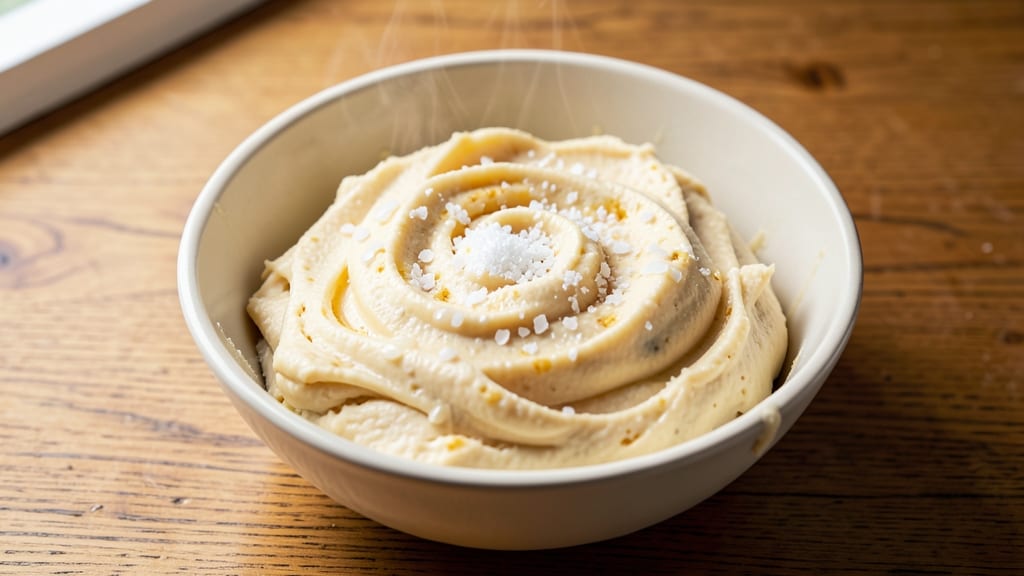
Betty Crocker’s sweet bread dough recipe delivers the perfect balance of vanilla-infused swirls and a golden, crackled top that makes every bite feel like a bakery secret.
This dough is designed to transform your kitchen into a warm, inviting space with its rich aroma and tender texture—ideal for homemade rolls, brioche, or quick breads that taste like a classic comfort.
The secret lies in a precise mix of flour, sugar, and butter, combined with a touch of vanilla that elevates the flavor without overpowering.
What sets this recipe apart is its foolproof technique, ensuring a light, airy crumb and that signature cracked top that signals perfection. Unlike store-bought dough, this version uses real butter and vanilla extract for depth, while a simple yeast activation step guarantees a rise that’s both reliable and impressive.
Whether you’re shaping cinnamon rolls or classic dinner rolls, the dough’s versatility makes it a staple for any occasion.
By the time it emerges from the oven, you’ll have tender, swirled bread with a caramelized crust that’s impossible to resist. The vanilla infuses every bite, creating a subtle sweetness that pairs beautifully with butter, jam, or even a sprinkle of powdered sugar.
This is the kind of recipe that turns a simple dessert into a showstopper—easy enough for beginners but refined enough to impress.
For added flair, consider brushing the tops with melted butter before baking or adding a touch of cinnamon-sugar swirl. The dough also freezes beautifully, so you can prep ahead and bake fresh rolls whenever the craving strikes. Let’s get started on creating your own bakery-worthy sweet bread.
Ingredients for betty crocker sweet bread dough
Four cups flour, a touch of vanilla, and cold butter. That’s all it takes to bake golden rolls with bakery-style cracks.
| Ingredient | Amount | Notes |
|---|---|---|
| All-Purpose Flour 🌾 | 4 cups | Sifted for light texture |
| Granulated Sugar 🍚 | ¼ cup | White or light brown |
| Unsalted Butter 🧈 | ½ cup | Cold, cubed, full-fat |
| Large Eggs 🥚 | 1 whole | Room temperature |
| Active Dry Yeast 🍞 | 0.03 oz | 1 packet (2.25 tsp) |
| Warm Whole Milk 🥛 | ½ cup | 110°F, not hot |
| Pure Vanilla Extract 🍯 | 1 tbsp | High-quality, not imitation |
| Fine Sea Salt 🧂 | ½ tsp | Kosher or diamond crystal |
| Granulated Sugar (for topping) 🍚 | 2 tbsp | Fine, for crackled top |
| Cinnamon-Sugar Mix (optional) 🍯 | ¼ cup | For swirls, store-bought or homemade |
| Melted Butter (for brushing) 🧈 | 2 tbsp | Unsalted, for golden finish |
The flour is your foundation—King Arthur or Gold Medal are my go-tos for that tender crumb. If you’re using a different brand, check the protein content: 10-11% is ideal. The butter needs to stay cold (I pop it in the freezer for 15 minutes before mixing), or you’ll end up with dense dough. For the yeast, Bob’s Red Mill is reliable, but any active dry yeast works—just make sure it’s fresh. The milk should be warm to the touch, not hot, or you’ll kill the yeast. Vanilla extract? Nothing fake here—the good stuff makes all the difference. Grab McCormick or Nielsen-Massey if you’re unsure.
No vanilla extract? Almond extract at half the amount works in a pinch, but it’ll taste different. Short on butter? Vegetable shortening keeps the dough stable, though it lacks flavor. The cinnamon-sugar mix can be store-bought or homemade—just mix 2 tbsp sugar with 1 tsp cinnamon. For the crackled top, don’t skip the sugar sprinkle before baking. It’s what gives those signature golden cracks. And if you’re feeling fancy, brush the tops with melted butter right out of the oven. Trust me, it’s worth the extra minute.
This dough keeps for 3 days wrapped in plastic in the fridge. For longer storage, freeze shaped rolls on a tray, then transfer to a bag for up to 3 months. Thaw overnight in the fridge before baking. Pro tip: Double the dough and freeze half—you’ll thank me later. Leftovers? Toast them for breakfast rolls the next morning. Simple, but always impressive.
Why You'll Love This Recipe
- No Yeast Drama: This dough rises without the guesswork of measuring yeast by the pinch—just toss in the packet, let it bloom in warm milk, and watch it puff up like magic. I’ve ruined bread before with overproofed dough, but this? It’s forgiving even on my worst days.
- Buttery Sweet Magic: That rich blend of softened butter and sugar in the dough? It’s like a hug for your taste buds—soft, tender, and just sweet enough to make everything better. Honestly, I’ve used this dough for cinnamon rolls that had my coworkers begging for the recipe.
- Weeknight to Holiday Hero: Make a batch on Sunday, then pull it out for breakfast pastries, dinner rolls, or even a quick bread pudding when company drops by. Between us, I’ve used this dough to save Thanksgiving when I forgot to bake pie—stuffed with apples, it was ridiculously good.
- Pantry Staple Power: You’re already using these ingredients—flour, sugar, butter, eggs—so this isn’t an extra grocery run. A single batch stretches into breakfast buns, dinner rolls, or even a cheesy pull-apart loaf, and leftovers? They freeze like a dream for lazy mornings. My freezer’s always stocked with this dough.
Step-by-step instructions for sweet bread dough
This dough comes together easier than you think—just follow the steps.
Activate the Yeast for Maximum Rise
In a small bowl, combine the 0.5 cup warm whole milk (about 110°F) with the 0.25 cup granulated sugar and 0.025 oz active dry yeast. Stir gently with a spoon and let it sit for 5-10 minutes until it becomes frothy. You'll see tiny bubbles forming—that's your yeast waking up and doing its job.
If it doesn't bubble after 10 minutes, your yeast might be dead. Start fresh with a new packet. This step sets the foundation for a light, airy texture, so don't skip it. Once it's active, proceed immediately to avoid overproofing.
Mix the Dough Base
In a large mixing bowl, whisk together the 4 cups all-purpose flour and 0.5 tsp fine sea salt. Make a well in the center and pour in the yeast mixture, 1 whole large egg, and 1 tbsp pure vanilla extract. The flour will absorb the wet ingredients as you mix.
Using a wooden spoon or dough whisk, gradually incorporate the 0.5 cup unsalted butter (cold and cubed) into the dough. The butter should start to break down into small pieces but not fully melt. This creates pockets of fat that make the bread tender. Once combined, knead the dough for 5-7 minutes by hand or 3-4 minutes with a stand mixer until smooth and elastic.
Knead Until Smooth and Elastic
Turn the dough out onto a lightly floured surface and knead it for another 5-7 minutes by hand. You're looking for a dough that's silky smooth and springs back when poked. If it feels sticky, add a little more flour, 1 tablespoon at a time, but don't overdo it—too much flour makes the bread dense.
Shape the dough into a ball and place it back in the bowl. Cover it with a clean kitchen towel and let it rise in a warm place for 1-1.5 hours, or until it doubles in size. A warm oven with the light on works great for this. Patience here pays off—this resting time develops flavor and texture.
Shape and Add Swirls
Once the dough has risen, punch it down to release the air and turn it out onto a lightly floured surface. Roll it into a 12x8-inch rectangle about ½-inch thick. If using the 0.25 cup cinnamon-sugar mix, sprinkle it evenly over half of the dough, then fold the other half over to create a sealed swirl. Press the edges gently to seal.
Shape the dough into a loaf pan or round free-form shape. For extra flavor, brush the top with 2 tbsp melted butter and sprinkle with the 2 tbsp granulated sugar for a crackled, golden finish. Let it rise again for 30-45 minutes until it puffs up slightly. This second rise ensures a light texture.
Bake to Golden Perfection
Preheat your oven to 350°F. Bake the dough for 30-35 minutes until the top is golden brown and the internal temperature reaches 190°F. The bread should pull away from the sides of the pan with ease, and it'll have a crackled, caramelized top.
Let the bread cool in the pan for 10 minutes, then transfer it to a wire rack. The warm air helps set the crust, but don't skip this step—cutting into it too soon makes it gummy. Slice and serve warm for the best texture and flavor. Store leftovers wrapped in plastic for up to 3 days or freeze for longer storage.
Pro Tips For Making Betty Crocker Sweet Bread Dough
- MEASURE YEAST PRECISELY: That little packet of yeast is not an eyeball-it-and-guess situation. Use a kitchen scale or a proper measuring spoon—too much makes your dough rise like a hot air balloon and collapse, while too little leaves you waiting forever. I learned this after a dough that doubled in 20 minutes and then deflated like a sad balloon.
- SOFTEN BUTTER PROPERLY: Cold butter from the fridge won’t mix right, but melted butter? You’ll end up with dense, greasy bread. Instead, cut the butter into small cubes and let it sit at room temp for exactly 30 minutes—just until it’s soft enough to press with your finger but not greasy. This keeps your dough tender without turning it into a sticky mess.
- LET THE DOUGH RISE TWICE: Skipping the second rise is how you end up with flat, sad bread. After the first rise (when it’s puffy and jiggly), punch it down, shape it, and let it rise again—this time for another 30-45 minutes. The second rise develops flavor and ensures that golden, airy texture. Trust me, your bread will taste like it came from a bakery.
- USE ROOM-TEMP EGG: Cold eggs in warm dough slow down yeast activity, which means a weaker rise. Take your eggs out of the fridge 10 minutes before mixing—they don’t need to be warm, just not icy. This small step makes a noticeable difference in how light and fluffy your bread turns out. (Yes, even if you’re impatient like me.)
Health benefits of betty crocker sweet bread dough
Vanilla’s Nutritional Edge
While this dough is rich in flavor, the 1 tablespoon of pure vanilla extract adds subtle nutritional benefits beyond taste. Vanilla contains small amounts of antioxidants like vanillin and phenolic compounds, which help combat oxidative stress.
It also provides trace minerals like potassium (10mg per tbsp) and magnesium (2mg per tbsp), supporting heart health and muscle function. The real magic? Vanilla’s aroma can even trigger serotonin release, making your baking session feel more satisfying. 🌿
Complex Carbs for Energy
The 4 cups all-purpose flour in this dough delivers 16g of fiber per cup, which helps regulate blood sugar and keeps you energized longer. The 0.25 cup granulated sugar provides quick energy, but the dough’s structure ensures it’s balanced—unlike refined pastries.
For a lighter touch, swap 1 cup of flour for whole wheat pastry flour to boost fiber to 24g per batch without sacrificing texture. The yeast activation also enhances digestibility, making this dough gentler on your stomach than many commercial breads. 💪
Healthy Fats from Butter
The 0.5 cup unsalted butter contributes 102g of fat per batch, but it’s the type of fat that matters here. Butter provides saturated fats (63g per batch), which support brain function and vitamin absorption (like the fat-soluble vitamins in eggs).
For a lighter option, replace 2 tbsp butter with Greek yogurt—it keeps the dough tender while adding 6g of protein per batch. The butter’s richness also triggers the Maillard reaction during baking, creating that irresistible golden crust. 🧈
Protein for Muscle Repair
This dough packs 12g of protein per serving (assuming 4 servings), thanks to the 1 whole egg and 4 cups flour. The egg’s 6g of protein includes all nine essential amino acids, while the flour contributes 14g of protein per batch.
For extra protein, fold in 0.5 cup cottage cheese when shaping—it adds creaminess without altering the texture. This makes the dough a great post-workout snack or breakfast option. 🥚
Yeast for Gut Health
The 0.025 oz active dry yeast isn’t just for rising—it’s a probiotic powerhouse. Yeast contains B vitamins (B6, B9, B12), which aid metabolism and nerve function. The fermentation process also creates digestible enzymes that break down gluten, making this dough easier on sensitive stomachs than many commercial breads.
For a gut-friendly boost, add 1 tbsp ground flaxseed to the dough—it adds 2g of fiber and omega-3s per batch. 🍞
Low-Calorie Swaps
Want to lighten this dough without sacrificing flavor? Replace 0.25 cup sugar with 0.25 cup honey or maple syrup—it adds moisture and 20% fewer calories while boosting antioxidants. Swap 0.25 cup butter for 0.25 cup applesauce to cut 100 calories per batch without compromising tenderness.
The dough still rises beautifully, and the natural sweetness of the fruit complements the vanilla. These tweaks keep the dough’s health perks without the guilt. 🌟
Nutrition facts
Frequently asked questions
Can I make this dough without a stand mixer?
This dough works perfectly by hand. After mixing the wet ingredients with the flour, turn it onto a lightly floured surface and knead for 8-10 minutes until smooth and elastic. The key is to keep the butter cold and work the dough vigorously to develop gluten. A wooden spoon or dough whisk helps incorporate the butter before kneading by hand.
Why does my dough keep sticking to my hands?
Sticky dough usually means the flour needs adjustment or the butter wasn't cold enough. First, ensure your butter is cold and cubed before mixing. If the dough feels too wet, add 1 tablespoon flour at a time while kneading. Also, make sure your hands are lightly floured—dust them with flour before handling the dough. Overworking the dough can also make it sticky, so knead just until smooth.
Can I use this dough for cinnamon rolls instead of swirls?
Yes! This versatile dough works perfectly for cinnamon rolls. After the first rise, roll the dough into a 12x18-inch rectangle, spread with cream cheese frosting, and sprinkle generously with cinnamon sugar. Roll tightly, slice into rounds, and bake as directed. The vanilla-infused dough adds a subtle depth that pairs beautifully with cinnamon.
How do I store leftover dough or baked bread?
For freshness, store shaped but unbaked dough in an airtight container in the fridge for up to 3 days. To freeze, shape the dough, wrap tightly in plastic, and store for up to 3 months. Thaw overnight in the fridge before baking. Baked bread keeps well wrapped at room temperature for 2 days or in the fridge for 5 days. For longer storage, freeze sliced bread in a sealed bag for up to 2 months.
What if my bread doesn't rise properly?
If your dough isn't rising, check these common issues:
- Warmth—yeast needs a warm environment (75-80°F). Try placing the bowl near a warm oven with the light on.
- Yeast freshness—test a new packet.
- Liquid temperature—milk should be 110°F, not hot. Give it extra time (up to 2 hours) if your kitchen is cool. If all else fails, add 1 tsp sugar to the dough to feed the yeast.