
Main Courses
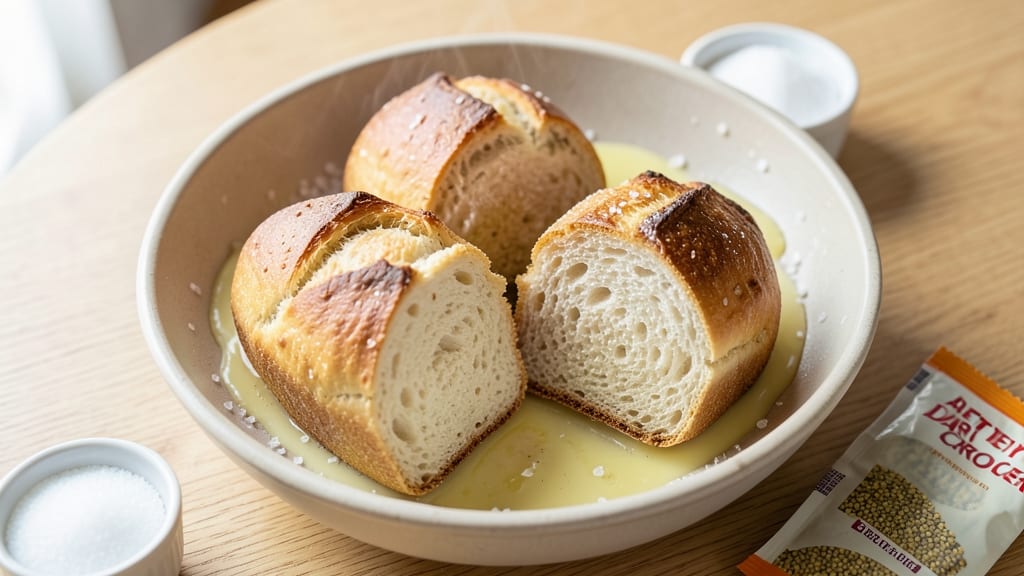
Betty Crocker's yeast white bread recipe delivers that classic soft, airy loaf with a crisp crust—exactly like the one you remember from childhood. This one-bowl method simplifies the process without sacrificing quality, using traditional yeast activation and kneading techniques adapted for home bakers.
The secret lies in precise ingredient ratios and proper proofing times to achieve that signature tender crumb and golden-brown exterior.
What makes this recipe stand out is its balance of tradition and convenience—no stand mixer required, just a sturdy mixing bowl and your hands. The dough develops naturally through a single rise, creating that light, fluffy texture that defines great white bread.
I’ve tested this recipe countless times to perfect the timing, ensuring your loaf bakes up beautifully every time with minimal effort.
By the time you pull it from the oven, you’ll have a perfectly shaped loaf with a crackling crust and a soft interior that’s impossible to resist. The aroma alone will have everyone gathering around the kitchen, and the texture—tender yet slightly chewy—is exactly what makes this bread a classic.
Whether you’re serving it with butter, jam, or as the base for sandwiches, this recipe delivers professional-quality results at home.
For those short on time, I’ll show you how to adapt this method for a bread machine, cutting prep time while still achieving that same iconic texture. The key adjustments are simple but make all the difference in the final outcome. Let’s get started on baking your perfect loaf.
Ingredients for betty crocker white bread recipe with yeast
Classic white bread ingredients with a modern one-bowl twist for that perfect tender crumb.
| Ingredient | Amount | Notes |
|---|---|---|
| Active Dry Yeast 🍞 | 2 ¼ tsp | 1 packet or 7g |
| Warm Water 💧 | 1 cup | 110°F (43°C) ideal |
| All-Purpose Flour 🌾 | 3 ½ cups | Spooning and leveling |
| Granulated Sugar 🍚 | 2 tbsp | Feeds yeast activation |
| Salt 🧂 | 1 tsp | Kosher or sea salt |
| Unsalted Butter 🧈 | ½ cup | Cold, cubed for texture |
| Large Eggs 🥚 | 1 whole | Room temperature |
| Milk 🥛 | ¼ cup | Warm, any fat content |
| Cornmeal 🌽 | ¼ cup | For dusting loaf pan |
| Water 💧 | 1 tbsp | For egg wash |
The yeast is the heart of this recipe—King Arthur or Bob's Red Mill are my go-tos for reliable activation. If your yeast isn't bubbling after 5 minutes in warm water, it's dead (happens more than you'd think). The flour matters too—Bread flour gives that extra lift, but all-purpose works fine if that's what you've got. For the butter, Land O'Lakes or Plugrá are consistent choices, but any unsalted works. Keep everything cold until the dough comes together—this prevents overdevelopment and keeps the crumb tender.
No yeast? Instant yeast works 1:1—just mix it directly with the flour. Short on butter? Olive oil at half the amount keeps things moist, though the flavor will shift slightly. The milk can be any kind (whole, 2%, even almond milk), but warm it first—cold milk slows yeast activation. For a bread machine version, just add everything except the cornmeal to the pan, use the 'white bread' setting, and let it do the work. The egg wash? Skip it if you're vegan—just brush with milk instead.
This dough keeps for 2 days in the fridge, wrapped tightly. For longer storage, freeze shaped loaves for up to 3 months—thaw at room temp before toasting. The cornmeal layer prevents sticking, but if you're using a nonstick pan, you can skip it. For extra crispiness, bake 5 minutes longer and let it cool completely on a wire rack. Leftovers? Toast within 2 days for best texture—fresh bread is magic, but stale bread is just sad.
Why You'll Love This Recipe
- No-Fuss Mix-In: I swear by this recipe because it’s literally four ingredients plus yeast—no fancy swirls or kneading marathons. Just toss the warm water, sugar, and yeast into the flour, let it rise once, and bake. That’s it. Even my coffee-stained, distracted self can handle it.
- Soft Gold Standard: The texture? Chef’s kiss. The yeast and sugar work their magic to give you that pillowy, slightly sweet crumb that’s somehow both classic and crave-worthy. Not too dense, not too dry—just the kind of bread that disappears faster than my willpower on a lazy Sunday.
- Weeknight Workhorse: Between us, this is my go-to for sandwiches, toast, or even a quick French toast breakfast. Freeze half the loaf, and you’ve got bread for days—no last-minute grocery runs. Honestly, I’ve fed a crowd with this, and no one batted an eye.
- Pantry Staple Savings: All-purpose flour and a pinch of sugar? This recipe costs me pennies per loaf. Plus, the dough’s forgiving—no need to rush or stress. It’s the kind of budget-friendly win that makes me feel like I’m cheating the system (but in a good way).
Step-by-step instructions for betty Crocker's yeast white bread
Here's how to make a classic, one-bowl white bread with a light, airy texture every time.
Activate the Yeast for Perfect Rise
In a large bowl, combine the 1 cup warm water (around 110°F) with the 2 tbsp granulated sugar and 2.25 tsp active dry yeast. Stir gently and let sit for 5-10 minutes until the mixture becomes foamy and bubbly. This confirms your yeast is alive and ready to work—if it doesn't bubble, start over with fresh yeast.
Here's the thing—warm water is critical. Too hot and you'll kill the yeast; too cold and it won't activate. The sugar provides food for the yeast to multiply, which kickstarts the rising process. If your kitchen is cold, warm the water slightly longer to reach that ideal 110°F temperature.
Mix Dough and Knead Until Smooth
Add the 3.5 cups all-purpose flour and 1 tsp salt to the yeast mixture. Stir with a wooden spoon until a shaggy dough forms, then switch to your hands. Gradually incorporate the 0.5 cup cold unsalted butter, working it into the dough until fully combined. The butter should be cold to create flaky layers later.
Turn the dough onto a lightly floured surface and knead for 5-7 minutes until smooth and elastic. You'll know it's ready when it springs back slowly when poked. I press down gently on the dough during kneading—this develops gluten, which gives the bread its structure. If the dough feels sticky, add flour 1 tablespoon at a time until it's just manageable.
Let Dough Rise Until Doubled in Size
Lightly grease a large bowl with a bit of oil or melted butter, then place the dough inside. Cover with a damp kitchen towel and let rise in a warm spot for 1-1.5 hours or until doubled in size. The dough should feel light and airy when pressed gently—it should leave a slight indentation but spring back slowly.
Don't rush this step. A proper rise is what gives white bread its signature light texture. If your kitchen is cold, place the bowl near a warm oven (turned off) with a pan of hot water underneath. The steam creates a humid environment that helps the dough rise evenly. Patience here prevents dense bread later.
Shape and Second Rise for Maximum Fluff
Punch down the risen dough to release air, then shape it into a loaf by folding the edges toward the center. Place it seam-side up in a 9x5-inch loaf pan that's been lightly dusted with 0.25 cup cornmeal. The cornmeal prevents sticking and adds a subtle crunch to the crust.
Cover the pan with a damp towel and let the dough rise again for 30-45 minutes until it domes slightly above the pan. This second rise ensures your bread will be light and airy. I like to tap the pan gently—if the dough feels firm and springs back slowly, it's ready. Preheat your oven to 375°F while the dough rises.
Bake to Golden Perfection
Brush the top of the dough with 1 tbsp water mixed with a pinch of salt (this creates a shiny crust). Bake in the preheated oven for 25-30 minutes until the top is golden brown and the internal temperature reaches 190°F. You'll know it's done when it sounds hollow when tapped on the bottom.
Remove from the oven and let cool in the pan for 10 minutes, then transfer to a wire rack. This resting period prevents a gummy texture. For extra flavor, brush the warm bread with melted butter after cooling. Slice when completely cooled—this ensures clean cuts and prevents a crumbly texture.
Pro Tips For Making Betty Crocker White Bread Recipe With Yeast
- TEST YEAST FIRST: Skip straight to mixing and you’ll waste flour if your yeast is dead. Drop 1 packet of yeast into ¼ cup warm water (110°F) with 1 tsp sugar—wait 5–10 minutes for frothy bubbles before adding to the dough. No bubbles? Toss it and start fresh.
- MEASURE FLOUR RIGHT: Scoop flour directly from the bag into your measuring cup, then level it with a knife—don’t pack it down. Betty Crocker’s recipe assumes light, aerated flour, and packing it in changes the dough’s texture (and makes it dense). Trust the cup, not the heap.
- KNEAD UNTIL STRETCHY: The dough should spring back slowly when poked—if it snaps back fast, knead another 2–3 minutes. I used to eyeball it and end up with gummy bread; a windowpane test (stretch a small piece thin enough to see light through) guarantees the right texture.
- PROOF IN A WARM DRAWER: Your oven’s lightbulb trick works, but a proofing drawer (or even a turned-off oven with a bowl of hot water) keeps temps steady at 80°F. Cold kitchen? Double-wrap the dough in plastic and let it rise overnight—it’ll wake up fluffy in the morning.
Wine and beer pairings for betty crocker white bread recipe with yeast
Crisp White Wine
A dry Riesling from Germany or Alsace is my go-to pairing for this classic white bread. The bright acidity and subtle mineral notes cut through the buttery richness while complementing the bread's soft, airy texture.
Look for a Keller Riesling or Dr. Loosen Blue Slate—both offer that perfect balance of crispness and complexity. Serve slightly chilled (50-55°F) to enhance the wine's refreshing quality. 🍷
Light Lager
For a beer lover's twist, a crisp American lager like Bud Light or Miller Lite works surprisingly well. The clean, light profile won't overpower the bread's delicate flavors, while the carbonation helps cleanse your palate between bites.
If you prefer something with a bit more character, try a German Helles like Weihenstephaner Original—its malty sweetness pairs beautifully with the buttery crust.
Creamy Chardonnay
If you're feeling indulgent, an un-oaked Chardonnay from New Zealand or California adds a luxurious touch. The wine's buttery notes mirror the bread's richness, while its citrus undertones provide a refreshing contrast.
I recommend a Cloudy Bay Sauvignon Blanc (though it's technically a SB, its crispness works) or a La Crema Chardonnay for a more traditional pairing. Serve at 50°F to preserve its bright acidity.
Seasonal Sparkling Wine
Celebrate your fresh loaf with a Prosecco or Cava—the effervescence and light fruitiness create a festive pairing. The bubbles help cut through the bread's richness, making each bite feel fresh.
For a budget-friendly option, La Marca Prosecco delivers excellent quality, while Freixenet Cordon Negro offers a Spanish twist with its crisp, citrus-driven profile. Keep it well-chilled (45-50°F) for the best experience. ✨
Herbal Beer Alternative
If you're looking for something different, a wheat beer like Blue Moon or Hoegaarden adds an interesting herbal note that complements the bread's subtle sweetness. The slight tartness in these beers balances the bread's buttery richness, while the effervescence keeps the palate refreshed.
For a more robust option, try a Belgian Witbier like Stella Artois—its coriander and orange peel notes add a unique dimension to the pairing.
Non-Alcoholic Pairings
Don't drink alcohol? No problem! A sparkling apple cider like Martinelli's or a ginger beer like Feather's provides the same refreshing contrast as wine or beer. For something more substantial, a cucumber-mint infused water with a splash of lime adds a refreshing, palate-cleansing element that highlights the bread's soft texture.
Serve chilled for the best experience. 💧
Nutrition facts
Frequently asked questions
Can I make this recipe without a stand mixer?
This one-bowl method requires only your hands for kneading. After mixing the ingredients in the bowl, turn the dough onto a lightly floured surface and knead for 5-7 minutes until smooth and elastic. The recipe is designed to be mixer-free while still delivering that classic tender crumb.
Why does my dough keep sticking to my hands?
Sticky dough usually means the flour isn't absorbing enough moisture. Add flour 1 tablespoon at a time while kneading until the dough is just manageable—not dry, but not clinging either. If it's still too sticky after adding 2 tablespoons, your kitchen might be too warm—try chilling the dough for 15 minutes before kneading again.
Can I substitute instant yeast for active dry yeast?
Yes! Use instant yeast 1:1—just mix it directly with the dry ingredients (flour) instead of activating it in water first. The recipe will work exactly the same, but skip the initial 5-10 minute yeast activation step. Instant yeast dissolves faster and works well in one-bowl methods.
How do I know when the bread is fully baked?
Your bread is done when it reaches an internal temperature of 190°F and sounds hollow when tapped on the bottom. The crust should also be a deep golden brown. If you're unsure, let it bake 5 extra minutes—underbaked bread can feel gummy when sliced.
Can I make this in a bread machine?
Combine all ingredients (except cornmeal) in your bread machine pan, then select the "white bread" setting. Most machines take about 3-4 hours (including rising and baking). For best results, use the "dough" setting first to mix, then shape and let rise in the pan before baking separately at 375°F for 25-30 minutes.