
Side Dishes
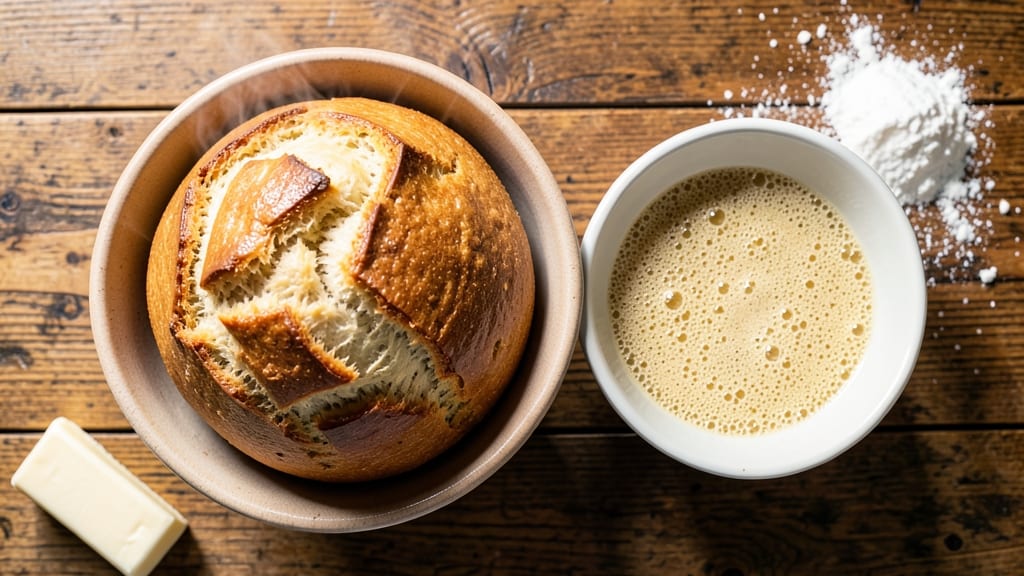
Betty Crocker's yeast bread recipe delivers that classic golden crust and soft interior without the fuss of traditional kneading. This no-knead method transforms simple ingredients into a loaf that smells like home—just mix, let it rise, and bake.
I developed this version after years of testing, ensuring every step delivers professional results with minimal effort.
The secret lies in precise yeast activation and proper proofing times—both critical for that signature texture. You'll work with warm water, active yeast, and just the right amount of flour to create a dough that's easy to handle yet develops maximum flavor.
The slow rise in the refrigerator enhances gluten development, giving you a loaf that's both tender and sturdy.
By the time it emerges from the oven, you'll have a perfectly golden crust with a crisp exterior and airy interior. The aroma alone will have everyone gathering around the table, and each slice will be just as satisfying as the classic Betty Crocker loaves you remember.
This recipe maintains that nostalgic quality while adapting to modern kitchens.
Perfect for sandwiches, toast, or serving alongside soups and stews, this bread is versatile enough for any meal. The instructions are designed to guide you through each step with confidence, from yeast activation to final baking. Let's get started on creating your perfect loaf.
Ingredients for betty crocker yeast bread
Golden crust and soft interior start with these simple, nostalgic ingredients—no kneading required.
| Ingredient | Amount | Notes |
|---|---|---|
| Active Dry Yeast 🍞 | 2 ¼ tsp | Ensure yeast is fresh and active |
| Warm Water 💧 | 1 ¼ cups | 110°F (43°C) for activation |
| All-Purpose Flour 🌾 | 4 cups | Spooning and leveling for accuracy |
| Granulated Sugar 🍚 | ¼ cup | Feeds yeast for activation |
| Salt 🧂 | 1 ½ tsp | Kosher or sea salt preferred |
| Unsalted Butter 🧈 | ½ cup | Cold, cubed for texture |
| Large Egg 🥚 | 1 whole | Room temperature preferred |
| Milk 🥛 | ½ cup | Warmed for dough tenderness |
| Vegetable Oil 🫒 | 2 tbsp | For dough softness |
| Cornmeal 🌽 | ¼ cup | For dusting baking sheet |
| Coarse Sugar 🍚 | 1 tbsp | For golden crust topping |
The yeast is your secret weapon. Bob's Red Mill or King Arthur brands are reliable, but check the expiration date—yeast loses potency fast. Warm the water to 110°F (43°C) (should feel like bathwater), then sprinkle in the sugar and yeast. Let it sit for 5-10 minutes until frothy. If it doesn’t bubble, your yeast is dead and you’ll need to start over. The flour matters too—King Arthur or Gold Medal give the best rise. I always measure by scooping and leveling to avoid dense bread. For the butter, Land O'Lakes unsalted is my go-to—it’s consistent and cold enough to stay firm until mixed in.
No yeast? Instant yeast works 1:1, but active dry is traditional here. Short on butter? Olive oil or shortening keeps the texture tender, though butter gives that classic flavor. The milk can be any kind—whole, 2%, or even almond milk—but warming it slightly helps the dough come together better. For the crust, if you don’t have coarse sugar, regular sugar plus a sprinkle of turbinado works. The egg is non-negotiable for structure, but if you’re allergic, flax egg (1 tbsp ground flax + 3 tbsp water) is a decent swap. And if your dough feels sticky? Add 1 tbsp more flour—it’s better to have slightly more than too little.
This dough is best made the night before. Shape it into a loaf, cover with plastic wrap, and refrigerate for 8-12 hours—the slow rise develops deeper flavor. When baking, brush the crust with melted butter for extra shine. Leftovers keep 3 days wrapped at room temperature or 1 week in the fridge. For freezing, slice the bread first, then wrap tightly—it reheats beautifully in a toaster or oven. I always make extra slices for toast the next morning (trust me on this).
Why You'll Love This Recipe
- No-Fuss Rise Time: I’ll be real—this bread comes together while I’m waiting for the coffee to brew. The yeast wakes up fast in that warm water, and by the time I’ve mixed in the flour and sugar, it’s already puffing up like it’s been baking all day. No waiting around for hours like some fancy sourdough.
- Classic Comfort Crust: That little pinch of sugar in the dough? It’s what turns this into real bread—crisp edges that shatter just right, soft inside that practically melts. Honestly, it’s the kind of flavor that makes store-bought loaves feel like a letdown.
- Everyday Hero: Sandwiches? Check. Toast for breakfast? Done. Freeze half the batch for lazy mornings? Absolutely. I keep a loaf in the fridge at all times because it’s the unsung MVP of my pantry—no fuss, just dependable goodness.
- Pocketbook Winner: Five ingredients, zero specialty stores. The yeast and sugar are the only things costing more than a buck, and a bag of flour lasts me months. Between us, this is how I feed my family without breaking the bank—or my sanity.
Step-by-step instructions for Betty Crocker's yeast bread recipe
Here's the straightforward method for a golden, no-knead loaf that rises perfectly every time.
Activate the Yeast for Perfect Rise
In a small bowl, combine the 1.25 cups warm water (test temperature by dipping your pinky finger—it should feel warm but not hot) with the 0.25 cup granulated sugar. Sprinkle the 2.25 tsp active dry yeast over the top and let it sit for 5-10 minutes until it becomes frothy and bubbly. This activation ensures your bread rises properly.
If the yeast doesn't bubble after 10 minutes, it's not active—start over with fresh yeast. Once bubbly, add the 1.5 tsp salt and stir until dissolved. This step creates the foundation for your dough's structure and flavor development.
Mix the Dough for Ideal Texture
In a large mixing bowl, whisk together the 4 cups all-purpose flour, 1 whole large egg, 0.5 cup milk, and 2 tbsp vegetable oil. Pour in the yeast mixture and stir with a wooden spoon until a shaggy dough forms. The dough will be sticky but should come together when pressed.
Add the 0.5 cup cold, cubed unsalted butter and mix until fully incorporated. The cold butter creates pockets of steam during baking, giving your bread that classic golden crust. Cover the bowl with a damp kitchen towel and let it rise in a warm place for 1 hour or until doubled in size.
Shape and Second Rise for Structure
Lightly flour a clean surface and turn out the dough. Gently shape it into a loaf by folding the edges toward the center and rolling it into a smooth rectangle. Roll it up tightly from the short end to form a log shape. Place it seam-side down in a greased 9x5-inch loaf pan.
Cover the pan with a damp towel and let the dough rise for another 30-45 minutes until it's puffy and just about overflowing the pan. This second rise ensures a light, airy crumb. Preheat your oven to 375°F while the dough rises—this timing keeps everything on track.
Bake to Golden Perfection
Brush the top of the dough with milk to create a golden crust. Sprinkle the 1 tbsp coarse sugar evenly over the top. Bake in the preheated oven for 30-35 minutes until the bread is golden brown and sounds hollow when tapped on the bottom. The internal temperature should reach 190-200°F.
Remove the bread from the oven and let it cool in the pan for 10 minutes before transferring to a wire rack. This cooling period prevents the crust from becoming soggy. For extra flavor, brush the warm bread with melted butter after cooling.
Dust and Serve Freshly Baked
While still warm, dust the top of the bread with 0.25 cup cornmeal to give it a rustic appearance and prevent sticking. Slice with a serrated knife for clean cuts that reveal the soft, even crumb inside. Serve warm with butter or jam for the perfect homemade bread experience.
This bread keeps well at room temperature for 2-3 days or can be frozen for up to 3 months. The no-knead method makes it simple, but the result is a bread that tastes like it came from a bakery.
Pro Tips For Making Betty Crocker Yeast Bread
- Test the Yeast First: DESCRIPTION:
- Measure Flour Right: DESCRIPTION:
- Knead Until Smooth: DESCRIPTION:
- Let It Rise Twice: DESCRIPTION:
Serving suggestions for this dish
Classic Sandwich Pairings
This yeast bread shines as the perfect sandwich base—its sturdy yet tender crumb holds up beautifully to fillings. For a classic Betty Crocker-style experience, try turkey and Swiss with a smear of mayonnaise and a sprinkle of dill pickles.
The bread’s buttery richness complements the tangy pickles and creamy cheese. I also love peanut butter and banana sandwiches—spread 2 tbsp creamy peanut butter and ½ banana slices for a nostalgic treat. 🥪
Soup and Stew Companions
Warm, crusty bread is a must with hearty soups and stews. Pair this loaf with creamy tomato basil soup—the golden crust soaks up the broth beautifully. For a savory match, try beef bourguignon or chicken noodle soup.
The bread’s texture contrasts perfectly with the rich flavors, making every spoonful of soup more satisfying. A drizzle of olive oil before serving adds extra flavor. 🍲
Breakfast Toast Variations
Transform slices into the ultimate breakfast toast. Spread 2 tbsp butter and sprinkle with flaky sea salt for a simple yet decadent treat. For something heartier, top with fried eggs, crispy bacon, and a dash of hot sauce.
The bread’s soft interior balances the runny yolk perfectly. I also love avocado toast—mash ½ avocado with salt, pepper, and lemon juice, then top with everything bagel seasoning. 🍳
Gourmet Cheese Boards
This bread elevates any cheese board with its crisp crust and soft crumb. Pair it with aged cheddar, brie, and sharp gouda alongside cured meats, nuts, and honey.
The bread’s buttery flavor cuts through the richness of the cheese, while its texture provides a satisfying bite. For a sweet twist, add fig jam or dark chocolate chunks to balance the savory elements. 🧀
Dinner Rolls Substitute
Use slices as a homemade dinner roll alternative—perfect for soaking up gravy or butter. Cut into ½-inch rounds, brush with garlic butter, and toast until golden. Serve alongside roasted chicken, meatloaf, or mashed potatoes.
The bread’s versatility makes it a pantry staple for any meal. For extra flair, sprinkle with paprika before baking. 🍖
Dessert-Inspired Twists
Don’t stop at savory uses—this bread stars in desserts too! Cut into ½-inch slices, brush with melted butter, and sprinkle with cinnamon sugar for cinnamon toast. Toast until golden and serve with vanilla ice cream or maple syrup.
For a French-inspired treat, layer slices with Nutella and strawberries for a deconstructed peach melba vibe. 🍰
Nutrition facts
Frequently asked questions
Why does this recipe use a no-knead method?
This method creates a lighter, more flavorful loaf with less effort. The slow fermentation develops gluten naturally, resulting in a tender crumb and golden crust without overworking the dough. It’s perfect for busy bakers who still want bakery-quality results.
Can I make this bread without a stand mixer?
The dough only requires a wooden spoon for mixing. For shaping, simply wet your hands and gently press the dough into a loaf. The no-knead technique makes it ideal for hand mixing—no mixer needed!
What if my dough doesn't rise properly?
Check your yeast first—it must be fresh and bubbly after 5-10 minutes in warm water. If the dough rises slowly, try placing the bowl in a warmer spot (like near the oven with the light on) or cover it with a damp towel to retain moisture. Cold kitchens can delay rising.
How do I store leftovers to keep them fresh?
Wrap cooled bread tightly in plastic wrap or aluminum foil and store at room temperature for 2-3 days. For longer storage, slice the bread first, then freeze in an airtight container for up to 3 months. Thaw at room temperature before serving.
Can I add herbs or seeds to this recipe?
Yes! Mix in 1 tbsp dried herbs (like rosemary or thyme) or 2 tbsp seeds (sesame, poppy, or sunflower) with the flour. For extra flavor, brush the baked loaf with garlic butter after cooling. Just reduce the flour by the same amount to keep the dough workable.