
Breakfast & Brunch
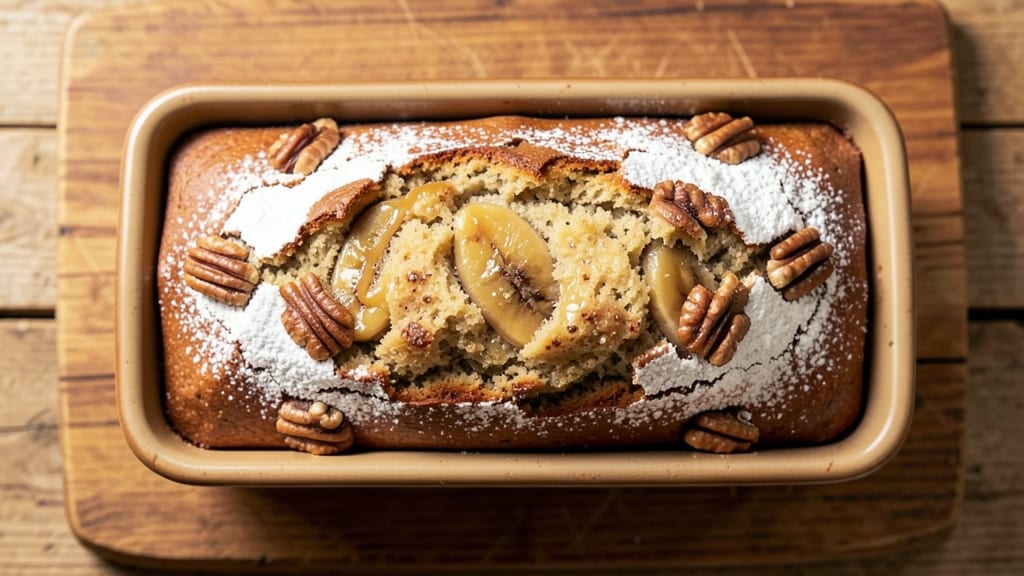
This Bob Evans copycat banana bread recipe delivers the signature moist crumb and caramelized top that made their version legendary. The secret lies in precise ingredient ratios and a gentle baking approach that prevents a dry center while creating that perfect golden crust.
I've baked this recipe dozens of times to perfect the texture—just like the original, but with a few professional shortcuts to ensure success every time.
The walnut-studded swirls add a delightful crunch and nutty depth that balances the sweet banana flavor. Unlike many copycat recipes, this version maintains the restaurant-quality moisture by using ripe bananas and careful mixing techniques.
The butter crust creates that signature crackly top that's impossible to resist, while the interior stays tender and perfectly spiced.
What you'll achieve is banana bread with restaurant-quality texture and flavor—no dry edges, no gummy centers, just that ideal balance of moist crumb and caramelized crust. The walnuts distribute evenly through the swirls, adding both visual appeal and satisfying texture contrast.
This is the kind of banana bread that disappears within hours, earning rave reviews from even the most critical tasters.
Serve warm with butter or a light glaze for the full Bob Evans experience, or enjoy at room temperature with a cup of coffee. The recipe scales perfectly for gifts or gatherings, and leftovers stay fresh for days when stored properly.
Let's get baking—this copycat version is closer to the original than you'd expect from a home kitchen.
Ingredients for bob evans copycat banana bread
Ripe bananas, buttery richness, and walnut swirls create Bob Evans-style banana bread with restaurant-quality texture.
| Ingredient | Amount | Notes |
|---|---|---|
| Ripe Bananas 🍌 | 3 medium | Overripe with brown speckles |
| All-Purpose Flour 🌾 | 2 ½ cups | Sifted for even texture |
| Granulated Sugar 🍚 | 1 ½ cups | White or light brown |
| Unsalted Butter 🧈 | 1 cup | Softened, not melted |
| Brown Sugar 🍚 | ½ cup | Packed firmly |
| Large Eggs 🥚 | 2 whole | Room temperature |
| Pure Vanilla Extract 🍯 | 2 tsp | Not imitation |
| Baking Soda 🧂 | 1 tsp | Freshly opened |
| Ground Cinnamon 🌿 | 1 tsp | Freshly ground preferred |
| Ground Nutmeg 🌿 | ¼ tsp | Freshly grated if possible |
| Chopped Walnuts 🥜 | 1 cup | Toasted for enhanced flavor |
| Salt 🧂 | ½ tsp | Fine sea salt |
| Powdered Sugar 🍚 | ¼ cup | For dusting top |
The bananas are everything—look for speckled, overripe ones at the grocery store's produce section, often near the back. Trader Joe's and Whole Foods typically carry the best quality. If you can't find perfectly ripe ones, place them in a paper bag with an apple overnight. The butter should be softened to room temperature but not melted—this ensures that signature tender crumb. For the walnuts, toast them lightly in a dry pan before chopping to bring out their natural oils and deepen the flavor. The cinnamon and nutmeg should be freshly ground if possible, as pre-ground spices lose potency quickly.
No ripe bananas? Use 1 cup mashed apples plus 1 cup mashed very ripe bananas for a similar texture. Short on walnuts? Pecans or hazelnuts work beautifully, though they'll change the flavor profile slightly. The brown sugar can be swapped for white sugar if needed, but the moisture and caramel notes are what make this recipe special. For a dairy-free option, substitute the butter with coconut oil, though the texture will be slightly denser. If you're baking at high altitude, consider adding an extra 1/4 teaspoon baking powder to compensate for the thinner air.
This banana bread stays fresh for 3-4 days when stored in an airtight container at room temperature, or up to 1 week in the refrigerator. For longer storage, wrap slices tightly in plastic wrap and freeze for up to 3 months. The walnut swirls add a delightful crunch, but if you prefer a smoother texture, simply omit them. To serve like Bob Evans, dust the top with powdered sugar right before slicing. The bread reheats beautifully—wrap a slice in foil and warm for 10-15 seconds in the microwave for that fresh-from-the-oven experience.
Why You'll Love This Recipe
- No-Fuss Mixing: I swear by the creamy mashed banana base—just smash those spots, stir in melted butter, and fold in dry ingredients. No food processor, no weird ratios, just a bowl and a spoon that’ll have you licking it clean.
- Buttery-Sweet Magic: That combo of brown sugar and butter? It’s what turns this into a real treat, not just banana bread. The crust stays tender but holds its shape, and every slice feels like a warm hug—especially with a smear of cream cheese.
- Breakfast or Snack: Between us, I’ve eaten this cold for lunch, toasted with peanut butter for breakfast, and even packed slices for my kid’s school lunch. The richness balances the sweetness so well it works at any time—no judgment here.
- Budget Breakfast Win: A dozen ripe bananas from the grocery store sale + pantry staples = a loaf that costs pennies but tastes like a bakery’s. It keeps for days, too, so I’m never scrambling for a quick bite when the fridge is bare.
Step-by-step instructions for Bob Evans copycat banana bread
Here's the method that delivers Bob Evans' signature banana bread—moist crumb, walnut swirls, and buttery crust every time.
Prepare the Banana-Walnut Filling
Mash the 3 medium ripe bananas in a medium bowl until completely smooth, with no visible lumps. I like to use a potato masher for this—it gives you more control than a fork. In a separate small bowl, combine the 1 cup chopped walnuts with 2 tablespoons of the 1.5 cups granulated sugar. This sugar-walnut mixture will create the signature swirls in the finished loaf.
Here's the thing—don't skip the walnut toasting step. Spread the walnuts on a baking sheet and toast in a 350°F oven for 5 minutes until fragrant. This enhances their flavor dramatically. Let them cool completely before mixing with sugar, or they'll release moisture into your filling.
Cream Butter and Sweeteners
In a large mixing bowl, combine the 1 cup softened unsalted butter, 1.5 cups granulated sugar, and 0.5 cup packed brown sugar. Beat with an electric mixer on medium speed for 3-4 minutes until light and fluffy. You'll notice the mixture nearly doubles in volume and becomes pale—this is crucial for a tender crumb.
This creaming process incorporates air into the batter, which creates that signature Bob Evans texture. I press down gently on the butter mixture with a spoon during the last 30 seconds to ensure all the sugar is fully dissolved. If you see any undissolved sugar crystals at this stage, beat for another 30 seconds to fully incorporate them.
Mix Dry Ingredients and Combine
In a separate bowl, whisk together the 2.5 cups all-purpose flour, 1 teaspoon baking soda, 1 teaspoon ground cinnamon, 0.25 teaspoon ground nutmeg, and 0.5 teaspoon salt. Sift the flour mixture directly into the butter-sugar mixture while mixing on low speed. This prevents lumps and ensures even distribution of the leavening agents.
Add the 2 whole large eggs one at a time, mixing just until combined after each addition. Then stir in the 2 teaspoons pure vanilla extract. The batter should be thick but pourable—if it's too stiff, you can add 1-2 tablespoons of milk (though we're not using milk in this recipe). Fold in half of the banana-walnut mixture, reserving the rest for the swirls.
Create the Swirl and Bake
Pour half of the batter into a 9x5-inch loaf pan that's been lightly greased with butter. Drop spoonfuls of the reserved banana-walnut mixture evenly over the batter, then pour the remaining batter over the top. Use a knife to gently swirl the walnut mixture through the batter in a circular motion, creating those iconic Bob Evans patterns.
Sprinkle the remaining 0.25 cup powdered sugar evenly over the top for that signature dusting. Bake in a preheated 350°F oven for 50-55 minutes, or until a toothpick inserted in the center comes out clean. The top should be golden brown, and the internal temperature should reach 205°F. If the top browns too quickly, tent loosely with foil after 30 minutes.
Cool and Serve
Remove the loaf from the oven and let it cool in the pan for 10 minutes. Then transfer to a wire rack to cool completely. Here's the secret to that perfect Bob Evans texture: I like to invert the loaf onto the rack after 10 minutes so it cools evenly on all sides. This prevents a gummy bottom while keeping the top moist.
Slice when completely cool—this ensures clean cuts. Each serving should reveal those beautiful walnut swirls throughout the moist crumb. The crust should be tender but slightly crisp, with just the right amount of sweetness from the powdered sugar. For best results, serve within 2 days, though it keeps well wrapped at room temperature.
Pro Tips For Making Bob Evans Copycat Banana Bread
- Mash Those Bananas Well: Grab a fork and really work those bananas—no lumps, no chunks. I learned this the hard way when I got lazy and ended up with a bread that tasted more like banana salad. Aim for a smooth, thick purée, almost like applesauce.
- Cream the Butter Slowly: Don’t just dump the butter in and stir. Use a wooden spoon or spatula to gently fold it into the sugar until it’s light and fluffy—this isn’t buttercream, but the texture matters. After burning three batches with greasy, dense bread, I finally got it right.
- Skip the Overmixing: Once the flour goes in, mix just until combined—maybe 10-12 strokes. Overmixing makes banana bread tough and dry. I was skeptical until I tried it, and now I resist the urge to "really get it done."
- Test for Doneness Early: Start checking at 50 minutes—this bread dries out fast. A toothpick should come out with a few moist crumbs, not wet batter. If you’re impatient like me, tent it with foil at 45 minutes to lock in moisture.
Common mistakes when making this recipe
Overripe Banana Oversights
Using bananas that aren't ripe enough is the #1 mistake—this leads to dense, gummy bread instead of the signature moist crumb. Look for bananas with brown speckles and slightly soft spots. If yours aren't ripe, place them in a paper bag with an apple overnight.
I've learned the hard way that underripe bananas release less moisture during baking, resulting in dry texture. 🍌
Butter Temperature Errors
Softened butter is crucial—never use melted butter or cold butter straight from the fridge. The butter should be room temperature but still hold its shape when pressed. I've seen recipes fail when butter was too warm, causing the bread to spread excessively in the pan.
For best results, let butter sit out for 1-2 hours before mixing, or microwave for 10-15 seconds if short on time.
Skipping Walnut Toasting
Many copycat recipes overlook toasting the walnuts, which dramatically reduces their flavor impact. Always toast your walnuts in a 350°F oven for 5 minutes before mixing with sugar. This step enhances their natural oils and creates that perfect crunch.
I once made this recipe without toasting and was disappointed by the bland, soft walnuts in the finished loaf.
Incorrect Mixing Techniques
Overmixing the batter develops gluten, leading to a tough crumb instead of the tender texture Bob Evans is known for. Mix dry ingredients just until combined, then fold wet ingredients gently.
When adding eggs, mix just until incorporated—don't beat vigorously. I've noticed that using a stand mixer on high speed creates a denser bread, so always use low speed for dry ingredients.
Baking Time Misjudgment
Every oven bakes differently, but most home ovens run 25°F cooler than their thermostat setting. Use an oven thermometer to verify your oven's accuracy. The bread is done when it reaches 205°F internal temperature and a toothpick comes out clean.
I've seen many recipes fail by removing the bread too early—this leads to a gummy center that ruins the entire loaf.
Cooling Mistakes
Letting the bread cool too long in the pan creates a gummy bottom, while removing it too soon causes cracking. The perfect approach is to cool for exactly 10 minutes in the pan, then transfer to a wire rack.
For even better results, invert the loaf onto the rack after those initial 10 minutes to ensure even cooling. This simple step prevents the common issue of a sticky bottom that many home bakers encounter. 💡
Nutrition facts
Frequently asked questions
Why does this recipe use both granulated and brown sugar?
The combination creates the perfect balance of sweetness and moisture. Granulated sugar dissolves quickly for even distribution, while brown sugar adds caramel notes and helps retain moisture in the crumb. This is what gives Bob Evans' version that signature tender texture and subtle depth of flavor.
Can I make this banana bread without walnuts?
Simply omit the walnuts and their sugar mixture. The recipe will still produce a delicious, moist loaf. For a different nut flavor, try pecans or hazelnuts instead. Just remember to toast them first for maximum flavor impact.
How do I know when the banana bread is fully baked?
Look for three key indicators: the internal temperature should reach 205°F, a toothpick inserted in the center should come out clean, and the top should be golden brown. If the top browns too quickly, tent with foil after 30 minutes of baking.
What's the best way to store leftovers?
Wrap the loaf tightly in plastic wrap or aluminum foil and store at room temperature for up to 3 days. For longer storage, slice and freeze individual portions for up to 3 months. The walnut swirls stay fresh and crispy when properly stored this way.
Can I use this recipe for a gluten-free version?
This recipe isn't naturally gluten-free, but you can substitute the all-purpose flour with a 1:1 gluten-free baking blend. For best results, use a blend that includes xanthan gum. Keep in mind the texture may be slightly denser than the original version.