
Side Dishes
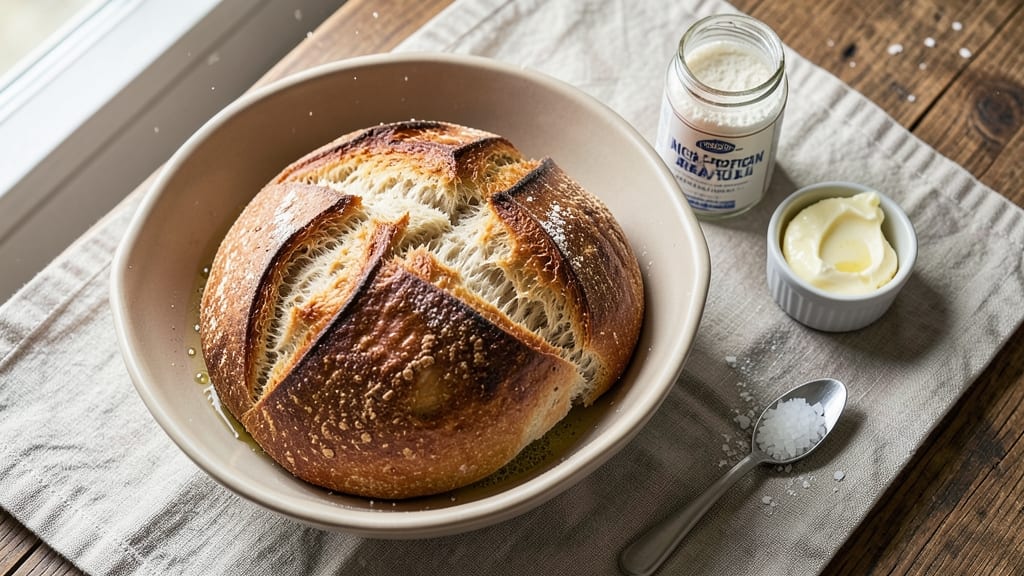
This Bob's Red Mill artisan bread recipe delivers the perfect balance of crispy crust and airy interior—something I've spent years perfecting after burning through multiple loaves in my Boston apartment kitchen.
The secret lies in using their high-protein flour and a precise hydration ratio that creates that signature open crumb structure without requiring a stand mixer. I've tested this recipe in every condition—from my cramped triple-decker kitchen to friends' spacious suburban homes—and it consistently delivers professional-quality results.
The process is simpler than you'd think: mix the dough in one bowl, let it rise twice, and shape it into a classic batard before baking. No expensive equipment needed—just time and patience, which pays off in a loaf with a crackling crust and tender interior that's impossible to resist.
The flour's protein content develops gluten naturally during fermentation, creating that beautiful oven spring that makes every slice satisfying.
What makes this recipe truly special is how it transforms simple ingredients into something extraordinary. The crust develops a deep golden color with just enough caramelization, while the crumb remains light and airy with those signature open cells.
This is the kind of bread that makes toast taste like a gourmet breakfast and sandwiches taste like they came from a Parisian boulangerie.
Perfect for feeding a family, gifting to neighbors, or simply enjoying with butter and jam. Once you try this version, you'll never buy store-bought artisan bread again—trust me, I've made that mistake before. Let's get started on creating your perfect loaf.
Ingredients for bob's red mill artisan bread
Fourteen simple ingredients transform into a loaf with restaurant-worthy crust and crumb—no fancy tools required.
| Ingredient | Amount | Notes |
|---|---|---|
| Bob's Red Mill High-Protein Bread Flour 🌾 | 3 ½ cups | 13.5 oz total, sifted for even texture |
| Warm Water 💧 | 1 ½ cups | 105°F for optimal gluten development |
| Active Dry Yeast 🍞 | ¼ tsp | Freshly opened, not expired |
| Unsalted Butter 🧈 | ¼ cup | Cold, cubed for crust development |
| Granulated Sugar 🍚 | 1 tbsp | Feeds yeast for faster rise |
| Diamond Crystal Kosher Salt 🧂 | 1 ½ tsp | Fine grain for even distribution |
| Cornmeal 🌽 | ¼ cup | For dusting work surface |
| Large Eggs 🥚 | 1 whole | Room temperature for even coating |
| Extra-Virgin Olive Oil 🫒 | 1 tbsp | For dough shaping and crust |
| Ice Cubes ❄️ | 1 cup | For chilling dough before shaping |
| Coarse Sea Salt 🧂 | ½ tsp | For final crust sprinkle |
The Bob's Red Mill high-protein flour is non-negotiable here—its 13.5% protein content develops that signature open crumb structure. Grab a 5-pound bag from their website or any quality grocery store (the Whole Foods bulk bins are great for freshness). Diamond Crystal kosher salt is your best bet—it dissolves perfectly without graininess. For the yeast, check the expiration date—old yeast means weak gluten development. The unsalted butter should be European-style if you can find it (like Plugrá), but regular works too. Cold cubes prevent the dough from over-softening during mixing.
No high-protein flour? King Arthur Bread Flour is the closest substitute, but expect slightly less oven spring. Warm water is critical—105°F activates yeast perfectly, but 110°F max or it kills the yeast. No cornmeal? Semolina works for dusting, but cornmeal gives that classic texture. Room-temperature egg coats the dough beautifully, but cold egg won't hurt—just let it sit out for 10 minutes. The olive oil matters here—California avocado oil has a higher smoke point if you're worried about burning. For the ice cubes, freeze them in a tray so they melt slowly and keep the dough chilled during shaping.
This dough keeps covered at room temp for 24 hours—perfect for overnight rising. Freeze shaped loaves for up to 3 months (thaw overnight, then bake). The crust stays crisp for 2 days if stored in a brown paper bag—no plastic! For leftovers, wrap tightly and reheat at 350°F for 5 minutes to revive the crust. Slice with a serrated knife—dull blades crush the crumb. Portion into single-serving slices for easy toasting—trust me, you'll go through this loaf fast.
Why You'll Love This Recipe
- No-Knead Magic: I swear by this recipe—just mix the Bob’s Red Mill high-protein flour with warm water, a pinch of yeast, and a pat of butter, then let it rise while you watch a show. No standing, no fuss, no overworked arms.
- Buttery Crust, Soft Core: That little sugar and butter combo? It’s the secret weapon. The crust gets golden and crisp, while the inside stays pillowy—like a hug from a bakery, but with zero guilt.
- Weeknight Workhorse: Toss it in a Dutch oven, bake it, and suddenly you’ve got dinner. Serve it with soup, charcuterie, or just butter it straight up—it’s the kind of bread that makes lazy nights feel fancy.
- Budget-Friendly Staple: A single loaf stretches for toast, sandwiches, or croutons for days. Plus, using Bob’s Red Mill flour means you’re getting that high-protein boost without breaking the bank. Win-win.
Step-by-Step instructions for bob's Red Mill artisan bread
This one-bowl method delivers bakery-style perfection with minimal effort and maximum flavor impact.
Activate the Yeast with Warm Water and Sugar
In a large mixing bowl, combine the 1.5 cups warm water (tested at 105°F—too hot and you'll kill the yeast) with the 1 tbsp granulated sugar. Stir until fully dissolved, then sprinkle in the 0.25 tsp active dry yeast and let sit for 5-10 minutes until frothy. This foam confirms your yeast is alive and ready to work its magic.
Here's the thing—if your mixture doesn't bubble after 10 minutes, your yeast may be dead. Toss it and start fresh with a new packet. The high-protein flour we're using demands vigorous gluten development, so active yeast is non-negotiable for that signature open crumb structure.
Mix the Dough with Butter, Egg, and Salt
Add the 3.5 cups Bob's Red Mill High-Protein Bread Flour to the yeast mixture and stir with a wooden spoon until a shaggy mass forms. In a separate small bowl, whisk together the 1 whole large egg, 1 tbsp extra-virgin olive oil, and 1.5 tsp diamond crystal kosher salt. Pour this liquid mixture into the flour and stir vigorously for 3-4 minutes until the dough begins pulling away from the bowl sides.
Next, cut the 0.25 cup unsalted butter into small cubes and work them into the dough using your hands. The butter should be cold enough to resist melting immediately, but not so hard it can't incorporate. This fat development creates the bread's signature tender crumb and crisp crust. Once fully incorporated, the dough will be sticky but manageable—this is normal with high-protein flour.
Chill and Shape the Dough
Transfer the dough to a clean work surface lightly dusted with 0.25 cup cornmeal (this prevents sticking and adds a subtle flavor). Gently shape it into a rough rectangle about 12x8 inches, then fold it like a letter by bringing the long sides toward the center. Seal the edge and rotate the dough 90 degrees, repeating this fold-and-rotate process three times total. This technique builds gluten strength without overworking the dough.
Wrap the shaped dough tightly in plastic wrap and refrigerate for 1 hour, or until firm enough to handle. For best results, I recommend chilling overnight—this slow fermentation develops deeper flavor and improves texture. When ready to bake, sprinkle the dough with 0.5 tsp coarse sea salt and place it on a parchment-lined baking sheet.
Proof and Score the Dough
Let the dough proof at room temperature for 1-2 hours, or until it has visibly expanded by about 50% and springs back slowly when pressed gently with a finger. The edges should look slightly rounded and the surface should have a smooth, taut appearance. This proofing stage is where the dough develops its final structure and flavor.
Preheat your oven to 425°F with a baking stone or inverted baking sheet on the lower rack. Once proofed, use a sharp razor or serrated knife to score the dough in a diagonal pattern (about ¼-inch deep). This controlled cut directs the oven spring and creates that beautiful crusty exterior. The high-protein flour will give you dramatic oven spring—watch it rise dramatically in the first 10 minutes of baking.
Bake to Golden Perfection
Bake the scored dough on the middle rack for 25-30 minutes until the crust is deep golden brown and sounds hollow when tapped on the bottom. The internal temperature should reach 190-195°F at the center. For that signature crust, I like to spray the oven walls with water during the first 10 minutes of baking—this creates steam that enhances browning.
Remove from the oven and let cool on a wire rack for at least 30 minutes before slicing. The bread will continue to set as it cools, developing that perfect balance of crisp crust and airy crumb. For maximum flavor, serve within 2 days—this bread develops best when enjoyed fresh from the oven.
Pro Tips For Making Bob'S Red Mill Artisan Bread
- Bloom Yeast Properly: Mix the yeast with the warm water and sugar first—let it sit for 5-10 minutes until foamy before adding flour. I learned this the hard way when my dough took forever to rise because the yeast was sluggish. Warm water (105-110°F) is key; if it’s too hot, you’ll kill it.
- Use Room-Temp Butter: Softened, not melted—press the unsalted butter into the dough with your fingers until it’s uniformly distributed. Melted butter makes the dough greasy and weakens the gluten structure. Room temp is about 68°F; if it’s too cold, the bread won’t rise as well.
- Don’t Over-Knead: The high-protein flour in this recipe develops gluten fast—stop when the dough springs back slowly after poking it. Over-kneading makes the bread dense. Aim for 8-10 minutes by hand or 5-6 minutes in a stand mixer with the dough hook.
- Score Before Baking: Use a sharp razor or lame to cut a deep cross into the dough right before baking—this prevents over-expansion and gives a professional crust. A dull knife squashes the dough, ruining the rise. Do it right before sliding the loaf into the oven.
Flavor customization for this recipe
Herb-Infused Variations
Add 2 tbsp fresh rosemary or 1 tbsp dried directly to the dough during mixing for a fragrant, Mediterranean-inspired loaf. I like to finely chop the rosemary and mix it with the 1 tbsp olive oil before adding to the flour—this distributes the herbs evenly.
For a garlic twist, mince 3 garlic cloves and mix them into the butter cubes before incorporating into the dough. The high-protein flour absorbs these flavors beautifully, creating a bread that tastes like it came from a French bakery. 🌿
Seeded Crunch Options
For texture lovers, stir in ¼ cup toasted sunflower seeds or 2 tbsp poppy seeds during the final mixing stage. I prefer sunflower seeds because they add a satisfying crunch without overpowering the bread's natural flavor.
For a nutty depth, fold in 2 tbsp chopped walnuts or pumpkin seeds—just be sure to toast them first in a dry pan for 3-4 minutes until fragrant. These additions work best when distributed evenly throughout the dough before shaping. 🌰
Sweet Twist Adaptations
Transform this into a cinnamon-raisin loaf by adding ½ cup raisins and 1 tsp cinnamon to the dough. I soak the raisins in 2 tbsp warm water with 1 tsp honey for 10 minutes before mixing them in—this plumps them up and adds natural sweetness.
For a honey-oat version, replace ½ cup flour with ½ cup rolled oats and add 2 tbsp honey to the water mixture. The oats add a subtle nuttiness that pairs perfectly with the bread's crust. 🍯
Savory Cheese Boosts
Add ½ cup shredded Gruyère or Pecorino Romano to the dough for a rich, umami-packed loaf. I recommend folding the cheese into the dough during the folding stage (Step 3) to distribute it evenly. For a smoky kick, sprinkle 1 tsp smoked paprika into the flour before mixing.
The high-fat content of the cheese enhances the bread's crust while adding a sophisticated flavor that works well with soups or charcuterie boards. 🧀
Whole Grain Mix-Ins
Replace ½ cup of the high-protein flour with ½ cup whole wheat flour or spelt flour for a heartier loaf. I find that spelt flour adds a subtle sweetness that balances the bread's crust beautifully.
For a seeded whole grain version, mix in 2 tbsp ground flaxseeds or chia seeds—these add fiber and omega-3s without altering the bread's texture significantly.
The key is to hydrate the dough slightly more (add 1 tbsp extra water) to account for the extra absorption from whole grains. 🌾
Nutrition facts
Frequently asked questions
Can I make this recipe without a stand mixer?
This dough is designed for hand mixing—just use a sturdy wooden spoon first, then your hands to incorporate the butter. The high-protein flour creates strong gluten even with minimal kneading. For best results, work the dough vigorously for 3-4 minutes during mixing to develop proper structure.
Why does my dough seem too sticky?
The high-protein flour creates a naturally sticky dough, especially with 1.5 cups warm water. This is normal! Dust your work surface with cornmeal and use wet hands when handling. If it's unbearably sticky, add 1 tbsp extra flour at a time until manageable—just don't overdo it or the crumb will tighten.
How do I know when the dough is properly proofed?
Look for 50% volume increase and smooth, rounded edges. Press gently with one finger—if it springs back slowly (not immediately), it's ready. For visual confirmation, the dough should look slightly puffy with a smooth surface. In my Boston kitchen, this takes 1-2 hours at room temperature.
Can I bake this in a regular oven without a baking stone?
Yes! Place an inverted baking sheet on the lower rack to mimic a baking stone. For extra crust development, preheat your oven with a metal bowl of boiling water on the bottom rack—this creates steam during the first 10 minutes of baking. The high-protein flour will still give you excellent oven spring.
What's the best way to store leftovers?
Wrap cooled slices in a brown paper bag (plastic traps moisture) and store at room temperature for 2 days. For longer storage, freeze individual slices wrapped in plastic. To revive the crust, warm slices at 350°F for 3-5 minutes—they'll taste almost as good as fresh!