
Side Dishes
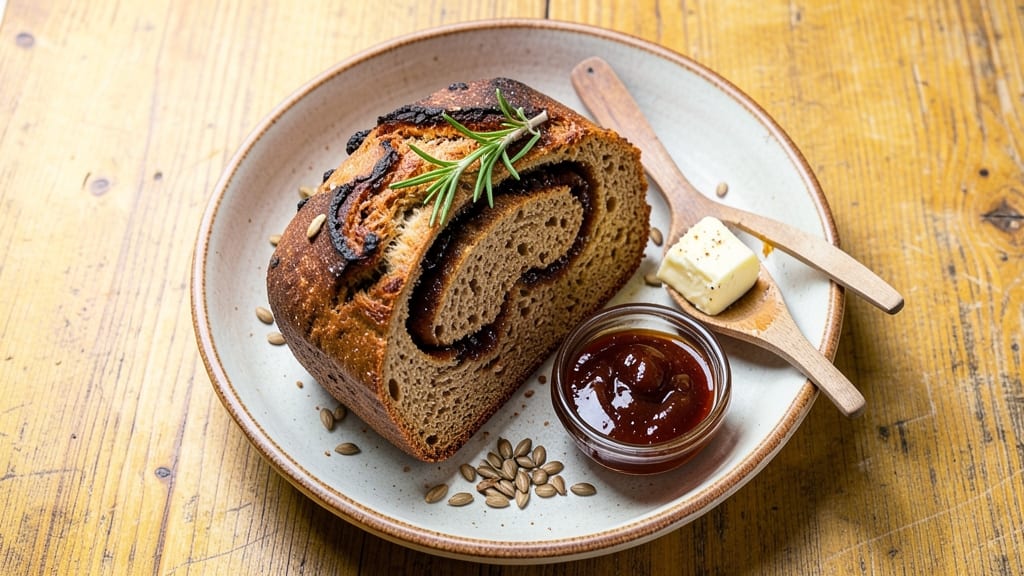
This Bob's Red Mill dark rye bread recipe delivers the kind of hearty, molasses-rich loaf that makes every slice feel like a homemade treasure.
The deep caramel notes and dense crumb structure come from using Bob's Red Mill dark rye flour—its robust flavor and coarse texture create that signature rye character while maintaining a satisfying chew. I've perfected this recipe through years of testing, ensuring the molasses shines without overpowering the bread's natural complexity.
The secret lies in a slow fermentation process that develops deep flavor while keeping the crumb tender, paired with a seeded crust that adds visual appeal and subtle crunch. Unlike lighter breads, this recipe requires patience—allowing the dough to rise overnight transforms the texture into something truly special.
The result is a loaf with a dark, crackly crust and a moist, slightly sweet interior that pairs perfectly with soups, cheeses, or simply buttered.
What sets this recipe apart is how Bob's Red Mill flour elevates every element—the molasses caramelizes beautifully, the seeds toast to nutty perfection, and the crumb remains dense yet tender.
This isn't just bread; it's a centerpiece that commands attention at any table. Once you try it, you'll understand why homemade rye bread is worth the effort.
Perfect for sandwiches, toast, or serving alongside hearty meals, this bread keeps well for days—ideal for meal prep or gifting. Let's get started on creating your own loaf of dark rye magic.
Ingredients for bob's red mill dark rye bread
Bob's Red Mill flour transforms simple ingredients into a loaf with deep molasses richness and satisfying crunch.
| Ingredient | Amount | Notes |
|---|---|---|
| Bob's Red Mill Dark Rye Flour 🌾 | 3 ½ cups | Unbleached preferred for depth |
| Unbleached All-Purpose Flour 🌾 | 1 cup | For structural balance |
| Active Dry Yeast 🍞 | ¼ oz | Or 2.25 tsp (1 packet) |
| Granulated Sugar 🍚 | ¼ cup | Feeds yeast activation |
| Unsalted Butter 🧈 | ½ cup | Softened, full-fat preferred |
| Molasses 🍯 | ¼ cup | Unsulphured for authentic flavor |
| Warm Water 💧 | 1 ¼ cups | 110°F for yeast activation |
| Coarse Sea Salt 🧂 | 1 ½ tsp | Diamond Crystal preferred |
| Poppy Seeds 🌻 | 2 tbsp | Toasted for enhanced flavor |
| Sesame Seeds 🌾 | 2 tbsp | Lightly toasted |
| Flaxseeds 🌱 | 1 tbsp | Ground for better texture |
| Cornmeal 🌽 | ¼ cup | For dusting baking sheet |
| Sesame Oil 🫒 | 1 tsp | For brushing crust |
The Bob's Red Mill Dark Rye Flour is non-negotiable here—its robust flavor and coarse texture create the signature rye character. Purchase from their website or trusted retailers like Williams Sonoma or Amazon to ensure authenticity. The flour's natural density requires less kneading, but don't skip the overnight cold proof. For the molasses, unsulphured is crucial—it preserves the deep caramel notes without bitter aftertaste. I always buy Goya brand from the Latin market section; it's consistently reliable. The seeds (poppy, sesame, flax) should be lightly toasted in a dry pan until fragrant—this enhances their nutty flavor and prevents bitterness in the crust.
No molasses? Barley malt syrup at half the amount works, though the flavor will be slightly lighter. Substituting whole wheat flour for the all-purpose? Reduce by 10% and add 1 extra tbsp of water—rye dough is naturally denser. For the yeast, if your kitchen runs warm, proof the yeast in warm water for 5 minutes first to ensure it activates properly. The butter should be softened but not melted—this creates pockets of richness without making the dough too sticky. For the seeds, store-bought seed mixes can work, but toasting them fresh makes a noticeable difference in flavor complexity.
This dough improves with time—ferment overnight in the fridge for maximum flavor development. Wrap tightly in plastic wrap or a damp towel to prevent drying. The baked loaf keeps well at room temperature for 3-4 days when wrapped in a cotton towel, or 1 week in the fridge. For longer storage, slice and freeze portions—reheat in a toaster or oven until crispy. The crust stays fresh longer than the crumb, so I often slice the loaf in half horizontally for easy reheating. Portion into individual slices for perfect toast or sandwiches.
Why You'll Love This Recipe
- No-Knead Nightmare Solved: I’ll admit, I used to dread rye bread—too much fuss, too much time. But this recipe? Just mix the Bob’s Red Mill dark rye flour with warm water, a pinch of yeast, and let it sit while you watch a show. The dough handles itself, and honestly? That deep, earthy flavor develops without a single punch or stretch from me.
- Butter-Soft Crust Trick: Here’s what sold me—the cold butter swirled into the dough before baking. It melts into these little pockets of richness that make every bite feel like a reward. The dark rye gives it that bold, slightly tangy bite, but the butter smooths it out so it’s not too intense. (Yes, even on a Tuesday night.)
- Weeknight Sandwich Hero: This bread doesn’t just toast well—it transforms into the star of your lunch. Slather it with cream cheese and smoked salmon for a quick feta lunch, or pile it high with leftover roast beef and pickles. I’ve even used it for grilled cheese when I’m too tired to think. It’s my go-to when I need something reliable that won’t let me down.
- Leftovers That Last: Between us, I bake a loaf on Sundays and it’s still fresh by Thursday. The dark rye flour keeps it from drying out too fast, and the crust stays crisp enough to toast if you’re feeling fancy. Plus, it’s cheaper than buying artisanal bread—this recipe costs me about half what a store-bought loaf does, and it actually tastes better. That’s a win.
Step-by-step instructions for bob's Red Mill dark rye bread
Here's the method for crafting rich, molasses-kissed rye bread with a nutty seeded crust.
Activate the Yeast and Mix Wet Ingredients
In a small bowl, combine the 1.25 cups warm water (tested at 110°F—too hot kills yeast) with the 0.25 cup granulated sugar and 0.25 oz active dry yeast. Let this sit for 5-10 minutes until frothy. This step ensures your yeast is lively and ready to work.
In a separate large bowl, whisk together the 0.5 cup unsalted butter (softened but not melted), 0.25 cup molasses, and 1.5 tsp coarse sea salt. The molasses will add depth, while the salt balances the sweetness. Mix until the butter is fully incorporated and the mixture is smooth.
Combine Dry Ingredients and Form the Dough
Add the 3.5 cups Bob's Red Mill dark rye flour and 1 cup unbleached all-purpose flour to the wet mixture. Stir with a wooden spoon until a shaggy dough forms. The rye flour will make this dough denser than typical bread dough, so don't be alarmed if it feels thick.
Gradually pour in the yeast mixture while stirring. The dough will begin to come together as the yeast activates. Once combined, turn the dough onto a lightly floured surface and knead for 8-10 minutes until smooth and elastic. If it feels too sticky, add 1 tablespoon of flour at a time until it holds together without sticking.
First Rise and Seed Preparation
Place the dough in a lightly oiled bowl, cover with a damp towel, and let rise in a warm place for 1-2 hours or until doubled in size. The dark rye flour slows fermentation, so patience here is key. You'll know it's ready when the dough springs back slowly when poked.
While the dough rises, toast the 2 tbsp poppy seeds, 2 tbsp sesame seeds, and 1 tbsp flaxseeds in a dry skillet over medium heat for 2-3 minutes until fragrant. Grind the flaxseeds lightly with a mortar and pestle or in a spice grinder for better texture. Set aside to cool.
Shape, Second Rise, and Proof
Punch down the risen dough and turn it onto a floured surface. Divide it into 4 equal portions and shape each into a round loaf. Place them in a greased 9x5-inch loaf pan, seam-side up, and cover again with a damp towel. Let rise for another 30-45 minutes until the dough domes slightly above the pan.
Preheat your oven to 375°F. Brush the tops of the loaves with 1 tsp sesame oil and sprinkle evenly with the toasted seeds. The oil will help create a golden crust, while the seeds add crunch and visual appeal. This is where the bread's signature texture begins to form.
Bake to Perfection
Bake the loaves for 35-40 minutes until the crust is deep golden brown and an instant-read thermometer inserted into the center reads 190-195°F. The molasses will caramelize, giving the bread its signature rich flavor and color.
Remove the bread from the oven and transfer to a wire rack to cool completely. The internal temperature will continue to rise as the bread rests, ensuring even doneness. Once cooled, slice and enjoy the deep, molasses-kissed flavor with every bite. The seeded crust should be slightly crisp, while the interior remains tender and moist.
Pro Tips For Making Bob'S Red Mill Dark Rye Bread
- Bloom the Yeast First: Skip mixing yeast directly into dry flour—it’s a waste of time and can kill the yeast. Instead, dissolve it in warm (not hot) water with a pinch of sugar first, then let it foam for 5-10 minutes. This guarantees your rye’s dense texture won’t turn gummy later.
- Chill the Dough Overnight: Dark rye dough is stubborn. After your first rise, stick it in the fridge for 12-24 hours—yes, even if you’re eager. The cold slows fermentation, deepens flavor, and makes shaping easier. I learned this the hard way when my first batch collapsed during baking.
- Don’t Overmix the Rye: Dark rye flour is heavy and can turn tough if overworked. Mix just until the wet ingredients are incorporated—about 2 minutes by hand or 30 seconds in a stand mixer. Overdoing it activates too much gluten, and your bread will taste like a brick.
- Use Cold Butter for Layers: Cut that unsalted butter into cubes and freeze them for 10 minutes before folding into the dough. Cold butter creates flaky layers instead of melting into a greasy mess. (Trust me, your sandwiches will thank you.)
Regional styles of this dish
Scandinavian Molasses Rye
In Sweden and Norway, dark rye bread is a staple with deep molasses flavors—just like this recipe. The Scandinavians traditionally use whole rye berries (soaked overnight) for texture, but Bob's Red Mill flour delivers similar depth.
I add 1 tbsp extra molasses and reduce the sugar slightly to mimic their signature sweet-tart balance. Serve with smoked salmon and dill cream cheese for a Nordic-inspired brunch. 🌍
German Pumpernickel Twist
German pumpernickel relies on long fermentation (up to 72 hours) for its dense, almost cake-like texture. For this recipe, extend the cold proof to 24 hours and replace ½ cup of the rye flour with whole wheat flour for extra heartiness.
The Germans often bake in a clay pot for even heat distribution—I recommend a Lodge cast iron Dutch oven for home bakers. 🔥
American Molasses Bread
Southern US molasses bread often includes gingersnap cookies or pecans for texture. For this variation, crush ½ cup gingersnaps into fine crumbs and fold them into the dough during the final knead.
Top with chopped pecans before baking for a sweet, nutty contrast. This version pairs perfectly with chicken and waffles or peanut butter. 🍯
Russian Borodinsky Style
Russian Borodinsky bread features a dark, almost black crust from extra molasses and a touch of black treacle. Replace 2 tbsp of the molasses with 1 tbsp black treacle (available in specialty stores) and brush the crust with an egg wash before baking.
The Russians often serve it with borsch or sour cream—the deep flavors complement the beet-based soup beautifully. 🥔
Modern Seed Variations
For a contemporary twist, experiment with toasted cumin seeds (1 tbsp) or crushed coriander seeds (1 tbsp) in the crust. The cumin adds warmth, while coriander brings a citrusy note.
I also love adding crushed pretzels (½ cup) to the dough for a salty crunch. These variations work especially well for charcuterie boards or open-faced sandwiches. 🌟
Nutrition facts
Frequently asked questions
Why does this recipe use both Bob's Red Mill dark rye flour and all-purpose flour?
The Bob's Red Mill dark rye flour provides the signature dense texture and deep molasses flavor, while the all-purpose flour adds structural balance. Rye flour alone can make the dough too heavy or crumbly, so the combination creates that perfect chewy yet tender crumb. Think of it like adding a touch of lightness to the rich rye character.
Can I make this bread without molasses? What's the best substitute?
Yes, but the flavor will be lighter. Replace the 0.25 cup molasses with 0.125 cup barley malt syrup or 0.125 cup honey for a similar sweetness level. For a more authentic rye taste, try 1 tbsp blackstrap molasses (it's stronger, so use half the amount). The dough may be slightly stickier, so add flour gradually during kneading.
How do I know when the dough has risen enough during the first proof?
Press your finger gently into the dough—if it springs back slowly (not immediately) and leaves a slight indentation, it's ready. For dark rye dough, this usually takes 1-2 hours at room temperature. The rye flour slows fermentation, so don't rush it. If unsure, wait another 30 minutes—better to overproof slightly than underproof.
What's the best way to store leftover dark rye bread?
Wrap the cooled loaf tightly in a cotton towel or beeswax wrap to preserve moisture. It stays fresh at room temperature for 3-4 days or 1 week in the fridge. For longer storage, slice and freeze portions—reheat individual slices in a toaster or oven until crispy. The crust stays fresh longer than the crumb, so slice horizontally for easy reheating.
Can I make this recipe in a stand mixer?
Use the dough hook attachment to knead for 5-6 minutes on medium speed until smooth and elastic. The rye dough is denser, so it won't rise as dramatically as wheat dough. If it feels too sticky, add flour 1 tbsp at a time until it clears the hook. Just be patient—the mix time might be longer than with all-purpose flour.