
Side Dishes
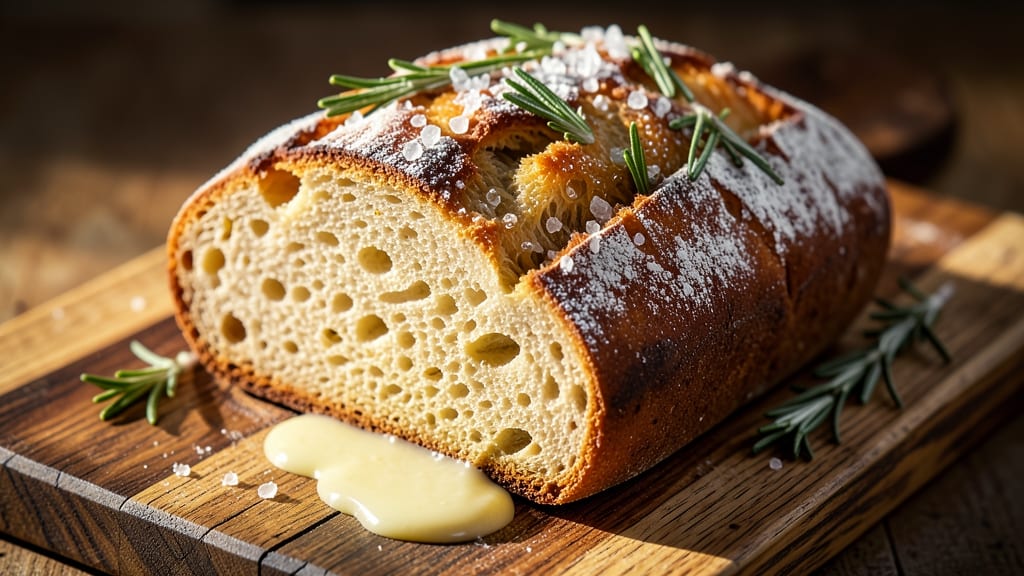
Bob’s Red Mill Irish soda bread recipe delivers that perfect rustic crust and tender crumb we all crave—no yeast, no fuss, just buttermilk magic. ✨ The no-knead method means minimal effort but maximum flavor, with a golden crust that cracks beautifully as it bakes.
I’ve perfected this version using Bob’s Red Mill all-purpose flour, which gives the bread its signature texture and hearty taste.
This recipe stays true to tradition while offering flexibility—swap in whole wheat flour for a nuttier profile or add raisins and seeds for extra texture. The buttermilk activates the baking soda, creating that signature tangy flavor and airy crumb.
Baking at 375°F for 35-40 minutes ensures a crispy exterior and moist interior, every time.
What you’ll end up with is a loaf that’s warm, slightly dense, and packed with buttery richness—ideal for breakfast, sandwiches, or paired with soups. The crust stays crisp for days, while the interior remains soft.
Whether you’re baking for a cozy weekend morning or meal prepping for the week, this bread is a game-changer.
For extra flavor, try adding a sprinkle of coarse salt or a pinch of cinnamon before baking. Store wrapped at room temperature for up to 3 days or freeze for longer shelf life. Let’s get baking!
Ingredients for bob's red mill irish soda bread
Fourteen simple ingredients—just flour, buttermilk, and a pinch of magic.
| Ingredient | Amount | Notes |
|---|---|---|
| Bob's Red Mill All-Purpose Flour 🌾 | 3 ½ cups | Sifted for even texture |
| Buttermilk 🥛 | 1 ½ cups | Full-fat for richness |
| Baking Soda 🧂 | 1 tsp | Freshly opened package |
| Coarse Sea Salt 🧂 | 1 ½ tsp | For crust enhancement |
| Unsalted Butter 🧈 | ½ cup | Cold, cubed for mixing |
| Granulated Sugar 🍚 | ¼ cup | Light brown preferred |
| Freshly Ground Black Pepper 🌶️ | ½ tsp | Freshly cracked for flavor |
| Raisins (optional) 🍇 | ½ cup | Plump, soaked if dry |
| Sunflower Seeds (optional) 🥜 | ¼ cup | Toasted for extra crunch |
| Coarse Cinnamon (optional) 🌿 | ½ tsp | For warm spice notes |
| Cornmeal (for dusting) 🌽 | ¼ cup | Fine grind preferred |
The Bob's Red Mill flour is non-negotiable here—its protein level gives that signature Irish crumb. Grab a 5-pound bag from their website or your local health food store; it keeps forever. For the buttermilk, full-fat is key—the fat content makes the crust crispier. If you don't have buttermilk, mix 1 tbsp vinegar or lemon juice with 1.5 cups milk and let it sit for 5 minutes. The baking soda needs to be fresh—if it's been sitting in your pantry for months, toss it. Diamond Crystal is my go-to brand for baking soda; it's double-acting, which means extra lift. For the raisins, Trader Joe's has the best plump ones—soak them in warm water for 10 minutes if they look dry.
No raisins? Dried cranberries or chopped dates work too—just soak them first. Want extra crunch? Toasted walnuts or pecans replace sunflower seeds. Short on sugar? Maple syrup or honey at half the amount adds moisture and depth. The cinnamon is optional but worth it—it pairs beautifully with the buttermilk's tang. For the butter, European-style (like Plugrá) has more fat, which gives a richer crust. If you're feeling fancy, brush the baked loaf with melted butter while it's still warm for extra shine. The cornmeal? Bob's Red Mill again—it's finer than regular cornmeal and gives that perfect golden crust.
This loaf keeps best wrapped in parchment paper at room temperature for 3 days—the crust stays crisp, but the interior stays soft. For longer storage, freeze the whole loaf for up to 3 months. Just thaw at room temperature for 1-2 hours before slicing. Pro tip: Slice it while warm for the cleanest cuts. The flavor actually improves overnight as the crumb sets. If you make a double batch, freeze one loaf—perfect for lazy weekend breakfasts.
Why You'll Love This Recipe
- No-Fuss Mix-In: This comes together with just five ingredients—no yeast, no kneading, no waiting for dough to rise. Honestly, the Bob’s Red Mill flour handles the texture so well, you’ll swear you spent hours baking when it’s really just 10 minutes of stirring.
- Tangy-Sweet Magic: That buttermilk tang cuts through the richness of the butter, while the baking soda gives it that signature lift. Between us, the coarse sea salt on top? It’s the little detail that makes every bite feel like a hug.
- Weeknight Workhorse: Slice it fresh for breakfast, toast it for lunch, or pack it for school lunches—it stays soft for days. My kids grab it straight from the fridge with peanut butter, and I swear, it’s the only bread that doesn’t turn into a hockey puck by day three.
- Budget Breakfast Win: A loaf costs me less than $2 to make, and it feeds four for days. Plus, the leftovers freeze like a dream—just pop a slice in the toaster when you’re too tired to think. (Yes, even on a Tuesday night.)
Step-by-step instructions for bob's Red Mill Irish soda bread
Here's how to make this classic loaf with a crispy crust and tender crumb—no fancy tools needed.
👨🍳 Step 1: Mix the Wet and Dry Ingredients
In a large mixing bowl, combine the 3.5 cups Bob's Red Mill All-Purpose Flour, 1 tsp Baking Soda, 1.5 tsp Coarse Sea Salt, 0.25 cup Granulated Sugar, and 0.5 tsp Freshly Ground Black Pepper. Mix these dry ingredients together until evenly distributed—this ensures every bite has that signature tangy, slightly salty flavor. If you're using the optional add-ins, fold in the 0.5 cup Raisins and 0.25 cup Sunflower Seeds now, along with 0.5 tsp Coarse Cinnamon if you like that extra warmth.
In a separate bowl, whisk together the 1.5 cups Buttermilk and 0.5 cup Unsalted Butter (cold, cubed). The buttermilk's acidity is what makes Irish soda bread uniquely tender and slightly crumbly. Pour this wet mixture into the dry ingredients and stir gently with a wooden spoon or your hands until just combined. You'll notice the dough will be sticky—this is normal and part of the charm. Overmixing will toughen the bread, so stop as soon as you see a shaggy dough forming.
🥘 Step 2: Shape and Prepare the Dough
Turn the dough out onto a lightly floured surface and gently shape it into a round loaf. I like to use my hands, patting and shaping it into a smooth ball about 8-9 inches in diameter. If the dough feels too sticky, wet your hands slightly to prevent sticking. Place the shaped dough onto a baking sheet lined with parchment paper.
Here's where the magic happens—score the top of the loaf with a sharp knife. Cut a deep cross (about ½-inch deep) through the center. This isn't just for looks; it helps the bread expand evenly as it bakes and gives you that classic rustic appearance. Dust the top generously with 0.25 cup Cornmeal for dusting—this creates that iconic crispy crust and prevents sticking. Let the loaf rest for 10 minutes while you preheat your oven to 375°F.
🔥 Step 3: Bake to Golden Perfection
Slide the prepared loaf into the preheated oven and bake for 45-50 minutes. You'll know it's done when the crust is a deep golden brown and sounds hollow when tapped on the bottom. The internal temperature should reach 190-200°F—this ensures it's fully baked through but still tender.
Here's the thing—Irish soda bread continues to cook as it cools, so don't overbake it. If the top browns too quickly, tent it loosely with aluminum foil after 30 minutes to prevent over-browning while the center finishes baking. The aroma filling your kitchen should be warm, buttery, and just slightly tangy from the buttermilk. Let the loaf cool on a wire rack for at least 20 minutes before slicing—this allows the crumb to set properly and prevents a gummy texture.
⏰ Step 4: Serve Warm for Maximum Enjoyment
Once cooled, slice the loaf and serve it warm for the best experience. The crust should be crisp and slightly crackly, while the interior remains soft and pillowy. Pair it with a pat of butter, a smear of jam, or enjoy it plain—it's that good. If you made this with the optional add-ins, you'll get little bursts of sweetness from the raisins and crunch from the sunflower seeds in every bite.
Store any leftovers wrapped in a clean kitchen towel or plastic wrap at room temperature for up to 3 days. For longer storage, slice and freeze the bread—it reheats beautifully in a toaster or oven for a quick snack.
Pro Tips For Making Bob'S Red Mill Irish Soda Bread
- MEASURE THE BUTTERMILK FAST: Use a 1:1 ratio with water—mix 1 cup buttermilk + 1 tablespoon lemon juice or vinegar, then let sit 5 minutes. I learned this the hard way when I forgot buttermilk and ended up with a dense, flat loaf that tasted like sad pancakes. Works just as well, no last-minute store runs.
- STOP OVERMIXING THE DOUGH: Fold the butter into the flour-buttermilk mix just until combined—lumpy is fine. I used to beat it like I was punishing the dough, and my bread turned out tough and dense. The goal is to keep those gluten strands short for that classic tender crumb.
- LET THE BREAD REST: Cover the shaped loaf and let it sit 10 minutes before baking. Sounds weird, but it works: the dough relaxes, rises slightly, and develops a better oven spring. I skipped this once, and my loaf collapsed like a sad soufflé—now I never rush this step.
- USE A DARK PAN: A black cast-iron skillet or dark metal pan gives the crust that classic deep color and crisp texture. I tried a shiny metal bowl once—my bread looked pale and underdone, even after baking longer. If you don’t have a dark pan, brush the loaf with melted butter before baking for extra color.
Essential equipment for this recipe
Mixing Essentials
You’ll need a large mixing bowl (I use my 16-cup stainless steel from OXO) to combine the dry ingredients. A wooden spoon or flexible silicone spatula works best for mixing—these tools help scrape every last bit of flour from the bowl.
For the wet ingredients, a medium-sized bowl (like my Pyrex measuring bowl) keeps things organized. A digital kitchen scale (I love the OXO Good Grips) ensures precise measurements, especially for the flour—Bob’s Red Mill flour is lighter than all-purpose, so scooping can lead to errors. 🌾
Shaping Tools
A lightly floured surface (I use a marble pastry mat) makes shaping the dough easier. Your hands are perfect for this—wet them slightly to prevent sticking. For scoring the loaf, a sharp chef’s knife (I prefer a Wüsthof) or a bread lame creates clean, deep cuts.
If you don’t have one, a serrated knife works in a pinch. A parchment-lined baking sheet (I use Starfrit) prevents sticking and makes cleanup effortless. 🔪
Baking Gear
A preheated oven is non-negotiable—use an oven thermometer (like the Thermoworks) to confirm it’s at 375°F. For even baking, place the loaf on the middle rack (avoid the top shelf, which can over-brown).
A wire cooling rack (I use a collapsible one from Amazon) keeps the bread from getting soggy as it cools. If you’re worried about over-browning, keep aluminum foil nearby to tent the loaf after 30 minutes. 🔥
Optional Add-Ins
If you’re adding raisins or seeds, a small bowl for soaking (if needed) and a fine-mesh strainer (for draining) are helpful. For toasting seeds, a dry skillet over medium heat works—just stir constantly to avoid burning.
A fine-mesh sieve (like my OXO) dusts the cornmeal evenly for that perfect crust. For extra flavor, a small bowl for mixing cinnamon or spices keeps everything organized. 🥜
Storage Solutions
Store leftovers in an airtight container (I use Glasslock) to keep the crust crisp. For freezing, plastic wrap + foil (or a freezer bag) prevents freezer burn. A serrated bread knife (like my Mercer Culinary) gives clean slices—dull knives crush the crumb.
If you’re slicing warm bread, a small plate catches crumbs while you serve. 🧺
Nutrition facts
Frequently asked questions
Can I make this Irish soda bread without buttermilk?
Mix 1.5 cups milk (dairy or plant-based) with 1 tablespoon vinegar or lemon juice, then let it sit for 5 minutes to curdle. This creates the same tangy reaction as buttermilk. For extra richness, use full-fat milk or coconut milk.
Why does my Irish soda bread turn out dense?
Overmixing the dough or using old baking soda are the most common culprits. Mix just until combined—stop when shaggy dough forms. Also, ensure your baking soda is fresh (test by mixing with water; it should fizz). For extra airiness, try folding in 1 extra tablespoon of baking soda.
How do I store leftover Irish soda bread?
Wrap the cooled loaf in a clean kitchen towel or parchment paper to keep the crust crisp. Store at room temperature for up to 3 days. For longer storage, slice and freeze—it reheats beautifully in a toaster or oven. The flavor actually improves as it stales slightly!
Can I add whole wheat flour to this recipe?
Yes! Replace up to 1 cup of the all-purpose flour with whole wheat for a nuttier flavor and denser texture. For best results, use Bob's Red Mill Whole Wheat Flour and add 2 extra tablespoons of liquid (buttermilk or milk) to compensate for the extra absorption.
What's the best way to reheat stale Irish soda bread?
Wrap slices in aluminum foil and warm in a 350°F oven for 5-7 minutes or toast in a toaster until crispy. For extra moisture, brush with melted butter before reheating. A quick zap in the microwave (10-15 seconds) works in a pinch, but the crust won't be as crisp.