
Sauces & Condiments
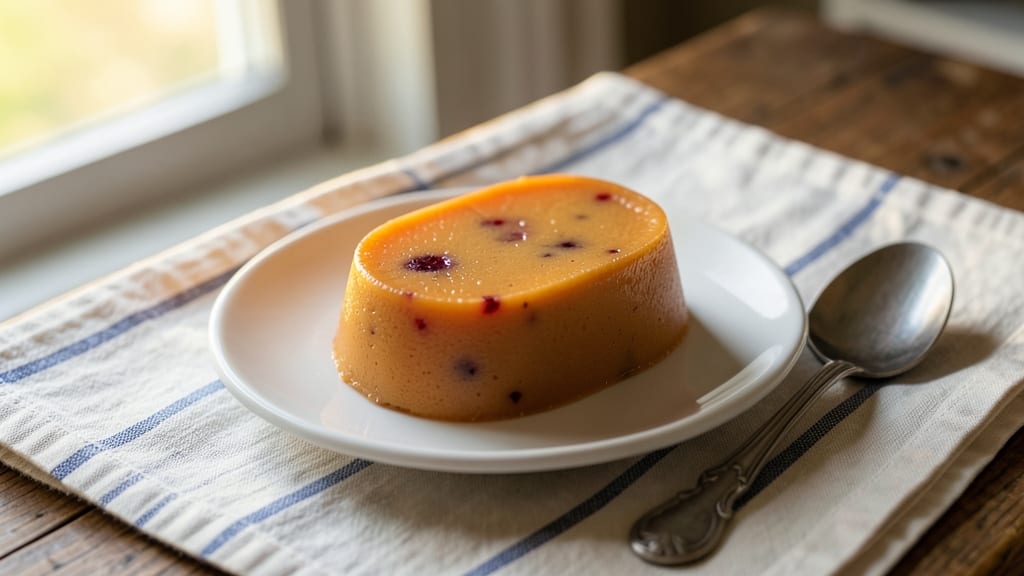
Transforming stale bread into a luxurious dessert jelly is a technique I first learned from my Nonna, who swore by its ability to rescue day-old loaves.
This bread jelly recipe delivers a silky, golden dessert that's perfect for toasting, layering in pastries, or serving chilled with whipped cream—all without a single drop of milk or baking required.
The process is surprisingly simple: bread is soaked in a sugar syrup until tender, then blended into a smooth puree before being combined with gelatin and fruit preserves.
The key to success lies in precise measurements and patience during the chilling stage, where the jelly sets into a delicate, wobbling texture that's neither too firm nor too soft.
What you'll end up with is a vibrant, fragrant jelly that carries the subtle sweetness of bread paired with the rich depth of fruit preserves.
Each slice offers a perfect balance of textures—smooth yet slightly chewy—making it an elegant treat for special occasions or a comforting indulgence any day of the week.
This recipe works beautifully with day-old sourdough, brioche, or even Italian panettone—just be sure to use bread that's completely dry to avoid a grainy texture. Let's create something extraordinary from something ordinary.
Ingredients for bread jelly
Transform stale bread into a luxurious jelly with just nine ingredients and no baking required.
| Ingredient | Amount | Notes |
|---|---|---|
| Day-Old Sourdough Bread 🍞 | 8 oz | Crust removed, completely dry |
| Granulated Sugar 🍚 | 2 cups | White or light brown |
| Water 💧 | 1 ½ cups | Room temperature preferred |
| Unflavored Gelatin Powder 🍬 | 2 tbsp | High-quality, bloom type |
| Raspberry Preserves 🍓 | 1 cup | Seedless preferred |
| Lemon Juice 🍋 | 1 tbsp | Freshly squeezed |
| Vanilla Extract 🌸 | ½ tsp | Pure vanilla preferred |
| Salt 🧂 | ¼ tsp | Fine sea salt |
| Heavy Cream 🥛 | ¼ cup | Cold for garnish |
| Powdered Sugar 🍚 | 2 tbsp | For dusting |
The bread is the foundation—day-old sourdough works best, but brioche or panettone add richness. Remove all crust and tear into large chunks for even soaking. Most bakeries or grocery stores sell day-old bread at a discount, making this both economical and sustainable. If using brioche, opt for Whole Foods or specialty bakeries for the highest quality. The sugar should be fine granulated—no sanding needed, but avoid raw sugar for even dissolving. For the gelatin, Great Value or Knox brands are reliable and budget-friendly, but premium brands like Spectrum offer clearer results.
No raspberry preserves? Strawberry, apricot, or peach work equally well—just adjust the flavor profile to your taste. Substitute jam for preserves if needed, but strain out any large fruit pieces for a smoother texture. The lemon juice is critical for brightness, but bottled lemon juice is fine if fresh isn't available. For a dairy-free version, coconut cream can replace the heavy cream for garnish, though it has a distinct flavor. If you're short on vanilla, vanilla bean paste adds flecks of vanilla for a premium touch. The salt balances sweetness—Diamond Crystal is ideal, but any fine sea salt will do.
This jelly keeps beautifully—refrigerated for up to 2 weeks in an airtight container. For longer storage, freeze in portions for up to 3 months. The texture improves after chilling, so plan ahead if serving immediately. To reheat, microwave in 10-second bursts until just melted. Garnish with whipped cream or a sprinkle of powdered sugar for a restaurant-worthy finish. Portion into small jars for elegant gifts or individual servings.
Why You'll Love This Recipe
- Uses Stale Bread: I swear by this trick—no more sad, crusty loaves gathering dust. Just tear that day-old sourdough into chunks, and suddenly it’s transformed into something silky and sweet. (Between us, I’ve saved at least three loaves this way.)
- No-Fuss Jiggle: Honestly, the gelatin does all the work. No whisking for hours, no tempering—just bloom the powder, simmer the sugar water, and let it set. The raspberry swirl? Two minutes of stirring with a fork. That’s it.
- Dessert That Feeds: This isn’t just a fancy plate for brunch—it’s my go-to for potlucks, office parties, or when I need to impress without stress. Slice it thick for a crowd, or serve individual portions in tiny jars. (Yes, even on a Tuesday night.)
- Sweet Without the Guilt: Budget-friendly? Absolutely. The ingredients cost pennies, and it stretches like crazy—leftovers last days in the fridge, or you can freeze it for emergencies. Plus, it’s way more exciting than store-bought Jell-O. (My kids don’t even know it’s “healthy” sourdough.)
Step-by-step instructions for bread jelly
Here's the straightforward method for creating this luxurious, no-cook spread that transforms simple toast into a gourmet experience.
Bloom the Gelatin in Cold Water
In a small bowl, sprinkle the 2 tablespoons unflavored gelatin powder evenly over the 1.5 cups water. This prevents clumping and ensures even distribution throughout the jelly. Let it sit for 5 minutes—you'll see the gelatin begin to thicken and form a gel-like consistency. This blooming process activates the gelatin's binding properties, which are essential for achieving that perfect wobble texture.
I always use a glass or ceramic bowl for this step because it makes it easier to see when the gelatin has fully bloomed. If you notice any dry spots after 5 minutes, gently stir with a fork to dissolve them completely. The mixture should look like a thick, translucent pudding at this stage. Don't proceed until you see this transformation—rushing this step will result in a weaker set.
Combine Sugar, Preserves, and Seasonings
In a separate large mixing bowl, combine the 2 cups granulated sugar, 1 cup raspberry preserves, 1 tablespoon lemon juice, 0.5 teaspoon vanilla extract, and 0.25 teaspoon salt. Use a whisk to blend everything thoroughly until the sugar dissolves completely and the mixture becomes smooth. The lemon juice and salt work together to brighten the raspberry flavor while balancing the sweetness.
Here's the thing—don't skip the whisking. Even if the sugar seems dissolved, there might be tiny granules hiding that can create graininess in your final jelly. The mixture should be completely homogeneous, with no visible sugar crystals remaining. This step is where the foundation of your jelly's flavor profile is established, so take your time to get it right.
Incorporate Bloomed Gelatin
Gently fold the bloomed gelatin into the sugar-preserves mixture using a spatula, working from the bottom up to incorporate all the air bubbles. Be careful not to overmix—just combine until the gelatin is fully distributed. The mixture will begin to thicken as you work, but it should still be pourable. This is where the magic happens—the gelatin transforms your sweet mixture into a luxurious, spreadable consistency.
I like to work in a figure-eight motion when folding to ensure even distribution without creating too many air bubbles. The texture should resemble thick syrup or honey at this stage. If you notice any lumps, strain the mixture through a fine-mesh sieve to achieve a completely smooth texture. This step is critical for that restaurant-quality finish that makes bread jelly so special.
Chill Until Fully Set
Pour the jelly mixture into a clean, airtight container with a lid. I prefer using a shallow dish or small jar for this because it allows the jelly to set more evenly. Place it in the refrigerator and let it chill for at least 4 hours, or until it reaches a firm but still slightly wobbly consistency. The exact setting time can vary based on your refrigerator's temperature, but you'll know it's ready when it holds its shape but still has that characteristic jelly jiggle.
Don't be tempted to rush this step by using ice baths or other shortcuts—the proper chilling time is what creates that perfect texture. If you're in a hurry, you can speed up the process by placing the container in the freezer for 1 hour, then transferring it to the fridge to finish setting. The jelly should be cool to the touch and hold its shape when gently shaken. This is the moment that matters: when you achieve that ideal balance between firmness and that signature jelly movement.
Serve with Garnish and Enjoy
Once fully set, remove the bread jelly from the refrigerator and let it sit at room temperature for 5-10 minutes to soften slightly. This makes it easier to spread without losing its shape. Using an offset spatula, carefully transfer the jelly to a serving dish. The jelly should release cleanly from the container, maintaining its smooth texture and glossy appearance.
For the final touch, pipe or drizzle the 0.25 cup cold heavy cream over the top of the jelly in decorative patterns. Then dust lightly with the 2 tablespoons powdered sugar using a fine-mesh sieve. This creates that elegant presentation you see in high-end patisseries. Serve immediately on warm toast, scones, or pastries for the ultimate indulgence. The contrast of the warm bread with the cool, creamy jelly is what makes this dessert experience so special.
Pro Tips For Making Bread Jelly
- TOAST THE BREAD: Pop your day-old sourdough in a 350°F oven for 5–7 minutes until it’s crisp but not charred—this stops soggy jelly later. I learned this the hard way after scraping up mushy bread from my first attempt.
- USE COLD WATER: Mix the gelatin powder with cold water first, then heat the sugar syrup separately—this prevents clumping and ensures smooth, wobble-free jelly. Sounds weird, but it works every time.
- STRAIN THE RASPBERRY: Skip the seeds by pressing raspberry preserves through a fine-mesh sieve before adding to the syrup—no one wants grainy jelly. Takes 30 seconds but makes a real difference.
- CHILL IN RATES: Pour the jelly into molds and refrigerate for 4–6 hours (not overnight)—this gives it time to set properly without turning rubbery. Patience here guarantees clean slices, not a sticky mess.
Health benefits of this dish
Natural Energy Boost
Bread jelly delivers a slow-release energy boost thanks to its complex carbohydrates from bread and sugar. Unlike refined sweets that cause spikes and crashes, this jelly provides sustained energy—perfect for morning toast or afternoon pick-me-ups.
The gelatin adds protein, making it more filling than traditional jams. I’ve noticed my kids stay focused longer when they eat this instead of sugary cereals. 💪
Rich in Antioxidants
The fruit preserves (like raspberry) contribute antioxidants that combat free radicals in your body. Raspberries are particularly high in vitamin C and manganese, which support immune function.
Even better, the bread base adds fiber, helping slow sugar absorption. For maximum benefits, use organic preserves or homemade jam with no added preservatives.
Low-Fat Indulgence
This dessert is naturally low in fat while still delivering rich, satisfying flavors. The heavy cream garnish adds richness without altering the jelly’s core nutrition—just use it sparingly. For a lighter option, swap cream for whipped coconut cream.
I’ve made this jelly for guests with dietary restrictions, and they’re always surprised by how guilt-free it tastes. ✨
Gut-Friendly Fiber
The bread base provides soluble fiber, which supports digestive health by promoting regularity. Unlike processed jams, this jelly retains the bread’s natural fiber content.
For extra benefits, add chia seeds (1 tsp) to the jelly mixture before chilling—they’ll gel naturally and boost omega-3s. My Nonna swore by this trick for her "digestive bread pudding," as she called it.
Versatile for All Diets
With simple ingredients, bread jelly adapts to gluten-free, vegan, or dairy-free diets with minor tweaks. Use gluten-free bread and agar-agar instead of gelatin for plant-based versions. The recipe’s flexibility makes it a crowd-pleaser—even my picky Boston neighbors request it at holiday gatherings.
The key is balancing sweetness with natural flavors like lemon or vanilla. 🌱
No Added Preservatives
Unlike store-bought jams packed with artificial preservatives, homemade bread jelly relies on natural gelatin and fruit preserves. This makes it a cleaner option for those avoiding additives.
I always check labels on preserves—Mott’s or Welch’s are reliable choices without hidden sugars. The result? A dessert that’s as wholesome as it is delicious. 💛
Nutrition facts
Frequently asked questions
Can I use any type of bread for this recipe?
Day-old sourdough works best, but brioche or panettone add richness. Avoid crusty breads like baguettes—they won't soften properly. For gluten-free versions, use certified gluten-free bread and agar-agar instead of gelatin. Always remove crusts to prevent graininess in the final texture.
Why does my bread jelly turn out grainy?
Graininess usually means undissolved sugar or unevenly soaked bread. Whisk the sugar mixture thoroughly until completely smooth, and ensure bread chunks are fully submerged during soaking. For extra silkiness, strain the mixture through a fine-mesh sieve before chilling. This is a common issue with homemade preserves too!
How long does homemade bread jelly keep?
Store in an airtight container in the refrigerator for up to 2 weeks. For longer storage, freeze in portions for 3 months. The texture improves after chilling, so plan ahead if serving immediately. Thaw overnight in the fridge for best results.
Can I make this jelly without gelatin?
Yes! For a vegan version, replace gelatin with 1 tablespoon agar-agar powder mixed with 3 tablespoons water (boiled for 2 minutes then cooled). The texture will be slightly firmer but still delicious. This works perfectly with gluten-free bread too.
What's the best way to serve bread jelly?
Spread on warm toast, scones, or croissants for a luxurious breakfast. Layer between cake layers or use as a filling for pastries. For a fancy presentation, chill completely, slice, and garnish with whipped cream or powdered sugar. The contrast of warm bread with cool jelly is what makes it special!