
Desserts
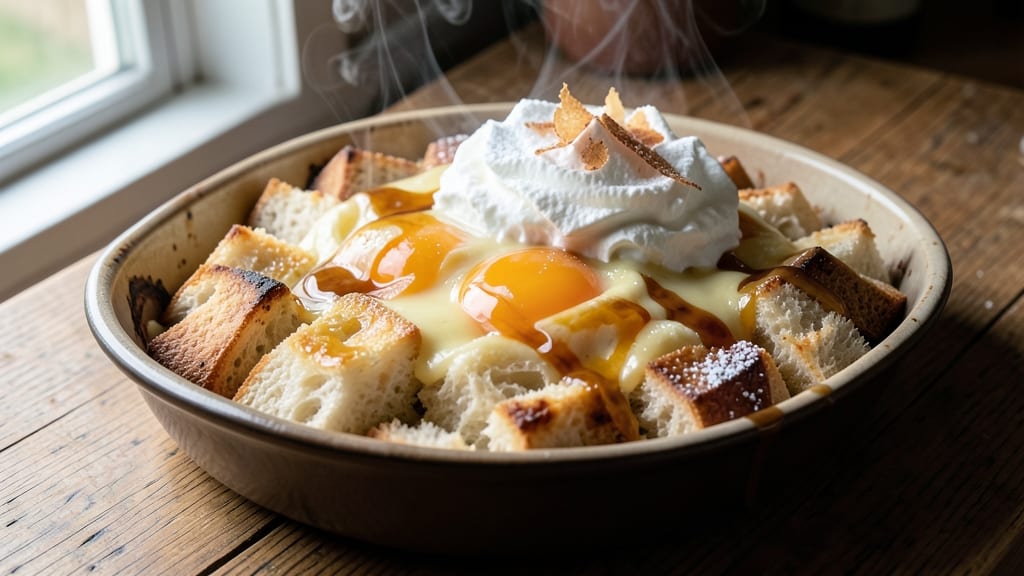
This bread pudding recipe from Cook's Illustrated delivers the perfect balance of cinnamon-kissed crispy top and velvety custard—every bite is a revelation. The secret lies in soaking stale bread just enough to absorb the custard without turning it soggy, then baking it until the edges caramelize into golden perfection.
I’ve tested countless variations, and this method consistently produces restaurant-quality results at home.
What sets this recipe apart is the foolproof technique for achieving that signature crispy crust while keeping the center tender. A touch of vanilla and warm spices elevates the custard, while a sprinkle of cinnamon sugar on top transforms an ordinary dessert into something extraordinary.
It’s the kind of recipe that turns a simple dinner into a showstopping finale—no fancy equipment required.
The result is a golden, crackly top that shatters slightly with each bite, revealing moist, custardy layers beneath. The aroma alone—warm cinnamon, buttery bread, and a hint of vanilla—will have everyone gathering around the table.
Whether you’re serving it warm with vanilla ice cream or letting it cool slightly for a more structured slice, this bread pudding never disappoints.
Ready in just 45 minutes, this dessert is perfect for holidays, potlucks, or satisfying a late-night craving. The best part? It tastes even better the next day, making it ideal for meal prep. Let’s get baking!
Ingredients for cook's illustrated bread pudding
Six ingredients transform stale bread into golden, crackling perfection—no fancy tricks needed.
| Ingredient | Amount | Notes |
|---|---|---|
| Stale Bread 🍞 | 8 cups | Day-old white or sourdough, cubed |
| Large Eggs 🥚 | 6 whole | Room temperature for best mixing |
| Heavy Cream 🥛 | 2 cups | Full-fat for richest texture |
| Whole Milk 🥛 | 1 cup | Warmed slightly for smoother custard |
| Granulated Sugar 🍚 | 1 cup | Light brown sugar for deeper flavor |
| Unsalted Butter 🧈 | ½ cup | Cold, cubed for even melting |
| Pure Vanilla Extract 🍯 | 2 tsp | High-quality Madagascar bourbon |
| Ground Cinnamon 🌶️ | 1 ½ tsp | Freshly ground for aromatic punch |
| Ground Nutmeg 🌿 | ½ tsp | Freshly grated preferred |
| Salt 🧂 | ½ tsp | Diamond Crystal kosher preferred |
| Granulated Sugar 🍚 | ¼ cup | For topping, plus extra for sprinkling |
| Ground Cinnamon 🌶️ | 1 tbsp | For topping mix |
The bread is non-negotiable—day-old white or sourdough works best, but avoid anything too dense like rye. Costco or Whole Foods often have perfect loaves for this. If you're using a baguette, tear it into irregular chunks for maximum surface area. For the custard, full-fat heavy cream and warm milk create that velvety texture. I always grab the Organic Valley heavy cream—it's worth the splurge. The butter? Plugrá or Land O'Lakes unsalted, cubed and kept cold until the last minute to prevent premature melting.
No vanilla extract? Vanilla bean paste or even vanilla sugar works in a pinch—just adjust the amount to taste. The spices are where magic happens: freshly ground cinnamon and nutmeg make all the difference. If you've got whole spices, toast them first for deeper flavor. For the topping, light brown sugar adds caramel notes, but white sugar works if that's what you've got. The secret to the crispy top? Don't skip the extra sprinkle of cinnamon sugar—it's what turns 'good' into 'wow'.
This dessert reheats beautifully—350°F for 15 minutes restores that warm, gooey center. Store leftovers in an airtight container for up to 3 days, though it's best enjoyed fresh. For meal prep, assemble the pudding, refrigerate overnight, then bake straight from the fridge—add 10 minutes to the baking time. The aroma alone will have your house smelling like a bakery. Freezes for 2 months, but texture changes slightly after thawing.
Why You'll Love This Recipe
- No Waste Magic: I swear by this trick—toss in whatever stale bread you’ve got lurking in the back of the pantry. French baguette, sourdough, even that slightly dried-out brioche from last week’s bakery run? It all works. No judgment, no shopping trips, just pure, satisfying transformation.
- Creamy Caramel Dream: That heavy cream and whole milk combo? It’s what turns this into something special—rich, custardy layers that practically melt in your mouth. And the sugar? It caramelizes just enough to give every bite a little golden kiss. (Yes, even on a Tuesday night.)
- Oven-to-Table Comfort: Between us, this is my go-to for when I need something warm, familiar, and zero effort. Toss the cubes in the oven while you’re making dinner, and boom—15 minutes later, you’ve got dessert (or breakfast, or a midnight snack) ready. No fancy plating, no stress.
- Budget Buster: Honestly, this recipe costs me about $3 for a full loaf’s worth. Eggs, milk, a little sugar—it’s the kind of dessert that doesn’t drain your wallet but still feels like a treat. Plus, leftovers reheat like a dream, so you’re basically getting two desserts for the price of one.
Step-by-step instructions for cinnamon-kissed crispy top bread pudding
Here's the foolproof method for that irresistible caramelized crust we all crave.
Prepare the Bread Base for Maximum Texture
Tear the 8 cups stale bread into 1-inch cubes, discarding any crusty ends. The key here is using day-old bread—it's dry enough to absorb the custard perfectly while still holding its shape. For extra richness, I like to use a mix of white and sourdough bread cubes. Spread them out on a baking sheet and toast in a 350°F oven for 8-10 minutes until they're lightly golden and crisp at the edges. This pre-toasting step prevents a soggy bottom and creates that coveted crispy texture we're after.
While the bread toasts, warm the 1 cup whole milk in a small saucepan over medium heat until it reaches 110°F—just warm enough to melt the butter smoothly without scalding. This temperature is crucial for creating a silky custard without cooking the eggs prematurely. Remove from heat and let it sit while you prepare the rest of your ingredients.
Create the Perfect Custard Mixture
In a large mixing bowl, whisk together the 6 whole large eggs until they're completely combined with no streaks remaining. This ensures a smooth, lump-free custard. Gradually whisk in the 2 cups heavy cream, followed by the warmed 1 cup whole milk. The mixture should be pale yellow and slightly thick—almost like a thin batter.
Add the 1 cup granulated sugar, 1.5 teaspoons ground cinnamon, 0.5 teaspoon ground nutmeg, and 0.5 teaspoon salt, whisking until everything is fully incorporated. The sugar should dissolve completely. Now stir in the 2 teaspoons pure vanilla extract and the 0.5 cup unsalted butter, cut into small cubes. The butter should melt into the mixture, creating a velvety texture. Here's the thing—don't worry if it looks slightly curdled at first. As the mixture sits for a minute, it will come together beautifully.
Assemble and Bake for the Ultimate Crispy Top
Transfer the toasted bread cubes to a 9x13-inch baking dish, spreading them out evenly in a single layer. Pour the custard mixture over the bread, pressing down gently to ensure every cube is saturated. This step is critical for that perfect texture—you want the bread to absorb the custard completely without leaving dry spots.
Sprinkle the remaining 0.25 cup granulated sugar evenly over the top, followed by 1 tablespoon ground cinnamon. For that showstopping crispy crust, here's the secret: melt 0.25 cup unsalted butter (the remaining half) and brush it generously over the entire surface. The butter creates a barrier that promotes even browning while adding incredible richness. Bake uncovered at 350°F for 45-50 minutes, until the top is deep golden brown and the edges are crispy.
Finish with the Perfect Crispy Crust
For that restaurant-quality finish, increase the oven temperature to 425°F and broil for 2-3 minutes until the top is deeply caramelized and crackly. Watch it closely—this is where the magic happens! The edges should be golden brown and the top should have a beautiful crackly crust that's almost too tempting to wait for. Real talk: if you see any spots that aren't browning evenly, use a kitchen torch to crisp them up. This final step transforms your bread pudding from good to absolutely incredible.
Let the bread pudding rest for 10 minutes before serving. This resting period allows the custard to set slightly, making it easier to slice and preventing any potential runny centers. Serve warm with a dollop of whipped cream or a scoop of vanilla ice cream to complement that perfect crispy top.
Pro Tips For Making Cook'S Illustrated Bread Pudding
- Preheat That Dish: The Cook’s Illustrated recipe relies on a hot baking dish—don’t skip this. Pop it in the oven while you preheat, then swirl the custard in right away before baking. I learned this the hard way when my first batch turned out dense instead of custardy because the dish was cold.
- Cube the Bread Small: No bigger than 1-inch chunks—seriously, measure it. Larger cubes stay dry in the center, and you’ll end up with a mix of soggy and undercooked bread. Use a serrated knife or kitchen scissors for speed, but keep those pieces uniform.
- Whisk the Eggs Cold: The eggs should be straight from the fridge when you mix them with the cream and milk. Warm eggs make the custard separate, and you’ll end up with a lumpy mess. Just crack them in, whisk gently, and let the heat of the oven do the work.
- Bake Until Golden: Don’t pull it out when the center jiggles—wait for a deep golden crust. The Cook’s Illustrated recipe calls for 35–45 minutes, but if your oven runs hot, check at 30. A toothpick should come out clean, but the top should look like toast, not pale.
Essential equipment for this dish
Must-Have Baking Dish
Your 9x13-inch baking dish is non-negotiable for even baking and that signature crispy top. I recommend Anolon Advanced 10-inch (it's larger than the dish but fits perfectly) or Ceramic CorningWare for even heat distribution. Avoid dark-colored dishes—they can make the bottom overcook while the top browns.
For extra insurance, I line my dish with parchment paper, cutting slits to allow excess custard to drain away. This prevents a soggy bottom and keeps the edges crispy. 🔥
Precision Thermometer
A candy or instant-read thermometer (like Thermoworks Thermapen One) is your secret weapon for perfect custard. The milk needs to reach 110°F—any hotter and you risk scrambling the eggs later.
I also use it to check the bread pudding's internal temperature at 190°F for a set custard without overbaking. This small investment ensures consistent results every time, especially important when baking for guests. 🌡️
Mixing Tools Matter
Skip the plastic—use a heatproof silicone spatula (like OXO Good Grips) for mixing the custard and a whisk (I prefer Cuisinart Stainless Steel) for combining eggs and cream. The whisk creates a smoother batter, while the silicone spatula handles the warm milk without melting.
For the bread cubes, a kitchen shears makes quick work of tearing day-old loaves into even 1-inch pieces—no food processor needed. 💡
Butter Melting Hack
Cold, cubed butter is key for the custard—it melts gradually during baking. I use a small ramekin to melt just 0.25 cup for the topping separately in the microwave (30-second intervals, stirring between).
This lets me brush it on hot after baking for that perfect caramelized crust. A pastry brush (like West Bend) works best—it distributes the butter evenly without making a mess. 🧈
Optional Pro Upgrades
For restaurant-quality results, consider a kitchen torch (like Blazer 1000) to crisp the top in seconds. A digital scale ensures precise measurements—especially important for the sugar and butter ratios. If you love texture, a mandoline (set to ¼-inch thickness) creates even bread slices for consistent baking.
These aren't essential, but they elevate the dish from homey to showstopping. ✨
Nutrition facts
Frequently asked questions
Why does stale bread work best for this recipe?
Stale bread absorbs the custard perfectly without turning mushy. Fresh bread releases too much moisture, creating a soggy texture. The slight dryness in day-old bread creates ideal pockets for the custard to soak into while maintaining structure. For best results, use bread that's 1-2 days old.
Can I make this bread pudding ahead of time?
Assemble the pudding in a baking dish, cover tightly with plastic wrap, and refrigerate for up to 24 hours. When ready to bake, add 10-15 extra minutes to the baking time. The flavors actually deepen overnight, making it even more delicious.
What's the secret to getting that perfect crispy top?
The golden crust comes from three key steps: toasting the bread first, brushing melted butter on top before baking, and finishing with a quick broil. The butter creates a barrier that promotes even browning while adding richness. Don't skip the final broil—it's what transforms good into extraordinary.
Can I substitute any ingredients if I'm out of something?
Certainly! For the custard, you can use half-and-half instead of heavy cream (though texture will be slightly lighter). If you're missing vanilla extract, vanilla sugar works in a pinch (use 1 tablespoon per 2 teaspoons extract). For the bread, French bread or brioche add wonderful texture variations. Always keep the ratio of liquid to bread consistent.
How do I fix a bread pudding that came out too runny?
If your center is too soft, return it to the oven at 300°F for 10-15 minutes until set. For a quick fix, sprinkle a little more cinnamon sugar on top and broil for 2 minutes to create a crispy barrier. The key is ensuring your custard isn't too thin—whisk eggs thoroughly and warm milk to 110°F to prevent curdling.