
Side Dishes
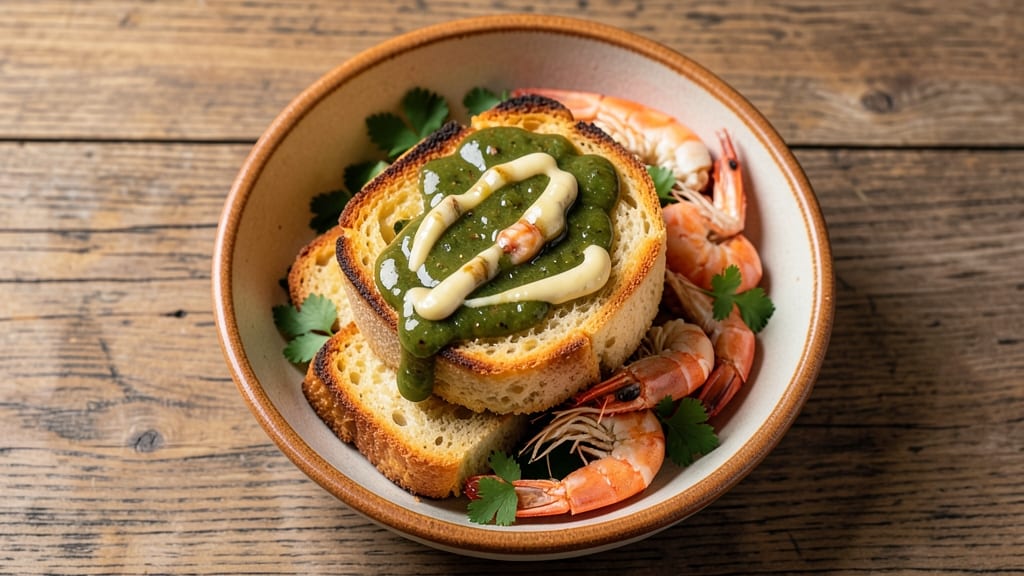
This Copeland’s crawfish bread recipe brings Cajun flavor straight to your kitchen table with its signature buttery swirls and spiced crust. The secret lies in folding cooked crawfish directly into the dough, creating a rich, briny filling that transforms every bite into a taste of Louisiana tradition.
I’ve perfected this technique over years of baking, ensuring the crust stays crisp while the crawfish-infused center remains tender and flavorful.
The beauty of this recipe is its simplicity—just a few key ingredients come together to create something extraordinary. You’ll need quality crawfish tails (fresh or thawed), a basic yeast dough, and a touch of Cajun seasoning for that signature kick.
The dough is rolled out, filled with crawfish, and baked until golden, resulting in a loaf that’s both impressive and foolproof for any occasion.
What makes this dish truly special is the contrast of textures: the crisp, buttery crust gives way to a soft, crawfish-rich interior that’s bursting with flavor.
Serve it warm with remoulade or cocktail sauce for dipping, and watch as it disappears faster than you can say "Laissez les bons temps rouler." This is the kind of recipe that elevates any meal from ordinary to unforgettable.
Perfect for game day, holiday gatherings, or even a cozy weeknight dinner, this crawfish bread is versatile enough to pair with soups, salads, or grilled meats. Once you try it, you’ll understand why it’s a staple in Cajun cuisine—and why it’s worth the effort to make at home.
Ingredients for copeland's crawfish bread
Four servings of Cajun magic—just these ingredients transform into golden, crawfish-stuffed bread.
| Ingredient | Amount | Notes |
|---|---|---|
| Active Dry Yeast 🍞 | 2 ¼ tsp | One packet, room temperature |
| Warm Water 💧 | ¼ cup | 110°F, not boiling |
| All-Purpose Flour 🌾 | 3 ½ cups | Plus extra for dusting |
| Granulated Sugar 🍚 | 1 tbsp | For yeast activation |
| Salt 🧂 | 1 ½ tsp | Kosher or sea salt |
| Unsalted Butter 🧈 | ½ cup | Cold, cubed for dough |
| Large Egg 🥚 | 1 whole | Room temperature |
| Cooked Crawfish Tails 🦞 | 1 ½ cups | Chilled, peeled, chopped |
| Cajun Seasoning 🌶️ | 1 tbsp | Homemade or store-bought |
| Garlic Powder 🧄 | 1 tsp | For extra Cajun kick |
| Coarse Sugar 🍚 | 2 tbsp | For topping crust |
| Melted Butter 🧈 | 2 tbsp | For brushing crust |
The crawfish makes this recipe sing, so quality matters. Louisiana crawfish boilers or Costco frozen crawfish tails are my go-tos—they’re pre-cooked, easy to chop, and packed with flavor. If you’re using fresh, boil them yourself in Cajun seasoning for extra punch. The dough needs to be soft but not sticky—add extra flour 1 tbsp at a time if it’s too wet. For the Cajun seasoning, I make my own (paprika, garlic powder, onion powder, cayenne, thyme, oregano, black pepper, salt), but Tony Chachere’s works in a pinch.
No crawfish? Shrimp or crab meat works in a bind, but the texture won’t be quite the same. Short on Cajun seasoning? Mix paprika, garlic powder, and cayenne at a 2:1:0.5 ratio. The butter in the dough should be cold—cut it into small cubes so it distributes evenly. If your dough feels too dry, a splash of warm water helps. Pro tip: Let the dough rise in a lightly greased bowl so it doesn’t stick, and don’t overfill it—dough doubles in size!
This bread is best served fresh, but leftovers reheat beautifully. Wrap cooled loaves in foil and freeze for up to 3 months—thaw overnight in the fridge before warming. For extra crispiness, brush the crust with melted butter right out of the oven. Store any extra crawfish filling in the fridge for 2 days or freeze for 1 month. The dough can be prepped ahead and refrigerated for 12 hours before baking—just let it rise at room temp before shaping.
Why You'll Love This Recipe
- No-Knead Magic: I swear by this dough—just mix, wait, and bake. The yeast and warm water do all the work while I sip coffee, and that sugar? It keeps the bread tender for days.
- Sweet & Simple: That little pinch of granulated sugar isn’t just for flavor—it balances the savory crawfish vibes later (yes, this pairs amazingly with gumbo). Honestly, it’s the secret that makes it taste like a Cajun feast without the fuss.
- Tailgate Ready: Between us, this is my go-to for game days or picnics. No fancy tools, no stress—just tear-and-share slices that disappear faster than the snacks. (Yes, even on a Tuesday night.)
- Pantry Staple: Flour, yeast, sugar, salt—that’s it. If you’ve got those basics, you’ve got bread. Freezes like a dream, too, so I bake a batch and pull it out whenever I need a quick, hearty side. Budget-friendly? Absolutely.
Step-by-step instructions for Copeland's crawfish bread
Here's how to make this iconic bread with buttery crawfish swirls and a perfectly spiced crust.
Activate the Yeast and Mix the Dough
In a large bowl, combine the 2.25 teaspoons active dry yeast with the 0.25 cup warm water (about 110°F) and 1 tablespoon granulated sugar. Let this sit for 5-7 minutes until it becomes frothy and bubbly—this tells you the yeast is alive and ready to work. If it doesn't bubble, your yeast might be dead, and you'll need to start over.
Once bubbly, add the 3.5 cups all-purpose flour and 1.5 teaspoons salt to the bowl. Mix these dry ingredients together briefly to distribute the salt evenly. Then, cut in the 0.5 cup cold unsalted butter using a pastry cutter or your fingers until the mixture resembles coarse crumbs with pea-sized butter pieces still visible. This texture is key for flaky layers later.
Make a well in the center and add the 1 whole large egg (room temperature). Gradually mix everything together with a wooden spoon or your hands until the dough starts to come together. The dough will be shaggy at first, but don't worry—it will firm up as you work it.
Knead and Incorporate the Crawfish
Turn the dough out onto a lightly floured surface and knead it for 5-7 minutes until smooth and elastic. You'll know it's ready when it springs back slowly when poked. If it feels too sticky, add a little more flour, but don't overdo it—too much flour makes the bread dense.
While kneading, keep an eye on the 1.5 cups cooked crawfish tails. They should be cool enough to handle but still retain their shape. Once the dough is ready, press it into a rectangle about 12x8 inches on a parchment-lined baking sheet. Spread the crawfish tails evenly over the dough, leaving a 1-inch border around the edges. This ensures the crust stays intact while creating those signature crawfish swirls.
Next, sprinkle the 1 tablespoon Cajun seasoning and 1 teaspoon garlic powder evenly over the crawfish. Gently press the spices into the crawfish so they stick. Fold the dough over itself like a letter, sealing the edges tightly to trap the filling inside. This creates the classic swirl pattern that makes this bread so special.
Let It Rise and Shape the Loaf
Cover the dough with a clean kitchen towel and let it rise in a warm place for 1 hour, or until it has doubled in size. The dough should feel light and airy when pressed gently—this is your cue that it's ready for the next step. If it doesn't rise much, your kitchen might be too cool, and you may need to extend the time by 20-30 minutes.
Once risen, punch down the dough to release the air and shape it into a 12x6-inch rectangle on a parchment-lined baking sheet. This time, spread the dough out evenly and press it down lightly with your fingers to create an even surface. The goal here is to create a thin, even layer so the crawfish swirls peek through beautifully when baked.
Brush the top of the dough with the 2 tablespoons melted butter, then sprinkle the 2 tablespoons coarse sugar evenly over the surface. The sugar will caramelize during baking, creating a beautiful crust with a hint of sweetness that balances the spicy crawfish flavor. Let the dough rest for 15 minutes before baking—this allows the butter to soak in slightly and the sugar to adhere.
Bake to Golden Perfection
Preheat your oven to 375°F and place a rack in the middle position. Bake the bread for 25-30 minutes, until the top is deep golden brown and the internal temperature reaches 190°F. You'll know it's done when the crust is crisp and the bread sounds hollow when tapped on the bottom. If the top browns too quickly, tent the bread with foil to prevent over-browning while it finishes cooking.
Here's the thing—don't open the oven during the first 20 minutes of baking. Every time you peek, you release steam, which can cause the bread to sink. Trust the timer and the visual cues instead. The aroma of the baking bread will fill your kitchen, and that's your best indicator that it's almost ready.
Once baked, let the bread cool on a wire rack for 10 minutes before slicing. This resting period allows the moisture to redistribute, ensuring each slice is tender and the swirls hold their shape. Serve warm with butter or your favorite chowder for the ultimate Louisiana experience.
Pro Tips For Making Copeland'S Crawfish Bread
- Test Yeast First: Pour that warm water (110°F, not boiling) over the yeast and sugar, then wait exactly 5 minutes—if it doesn’t foam like a mini beer, toss it and grab fresh. I learned this the hard way when a "fresh" packet turned out to be expired, and my dough never rose. Better 10 minutes of patience than a flat loaf.
- Measure Flour Right: Use the scoop-and-sweep method for flour—don’t pack it down like you’re making a snowman. This recipe relies on a light, airy dough, and over-compressing the flour makes it dense. (Yes, even if you’re impatient like me.)
- Knead Until Silky: Stop when the dough springs back slowly when poked—it should feel like soft butter, not a rubber band. I used to skimp here, thinking more kneading was better, but the bread turns out tough. Aim for 8-10 minutes by hand or 5-6 on a stand mixer with the dough hook.
- Shape Loaves Tight: Roll the dough into a tight log, tucking the seam underneath so it doesn’t unravel while rising. Loose seams mean gaps in the crust, and this bread’s charm is its crispy, uniform exterior. (Pro move: Use a bench scraper to seal the ends.)
Make-ahead tips for copeland's crawfish bread
Dough Prep Ahead
I always start by preparing the dough 12 hours before baking—this gives the yeast plenty of time to develop flavor. After mixing all ingredients, cover the dough tightly with plastic wrap and refrigerate. The cold slows fermentation, intensifying the bread’s depth of flavor.
When ready to bake, let it sit at room temperature for 1 hour to rise before shaping. This method works perfectly for busy days or when you want to wake up to the smell of fresh bread baking. 💫
Crawfish Prep Shortcut
To save time, buy pre-cooked crawfish tails from brands like Louisiana Crawfish Boilers or Costco. Thaw them overnight in the fridge, then chop them into ¼-inch pieces while the dough rises.
If using fresh crawfish, boil them in Cajun seasoning (about 1 tbsp per pound) for 5 minutes—just enough to cook through without overcooking. Store chopped crawfish in an airtight container in the fridge for up to 2 days or freeze for 1 month.
Filling Storage Tips
The crawfish filling can be prepped 24 hours ahead and stored in the fridge. Mix the chopped crawfish with 1 tbsp Cajun seasoning and 1 tsp garlic powder, then refrigerate in a sealed container.
When ready to assemble, simply spread the chilled filling over the dough—no reheating needed. For freezing, portion the filling into 1-cup servings in silicone molds for easy scooping later. 🦞
Baked Loaves Freeze Well
This bread freezes beautifully for up to 3 months—just wrap cooled loaves tightly in foil and place in a freezer bag with all air removed. To reheat, thaw overnight in the fridge, then warm in a 350°F oven for 10-15 minutes until crisp.
For extra crunch, brush the thawed bread with melted butter and broil for 2 minutes. The texture stays tender, and the crawfish flavor remains vibrant. Perfect for meal prep!
Make-Ahead Serving Ideas
Plan ahead by baking two loaves—one for serving fresh and one to freeze. Serve the fresh loaf warm with remoulade or cocktail sauce at your gathering, while the frozen loaf keeps for later.
For parties, slice the frozen loaf into ½-inch pieces, arrange on a platter, and warm in the oven. The individual slices reheat quickly and look stunning on buffet tables. 🍽️
Dough Variations
For a savory twist, swap ½ cup of flour for whole wheat flour—it adds a nutty depth that pairs perfectly with crawfish. If you love garlic, infuse the melted butter with 3 minced garlic cloves before brushing it on the dough.
For a sweet-spicy balance, sprinkle 1 tsp smoked paprika with the coarse sugar. These tweaks let you customize while keeping the make-ahead process intact.
Nutrition facts
Frequently asked questions
Can I make this crawfish bread without crawfish?
While crawfish give it that signature Cajun flavor, you can substitute with 1.5 cups cooked shrimp or 1 cup crab meat for a similar texture. For a vegetarian version, try 1 cup chopped mushrooms sautéed with Cajun seasoning. The key is keeping the filling moist and flavorful to maintain the bread's signature swirl effect.
Why did my crawfish bread turn out dense instead of fluffy?
Over-kneading or over-handling the dough is the most common cause. Knead just until smooth (5-7 minutes) and avoid adding too much flour. Another culprit could be under-proofing—let the dough rise until it doubles in size (about 1 hour). If your kitchen is cold, extend the rise time by 20-30 minutes or use a warm oven with the light on to create a cozy environment.
How do I store leftover crawfish bread?
For short-term storage, wrap cooled loaves in plastic wrap and keep at room temperature for 2 days. For longer storage, freeze the entire loaf (wrapped tightly in foil) for up to 3 months. To reheat, thaw overnight in the fridge, then warm in a 350°F oven for 10-15 minutes or until crisp. Brush with melted butter before serving for extra flavor.
Can I make this bread in a stand mixer?
Yes! Use the dough hook attachment to knead for 3-4 minutes on medium speed until the dough pulls away from the sides of the bowl. Be careful not to overmix—stop as soon as the dough is smooth. After kneading, let it rest for 10 minutes before shaping to relax the gluten. This method works great for larger batches or if you're short on time.
What's the best way to serve this crawfish bread?
Serve warm with classic Cajun dips like remoulade or cocktail sauce for dipping. It pairs perfectly with seafood boils, shrimp po'boys, or even as a side for grilled fish. For a festive touch, slice into ½-inch pieces and arrange on a platter with lemon wedges. The contrast of buttery crust and spicy filling makes every bite irresistible.