
Side Dishes
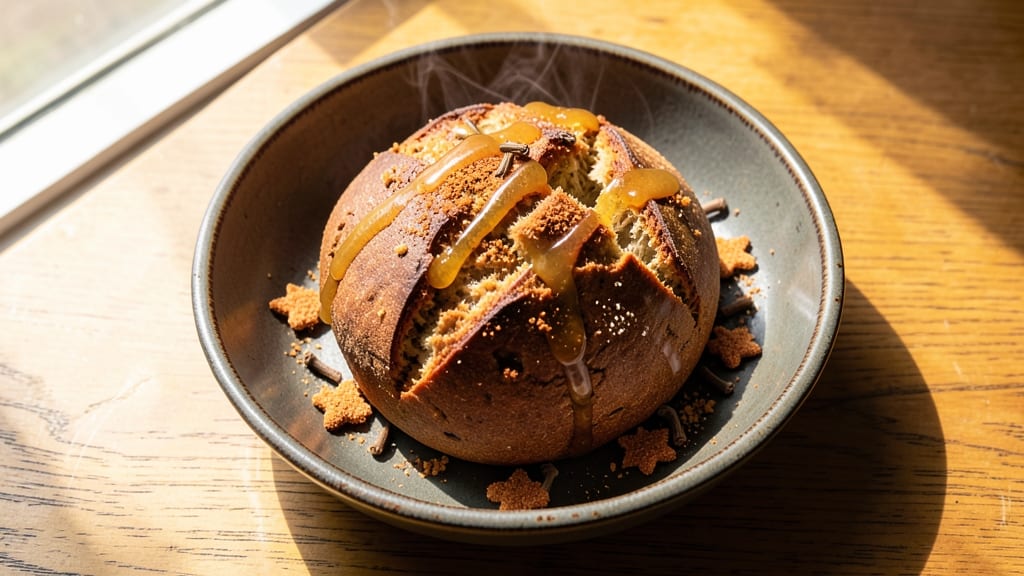
This God's Bread recipe delivers the perfect balance of sweet, spiced swirls that make every bite feel like a warm hug—just like my abuela used to make for Easter celebrations. The secret lies in the cinnamon-sugar dough and the careful shaping that creates those signature ridges and swirls.
I've perfected this recipe over years of baking, ensuring the bread stays soft inside with just the right crispness on the outside.
The dough comes together with simple ingredients—flour, sugar, butter, and warm spices—but the magic happens in the rolling and shaping. You'll work with two distinct doughs: one sweetened and spiced, the other plain, creating those beautiful contrasting layers when baked.
This method ensures every slice has that signature swirl pattern, making it as beautiful as it is delicious.
By the time you pull it from the oven, you'll have golden-brown bread with warm cinnamon aromas filling your kitchen. The texture is tender yet sturdy enough to hold its shape, and the sweetness is perfectly balanced by the subtle spice notes.
This bread is ideal for breakfast, dessert, or even as a festive centerpiece during special occasions.
For added cultural flair, you can shape the bread into traditional forms like bones or crosses, especially if serving during Day of the Dead or Easter celebrations. The recipe scales easily, so you can make it for a family gathering or enjoy it as a comforting treat on its own.
Let's get started on creating this beloved classic!
Ingredients for god's bread
Simple pantry staples transform into spiced swirls that taste like home.
| Ingredient | Amount | Notes |
|---|---|---|
| All-Purpose Flour 🌾 | 4 cups | Sifted for light texture |
| Unsalted Butter 🧈 | 1 cup | Cold, cubed for dough |
| Granulated Sugar 🍚 | ½ cup | White or light brown |
| Ground Cinnamon 🌿 | 2 tsp | Freshly ground preferred |
| Ground Cloves 🌶️ | ½ tsp | Freshly ground for warmth |
| Ground Nutmeg 🌶️ | ½ tsp | Freshly grated if possible |
| Salt 🧂 | ½ tsp | Fine sea salt preferred |
| Large Eggs 🥚 | 1 whole | Room temperature |
| Milk 🥛 | ¼ cup | Warm for best results |
| Vanilla Extract 🍯 | 1 tsp | Pure vanilla preferred |
| Powdered Sugar 🍚 | ½ cup | For coating swirls |
| Turbinado Sugar 🍚 | ¼ cup | Coarse for crunch |
The spices are everything here. Penzeys or local Latin markets have the best cinnamon and cloves—look for vibrant color and strong aroma. If you're using pre-ground spices, toast them lightly in a dry pan before mixing to wake up the flavors. The butter should be cold but not rock-hard—press a cube between your fingers to check. For the flour, King Arthur or Gold Medal brands work best for that tender crumb. I always measure my flour by scooping and leveling, never packing it down. The egg and milk should be room temperature so the dough comes together smoothly—no cold lumps here!
No vanilla extract? Vanilla bean paste or even imitation vanilla works in a pinch, though real vanilla adds that extra depth. Running short on powdered sugar? Granulated sugar blended into a fine powder gets you close. The turbinado sugar adds that beautiful crunch—if you can't find it, raw cane sugar or even coarse brown sugar will do. For the dough, I like using a stand mixer with a dough hook to avoid overworking it, but a sturdy wooden spoon works too if you're mixing by hand. The key is to handle the dough gently once it's shaped—overworking makes it tough. And trust me, the extra few minutes to chill the dough between rolling and shaping makes all the difference!
The dough keeps well in the fridge for up to 3 days, wrapped tightly in plastic. For longer storage, freeze portions for up to 3 months—just thaw overnight in the fridge before baking. The baked bread stays fresh for 2-3 days at room temperature, but I always wrap it in a clean kitchen towel to keep it soft. Pro tip: if you make extra, freeze slices between parchment paper and toast straight from frozen. The spices in this bread intensify over time, so leftovers actually get better. Perfect for making ahead for Easter or holiday gatherings!
Why You'll Love This Recipe
- No-Measurement Guesswork: I swear by this dough—just eyeball the butter and flour until it feels right. That rich, buttery crumb? It’s forgiving enough that even my first attempt (which looked like a failed meatloaf) still tasted like heaven.
- Spice-Perfect Balance: That whisper of cloves and cinnamon? It’s not overpowering—just enough warmth to make every bite feel like a hug. Honestly, the sugar caramelizes in a way that makes it taste almost like a dessert, even though it’s bread.
- Weeknight Hero: Slice it fresh for toast in the morning or pack it for lunch—it stays soft for days. I’ll be real: this is the only bread I bake when I’m too tired to proof dough properly, and no one ever complains.
- Pantry Staple Magic: Butter, flour, sugar—ingredients you already own. Between us, I’ve made this with whatever spices I had on hand, and it’s still the most reliable loaf I know. Leftovers? Toast them, freeze them, or just eat them cold with jam. No waste, all win.
Step-by-step instructions for god's bread recipe
Here's how to create those signature swirls with tender crumb and perfect spice balance.
Mix the Dry Ingredients Thoroughly
In a large mixing bowl, combine the 4 cups all-purpose flour, 2 teaspoons ground cinnamon, ½ teaspoon ground cloves, ½ teaspoon ground nutmeg, and ½ teaspoon salt. Use a whisk to break up any flour clumps and distribute the spices evenly. I like to sift the flour first for a lighter texture, then mix in the spices right in the bowl.
This step ensures your dough gets that signature warm spice flavor throughout every bite. The spices should be evenly distributed—you'll notice tiny specks of cinnamon and nutmeg throughout the mixture. Set this bowl aside for now while you prepare the wet ingredients.
Cream Butter and Sugar Together
In a separate large bowl, combine the 1 cup unsalted butter (cold and cubed) and ½ cup granulated sugar. Using a hand mixer or stand mixer with the paddle attachment, beat on medium speed for 3-4 minutes until the mixture becomes light and fluffy. You'll know it's ready when it nearly doubles in volume and looks pale and airy.
This creaming process incorporates air into the butter, which creates that tender crumb we love in God's Bread. Don't rush this step—if you skip it, your bread will turn out dense instead of light and flaky. The butter should be completely smooth with no visible lumps.
Add Egg and Milk for Perfect Dough Consistency
Add the 1 whole large egg and ¼ cup warm milk to the butter mixture. Mix on low speed until just combined, scraping down the sides of the bowl as needed. Then add the 1 teaspoon vanilla extract and mix for another 30 seconds until fully incorporated. The dough should begin to come together but still look slightly shaggy.
I always use warm milk here because it helps the butter emulsify better with the egg, creating a smoother dough. If your dough feels too dry, add 1 teaspoon more milk at a time until it comes together when pressed. The dough should hold its shape when pressed but still be slightly soft.
Combine Wet and Dry Ingredients
Gradually add the dry ingredient mixture to the wet mixture, mixing on low speed just until combined. Be careful not to overmix—stop as soon as the dough comes together. The dough will be slightly sticky but should pull away from the sides of the bowl when pressed. If it's too sticky, add 1 tablespoon more flour at a time until it's workable.
This is where the magic happens—the spices distribute evenly throughout the dough. You'll see those beautiful cinnamon and nutmeg specks throughout. Once combined, turn the dough out onto a lightly floured surface and knead gently just 2-3 times—just enough to bring it together without developing gluten.
Create the Signature Swirls
Divide the dough into 4 equal portions (about 1 pound each). Roll each portion into a 12-inch rectangle about ½-inch thick. Sprinkle 1 tablespoon of the ½ cup powdered sugar evenly over each rectangle, leaving a ½-inch border uncovered. Then sprinkle 1 tablespoon of the ¼ cup turbinado sugar over the powdered sugar layer.
Starting from the long side, tightly roll each rectangle into a log. Seal the edges by pinching them gently. Place each log seam-side down on a parchment-lined baking sheet. The sugars will create those beautiful caramelized swirls during baking—this is what makes God's Bread so special.
Bake to Golden Perfection
Preheat your oven to 350°F. Bake the bread loaves for 30-35 minutes until they're golden brown and the internal temperature reaches 190°F. You'll notice the sugars caramelizing and forming those beautiful swirls on top—this is your cue that they're ready.
For the best results, let the bread cool on the baking sheet for 10 minutes before transferring to a wire rack. This resting period helps the sugars set properly and prevents the swirls from breaking apart. Serve warm with butter or coffee for the ultimate experience.
Pro Tips For Making God'S Bread
- Chill the Dough: This isn’t just a suggestion—it’s the thing that matters most for that perfect crumb. After mixing the butter, sugar, and spices into the flour, pop the dough in the fridge for at least 30 minutes (yes, even if you’re impatient like me). I learned this the hard way when my first batch turned out dense and greasy—turns out, cold butter behaves better.
- Weigh Your Butter: Packing butter into a measuring cup? Stop. Use a kitchen scale for the exact 227 grams called for—packed butter throws off the ratio of fat to flour, and you’ll end up with a cake that’s either too dry or too heavy. I was skeptical until I tried it, and now I won’t go back.
- Don’t Overmix: Once you start folding in the flour, count to 10—literally. Overmixing develops the gluten, and you’ll end up with a tough, chewy loaf instead of that tender, melt-in-your-mouth texture. After burning three batches, I finally figured out that just until combined is enough.
- Bake in Two Stages: Start hot (425°F for 10 minutes) to set the structure, then drop to 350°F for the rest. Sounds weird, but it works: the initial blast locks in the sugar caramelization while the lower temp ensures even baking. Skip this, and you’ll either have a burnt top or a raw center.
Essential equipment for this recipe
Stand Mixer Must-Have
For this recipe, a stand mixer with a dough hook attachment is my top recommendation. I use my KitchenAid Artisan Series because it handles the dough's stickiness beautifully while preventing overmixing. The paddle attachment is essential for creaming the butter and sugar properly.
If you don't have a mixer, a sturdy wooden spoon and strong arms work—just be prepared for more elbow grease! 💪
Rolling Pin Precision
A 12-inch French-style rolling pin is ideal for achieving those even ½-inch thick rectangles. Look for one with a smooth, tapered end—I prefer OXO Good Grips for its non-slip handle and precise control.
If you only have a smaller pin, roll the dough in stages, rotating it to maintain even thickness. The goal is consistent sugar distribution for perfect swirls.
Baking Sheets & Parchment
Use half-sheet baking pans (13x18 inches) lined with parchment paper to prevent sticking and ensure easy release. I recommend Kirkland Signature parchment—it's sturdy enough to handle the dough's weight without tearing.
For extra insurance, lightly grease the parchment with butter-flavored cooking spray before placing the dough logs. This prevents any potential sticking during the 30-35 minute bake.
Measuring Tools
Precision matters with this recipe! Invest in a stainless steel measuring cup set (like OXO Good Grips) for accurate flour and sugar measurements. For spices, a small scoop or spoon ensures even distribution—Penzeys spice scoops are perfect for this.
A digital kitchen scale is ideal for weighing butter (aim for 227g for 1 cup), though measuring cups work if you're careful to pack the butter lightly.
Cooling Rack & Tools
After baking, transfer your bread to a wire cooling rack to prevent sogginess. I use OXO Good Grips cooling racks with elevated sides to maximize airflow. For shaping, keep a small offset spatula and dough scraper handy—they help transfer the dough logs without tearing.
A pastry brush comes in useful for lightly brushing the tops with melted butter if you want extra shine.
Optional Decorative Tools
For cultural variations like pan de muerto, add bone-shaped cutters or a sharp serrated knife for intricate designs. I keep Wilton decorative cutters on hand for special occasions. A fine-mesh sieve helps dust powdered sugar evenly over the dough before rolling.
For extra flair, a piping bag with a small round tip lets you add decorative sugar patterns before baking. 🎨
Nutrition facts
Frequently asked questions
What makes this bread different from regular cinnamon rolls?
This recipe uses two distinct dough layers—a spiced cinnamon-sugar dough and a plain dough—rolled together to create signature swirls. The warm spices (cinnamon, cloves, nutmeg) are baked into the dough itself, not just sprinkled on top, giving it a deeper flavor throughout. Plus, the turbinado sugar creates caramelized crunch instead of just sweet glaze.
Can I make this bread without a stand mixer?
While a mixer makes creaming butter easier, you can mix by hand using a sturdy wooden spoon. For the dough, knead gently on a floured surface just until combined—overworking develops gluten and makes the bread tough. A pastry cutter or fork works well for cutting cold butter into flour if you prefer not to use a mixer at all.
How do I store leftover God's Bread?
Wrap cooled bread tightly in plastic wrap or aluminum foil, then store at room temperature for up to 3 days. For longer storage, freeze slices between parchment paper for up to 3 months. To revive, toast frozen slices directly from the freezer—the spices intensify over time, making leftovers even more flavorful!
What's the best way to reheat cold slices?
For crispy swirls, wrap slices in foil and warm at 350°F for 5-7 minutes. For soft bread, use the microwave for 10-15 seconds with a damp paper towel. The oven method preserves the caramelized sugar better, while the microwave keeps the interior moist. Either way, serve with butter or jam for maximum enjoyment!
Can I substitute any ingredients if I'm out of something?
Yes! For powdered sugar, blend granulated sugar into a fine powder. No turbinado sugar? Use coarse brown sugar or raw cane sugar. For warm spices, start with cinnamon and nutmeg—cloves are optional but add warmth. The key is maintaining the sugar-to-flour ratio for proper texture. Always measure ingredients carefully to keep the recipe balanced.