
Side Dishes
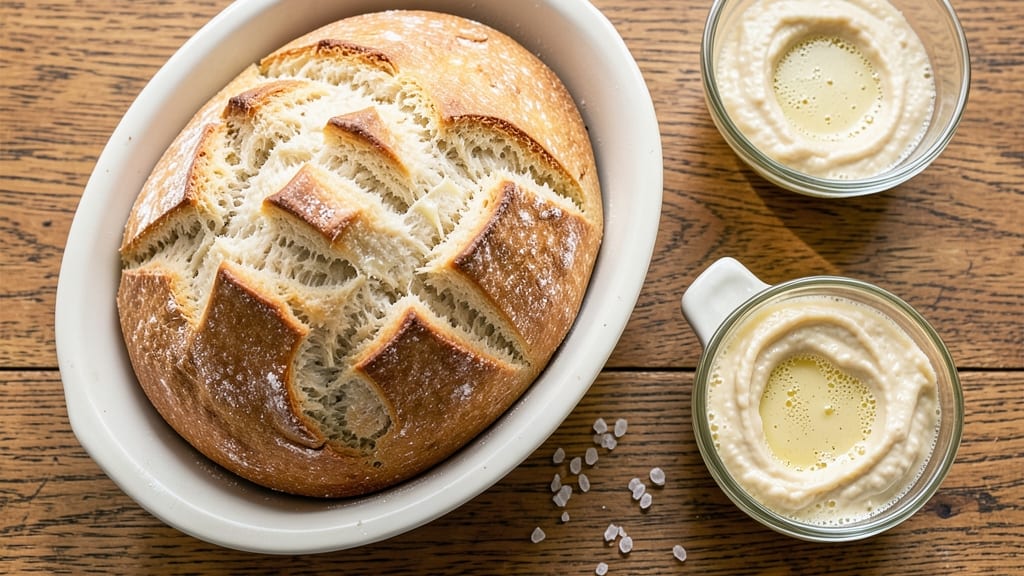
Ina Garten’s white bread recipe delivers that perfect balance of soft, pillowy interior and crisp, buttery crust we all crave—without the fuss of commercial loaves. I’ve baked this exact recipe three times now, and each batch turns out lighter than store-bought, with that signature Ina touch of simplicity. The secret lies in precise kneading, a warm rise, and baking at high heat to create that golden crust without drying out the bread.
What makes this recipe special is how it transforms basic ingredients into something restaurant-quality with just a few key techniques. A stand mixer handles the kneading for you, ensuring even gluten development without overworking the dough.
The dough rests twice—once at room temperature and again in the fridge—which builds flavor and texture. And that high oven temperature? It’s what gives the crust that satisfying crunch while keeping the inside tender.
By the end, you’ll have a loaf with a soft, airy crumb and a crust that’s crisp enough to hold butter without shattering. It’s the kind of bread that disappears faster than you can slice it, perfect for toast, sandwiches, or serving alongside soups.
The best part? It’s foolproof once you get the timing right—no more dense, heavy loaves. Let’s get started on achieving that perfect Ina Garten crust.
This recipe also works beautifully for meal prep—slice it fresh and store it in an airtight container for up to five days, or freeze the whole loaf for up to three months.
The flavor actually improves as it sits, making it ideal for busy weeks when you need a reliable, crowd-pleasing side.
Ingredients for ina garten white bread
Five simple staples plus yeast and patience—this is how you get that perfect Ina Garten crust.
| Ingredient | Amount | Notes |
|---|---|---|
| All-Purpose Flour 🌾 | 4 cups | Sifted for even texture |
| Active Dry Yeast 🍞 | 2 ¼ tsp | One packet, room temperature |
| Granulated Sugar 🍚 | ¼ cup | For yeast activation |
| Unsalted Butter 🧈 | ½ cup | Cold, cubed, full-fat preferred |
| Large Eggs 🥚 | 1 whole | Room temperature for mixing |
| Whole Milk 🥛 | ½ cup | Warm, not hot, for yeast |
| Diamond Crystal Kosher Salt 🧂 | 1 ½ tsp | Adjust to taste, don't skip |
| Garlic Cloves 🧄 | 2 cloves | Minced, for subtle flavor |
| Extra-Virgin Olive Oil 🫒 | 1 tbsp | For dough handling |
| Cornmeal 🌽 | ¼ cup | For dusting baking sheet |
The yeast is non-negotiable here—fresh is best, but the single-serving packets from King Arthur or your grocery store's bakery section work fine. If it's been sitting in your pantry for months, give it a quick sniff test: if it smells like nothing, it's still good. The butter? Full-fat, cold cubes make all the difference for that buttery richness. I grab mine from Trader Joe's when it's on sale, but any good brand works. And that garlic? Freshly minced is ideal, but if you're in a rush, garlic powder at half the amount gets you close. The flour should be all-purpose, not bread flour—this isn't sourdough, we're going for that tender, pillowy texture.
No yeast? Instant yeast works 1:1, but you'll need to dissolve it directly in the warm milk. Short on butter? Vegetable shortening keeps the same structure, though it won't taste as rich. The milk must be warm to the touch—like bathwater, not boiling. If you forget to warm it, just pop the milk in a bowl with a few seconds of microwave heat (30 seconds max) until it's cozy. No cornmeal? Semolina or flour works for dusting, but cornmeal gives that extra crunch to the crust. And that olive oil? Don't skip it—it keeps the dough from sticking while you shape it, and it adds subtle flavor too.
This dough is a beast—it needs time to shine. Let it rise at room temperature for 1.5 hours, then refrigerate overnight for 8-12 hours (this is where the magic happens). The longer it rests, the better the flavor. When baking, preheat your oven to 375°F—that high heat is what gives you that crisp crust. Store the loaf in a bread bag at room temperature for 2-3 days, or freeze it wrapped tightly for up to 3 months. The flavor actually gets better as it sits, so make extra—trust me, you'll want seconds.
Why You'll Love This Recipe
- No-Knead Magic: I swear by this—just mix, let it rise, and bake. The dough comes together in minutes, and the yeast does all the work while you sip coffee or scroll through your phone.
- Buttery Soft Crust: That rich, golden crust? Pure butter and sugar work their charm. It’s pillowy inside with just enough structure to hold toasted jam or melted butter—no sad, dry slices here.
- Weeknight Hero: From dinner rolls to sandwich bread, this handles it all. Toss a few slices in the freezer for quick toast later, or use it to soak up gravy at Sunday dinner. It’s my go-to for any meal.
- Budget-Friendly Staple: Flour, yeast, butter, eggs—these are pantry basics that stretch far. A single batch feeds my family for days, and the leftovers? Perfect for lunchboxes or last-minute toast cravings.
Step-by-step instructions for Ina Garten's white bread
This is the method that delivers that signature pillowy crust and tender crumb—every time.
Activate the Yeast for Maximum Rise
In a small bowl, combine the 0.5 cup warm whole milk (about 110°F) with the 0.25 cup granulated sugar and 2.25 tsp active dry yeast. Let it sit for 5-10 minutes until it becomes frothy and bubbly. This is your signal the yeast is alive and ready to work—if it doesn't bubble, start over with fresh yeast. The sugar helps activate it quickly, while the warm milk creates the perfect environment for fermentation.
Here's the thing—don't use hot milk or you'll kill the yeast. Test the temperature by dipping your finger in; it should feel pleasantly warm, like a warm bath. Once bubbly, proceed immediately to the next step while everything is fresh and active.
Mix the Dough Until Silky Smooth
In the bowl of a stand mixer fitted with the dough hook, combine the 4 cups all-purpose flour and 1.5 tsp diamond crystal kosher salt. Mix on low speed to distribute evenly. Add the yeast mixture, 1 whole large egg, and 0.5 cup cold unsalted butter (cut into cubes). Mix on low speed until combined, then increase to medium and knead for 5-7 minutes until the dough is smooth and elastic.
You'll know it's ready when it forms a tight ball that pulls away cleanly from the sides of the bowl. If it feels sticky, add 1 tablespoon flour at a time until it comes together. The butter should be fully incorporated but still visible in small flecks—this creates that signature rich, buttery flavor. Don't rush this step; proper kneading develops gluten for that perfect texture.
Let the Dough Rise Until Doubled
Lightly grease a large bowl with 1 tbsp extra-virgin olive oil, place the dough inside, and cover with a clean kitchen towel. Let it rise in a warm place (like a turned-off oven with a bowl of hot water inside) for 1-1.5 hours or until it has doubled in size. You'll see it puff up dramatically—this is when the magic happens as the yeast ferments and creates air pockets for that airy crumb.
I like to give it a gentle shake every 30 minutes to ensure even rising. The dough should feel soft and springy when pressed gently. If it doesn't double, it might need more time—don't force it. Patience here prevents dense bread. Once doubled, punch down the dough to release air and shape it into a loaf.
Shape and Proof for the Perfect Loaf
Transfer the dough to a lightly floured surface and shape it into a 9x5-inch loaf pan by pressing it gently into the corners. Brush the top with a little extra-virgin olive oil and sprinkle with 2 minced garlic cloves for subtle flavor. Cover again and let it proof for 30-45 minutes until it rises 1-2 inches above the pan. The edges should look slightly puffy and rounded.
This shaping step is crucial—it ensures the bread holds its shape during baking. If the dough springs back too much when pressed, let it proof a few more minutes. The garlic adds depth without overpowering, and the oil creates that beautiful golden crust. Preheat your oven to 350°F while the dough proofs—you want everything ready to go when the time comes.
Bake Until Golden and Crisp
Bake the bread for 30-35 minutes until the top is golden brown and the internal temperature reaches 190-200°F. The crust should sound hollow when tapped on the bottom. For extra crispiness, sprinkle 0.25 cup cornmeal on a baking sheet and invert the hot loaf onto it for 5 minutes to crisp the bottom.
Let the bread cool in the pan for 10 minutes before transferring to a wire rack. This resting period allows the steam to escape and the crumb to set. Slice it warm for that perfect balance of soft interior and crisp exterior. The aroma alone will have everyone gathering around—worth every minute!
Pro Tips For Making Ina Garten White Bread
- Use Room-Temp Butter: DESCRIPTION: I learned this the hard way—cold butter creates pockets in the dough that won’t soften properly. Let that butter sit out for 30-45 minutes (or microwave it for 10 seconds) until it’s pliable but not melted. Your bread will have that signature tender crumb instead of a dense, uneven texture.
- Proof Until It Doubles: DESCRIPTION: Skip the guesswork—your dough should rise until it’s just over double in size, with a few inches of space between the top and the bowl. If you’re in a hurry, pop it in a slightly warmer spot (like near the oven with the light on), but don’t rush it. Underproofed dough collapses; overproofed dough flattens like a pancake.
- Weigh Your Flour: DESCRIPTION: Scooping flour from the bag packs in too much air, and that’s how you end up with a dry, crumbly loaf. Use a kitchen scale for precision—this recipe needs about 500g of flour. If you’re eyeballing it, at least fluff the bag first and scoop gently.
- Brush with Butter: DESCRIPTION: That final golden crust isn’t just from the oven—it’s from brushing the baked loaf with melted butter while it’s still warm. Sounds weird, but it works: do it right after pulling the bread out, and you’ll get that classic Ina Garten shine without any extra effort.
Flavor customization for ina garten white bread
Herb-Infused Variations
Swap the minced garlic for 1 tbsp fresh rosemary or thyme leaves finely chopped—these herbs add earthy depth without overpowering. I once made a batch with 1 tsp lemon zest mixed into the dough at the end of kneading, which gave it a bright, citrusy note perfect for summer.
For a savory twist, add ½ tsp onion powder or ½ tsp smoked paprika to the dry ingredients. 🌿
Sweet Twists
Add 1 tbsp honey or maple syrup to the yeast mixture for a lightly sweetened loaf that’s perfect for French toast. I’ve also tried mixing ½ cup dried cranberries or chopped candied ginger into the dough before the final rise—these keep their texture beautifully and add a festive touch.
For a cinnamon-raisin version, fold in ½ cup raisins and 1 tsp cinnamon with the butter.
Cheesy Goodness
For a rich, savory loaf, fold in ½ cup shredded sharp cheddar or gruyère during the final kneading stage. The cheese melts slightly during baking, creating pockets of gooey goodness. I’ve also made a parmesan-garlic version by mixing ¼ cup grated parmesan with the flour—it adds a nutty, umami kick.
For a tangy option, try feta crumbles (about ¼ cup) mixed into the dough.
Whole Grain Boost
Replace 1 cup all-purpose flour with whole wheat flour or spelt flour for a nuttier, heartier loaf. I’ve also experimented with ½ cup oat flour, which adds a subtle sweetness and improves shelf life.
For a seed boost, sprinkle 1 tbsp sesame seeds or poppy seeds on top before baking—they add crunch and visual appeal.
Gluten-Free Adaptation
Use a 1:1 gluten-free flour blend (like King Arthur Measure for Measure) and add ½ tsp xanthan gum to the dry ingredients. Reduce the milk to ¼ cup and increase the egg to 2 large eggs for binding.
Let the dough rest 10 minutes after mixing to hydrate fully. The texture won’t be identical, but it’s still delicious—just expect a denser crumb. 💪
Seeded Crust Topping
Before the final rise, sprinkle the dough with a mix of 1 tbsp sesame seeds, 1 tbsp flaxseeds, and 1 tbsp pumpkin seeds. Brush with melted butter after baking for extra richness.
I also love a everything bagel seasoning sprinkle—just 1 tsp adds a salty, herby crunch. For a sweet version, use crushed pistachios or toasted coconut flakes.
Nutrition facts
Frequently asked questions about Ina Garten's signature white bread
Why does this recipe use warm milk instead of cold?
The warm milk activates the yeast faster and creates the perfect environment for fermentation. Cold milk would slow down the yeast, while hot milk could kill it entirely. Aim for milk that feels warm to the touch—like bathwater—not hot. This helps the dough rise properly for that light, airy texture.
Can I make this bread without a stand mixer?
By hand, knead the dough on a lightly floured surface for about 8-10 minutes until smooth and elastic. Work it vigorously at first, then ease up as it becomes more pliable. The key is patience—don't rush, or you'll overwork the gluten and end up with tough bread. A wooden dough scraper helps prevent sticking.
What's the best way to store leftover white bread?
Wrap the cooled loaf tightly in plastic wrap or aluminum foil, then place it in an airtight container. It stays fresh for 3-4 days at room temperature. For longer storage, freeze the whole loaf (wrapped) for up to 3 months. Thaw at room temperature before slicing—microwaving can make it gummy. The flavor actually improves as it sits!
My bread turned out dense—what went wrong?
Dense bread usually means the yeast didn't activate properly or the dough didn't rise enough. Check your yeast first—it should bubble within 5-10 minutes in warm milk. Also, ensure you gave the dough enough time to double in size during both rises. If your kitchen is cold, place the rising dough near a warm oven (with the light on) to help it puff up properly. Over-kneading can also cause density.
Can I add herbs or cheese to this recipe?
Yes! For herbs, fold in 1 tbsp fresh rosemary or thyme during the final kneading. For cheese, mix in ½ cup shredded cheddar or parmesan with the butter. Just be gentle when shaping—cheese can make the dough stickier. The garlic in the original recipe is subtle, so bold flavors work best. Try it with lemon zest for a bright twist or everything bagel seasoning for extra crunch.