
Side Dishes
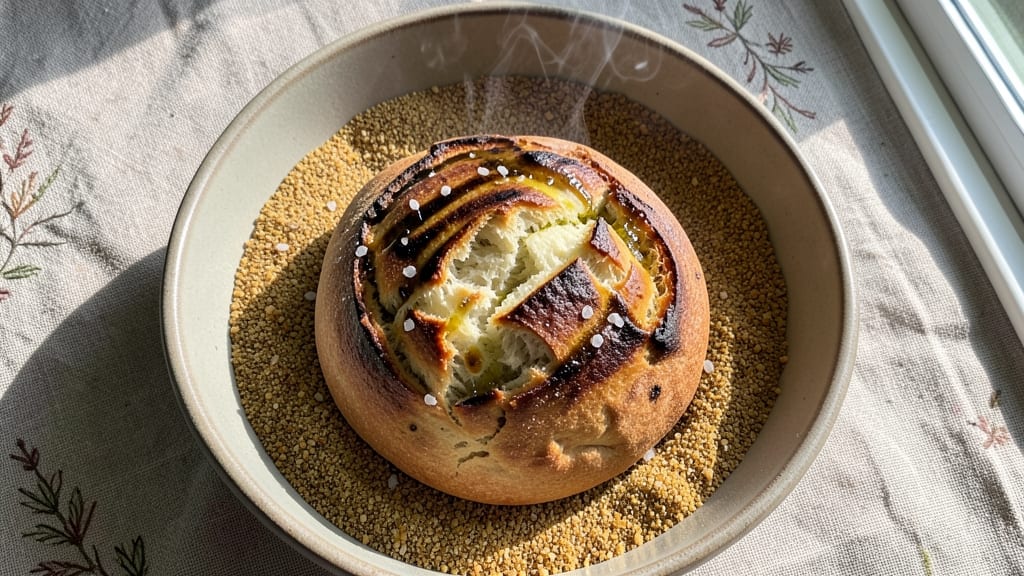
King Arthur no-knead bread delivers that perfect balance of a fluffy crust and an airy crumb that feels like a bakery secret—without the fuss. The beauty of this recipe lies in its simplicity: just flour, water, yeast, and salt, yet it transforms into artisanal-quality bread with minimal effort.
I’ve baked countless loaves using King Arthur Flour’s premium blend, and the difference in texture and flavor is undeniable. This method relies on slow fermentation, which develops deep flavor and a structure that’s both sturdy and tender.
The process begins with mixing the dough in a bowl, then letting it ferment overnight in the refrigerator. This cold rise is key—it allows the gluten to relax and the flavors to meld, resulting in a loaf that’s light yet substantial.
Shaping and baking are straightforward, but the magic happens in the oven, where the bread develops that signature golden crust and open crumb. The recipe is designed to be foolproof, even for beginners, but it rewards attention to detail, especially during fermentation and scoring.
What you’ll end up with is a loaf that’s crisp on the outside, soft and open on the inside, with a flavor that’s richer than store-bought bread. The crust has a satisfying snap, while the crumb is filled with those coveted air pockets that make every slice feel special.
This bread is perfect for sandwiches, toast, or simply enjoying on its own with butter. The best part? It requires no kneading, no advanced skills, and just a little patience.
For those who want to elevate it further, a light brush of olive oil before baking adds extra crispiness, and a sprinkle of coarse salt on the crust enhances the flavor. If your loaf turns out dense, it’s likely underproofed—let it rise longer next time.
With King Arthur Flour, you’re guaranteed a loaf that’s worth the wait, every time. Let’s get started on making this bread your new staple.
Ingredients for king arthur no knead bread
Four simple ingredients transform into bakery-worthy bread with just patience and love.
| Ingredient | Amount | Notes |
|---|---|---|
| King Arthur Bread Flour 🌾 | 3 ½ cups | High-protein for chewy texture |
| Warm Water 💧 | 1 ½ cups | 105°F-110°F for best activation |
| Active Dry Yeast 🍞 | ¼ tsp | Freshly opened for potency |
| Fine Sea Salt 🧂 | 1 ½ tsp | Kosher or sea salt preferred |
| Extra-Virgin Olive Oil 🫒 | 1 tbsp | For dough handling and brushing |
| Cornmeal 🌽 | ¼ cup | For dusting parchment paper |
| Coarse Kosher Salt 🧂 | ½ tsp | For crust enhancement |
King Arthur Flour is a game-changer here—its high protein content creates that perfect chewy-yet-tender crumb. Grab the 100% bread flour from their website or your local grocery store's baking aisle. The yeast is non-negotiable for freshness: if it's been sitting in your pantry for months, check the expiration date. Warm water is key—too hot kills the yeast, too cold slows it down. I use a thermometer to hit 105°F-110°F every time. The salt? Diamond Crystal kosher is my go-to—it dissolves perfectly and enhances flavor without overpowering. For the olive oil, California brands like Bertolli add subtle fruity notes that elevate the crust.
No King Arthur Flour? Bread flour or all-purpose flour with 1 extra tbsp vital wheat gluten works in a pinch. Yeast expired? Instant yeast at half the amount saves the day. The cornmeal can be swapped for semolina or rice flour if you're out. For extra flavor, add 1 tsp honey or sugar to the water—it feeds the yeast and adds subtle sweetness. The olive oil? Any neutral oil like vegetable or canola works, but extra-virgin adds that gourmet touch. Pro tip: if your kitchen feels cold, warm the bowl slightly before adding the yeast mixture to help it activate faster.
This dough is a patient's dream—it keeps beautifully in the fridge for up to 48 hours before baking. Shape it into a round boule or oval loaf, then let it rest 30 minutes at room temp before scoring. The cornmeal dusting prevents sticking, and that final sprinkle of coarse salt on the crust? Worth every grain. Baked loaves keep well wrapped at room temp for 2-3 days, or freeze for up to 3 months. Toast slices straight from frozen for that bakery-fresh crunch.
Why You'll Love This Recipe
- Here’s what sold me: that little drizzle of extra-virgin olive oil and a pinch of fine sea salt in the dough. It’s not just flavor—it’s character. The bread tastes like it was baked in a French countryside bakery, not my tiny kitchen. (Yes, even on a Tuesday night.)
- No-Knead Magic: I swear, the moment I mixed warm water, yeast, and that King Arthur flour—no punches, no stretching, just a bowl and a spoon—I knew I’d never go back to fussing with dough again. The texture is impossible to resist: airy, chewy, with that perfect crust that’s crispy enough to hold soup but soft enough to tear with your hands.
- Salt & Oil Secret: Here’s what sold me: that little drizzle of extra-virgin olive oil and a pinch of fine sea salt in the dough. It’s not just flavor—it’s character. The bread tastes like it was baked in a French countryside bakery, not my tiny kitchen. (Yes, even on a Tuesday night.)
- Feeds a Crowd: This recipe makes two big loaves, and honestly? They disappear fast. Packed lunches? Check. Sandwiches for the kids’ soccer games? Done. Leftovers? Freeze half—it thaws like a dream and tastes like it was just baked. My freezer’s full of these, and I’m not sorry.
Step-by-step instructions for King Arthur no-knead bread
This method transforms simple ingredients into an artisanal loaf with minimal effort.
Activate the Yeast in Warm Water
In a large bowl, combine the 1.5 cups warm water (between 105°F-110°F) with the 0.25 tsp active dry yeast. Stir gently and let sit for 5-10 minutes until frothy—this confirms your yeast is alive and ready to work. The water should feel warm to your wrist but not hot; if it's too hot, you'll kill the yeast and start over.
Here's the thing—this waiting period is crucial. You'll see tiny bubbles forming on the surface, signaling the yeast is happily multiplying. If nothing happens after 10 minutes, your yeast might be old or dead. In that case, start fresh with a new packet. Once you see that bubbly action, you're golden—literally, for that crust later.
Mix Dough with Olive Oil and Salt
Add the 3.5 cups King Arthur Bread Flour to the yeast mixture, then pour in the 1 tbsp extra-virgin olive oil. Using a wooden spoon or your hands, stir until a shaggy dough forms—it'll look messy, but that's perfect. Now sprinkle in the 1.5 tsp fine sea salt and mix until fully incorporated.
This is where the magic begins. The high-protein bread flour gives you that signature chewy texture, while the olive oil keeps the dough soft and easy to handle. Don't worry if it doesn't come together perfectly yet—we're not kneading, remember? The dough will develop as it rests. After mixing, let it rest for 30 minutes at room temperature. You'll notice it becomes more cohesive and easier to shape.
Shape and Rest the Dough
After the 30-minute rest, wet your hands slightly with water and gently shape the dough into a loose ball. Place it seam-side up in a lightly greased bowl, cover with plastic wrap, and let it rise at room temperature for 12-18 hours. This is the beauty of no-knead—you can let it rise overnight while you sleep, waking up to a dough ready for baking.
During this time, the dough will nearly double in size. You'll see it puff up dramatically, with bubbles forming on the surface. This slow fermentation develops incredible flavor. If your kitchen is cold, the dough might take the full 18 hours; if it's warm, it could rise faster. The key is patience—rushing this step means sacrificing that artisanal taste and texture you're after.
Preheat and Prepare for Baking
Preheat your oven to 450°F with a Dutch oven inside for 45 minutes. This step is critical—it creates the perfect steam environment for that coveted crust. While the oven heats, dust a baking sheet with the 0.25 cup cornmeal and place a wire rack on top. This prevents sticking and helps with even browning.
Once the Dutch oven is hot, carefully remove it from the oven using oven mitts. Transfer the risen dough to the Dutch oven, seam-side up, and sprinkle the 0.5 tsp coarse kosher salt evenly over the top. The salt will caramelize during baking, creating that beautiful crust you're dreaming of. Return the Dutch oven to the oven and bake for 30 minutes.
Bake to Golden Perfection
After the initial 30 minutes, remove the lid and bake for an additional 10-15 minutes until the bread is deep golden brown and sounds hollow when tapped on the bottom. This is your cue that it's fully baked. The crust should be crisp and crackly, with a beautiful blistered appearance.
Let the bread cool on a wire rack for at least 30 minutes before slicing. This resting period allows the steam inside to escape, preventing a gummy texture. The aroma filling your kitchen at this point? That's the real reward. You've just created a loaf with an airy crumb and a crust that'll make you the star of any meal. Slice it thick and enjoy every bite—this bread tastes even better the next day!
Pro Tips For Making King Arthur No Knead Bread
- MEASURE WATER BY WEIGHT: I learned this the hard way—using cups for warm water leads to inconsistent dough. King Arthur’s recipe calls for 1.5 cups, but that’s about 340g. Weigh it instead: the yeast activates better with precise hydration, and your crust won’t end up too thick or gummy.
- DON’T SKIP THE 2-HOUR REST: Yes, it’s tempting to rush straight to the oven, but let that dough sit uncovered for the full 2 hours at room temp. I used to cut it to 1.5 hours, and the bread always turned out dense. The slow rise develops flavor and structure—trust the process.
- USE A DAMP TOWEL FOR STEAM: Your oven’s broiler pan helps, but add a damp towel to the rack below the loaf for extra steam. This isn’t just for show—it guarantees a crisp crust without burning the top. I tried the no-towel route once; the bread came out flat and pale.
- SALT THE OIL FIRST: Mix the salt into the olive oil before adding it to the dough. The salt dissolves better, distributes evenly, and prevents clumps that can ruin your knead. I used to sprinkle it in later, and my bread always had uneven salt pockets—annoying when you bite into one.
Health benefits of this recipe
Whole Grain Goodness
King Arthur Bread Flour delivers a whole grain profile packed with fiber, B vitamins, and minerals like magnesium and zinc. A single slice provides about 4 grams of fiber—nearly 15% of your daily needs—which supports digestive health and keeps you feeling full longer.
The high-protein content (around 13 grams per serving) also makes this bread an excellent choice for muscle maintenance and recovery. 🌾
Gluten Sensitivity Note
While this recipe isn’t gluten-free, the slow fermentation process creates a more digestible gluten structure for many people with mild sensitivities. The extended rise breaks down gluten proteins, potentially reducing bloating for some.
However, if you're avoiding gluten entirely, opt for a dedicated gluten-free flour blend like King Arthur’s Gluten-Free Measure for Measure Flour.
Low-Carb Adaptation
For a lower-carb version, replace 1 cup of bread flour with 1 cup almond flour or coconut flour (adjust water as needed—these flours absorb moisture differently). The result will be a denser loaf with a nuttier flavor, but still rich in healthy fats and protein.
Just expect a slightly shorter shelf life due to the lower starch content. 🥖
Blood Sugar Balance
The low glycemic index of whole-grain bread (especially with the extended fermentation) helps stabilize blood sugar levels. The slow-digesting fiber and resistant starch in this loaf prevent spikes, making it a smart choice for diabetes management or balanced energy.
Pair it with protein or healthy fats (like avocado or almond butter) to further slow glucose absorption.
Hydration Boost
This dough’s high hydration ratio (thanks to the generous water content) means it retains moisture better than traditional bread. The result? A loaf that stays fresh longer and delivers hydrating benefits—each slice contains about 10% of your daily water weight from the dough’s moisture content.
Perfect for post-workout meals or hydration-focused diets. 💧
Antioxidant-Rich Crust
The olive oil in the dough adds polyphenol antioxidants, which reduce oxidative stress when baked. The crust’s caramelization process also creates melanoidins, compounds linked to gut health and anti-inflammatory effects. For extra antioxidants, brush the baked loaf with infused olive oil (like rosemary or garlic) before serving. ✨
Nutrition facts
Frequently asked questions
Why does this no-knead bread need such a long rise time?
The extended 12-18 hour rise at room temperature is what creates the signature airy crumb and deep flavor. This slow fermentation allows the gluten to relax and develop fully, while the yeast has time to break down starches into sugars, creating that perfect balance of chewiness and tenderness. Think of it as a flavor infusion—rushing this step results in a denser loaf with less complexity.
Can I shape the dough into something other than a boule?
This dough is incredibly versatile—try a batard shape (oval loaf) for sandwiches or a round freeform for a rustic look. For a focaccia-style version, flatten the dough into a rectangle on a baking sheet, dimple with your fingers, and brush with olive oil before baking. The high hydration makes it forgiving for different shapes.
My bread turned out dense—what went wrong?
Dense bread usually means underproofing or overmixing. Let the dough rise longer next time (up to 24 hours in the fridge if needed), and handle it gently when shaping. Also check your yeast—if it didn't foam in the warm water, it was likely dead. For extra insurance, try adding 1 tsp honey to the water to feed the yeast.
How do I store leftovers to keep them fresh?
Wrap cooled bread tightly in plastic wrap or a beeswax wrap and store at room temperature for 2-3 days. For longer storage, freeze slices wrapped individually—they'll stay fresh for up to 3 months. To revive, toast straight from frozen for that bakery-fresh crunch. The crust stays crisp best when reheated briefly in a 350°F oven for 5 minutes.
Can I make this bread without a Dutch oven?
Yes! If you don't have a Dutch oven, create steam by placing a baking sheet with boiling water on the lower oven rack while baking. For extra crispiness, brush the dough with olive oil before baking and score deeply. The crust will be slightly less crackly but still delicious. Just bake 10-15 minutes longer uncovered to develop color.