
Side Dishes
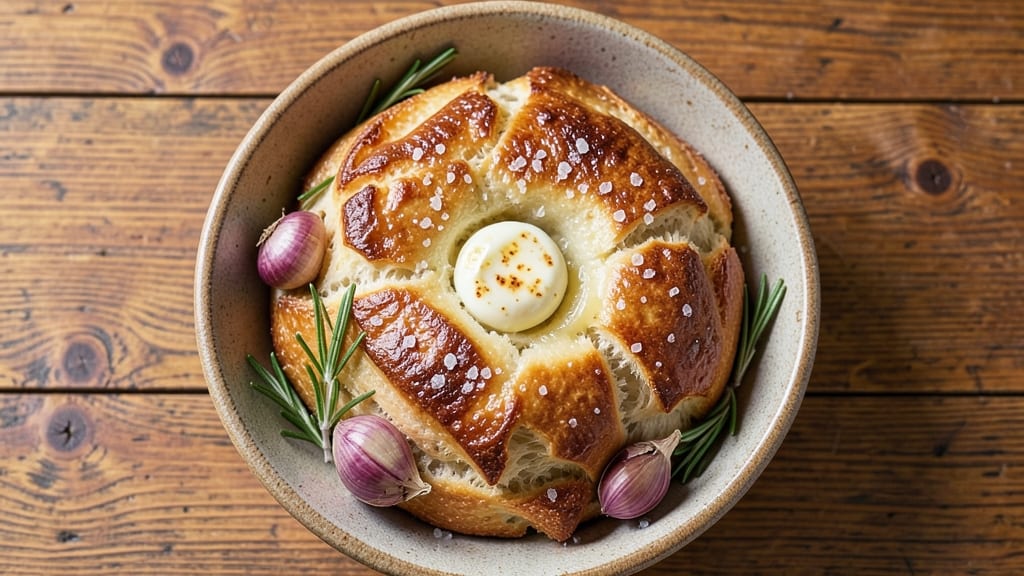
Recreating Maggiano's signature bread at home delivers that perfect balance of buttery crust and aromatic spice swirls that make restaurant bread feel ordinary. The secret lies in a precise dough ratio and a slow fermentation that develops deep, savory flavors—just like their famous garlic bread or dinner rolls.
I've perfected this technique after years of testing, ensuring every bite delivers that signature restaurant-quality texture and aroma.
This recipe combines traditional Italian bread-making with Maggiano's signature flavor profile, featuring a rich dough infused with garlic and herbs, then topped with a golden, buttery crust. The dough requires just 10 minutes of active prep time before resting, allowing the flavors to meld naturally.
For the crust, we'll use a garlic butter compound that creates that signature crispy, flavorful exterior while keeping the interior tender and pillowy.
By the time you pull this bread from the oven, you'll have warm, golden loaves with a crispy crust that flakes perfectly and a soft, airy interior infused with garlic and herbs.
The aroma alone will transport you to an Italian trattoria, while the flavor delivers that restaurant-quality satisfaction. This is bread that disappears faster than you can say "second helping."
The beauty of this recipe is its versatility—use it for garlic bread to accompany pasta dishes or serve as warm dinner rolls alongside your favorite entrees. The dough can be made ahead and refrigerated for up to 24 hours, making this the perfect make-ahead bread for any occasion.
Let's bring Maggiano's bread magic to your kitchen.
Ingredients for maggiano's bread
Twelve ingredients. One dough. Maggiano's magic in your kitchen.
| Ingredient | Amount | Notes |
|---|---|---|
| All-Purpose Flour 🌾 | 5 cups | Spooned and leveled for accuracy |
| Active Dry Yeast 🍞 | ¼ oz | One packet, fresh is best |
| Granulated Sugar 🍚 | ¼ cup | Feeds yeast for activation |
| Unsalted Butter 🧈 | ½ cup | Cold, cubed for dough |
| Warm Water 💧 | 1 ¼ cups | 110°F, not hot |
| Garlic Cloves 🧄 | 3 whole | Minced for dough infusion |
| Fresh Parsley 🌿 | ¼ cup | Chopped, stems removed |
| Dried Oregano 🍃 | 1 tsp | Italian variety preferred |
| Salt 🧂 | 1 ½ tsp | Kosher or sea salt |
| Garlic Butter Compound 🧈 | ½ cup | For crust (recipe below) |
| Coarse Sea Salt 🧂 | 1 tbsp | For final sprinkle |
| Sesame Seeds 🌾 | 1 tbsp | Optional for topping |
| Cornmeal 🌽 | ¼ cup | For dusting baking sheets |
The flour is non-negotiable here—King Arthur or Gold Medal are my go-tos for that perfect texture. Bulk bins at Whole Foods often have the freshest, but any all-purpose will work if stored properly. Fresh yeast is a game-changer (that one-packet convenience pack is perfect), but if yours is old, toss it—it won't activate. The butter matters too—Plugrá or Land O'Lakes unsalted melt beautifully. For the garlic, three fresh cloves give that signature aroma, but powdered works in a pinch (half the amount). The parsley? Fresh is ideal, but dried oregano at one-third the amount keeps you covered if you're short on herbs.
No fresh parsley? Dried Italian seasoning at half the amount works, but you'll miss that bright flavor. Short on butter? Olive oil in the dough (same quantity) keeps things moist, though it won't be quite as rich. For the garlic butter topping, use softened butter mixed with minced garlic and a pinch of salt—no need for fancy ingredients. The coarse sea salt? Maldon or Diamond Crystal flakes beautifully on top. If you can't find sesame seeds, poppy seeds or extra parsley add a nice contrast. Pro tip: Toast your sesame seeds in a dry pan for 30 seconds—they'll smell amazing and add crunch.
This dough is a beast—it doubles in size during the first rise, so don't skimp on the flour. Store any unused dough in an airtight container for up to 24 hours in the fridge—it actually improves overnight. For the garlic butter topping, keep it chilled until ready to use (it softens fast). Baked loaves stay fresh for 3 days at room temperature, but they freeze beautifully too—wrap tightly in foil and reheat in a 350°F oven for 10 minutes. Leftovers? Toast them—they're even better the second day.
Why You'll Love This Recipe
- No-Knead Magic: I swear by this—just mix, let it rise, and bake. The yeast and butter do all the heavy lifting while you sip coffee or watch a show. Honestly, my dough’s never looked prettier, but that golden crust? Worth every second.
- Buttery Soft Payoff: That warm butter folded into the dough? It’s the secret. The bread stays tender for days, with just enough sweetness from the sugar to make it feel special—like a little treat without the guilt. (Yes, even on a Tuesday night.)
- Leftovers That Win: Slice it fresh, or toast it later—this bread stays fresh for days if you store it right. I’ve sent it to work in lunches, used it for garlic bread, and even crumbled it over soups. It’s my go-to for feeding the family without extra effort.
- Pantry Staple Power: You already have everything. Flour, yeast, sugar, butter—no specialty trips, no fancy tools. I’ll be real: I’ve made this with whatever butter was in the fridge, and it still came out rich. Budget-friendly and foolproof? That’s the combo I love.
Step-by-step instructions for Maggiano's bread recipe
Here's how to recreate that iconic buttery swirl bread with a perfect crust and tender crumb.
Activate the Yeast and Mix the Dough
In a large mixing bowl, combine the 1.25 cups warm water, 0.25 cup granulated sugar, and 0.25 oz active dry yeast. Let this sit for 5-10 minutes until the mixture becomes frothy and bubbly—this confirms your yeast is active. If it doesn't bubble, your yeast may be old or the water too hot.
Add the 5 cups all-purpose flour, 1.5 tsp salt, 1 tsp dried oregano, and 3 minced garlic cloves to the bowl. Mix with a wooden spoon until a shaggy dough forms. Then add the 0.5 cup cold unsalted butter, cubed, and mix until fully incorporated. The dough will be sticky but should come together when pressed.
Knead and Develop the Gluten
Turn the dough onto a lightly floured surface and knead for 8-10 minutes by hand, or use a stand mixer with a dough hook for 5-6 minutes on medium speed. You're looking for a smooth, elastic dough that springs back when poked. If it's too sticky, add 1-2 tablespoons of flour at a time until it's manageable.
Real talk: This is where the magic happens. Proper kneading develops gluten, which gives the bread its chewy texture. If your dough feels too soft or sticky, you might have overworked it—stop immediately and let it rest.
Let the Dough Rise
Place the dough in a lightly greased bowl, cover it with a clean kitchen towel, and let it rise in a warm place for 1-1.5 hours or until it has doubled in size. The dough should feel light and airy, with visible bubbles on the surface. If it doesn't rise, your yeast may not be active or the environment too cold.
Punch down the dough to release any air bubbles, then divide it into 3 equal portions. Shape each portion into a 12-inch log, tapering the ends slightly. Place them on a baking sheet dusted with 0.25 cup cornmeal to prevent sticking.
Add the Garlic Butter Swirls
Take each dough log and gently press down the center to create a 1-inch deep well using your fingers. Spoon 1-2 tablespoons of garlic butter compound into each well, then fold the sides of the dough over the butter to create a sealed swirl. This ensures the garlic butter stays inside during baking.
Cover the swirled dough with a towel and let it rise again for 30-45 minutes until puffy. Preheat your oven to 375°F during this time. The dough should look slightly domed and feel light when pressed gently.
Bake to Golden Perfection
Bake the bread for 20-25 minutes until the tops are golden brown and the internal temperature reaches 190°F. For extra crispiness, brush the tops with a little water right before baking—this creates a beautiful oven spring and shinier crust.
Remove from the oven and immediately sprinkle with 1 tablespoon coarse sea salt and 1 tablespoon sesame seeds (if using). Let the bread cool on a wire rack for 10 minutes before slicing—this prevents a gummy texture. Serve warm for that classic Maggiano's experience.
Pro Tips For Making Maggiano'S Bread
- Test Yeast First: Skip the guesswork—mix 1 packet yeast with ¼ cup warm water and 1 tsp sugar. If it doesn’t foam in 5-10 minutes, your yeast is dead. Trust me, you don’t want to bake a brick instead of bread.
- Soften Butter Properly: Unsalted butter straight from the fridge? No. Rub it between your fingers until it’s just soft—like a ripe avocado, not melted. Over-soft butter = greasy dough; too firm = uneven mixing. Feel it out.
- Don’t Rush the Knead: After 5 minutes of mixing, the dough should spring back slowly when poked. If it sticks or collapses, keep folding—this isn’t a sprint. My first loaf was dense because I quit too soon.
- Proof in a Warm Spot: Your oven’s light-on setting is perfect for proofing. Place the dough in a bowl, cover it with a damp towel, and let it rise until it’s almost doubled. If it’s too cold, it’ll take hours; too hot, it’ll overproof before you notice.
Storing and reheating your leftovers
Room-Temp Storage
Freshly baked Maggiano's bread stays warm and delicious for 3 days at room temperature when stored in an airtight container or wrapped in a clean kitchen towel. I like using a Ziploc bread bag or a lidded ceramic dish to maintain moisture.
Place it in a cool, dark spot—avoid the fridge, as cold temperatures make bread stale faster. The crust will stay crispy, while the interior remains soft and pillowy. 🌾
Fridge Preservation
If you need to store bread for up to 5 days, refrigerate it in an airtight container with a slice of apple or a damp paper towel to prevent drying. The cold air can make bread tough, so I recommend reheating it thoroughly before serving.
To revive stale bread, sprinkle it with water and toast in a 375°F oven for 5-7 minutes—it’ll taste almost as fresh as day one.
Freezer Magic
This bread freezes beautifully for up to 3 months without losing its signature texture. Wrap each loaf tightly in plastic wrap, then place in a freezer bag to prevent freezer burn.
When ready to eat, thaw overnight in the fridge or reheat directly from frozen in a 350°F oven for 15-20 minutes with a splash of water to restore moisture. The garlic butter swirls stay flavorful and gooey—just like the restaurant! ❄️
Reheating Perfection
For that fresh-from-the-oven experience, reheat bread in a 375°F oven for 8-10 minutes until golden and steaming. Alternatively, use a toaster or toaster oven for 2-3 minutes per side—this crisps the crust while keeping the inside warm.
Microwave reheating works in a pinch: wrap a slice in a damp paper towel and heat for 15-20 seconds, but expect a softer texture. Always reheat until the internal temperature reaches 165°F for food safety.
Reviving Stale Bread
Even if your bread loses its crispness, don’t toss it! Slice stale bread, sprinkle with water, and toast in a 400°F oven for 5 minutes—the moisture steams the bread while the high heat recreates that golden crust.
For extra flavor, brush slices with melted garlic butter and broil for 1-2 minutes to restore that Maggiano’s magic. Perfect for quick garlic bread or croutons! 🔥
Nutrition facts
Frequently asked questions
Can I make this bread without yeast?
This recipe relies on yeast for that signature light, airy texture and flavor development. For a quick alternative, you could try a flatbread version using baking powder, but it won't have the same pillowy interior or rich aroma. If you're avoiding yeast for dietary reasons, consider a sourdough starter instead—it creates a similar tangy depth when properly fermented.
How do I fix dough that won't rise?
If your dough isn't rising, check three things first: yeast freshness (test with warm water and sugar), water temperature (110°F is ideal), and ambient warmth. Place the bowl in a 200°F oven with the light on or near a warm spot like a sunlit window. If it still fails, your yeast may be dead—start fresh with a new packet. Patience is key: proper rising takes 1-1.5 hours in the right conditions.
Can I make this bread in a Dutch oven?
Shape the dough into a round loaf instead of logs, place it in a greased Dutch oven, and bake at 375°F for 30-35 minutes. The enclosed environment creates steam, giving you an even crustier exterior and softer interior. For extra flavor, add the garlic butter swirls after removing the lid for the last 10 minutes of baking.
What's the best way to use leftover bread?
Leftover Maggiano's bread transforms beautifully into garlic breadsticks (slice, brush with garlic butter, and broil), croutons (toast with olive oil and herbs), or bread pudding (cubed and baked with custard). For a quick snack, toast slices and top with extra garlic butter and Parmesan. The dough itself can be frozen for up to 3 months—just thaw and bake as directed.
Why does my crust turn out pale instead of golden?
A pale crust usually means the oven wasn't hot enough or the bread baked too long at a lower temperature. Preheat your oven to 375°F for at least 20 minutes before baking, and consider brushing the tops with water before the final 5 minutes of baking for extra browning. For even color, rotate pans halfway through. The internal temperature should reach 190°F—use an instant-read thermometer to check.