
Side Dishes
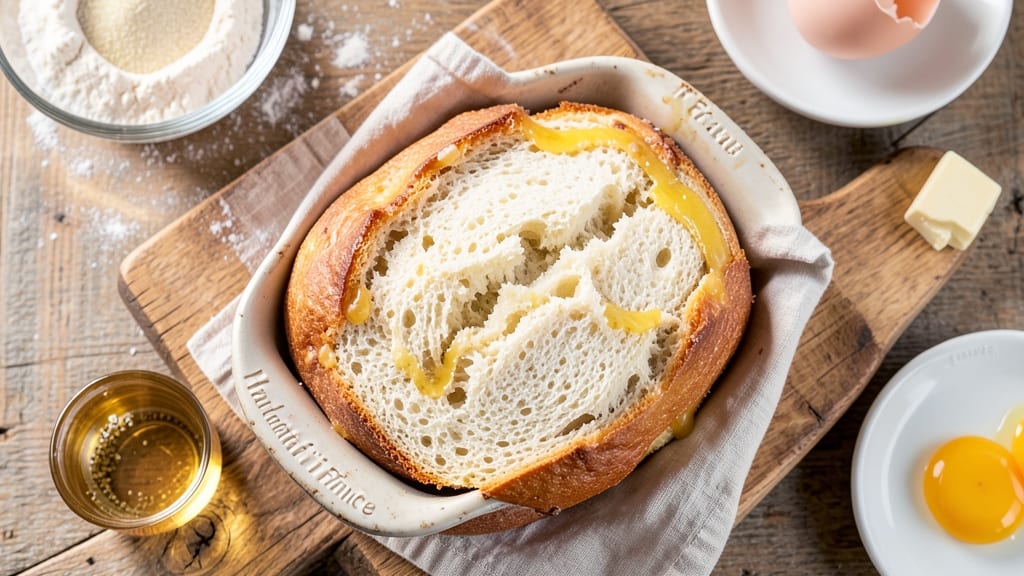
Martha Stewart's basic white bread recipe delivers a foolproof, light-as-air loaf with minimal effort—no kneading required. This method transforms simple ingredients into a golden, crusty-skinned loaf that's perfect for sandwiches or toast. I've baked this recipe dozens of times, and it never fails to impress, even with beginners.
The secret lies in precise timing and temperature control. A warm environment and one-hour total time (including rising) create a tender crumb and crisp exterior. The dough develops naturally through a short resting period, eliminating the need for manual kneading while building gluten for structure.
This approach ensures consistent results every time.
By the time it emerges from the oven, you'll have a perfectly proportioned loaf with a crisp shell and soft interior, ready to be sliced for toast or sandwiches.
The aroma alone signals success—warm, buttery, and inviting. This recipe proves that homemade bread doesn't require advanced skills, just patience and attention to detail.
For those who want to elevate it further, a simple garlic butter brush before baking adds depth. The core recipe remains unchanged, but this variation transforms it into a restaurant-quality side dish. Let's get started with Martha's trusted method—your kitchen will thank you.
Ingredients for martha stewart basic white bread
Nine essential ingredients transform into Martha's signature no-knead white bread loaf.
| Ingredient | Amount | Notes |
|---|---|---|
| All-Purpose Flour 🌾 | 4 cups | Sifted for even texture |
| Granulated Sugar 🍚 | ¼ cup | White refined sugar |
| Active Dry Yeast 🍞 | 2 ¼ tsp | Freshly opened packet |
| Warm Water 💧 | 1 ½ cups | 110°F (43°C) ideal |
| Unsalted Butter 🧈 | ½ cup | Cold, cubed for dough |
| Large Eggs 🥚 | 1 whole | Room temperature preferred |
| Diamond Crystal Kosher Salt 🧂 | 1 ½ tsp | Fine grain preferred |
| Milk 🥛 | ¼ cup | Whole milk for richness |
| Garlic Cloves 🧄 | 2 cloves | Minced for butter brush |
The flour is the foundation—King Arthur or Gold Medal brands deliver consistent results. Fresh yeast is critical; test it by dissolving in warm water first (it should foam within 5 minutes). For the butter, Land O'Lakes unsalted works perfectly, but any cold, high-fat butter will do. The milk adds tenderness, so whole milk is non-negotiable—skim milk yields a drier crumb. Store flour in an airtight container away from heat sources to preserve freshness, and keep yeast refrigerated until ready to use. The garlic cloves should be fresh, with vibrant color and firm texture—none of that sprouting nonsense.
No kosher salt on hand? Diamond Crystal is the standard, but Morton coarse salt at half the amount works in a pinch. Short on milk? Heavy cream or buttermilk both work, though buttermilk adds subtle tang. The butter can be swapped for vegetable shortening if you're avoiding dairy, though the flavor won't be quite as rich. For the garlic butter brush, olive oil mixed with minced garlic is a great alternative if you're avoiding butter. The egg can be omitted entirely for a vegan version, though the crumb will be slightly denser—add 1 tbsp flaxseed meal mixed with 3 tbsp water as a replacement.
Store the dough in an airtight container at room temperature for up to 24 hours if you need to delay baking. Once baked, the loaf stays fresh for 3-4 days at room temperature, wrapped in a clean kitchen towel. For longer storage, slice the loaf and freeze the pieces between parchment paper—up to 3 months. To revive frozen bread, warm slices in a 350°F (175°C) oven for 5-10 minutes. The butter brush variation keeps for 1 week refrigerated and is perfect for toasting directly on bread.
Why You'll Love This Recipe
- Five-Ingredient Magic: I swear by this list—flour, sugar, yeast, water, butter—because it’s what I pull out when I’m too tired to overthink. No fancy mix-ins, no waiting for specialty ingredients to arrive. Just the basics, proofing while I fold laundry, baking while I sip coffee.
- Buttery Soft Crust: That pinch of sugar and cold butter cubes create this perfect contrast—crisp edges that shatter just enough, then give way to pillowy, melt-in-your-mouth interior. Honestly, it’s the kind of bread that makes you pause mid-slice, like, "Wait, is this really homemade?"
- Weeknight Workhorse: I make a loaf on Sundays, and it’s still the star of my sandwiches by Thursday. Toast it for breakfast, slather it with jam for a quick snack, or use it to soak up soup broths—it’s that adaptable. (Yes, even on a Tuesday night.)
- Pantry Staple Savings: This recipe costs me about $1.50 per loaf, and it feeds four. Leftovers? Freeze half the batch—just thaw and toast when you need it. Between us, that’s money I’d rather spend on actual butter for the next batch.
Step-by-step instructions for Martha Stewart's basic white bread
Here's the method—simple yet precise, designed for a tender, even loaf every time.
Activate the Yeast for Maximum Rise
In a small bowl, combine the 1.5 cups warm water (between 110°F-115°F) with the 0.25 cup granulated sugar and 2.25 teaspoons active dry yeast. Stir gently and let sit for 5-10 minutes until frothy. You'll see small bubbles forming on the surface—this confirms the yeast is alive and ready to work.
If the mixture doesn't bubble after 10 minutes, your yeast may be inactive. Start fresh with a new packet, as dead yeast will result in a dense, flat loaf. Once active, proceed immediately to avoid overproofing.
Mix the Dough with Wet and Dry Ingredients
In the bowl of a stand mixer fitted with the dough hook, combine the 4 cups all-purpose flour and 1.5 teaspoons diamond crystal kosher salt. Mix on low speed to aerate the flour. Add the yeast mixture, 0.25 cup milk, and 1 whole large egg. Mix on low until just combined, about 1 minute. The dough will look shaggy at this stage.
Add the 0.5 cup cold unsalted butter, cubed, and continue mixing on medium speed for 3-4 minutes until the dough begins to pull away from the sides of the bowl. The butter should be fully incorporated but still visible in small flecks—this creates a tender crumb without overworking the gluten.
Knead Until Smooth and Elastic
Increase the mixer speed to medium and knead the dough for 5-7 minutes until it becomes smooth, elastic, and slightly tacky. Press a finger into the dough—it should spring back slowly rather than immediately. If the dough sticks to your fingers excessively, add 1 tablespoon flour at a time until it reaches the right consistency.
Here's the thing—overkneading develops too much gluten, leading to a tough loaf. Stop when the dough passes the windowpane test: stretch a small piece between your fingers, and it should be thin enough to see light through without tearing.
First Rise for Flavor Development
Lightly grease a large bowl with a bit of butter and place the dough inside. Cover with a damp kitchen towel or plastic wrap and let rise in a warm place for 1-1.5 hours, or until doubled in size. The dough should feel soft and springy when pressed gently with a fingertip.
For even better results, place the bowl on top of your turned-off oven with the light on (the light generates gentle heat). Avoid cold drafts—consistent warmth is key for even rising. If the dough rises too quickly, it may collapse during baking.
Shape and Second Rise for Structure
Punch down the risen dough to release air, then turn it onto a lightly floured surface. Shape into a 9x5-inch loaf pan by folding the edges inward and pressing gently to fill the pan evenly. Brush the top with a mixture of melted butter and minced 2 cloves garlic for added flavor.
Cover the loaf pan with a damp towel and let rise for another 30-45 minutes until the dough domes slightly above the pan. Preheat your oven to 375°F during the final rise to ensure it's ready when the bread goes in.
Bake to Golden Perfection
Bake the loaf for 30-35 minutes until the top is golden brown and an instant-read thermometer inserted into the center reads 190°F-200°F. Tap the bottom of the loaf—it should sound hollow, indicating doneness.
Remove the bread from the pan immediately and place it on a wire rack to cool for 10-15 minutes before slicing. Resist the urge to cut into it sooner—allowing the bread to cool prevents a gummy texture. Store in an airtight container for up to 3 days or freeze for longer storage.
Pro Tips For Making Martha Stewart Basic White Bread
- MEASURE THE WATER PRECISELY: Martha’s recipe calls for 1 cup warm water, but I’ve ruined batches by eyeballing it—too much and your dough gets sticky and gummy, too little and it’s dry and tough. Use a liquid measuring cup, fill it to the exact line, and pour it straight into the bowl. No guesswork.
- LET THE YEAST BLOOM FIRST: Skip mixing yeast directly with flour—it’ll get killed by the acidity. Instead, dissolve the yeast and sugar in the warm water first, then wait 5 minutes until it’s foamy and bubbly. This guarantees your dough rises properly, not half-heartedly.
- KNEAD UNTIL SILKY, NOT SOUGHY: The dough should pull away cleanly from the bowl and feel smooth like satin, not sticky or doughy. If it’s still tacky after 8-10 minutes, sprinkle a tiny bit of flour (1 tsp max) and keep kneading—over-flouring later makes bread dense.
- USE COLD BUTTER FOR SHAPE: Soft butter spreads too much when shaping, leading to uneven loaves. Cut the butter into chunks, let it sit at room temp for 10 minutes (not melted), then fold it in at the end. The dough stays together better, and your bread gets that classic tender crumb.
Serving suggestions for this martha stewart basic white bread
Classic Sandwich Perfection
This bread is a sandwich game-changer—its soft, pillowy interior and crisp crust hold up perfectly to fillings like turkey and avocado or peanut butter and banana. For the ultimate combo, spread 2 tbsp cream cheese on each slice before assembling, then add your favorite deli meats and veggies.
Toast the bread lightly before serving to enhance the crust's crunch. 🥪
Garlic Butter Toast
Transform slices into restaurant-worthy toast by brushing with melted butter infused with minced garlic and parsley. I use 2 tbsp butter, 1 tsp minced garlic, and 1 tsp chopped parsley for a flavorful spread.
Toast in a 375°F oven for 5-7 minutes until golden and crisp. Serve with scrambled eggs or a simple tomato soup for a cozy meal.
French Toast Elevation
Cube leftover bread and dip in an egg mixture of 1 egg, ¼ cup milk, 1 tbsp sugar, and ½ tsp cinnamon. Cook in a buttered skillet over medium heat for 2-3 minutes per side until golden brown.
Top with maple syrup and fresh berries for a decadent breakfast. 🍓
Bread Pudding Twist
Use stale slices to make a rich bread pudding. Tear the bread into chunks and layer in a greased baking dish with a custard of 2 eggs, 1 cup milk, ¼ cup sugar, and 1 tsp vanilla.
Bake at 350°F for 30-35 minutes until set. Serve warm with vanilla ice cream for dessert.
Crostini Base
Slice the bread into ¼-inch thick pieces and toast until crisp. Top with whipped goat cheese, sliced figs, and proscuitto for an elegant appetizer. For a savory option, spread with herb butter and broil for 2 minutes before adding toppings.
Garnish Like a Pro
Enhance presentation with simple garnishes: sprinkle flaky sea salt on warm slices, or drizzle with honey and cracked black pepper for contrast. Fresh rosemary sprigs add a fragrant touch, while a dusting of powdered sugar elevates buttery toast. These finishing touches make any serving feel special. ✨
Nutrition facts
Frequently asked questions
Why does Martha's recipe use warm water for the yeast?
Warm water (110°F-115°F) activates the yeast quickly without killing it. Too hot water (120°F+) denatures the yeast, while cold water slows activation. The sugar in the recipe further stimulates yeast activity, creating those essential bubbles for a light loaf.
Can I make this bread without a stand mixer?
Use a wooden spoon or your hands to mix the dough until combined, then knead by hand on a floured surface for 8-10 minutes until smooth. The dough should pass the windowpane test—stretch a piece between your fingers and it should be thin enough to see light through. Patience is key!
What if my dough doesn't rise properly?
Check these first: expired yeast, water too hot/cold, or drafty environment. For a quick fix, place the dough in a 250°F oven with the light on for 10-15 minutes to create a warm, humid environment. If it still fails, restart with fresh yeast and warm water (110°F).
How do I know when the bread is fully baked?
Look for three signs: golden brown crust, internal temperature of 190°F-200°F, and a hollow sound when tapped on the bottom. An instant-read thermometer is your best tool—insert it into the center to check. Overbaking dries out the bread, so remove it just as it reaches these cues.
Can I add seeds or nuts to this recipe?
Yes, but add them during the final 2 minutes of kneading to avoid overworking the dough. Start with ¼ cup seeds (sesame, poppy) or chopped nuts—any more risks sinking or uneven baking. For extra flavor, toast the seeds/nuts first in a dry pan for 3-4 minutes before adding.