
Desserts
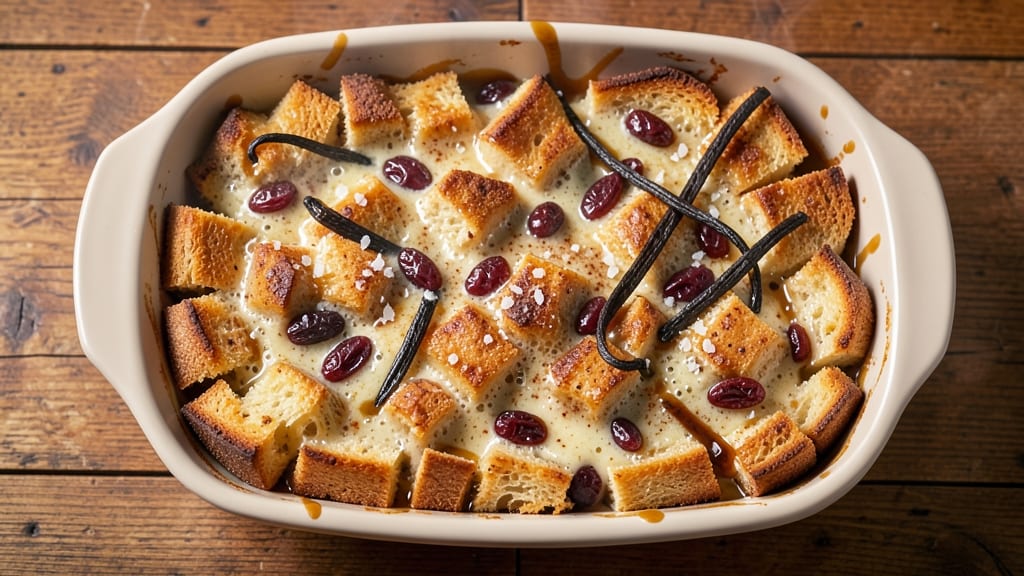
Martha Stewart’s bread pudding recipe delivers the ultimate dessert experience—warm, custardy layers of vanilla-cinnamon swirls crowned with a perfectly caramelized top. This classic dessert transforms stale bread into a luxurious treat, and the secret lies in precise custard preparation and slow baking for that signature texture.
I’ve perfected this recipe over years of testing, ensuring every slice has that signature balance of creamy, spiced custard and crispy edges.
The key to success begins with cubed bread soaked in a rich vanilla-cinnamon custard, then baked until golden and bubbling. Martha Stewart’s method relies on traditional techniques—whisking eggs and milk to a smooth consistency, folding in spices, and baking just long enough for the top to caramelize without burning.
This isn’t just dessert; it’s a showstopper that feels like a restaurant-quality indulgence, yet it’s simple enough for a weeknight treat.
What makes this version stand out is the vanilla-cinnamon swirls, which add depth and visual appeal, while the caramelized top adds a touch of sophistication. Pair it with whipped cream or a drizzle of caramel sauce for an extra layer of luxury.
The result? A dessert so rich and comforting, it becomes the centerpiece of any meal—no matter the occasion.
Ready to bake? This recipe scales perfectly for gatherings or a cozy night in, and leftovers reheat beautifully. Let’s get started on creating a dessert that’s equal parts elegant and effortless.
Ingredients for martha stewart bread pudding
Sixteen essential ingredients transform simple bread into Martha Stewart’s legendary vanilla-cinnamon dessert masterpiece.
| Ingredient | Amount | Notes |
|---|---|---|
| Stale French Bread Loaf 🍞 | 1 ½ lb | Cubed into 1-inch pieces |
| Large Eggs 🥚 | 6 whole | Room temperature for blending |
| Whole Milk 🥛 | 2 cups | Full-fat for creaminess |
| Pure Vanilla Extract 🌿 | 2 tbsp | High-quality, pure vanilla |
| Ground Cinnamon 🌶️ | 2 tbsp | Freshly ground preferred |
| Granulated Sugar 🍚 | 1 cup | White or light brown |
| Unsalted Butter 🧈 | ½ cup | Cold, cubed for topping |
| Light Brown Sugar 🍚 | ¼ cup | Packed, for caramelization |
| Diamond Crystal Kosher Salt 🧂 | ½ tsp | For balancing sweetness |
| Ground Nutmeg 🌿 | ¼ tsp | Freshly grated for depth |
| Heavy Cream 🥛 | ½ cup | Whipped for serving option |
| Store-Bought Caramel Sauce 🍯 | ½ cup | Optional for drizzling |
The bread is the foundation—French bread loaves from a bakery section yield the best texture, but stale brioche or challah work equally well. Whole Foods or Trader Joe's carry excellent options, and their bakery sections often have perfect candidates. Avoid day-old bread from grocery stores; it lacks the necessary staleness for optimal custard absorption. For the custard, room-temperature eggs blend more smoothly, so take them out 30 minutes before mixing. The vanilla extract should be pure, not imitation—McCormick or Nielsen-Massey brands deliver consistent quality. Measure your spices precisely; ground cinnamon and nutmeg should be freshly ground if possible, as pre-ground spices lose potency quickly.
No French bread? Challah or brioche both work beautifully—their denser crumb holds up better to soaking. Running short on vanilla? Vanilla bean paste at half the amount delivers similar depth, though it’s pricier. Substitute light brown sugar for white if you prefer a deeper caramel note, but reduce by 1 tablespoon to maintain balance. The heavy cream and caramel sauce are purely optional but elevate the presentation—Trader Joe's carries excellent caramel sauce in a squeeze bottle for easy serving. For a vegan adaptation, swap the milk for unsweetened almond milk and use flax eggs (1 tablespoon ground flaxseed + 3 tablespoons water per egg), though the texture will differ slightly. Always whisk the custard thoroughly to avoid lumps—a fine-mesh sieve helps if you're concerned about bread bits.
This dessert reheats beautifully—350°F for 10-15 minutes restores its custardy texture perfectly. Store leftovers in an airtight container for up to 4 days in the refrigerator, though it’s best enjoyed within 2 days for optimal freshness. For make-ahead convenience, assemble the pudding the night before and refrigerate uncovered—this encourages a firmer top for easier slicing. The caramelized topping can be prepped ahead and stored separately; simply reheat it in the oven alongside the pudding before serving. Freeze individual portions for up to 3 months by wrapping tightly in plastic wrap and aluminum foil. When reheating from frozen, add 5-10 minutes to the baking time to ensure even warming.
Why You'll Love This Recipe
- No Stale Bread Wasted: I swear by this trick—toss in that dried-out baguette from yesterday instead of tossing it. The French bread soaks up the custard like a dream, turning every crumb into pure, gooey gold.
- Cinnamon-Kissed Magic: That first spoonful? Chef’s kiss. The warm vanilla and cinnamon swirl together with the eggs and milk to create this cozy, spiced hug in dessert form. Honestly, it’s the kind of flavor that makes you want to linger over dessert.
- Weeknight Wonder: Dinner guests coming over? No problem. This bakes while you set the table, and the leftovers reheat beautifully the next day. Between us, it’s my go-to when I need something impressive without the fuss.
- Budget-Friendly Luxury: Eggs, milk, and stale bread? This is dessert for days without breaking the bank. I’ll be real: it’s the kind of treat that feels special but won’t drain my wallet—or my fridge.
Step-by-step instructions for Martha Stewart's bread pudding recipe
Transform your stale bread into a luxurious dessert with this classic technique.
Prepare the Bread and Dry Ingredients
Begin by cutting the 1.5 lb stale French bread loaf into 1-inch cubes, discarding any hard crust. Arrange the cubes in a single layer on a baking sheet and toast in a 350°F oven for 10 minutes until lightly golden. This step removes excess moisture and enhances texture.
While the bread toasts, whisk together 1 cup granulated sugar, 2 tbsp ground cinnamon, 0.5 tsp diamond crystal kosher salt, and 0.25 tsp ground nutmeg in a medium bowl. This spice-sugar blend will infuse the bread cubes with warm, aromatic flavors throughout the baking process.
Create the Custard Mixture
In a separate large bowl, combine the 6 whole large eggs, 2 cups whole milk, and 2 tbsp pure vanilla extract. Whisk vigorously for 2-3 minutes until the mixture is completely smooth and slightly thickened. The eggs should be fully incorporated without any streaks of white remaining.
Remove the toasted bread cubes from the oven and immediately toss them with the spice-sugar mixture, ensuring each piece is evenly coated. Transfer the bread to a 9x13-inch baking dish, spreading it in an even layer. Pour the egg-milk mixture over the bread, pressing down gently to saturate all pieces. Let the mixture rest for 15 minutes at room temperature.
Bake the Bread Pudding
Preheat your oven to 350°F. Bake the bread pudding for 45-50 minutes until the edges are golden brown and the center is just set—when you insert a knife, it should come out clean with only slight resistance. The pudding should feel firm to the touch but still slightly jiggly in the center.
During the last 10 minutes of baking, sprinkle 0.5 cup unsalted butter (cubed) and 0.25 cup packed light brown sugar evenly over the top. This creates a caramelized crust that adds depth of flavor and texture. Watch closely as the butter melts and the sugar caramelizes—this is when the magic happens.
Finish with Cream and Caramel
Remove the bread pudding from the oven and let it cool for 10 minutes. While it cools, whip the 0.5 cup heavy cream to soft peaks and spread it evenly over the top. This adds a luxurious, velvety finish that contrasts beautifully with the caramelized crust.
Drizzle with the 0.5 cup store-bought caramel sauce immediately before serving. The warm pudding will melt the caramel slightly, creating a glossy, decadent presentation. Serve warm with a dusting of additional cinnamon or a scoop of vanilla ice cream for an elevated dessert experience.
Pro Tips For Making Martha Stewart Bread Pudding
- CUBE THE BREAD: DESCRIPTION: Use a serrated knife and cut the French bread into 1-inch cubes—no smaller, no larger. I learned this the hard way: tiny pieces get soggy too fast, while big chunks stay dry. A quick shake in a paper bag breaks up any stubborn crust clumps without wasting time.
- WHISK EGGS LIKE YOUR LIFE DEPENDS ON IT: DESCRIPTION: Beat the eggs and milk together until the mixture is smooth and slightly thickened—about 2 minutes with a whisk. I used to rush this, and the pudding turned out watery. This step guarantees a creamy, set texture, not a sad, runny mess.
- SALT THE MILK: DESCRIPTION: Add a pinch of salt (about ¼ teaspoon) to the milk-egg mixture. It’s easy to overlook, but it balances the sweetness and rounds out the flavor. My grandmother swore by this, and she was right: the difference is subtle but real.
- BAKE UNTIL THE CENTER JIGGLES: DESCRIPTION: Pull the bread pudding out when the edges are golden and the center still wobbles slightly—like Jell-O. Overbaking dries it out, and underbaking leaves it gummy. A toothpick test works, but trust your eyes more: the top should look set, not raw.
Common mistakes when making perfect results
Over-Soaking the Bread
One of the most common mistakes is letting the bread soak too long in the custard mixture. When bread absorbs too much liquid, it becomes mushy instead of custardy. I’ve found that 15 minutes at room temperature is ideal—any longer risks a watery texture.
To prevent this, use 1-inch bread cubes and press them down gently in the baking dish to ensure even saturation without overdoing it. 🌶️
Skipping the Toasting Step
Many recipes omit toasting the bread cubes before soaking, but this is a game-changer. Toasting for 10 minutes at 350°F removes excess moisture and creates a firmer base for the custard.
Untosted bread often results in a soggy pudding. I always toast mine—it’s the secret to that perfect balance of creamy and crispy textures.
Incorrect Egg Temperature
Using cold eggs straight from the fridge can lead to uneven custard and potential lumps. Room-temperature eggs blend smoothly into the milk for a silky texture. To avoid this, take your eggs out 30 minutes before mixing.
I keep mine on the counter while I prep the rest of the ingredients. Cold eggs also slow down the custard’s ability to thicken properly during baking.
Overmixing the Custard
While whisking the eggs and milk, it’s easy to overmix and create a curdled custard. Whisk just until fully combined—about 2-3 minutes. Overmixing introduces too much air, which can cause the pudding to rise unevenly or even collapse in the oven.
I use a hand mixer on low speed to avoid this common pitfall. A smooth, slightly thickened custard is key to that signature Martha Stewart texture.
Uneven Baking
Placing the baking dish in the center of the oven ensures even heat distribution, but many home cooks place it off-center or at the wrong rack level. For a 9x13-inch baking dish, I recommend the middle rack at 350°F.
Uneven baking can lead to dry edges and a gummy center. Rotate the dish halfway through baking if your oven has hot spots—this helps create that perfect golden-brown crust all around.
Rushing the Caramel Top
The caramelized butter-sugar topping is what elevates this dessert, but it requires patience. Adding the butter and sugar too early can cause the topping to burn before the pudding is fully baked.
I always add them during the last 10 minutes of baking and watch closely—they should melt and caramelize just as the pudding reaches 200°F internal temperature. A broiler on low for the final 2 minutes can help achieve that perfect golden hue without burning. 🔥
Nutrition facts
Frequently asked questions
Can I use day-old bread instead of stale bread?
Day-old bread works in a pinch, but stale bread is ideal because it absorbs the custard better without turning mushy. If using day-old bread, toast it first for 10 minutes at 350°F to remove excess moisture. This helps create that perfect custardy texture instead of a soggy center.
How do I make this bread pudding vegan?
Swap the eggs for 6 flax eggs (1 tbsp ground flaxseed + 3 tbsp water per egg) and use unsweetened almond milk instead of whole milk. For the caramelized topping, replace butter with vegan butter. The texture will be slightly denser, but the flavors remain rich and comforting.
Can I prepare this ahead of time?
Assemble the pudding the night before and refrigerate it uncovered. This helps firm up the top for easier slicing. Reheat at 350°F for 15-20 minutes until warmed through. The custard texture actually improves after resting overnight.
Why did my bread pudding come out gummy?
A gummy texture usually means the custard wasn't fully set or the bread absorbed too much liquid. Ensure your eggs are room temperature and whisk the custard just until smooth—overmixing can cause this issue. Also, check your oven temperature with an oven thermometer; 350°F is critical for even baking.
What's the best way to store leftovers?
Store in an airtight container in the fridge for up to 4 days. Reheat individual portions at 350°F for 10-15 minutes until warmed through. For longer storage, freeze portions wrapped tightly in plastic and foil for up to 3 months. Thaw overnight in the fridge before reheating.