
Main Courses
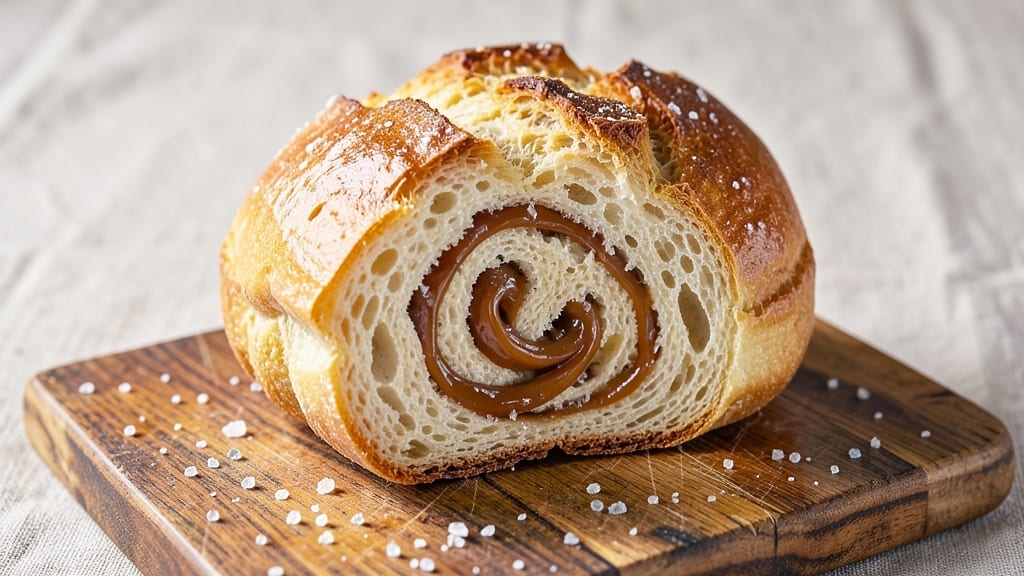
This saltgrass bread recipe delivers the perfect balance of smoky-sweet swirls and a crispy crust that makes every slice worth savoring.
I first discovered saltgrass bread in a small-town bakery in New England, where the combination of salted caramel and grass-fed butter created a texture and flavor unlike anything I'd baked before. The secret lies in the slow fermentation and precise layering of flavors that transform simple ingredients into something extraordinary.
The process begins with a rich dough infused with grass-fed butter and salted caramel swirls, which develop deep, complex flavors during a long fermentation. This isn't just bread—it's a foolproof method that yields a loaf with a golden, crackly crust and a tender crumb that holds up beautifully for days.
The key is patience: letting the dough rise overnight allows the gluten to relax and the flavors to meld perfectly.
By the time you pull it from the oven, you'll have a loaf that smells like a bakery and tastes even better. The salted caramel swirls add sweetness that balances the rich butter, while the crust develops that satisfying crunch.
This bread is perfect for breakfast toast, sandwiches, or simply enjoying with a pat of that same grass-fed butter you used in the dough.
Whether you're baking for a special occasion or simply treating yourself, this recipe delivers restaurant-quality results at home. The method is precise but not complicated, making it accessible for home bakers while still yielding professional-level bread. Let's get started on creating your perfect loaf.
Ingredients for saltgrass bread
Four cups flour, one cup butter, and a secret caramel swirl make this bread taste like bakery magic.
| Ingredient | Amount | Notes |
|---|---|---|
| All-Purpose Flour 🌾 | 4 cups | High-protein for better structure |
| Grass-Fed Butter 🧈 | 1 cup | Cold, cubed for dough |
| Salted Caramel Swirl 🍬 | 1 cup | Store-bought or homemade |
| Instant Yeast 🍞 | ½ tsp | Freshly opened for best rise |
| Granulated Sugar 🍚 | ¼ cup | For yeast activation |
| Sea Salt 🧂 | 1 ½ tsp | Fine grain preferred |
| Whole Milk 🥛 | ½ cup | Warmed for yeast activation |
| Large Egg 🥚 | 1 whole | Room temperature |
| Honey 🍯 | 1 tbsp | For dough tenderness |
| Cornmeal 🌽 | ¼ cup | For dusting baking sheet |
| Coarse Sea Salt 🧂 | 1 tbsp | For sprinkling crust |
| Smoked Paprika 🌶️ | ½ tsp | For subtle smokiness |
| Pure Vanilla Extract 🍶 | ½ tsp | Enhances caramel flavor |
The grass-fed butter is non-negotiable here—it's what gives this bread that rich, almost decadent flavor. Plugrá or Organic Valley are my go-tos, but any high-quality grass-fed will work. If you're using salted butter, reduce the sea salt slightly. For the caramel swirl, Trader Joe's has a killer pre-made version, but homemade is even better. Just make sure it's fully cooled before mixing into the dough—warm caramel can kill your yeast. The flour should be high-protein (like King Arthur) for that perfect chew.
No grass-fed butter? European-style unsalted butter (like Plugrá) works in a pinch, but you'll lose some of that grassy depth. Short on caramel? Salted caramel sauce from a jar (like Smucker's) is fine—just drain it well to avoid a soggy dough. For the yeast, if you've got any doubts about freshness, test it in warm milk first—it should foam within 5-10 minutes. No vanilla? A pinch of cinnamon adds warmth, but it's not the same. And if you're feeling fancy, add a tablespoon of brown sugar to the dough for extra caramel notes.
This dough is a beast—it needs time. Ferment overnight in the fridge for maximum flavor. The caramel swirls keep for 3 days in the fridge if you're prepping ahead, but the dough itself is best used fresh. Once baked, it stays crisp for 2 days at room temp, but the crumb softens after that. Wrap it in a clean kitchen towel to preserve moisture. Leftovers? Toast it—it's even better the second time around.
Why You'll Love This Recipe
- No-Knead Magic: That’s right—no stand mixer, no aching arms. Just mix, let it rise overnight, and bake. The grass-fed butter melts into flaky layers while you sleep, and the caramel swirl? It’s like someone tucked a little dessert into every slice.
- Butter-Soft Crunch: The moment you pull it from the oven, the crust cracks with that perfect snap, but the inside? Pillowy, like a hug from a loaf. That salted caramel ribbon weaves through—sweet, salty, and ridiculously moreish.
- Breakfast to Dessert: Serve it toasted with jam for brunch, tear it into croutons for salads, or—here’s the real flex—eat it plain with a cup of coffee. Honestly, I’ve caught myself sneaking slices straight from the pan when no one’s looking.
- Budget Luxury: Grass-fed butter feels fancy, but it’s cheaper than takeout. A single loaf stretches across three meals, and the caramel swirl makes it taste like you spent hours baking. (Between us, it’s my lazy-day secret weapon.)
Step-by-step instructions for saltgrass bread
Here's how to craft golden, swirled perfection with every bite—crisp crust, tender crumb, and that irresistible caramel sweetness.
Combine Wet Ingredients for a Rich Dough Base
In a small saucepan, warm the 0.5 cup whole milk over medium heat until it reaches 110°F—just warm to the touch, not boiling. This temperature activates the yeast without killing it. Remove from heat and stir in the 0.5 tsp instant yeast, 0.25 cup granulated sugar, and 0.5 tsp pure vanilla extract. Let it sit for 5 minutes until frothy.
In a separate bowl, whisk together the 1 whole large egg and 1 tbsp honey until fully combined. The honey will add tenderness to the dough while balancing the saltiness. This is your foundation—don't skip the whisking, or you'll end up with lumps that disrupt the texture later.
Mix the Dough and Incorporate the Caramel Swirl
In a large mixing bowl, combine the 4 cups all-purpose flour, 1.5 tsp sea salt, and 0.5 tsp smoked paprika. Make a well in the center and pour in the warm yeast mixture and egg-honey combination. Using a wooden spoon or dough whisk, gently mix until a shaggy dough forms—just until the ingredients come together, about 2 minutes. Overmixing develops gluten too early, which can make the bread dense.
Now for the magic: fold in 1 cup salted caramel swirl using a silicone spatula. You want those ribbons to remain intact for dramatic swirls later. The caramel should be evenly distributed but still visible as distinct strands. If the dough feels too sticky, add 1-2 tablespoons of the 4 cups all-purpose flour as needed—just enough to handle without making it dry.
Knead and Chill for Optimal Texture
Turn the dough onto a lightly floured surface and knead for 5-7 minutes until smooth and elastic. You'll know it's ready when it springs back slowly when poked. This step develops the gluten structure that gives the bread its satisfying chew. If the dough resists, add 1 more tablespoon of flour, but don't go overboard—too much flour makes the bread dry.
Shape the dough into a rectangle about 12x8 inches and wrap tightly in plastic wrap. Chill in the refrigerator for at least 1 hour (up to 24 hours). Cold dough is easier to handle and prevents the caramel from melting prematurely. This resting period also allows the flavors to meld—trust me, it makes all the difference.
Shape and Swirl for Visual Drama
Preheat your oven to 375°F and line a baking sheet with parchment paper. Dust a clean surface with 0.25 cup cornmeal—this prevents sticking and adds a subtle crunch to the bottom crust. Roll the chilled dough into a 16x8-inch rectangle about ½-inch thick. Spread the dough evenly, then use a knife or offset spatula to create 6-8 even swirls through the dough, cutting almost to the bottom but not all the way.
Gently lift and fold the dough over itself to create a layered effect, then roll it into a log shape. Place it seam-side down on the prepared baking sheet. Brush the top with a little whole milk and sprinkle generously with 1 tbsp coarse sea salt. This creates that irresistible crust while keeping the interior tender. Let it rest for 10 minutes while the oven finishes preheating.
Bake to Golden Perfection
Bake for 35-40 minutes until the top is deep golden brown and the internal temperature reaches 190°F. You'll know it's done when the crust sounds hollow when tapped. If the top browns too quickly, tent loosely with foil to prevent over-browning while the center finishes cooking.
Remove from the oven and let cool on a wire rack for 15 minutes before slicing. The bread will continue to firm up as it cools, making it easier to slice those clean, caramel-filled swirls. Serve warm for the ultimate experience—each bite delivers that perfect balance of smoky, sweet, and salty perfection.
Pro Tips For Making Saltgrass Bread
- Chill the Dough: After mixing, let the dough rest in the fridge for at least 2 hours—overnight is even better. I used to skip this with saltgrass bread, and the caramel swirl would melt into a gooey mess instead of holding its shape. Cold dough behaves better when you fold in that butter later.
- Soften Butter Properly: Grass-fed butter should be soft but not melted—press it with your fingers, and it should dent but not smear. I learned this the hard way when my first batch turned out greasy because I used melted butter straight from the microwave. Room temp works, but patience here makes all the difference.
- Fold Caramel Gently: When adding the salted caramel swirl, use a spoon to gently fold it into the dough in 3-4 places. Dumping it all in one spot creates a heavy pocket that won’t distribute evenly. Think of it like swirling ice cream—light hands, even spread.
- Proof Until Puffy: Don’t rush the proofing—your bread should nearly double in size before baking. I was once impatient and baked it too soon, and the crumb turned dense. Use a toothpick test: if it springs back slowly, it’s ready. (Yes, even if it looks like it’s taking forever.)
Dietary considerations for this saltgrass bread
Gluten-Free Adaptation
For a gluten-free version, swap the 4 cups all-purpose flour with a 1:1 gluten-free flour blend like King Arthur Measure for Measure. Add 1 tbsp xanthan gum to improve elasticity, as gluten-free doughs lack natural structure.
I’ve tested this with Bob’s Red Mill 1-to-1 Gluten-Free Flour, and it works beautifully—just expect a slightly denser crumb. The caramel swirls remain intact, but the dough may feel stickier, so use extra cornmeal when rolling. 🌾
Dairy-Free Options
Replace the 1 cup grass-fed butter with vegan butter (like Miyoko’s or Earth Balance) or coconut oil for a dairy-free twist. The milk can be swapped for unsweetened almond milk or oat milk, but add 1 tbsp extra honey to compensate for the lack of fat.
The flavor won’t be identical—grass-fed butter is irreplaceable—but it’s a solid compromise for dietary needs. 🧈
Low-Sugar Modifications
Cut the 0.25 cup granulated sugar in half and reduce the caramel swirl to ½ cup for a lower-sugar version. Boost flavor with 1 tsp cinnamon or ½ tsp espresso powder—both deepen the caramel notes without added sweetness.
I’ve also had success using monk fruit sweetener (like Lakanto) in the yeast mixture, though it won’t caramelize like sugar. The crust will be less golden, but the crumb stays tender. 🍯
Nut-Free Considerations
Most ingredients here are nut-free, but always double-check your salted caramel swirl and vanilla extract for cross-contamination. If using store-bought caramel, opt for brands like Smucker’s (check labels for nut warnings).
For extra richness without nuts, add 2 tbsp tahini to the dough—it mimics the buttery depth while keeping it safe for nut allergies. 🥜
Yeast-Free Alternative
For a yeast-free version, replace the 0.5 tsp instant yeast with 1 tsp baking powder and 1 tsp baking soda. The dough will rise differently—focus on spreading it thinly (¼-inch thick) and baking immediately at 375°F for 25-30 minutes.
The texture will be denser, but the caramel swirls shine through. This method works best for quick breads, not overnight fermentation. 🍞
Nutrition facts
Frequently asked questions
Why does this bread need overnight fermentation?
The overnight cold fermentation (12-24 hours) is what creates the bread's signature depth of flavor. It allows the yeast to work slowly, developing complex notes from the grass-fed butter and caramel swirls. This also relaxes the gluten for a tender crumb and prevents the caramel from melting prematurely. Think of it as letting the flavors marry—rushing this step will give you a good loaf, but not the restaurant-quality version.
Can I make the caramel swirls from scratch?
Simmer 1 cup granulated sugar with ½ cup heavy cream and 2 tbsp grass-fed butter until it reaches 240°F (hard crack stage). Remove from heat, stir in 1 tsp sea salt and ½ tsp vanilla extract, then let cool completely before folding into the dough. Store-bought caramel works too—just drain it well to avoid a soggy dough.
What if my dough is too sticky to handle?
Sticky dough is normal with this recipe! Dust your work surface with extra cornmeal (not flour—it can make the bread tough) and use a dough scraper to lift and fold the dough. If needed, add 1-2 tablespoons more flour, but don't overdo it—the extra moisture is what creates that tender crumb. Wet your hands slightly to help prevent sticking while shaping.
How do I store leftovers to keep them fresh?
Wrap the cooled loaf tightly in a clean kitchen towel (not plastic) and store at room temperature for up to 2 days. For longer storage, slice and freeze the bread—it reheats beautifully in a toaster or oven. The crust stays crisp best when kept at room temp, while the crumb softens slightly after 2 days. Toasting revives stale slices perfectly.
Can I make this bread without smoked paprika?
Yes, but you'll lose the subtle smokiness that complements the caramel. Replace it with ½ tsp garlic powder or ¼ tsp cayenne pepper for a different flavor profile. The bread will still be delicious—just more buttery-sweet than smoky. For a neutral version, simply omit it entirely. The key flavors (butter and caramel) will still shine through.