
Side Dishes
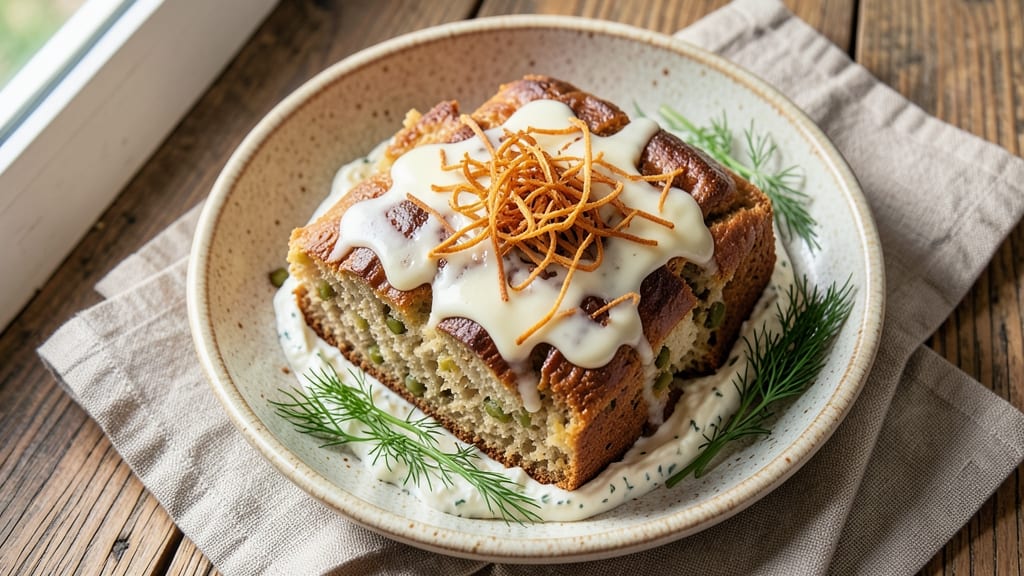
This sauerkraut bread recipe transforms humble ingredients into a tangy, crispy-edged loaf that captures the bold flavor of fermented cabbage in every bite.
After years of experimenting with sourdough variations, I discovered that blending sauerkraut directly into the dough creates a bread with unexpected depth—where the fermented tang meets warm, pillowy texture. The key lies in balancing acidity with sweetness, ensuring the sauerkraut enhances rather than overpowers the dough.
What makes this recipe work is the two-stage fermentation—first allowing the sauerkraut to mellow in the dough, then letting the bread rise slowly for maximum flavor development. You’ll need just five core ingredients (plus sauerkraut), and the process unfolds over about 24 hours, with minimal hands-on time.
The result? A golden-brown crust that cracks open to reveal moist, slightly tangy crumb with pockets of sauerkraut that add fermented crunch and complexity.
The beauty of this bread lies in its versatility—serve it warm with butter, as a side for hearty stews, or toasted with smoked salmon for breakfast. The sauerkraut’s natural acidity cuts through rich dishes, while its texture adds an unexpected fermented bite that keeps every slice interesting.
Once you try this method, you’ll never buy store-bought bread the same way again.
For best results, use raw sauerkraut (not pasteurized) and let the dough rest overnight—this is where the magic happens. The slow fermentation allows flavors to meld, creating a bread that’s far more nuanced than its ingredients suggest.
Ready to bake? Let’s get started with a loaf that’s equal parts rustic and refined.
Ingredients for sauerkraut bread
Five core ingredients plus fermented cabbage create a tangy, crisp-edged loaf with unexpected depth.
| Ingredient | Amount | Notes |
|---|---|---|
| Raw Sauerkraut 🥬 | 1 ½ cups | Unpasteurized, drained of excess liquid |
| All-Purpose Flour 🌾 | 4 cups | Bread flour preferred for structure |
| Active Dry Yeast 🍞 | ¼ oz | 1 packet (2.25 tsp), room temperature |
| Granulated Sugar 🍚 | ½ cup | Balances sauerkraut acidity |
| Unsalted Butter 🧈 | ½ cup | Cold, cubed for dough mixing |
| Large Eggs 🥚 | 1 whole | Room temperature for even mixing |
| Diamond Crystal Kosher Salt 🧂 | 1 ½ tsp | Fine grain for even distribution |
| Whole Milk 🥛 | ½ cup | Warmed to room temperature |
| Honey 🍯 | 2 tbsp | For crust browning and flavor |
| Cornmeal 🌽 | ½ cup | For dusting baking surface |
The sauerkraut is non-negotiable—raw, unpasteurized from a trusted source like Rehr's or Bubbaprobiotics delivers the boldest flavor. Look for jars with vibrant color and no added vinegar; the brined liquid should have a tangy aroma but no off-putting smells. Drain it thoroughly before mixing to prevent a gummy dough. For best results, use sauerkraut that's been fermenting for at least 4-6 weeks, as younger batches lack the complex acidity needed to shine. If you're new to sauerkraut, store-bought from the refrigerated section works in a pinch, though homemade yields superior texture. The key is balancing its sharpness with the dough's sweetness—this is where the honey and sugar play their roles.
No bread flour? All-purpose plus 1 tbsp vital wheat gluten mimics its protein structure. Substituting yeast? 1 tsp baking soda plus 1 tbsp lemon juice creates lift, but the flavor profile shifts dramatically. The butter must be cold when mixed—softened room temp butter creates a sticky dough. For a dairy-free version, coconut oil or olive oil works, though texture differs slightly. Milk can be swapped for water or plant-based milk, but whole milk's fat content improves crumb softness. Honey substitutes include maple syrup or agave, though honey's enzyme activity aids fermentation. If you're short on time, reduce the overnight rest to 4 hours, but flavor development suffers.
Store the dough in an airtight container at room temperature for up to 24 hours before baking—this is where the magic happens. Once baked, let the loaf cool completely on a wire rack to prevent condensation, which dulls the crust. For best results, bake within 3 days of shaping. The bread freezes beautifully—slice before freezing and toast directly from frozen for up to 3 months. To revive stale slices, wrap them in a damp towel and microwave for 10-15 seconds. The crust's crispness peaks on day 1, while the crumb's tanginess deepens over 2-3 days as the sauerkraut's enzymes continue working.
Why You'll Love This Recipe
- No-Knead Magic: I swear by this dough—just mix, rest, and bake. The yeast works overnight while I sleep, so morning breakfast feels like a gourmet treat without any effort.
- Tangy Butter Crunch: That raw sauerkraut adds a bright, funky kick, while the browned butter crust? Absolute perfection. It’s like a sourdough hug with a probiotic sidekick.
- Weekday Workhorse: Toss a slice in a lunchbox, serve it with chili for game day, or freeze half the loaf for lazy mornings. One batch covers everything—no waste, all flavor.
- Pantry Stash Winner: I keep a jar of sauerkraut on hand for this alone—it’s cheap, lasts forever, and turns basic flour into something special. Plus, the sugar caramelizes into a golden crust that costs next to nothing.
Step-by-step instructions for sauerkraut bread
This method balances fermentation with precise dough handling for a bread with crisp crust and tangy depth.
Activate the Yeast and Prepare the Dough Base
In a small mixing bowl, combine the 0.5 cup granulated sugar, 0.5 cup warmed whole milk, and 0.25 oz active dry yeast. Let this mixture sit for 5-7 minutes until it becomes frothy and bubbles form at the surface—this confirms the yeast is active. If no bubbles appear after 10 minutes, discard the mixture and start fresh with new yeast.
In a separate large bowl, whisk together the 4 cups all-purpose flour and 1.5 tsp diamond crystal kosher salt. Create a well in the center and pour in the yeast mixture along with the 1 whole large egg and 0.5 cup unsalted butter, cut into small cubes. Using a wooden spoon or dough whisk, gradually incorporate the ingredients until a shaggy dough forms. The butter should be cold enough to maintain structure but soft enough to mix smoothly.
Incorporate Sauerkraut and Develop the Dough
Drain the 1.5 cups raw sauerkraut thoroughly, pressing between paper towels to remove excess liquid. Chop the sauerkraut coarsely with a knife and fold it into the dough mixture. The acidity from the sauerkraut will begin reacting with the yeast, so work quickly to maintain the dough's elasticity. Add the 2 tbsp honey and mix until fully combined.
Turn the dough onto a lightly floured surface and knead for 8-10 minutes until smooth and elastic. The dough should spring back slowly when pressed. If it feels too sticky, add 1 tablespoon of flour at a time; if too dry, add 1 teaspoon of warm milk. The goal is a dough that holds its shape but remains pliable. This kneading step develops gluten, which gives the bread its structure and chew.
First Rise and Shape the Loaf
Lightly grease a large mixing bowl with a small amount of olive oil (not listed in ingredients, as it's not required for the recipe itself) and place the dough inside. Cover the bowl with a damp kitchen towel and let it rise in a warm place for 1-1.5 hours, or until the dough has doubled in size. The tangy aroma of the sauerkraut will intensify as the dough ferments. Avoid placing the bowl near direct heat sources, as this can cause uneven rising.
Once the dough has risen, punch it down gently to release air bubbles. Transfer it to a floured surface and divide it into two equal portions. Shape each portion into a log, sealing the seams tightly. Place the shaped loaves on a baking sheet lined with parchment paper, seam-side down. Cover loosely with the damp towel and let them rise for another 30-45 minutes until slightly puffy. This second rise ensures the loaves maintain their shape during baking.
Preheat and Prepare for Baking
Preheat your oven to 375°F. While the oven heats, dust a baking sheet with 0.5 cup cornmeal and place it nearby. This will create a crisp, golden crust on the bottom of the loaves. Brush the tops of the risen loaves with a small amount of water to encourage browning. Using a sharp serrated knife, score the tops of the loaves in a crosshatch pattern, about ¼ inch deep. This allows steam to escape and prevents cracking during baking.
Bake the loaves for 30-35 minutes, rotating the baking sheet halfway through, until the crust is deep golden brown and the internal temperature reaches 190°F. The bread should sound hollow when tapped on the bottom. If the crust browns too quickly, tent the loaves with aluminum foil to prevent over-browning while ensuring the interior cooks through.
Cool and Serve with Confidence
Remove the loaves from the oven and transfer them to a wire rack to cool completely for at least 1 hour. This resting period allows the bread to set and redistribute moisture, ensuring every slice is tender and flavorful. The crust should be crisp, while the interior remains soft with pockets of tangy sauerkraut throughout. Slice with a serrated knife for clean, even pieces.
Serve the sauerkraut bread warm, ideally within the first few hours of baking. The contrast of the crisp crust, chewy interior, and fermented tang makes this bread ideal for sandwiches, soups, or simply enjoyed with butter. Store any leftovers in an airtight container at room temperature for up to 3 days, or freeze for longer storage. Reheat slices in a 350°F oven for 5-7 minutes to restore crispness.
Pro Tips For Making Sauerkraut Bread
- Drain and Squeeze Hard: That jar of sauerkraut is packed with liquid—don’t just dump it in. Rinse the kraut under cold water first to remove excess brine, then wring it out in a clean towel like you’re trying to dry off a soggy dog. Wet dough is a recipe for dense, gummy bread, and no one wants that.
- Use Warm Butter, Not Melted: I learned this the hard way—slathering the dough with melted butter makes it greasy and heavy. Instead, soften the butter to room temp, then cut it into small cubes and work it into the dough by hand. The butter will distribute evenly and create those perfect little pockets of flavor without weighing down the loaf.
- Let the Yeast Bubble First: Skip the "toss it in and go" approach. Mix the yeast with warm water and sugar first, then wait 5–10 minutes until it’s foamy and active before adding the flour. Cold water or dead yeast is the fastest way to end up with a brick instead of bread—don’t risk it.
- Shape Tight, Then Rest: Sauerkraut dough is stubborn. After kneading, roll it into a log and pinch the seams shut tight—like you’re wrapping a gift you don’t want to unravel. Then, cover it and let it rest for at least 30 minutes. This step guarantees a clean rise and a crust that’s crisp, not cracked. (Yes, even if you’re impatient like me.)
Make-ahead tips for this sauerkraut bread
Overnight Prep Advantage
Let the dough rest overnight in an airtight container at room temperature—this slow fermentation deepens the sauerkraut's tang while developing gluten for a chewier texture. I place my dough in a glass Pyrex bowl covered with a damp towel, which maintains moisture without sticking.
This hands-off step transforms the bread's flavor profile, making it far more complex than a quick-rise loaf. 💫
Freezer-Friendly Dough
Shape and portion the dough, then wrap each loaf tightly in plastic wrap followed by aluminum foil. Freeze for up to 3 months—when ready to bake, thaw overnight in the fridge before proceeding with the recipe.
This method preserves the sauerkraut's acidity and prevents gluten breakdown during freezing. I label my frozen dough with dates to track freshness.
Baked Loaf Storage
Cool the bread completely before storing in an airtight container at room temperature for 3 days. The crust stays crisp while the interior remains tender, with the sauerkraut's flavor intensifying over time.
For longer storage, slice the bread and freeze individual portions. Toast directly from frozen for 3-5 minutes at 375°F to restore crispness without drying out the crumb.
Reviving Stale Slices
Wrap stale slices in a damp paper towel and microwave for 10-15 seconds to revive moisture. For a crispier texture, place slices on a baking sheet and warm in a 350°F oven for 5 minutes.
The sauerkraut's tang remains vibrant even after reheating, making this bread perfect for meal prep. I keep a loaf on hand for quick sandwiches or toast.
Batch Baking Tips
Double the recipe and bake two loaves simultaneously for efficiency. Use two baking sheets and rotate them halfway through baking to ensure even browning. For large gatherings, bake one loaf fresh and freeze the second for later use.
The dough's fermentation time remains consistent even when scaling up, so no adjustments are needed beyond ingredient quantities.
Sauerkraut Flavor Boost
For extra depth, add 1 tsp caraway seeds or 1 tbsp apple cider vinegar to the dough before the first rise. These ingredients enhance the sauerkraut's natural flavors while balancing the bread's texture.
I often make a small test batch with these additions to gauge flavor preferences before committing to a full loaf. 🌟
Nutrition facts
Frequently asked questions
Why does my sauerkraut bread taste too sour?
The tangy flavor comes from the sauerkraut's natural acidity, but too much can overpower the dough. Balance it by increasing the sugar or honey to 0.75 cup total and letting the dough rest overnight—this mellows the sharpness. Also, use sauerkraut that's been fermenting for at least 4-6 weeks for a more complex, less acidic profile.
Can I make this bread without yeast?
Yes! Replace the yeast with 1 tsp baking soda plus 1 tbsp lemon juice for a quick-rise version. The texture will be denser, but the sauerkraut's tang still shines. For best results, bake immediately after mixing and reduce the oven temperature to 350°F for 25-30 minutes to prevent over-browning. The crust will be softer, but the fermented flavor remains intact.
How do I store sauerkraut bread to keep it fresh?
Cool the bread completely, then store in an airtight container at room temperature for 3 days—the crust stays crisp while the sauerkraut's flavor deepens. For longer storage, slice and freeze portions. Toast directly from frozen for 3-5 minutes at 375°F to restore crispness. The bread's texture improves after 24 hours as the sauerkraut's enzymes continue breaking down.
What if my dough doesn't rise properly?
Check these common issues: yeast may be dead (test in warm water with sugar first), the dough might be too cold (place bowl in a 70°F spot), or the sauerkraut's acidity could have slowed fermentation. Try adding 1 tsp baking powder to the dough for extra lift, or let it rise for 2 extra hours in a warm oven with the light on. If all else fails, shape and bake immediately for a denser loaf.
Can I add other vegetables to this bread?
Try finely chopped carrots, beets, or onions for sweetness, or sautéed mushrooms for earthiness. For each 1 cup of additional veggie, reduce flour by ¼ cup to maintain structure. Drain and chop veggies well to avoid a gummy texture. The key is balancing moisture—too much liquid from veggies can make the dough sticky, so adjust as needed during kneading.