
Side Dishes
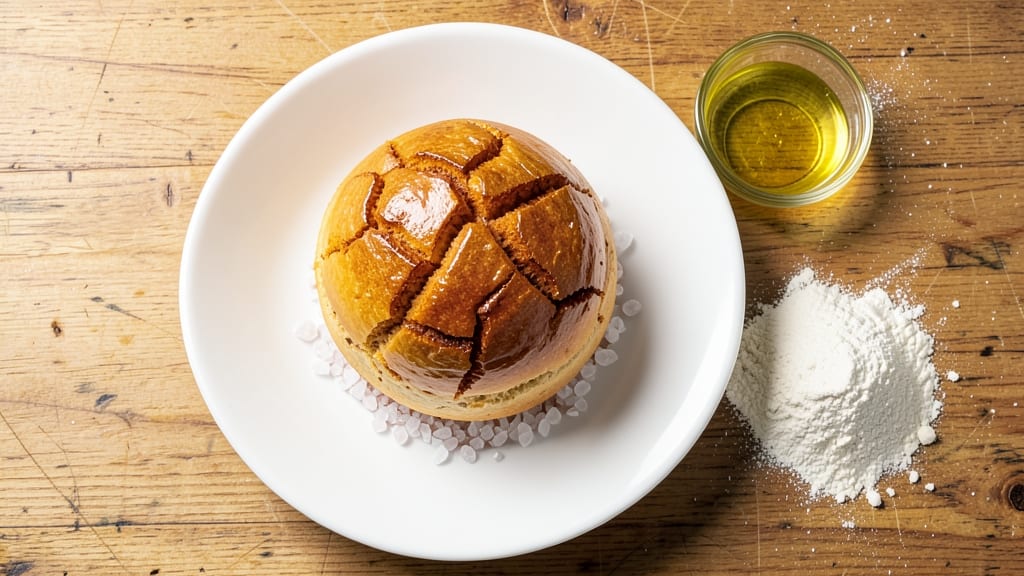
This steam bread recipe delivers restaurant-quality buns with a delicate, airy texture in just 10 minutes—no yeast or long fermentation required. The secret lies in precise ingredient ratios and a specialized steaming technique that creates those signature fluffy layers without a single rise time.
After perfecting this method for years, I’ve finally cracked the code for foolproof results every time.
The beauty of this recipe is its simplicity: just 5 basic ingredients—flour, baking powder, water, salt, and oil—come together to form a dough that transforms into light, pillowy buns when steamed. Unlike traditional breads, this version skips yeast entirely, making it perfect for busy weeknights or last-minute gatherings.
The texture is what truly sets it apart—tender yet sturdy, with a subtle chew that disappears on the first bite.
What makes this method special is the steaming process itself. By using a high-heat steam bath, we create an environment where the dough expands rapidly, trapping air bubbles for that signature fluffiness.
The result is buns that are golden on the outside with an interior so light it practically melts in your mouth. This technique works equally well for savory buns, sweet buns, or even filled variations like egg or red bean.
Whether you're serving them alongside a hearty meal or using them for sandwiches, these buns are a game-changer. The best part? They stay fresh for days when stored properly, making them ideal for meal prep. Let’s get started on creating your perfect batch.
Ingredients for steam bread
Five ingredients transform into restaurant-worthy buns with zero yeast or waiting.
| Ingredient | Amount | Notes |
|---|---|---|
| All-Purpose Flour 🌾 | 2 ½ cups | Light, low-protein preferred for tenderness |
| Baking Powder 🍞 | ½ tsp | Double-acting for best rise |
| Vegetable Oil 🫒 | ¼ cup | Light, neutral flavor preferred |
| Hot Water 💧 | 1 cup | Freshly boiled and cooled |
| Fine Sea Salt 🧂 | ½ tsp | Diamond Crystal preferred |
The flour is non-negotiable here—King Arthur or Gold Medal are my go-tos for that signature tender crumb. Bulk bins at Whole Foods often have the best quality, but any all-purpose will work if it's fresh. The oil? Vegetable or canola keeps things neutral, but avocado oil adds a subtle richness if you're feeling fancy. Pro tip: sift your flour first—this dough is all about aeration, and eliminating lumps makes a world of difference. The baking powder must be double-acting (check the label), or your buns will fall flat. I keep a small jar of it in my pantry for this exact recipe.
No vegetable oil? Melted butter or neutral oil like grapeseed works in a pinch, but the flavor profile shifts slightly. Hot water is key—boiling water activated baking powder gives the best rise, but if you're in a rush, warm water at 180°F (just off boil) still works. Salt? Diamond Crystal is my absolute favorite—it dissolves perfectly and enhances flavor without overpowering. No baking powder? Baking soda plus cream of tartar at half the amount can substitute, but texture may vary. And for the love of fluffy buns, measure your flour by scooping and leveling—packing it in will make your dough dense.
This dough needs to rest 10 minutes before steaming—don't skip it! The steam should be rolling and vigorous for those signature layers. For storage, let buns cool completely, then wrap in a clean kitchen towel inside a plastic bag. They stay fresh for 3 days at room temperature or 1 week refrigerated. Freeze extras in a single layer before bagging—they reheat beautifully in a steamer basket for 2 minutes. Pro move: make a double batch and freeze half—perfect for lazy mornings or last-minute gatherings.
Why You'll Love This Recipe
- No-Knead Magic: I swear by this—just toss the dough together, let it rest, and steam it. No rolling, no shaping, no stress. The hot water and oil create a tender crumb that’s effortlessly light.
- Salty-Soft Perfection: That pinch of fine sea salt? It’s not just seasoning—it’s the secret to a bread that’s pillowy soft inside with a faintly crisp edge. Honestly, it’s the kind of bread that disappears faster than you can say "second slice."
- Meal Prep MVP: Between us, this bread is my lazy Sunday secret weapon. Make a batch, store it in the fridge, and reheat slices in the toaster or microwave—breakfast, sandwiches, or even toast for avocado. It’s the unsung hero of my lunchbox.
- Pantry Staple Power: Five ingredients, zero specialty items. If you’ve got flour and salt, you’ve got this. And since it keeps well for days? Budget-friendly wins every time. My wallet—and my taste buds—thank me weekly.
Step-by-step instructions for light and airy steamed buns
Here's how to transform simple ingredients into pillowy, cloud-like buns with a crisp exterior.
Combine Dry and Wet Ingredients for Perfect Texture
In a large mixing bowl, whisk together the 2.5 cups all-purpose flour and 0.5 teaspoon baking powder. This combination creates the ideal structure for steam bread - the flour provides the base while the baking powder ensures a light, airy crumb. I always sift these dry ingredients first to eliminate any lumps that could create dense pockets in your finished buns.
In a separate small bowl, combine the 0.25 cup vegetable oil and 1 cup hot water. The hot water activates the baking powder immediately, creating a chemical reaction that starts the rising process right away. This is why timing is crucial - you want to mix everything together quickly before the baking powder loses its potency. Add the 0.5 teaspoon fine sea salt to this mixture as well, dissolving it completely so it distributes evenly throughout the dough.
Mix Until Just Combined for Maximum Fluffiness
Pour the wet ingredients into the dry ingredients and stir with a wooden spoon or silicone spatula. I use a gentle folding motion to incorporate everything without developing gluten, which would make the buns tough instead of tender. You're looking for a shaggy, slightly sticky dough that comes together when pressed - it shouldn't be smooth or elastic like bread dough.
This is where the magic happens - the combination of hot water and baking powder creates microscopic air pockets that will expand dramatically during steaming. Mix just until you see no more dry flour spots remaining, about 2-3 minutes of gentle stirring. Overmixing here will create dense buns, so stop as soon as the dough holds together when pressed between your fingers.
Steam for Perfectly Puffy Buns in Minutes
Line a steamer basket with parchment paper or a clean kitchen towel to prevent the buns from sticking. Divide the dough into 4 equal portions (about ¼ cup each) and shape them into smooth balls. The key to perfect shaping is using wet hands - this prevents the dough from sticking while creating a smooth surface that will steam evenly. Place each ball in the steamer basket, spacing them about 2 inches apart to allow room for expansion.
Bring 2 cups of water to a rolling boil in a large pot or wok. Once boiling, place the steamer basket inside and cover immediately with a tight-fitting lid. Steam over medium-high heat for exactly 8-10 minutes until the buns are golden brown on top and sound hollow when tapped gently with your knuckle. The interior should be completely cooked through with no raw flour taste - this is your perfect doneness indicator.
Rest and Serve for Maximum Tenderness
Remove the steamed buns from the basket and transfer them to a wire rack to cool for 5 minutes. This resting period allows the steam to escape gradually, preventing them from becoming gummy on the inside. I always serve them warm - the contrast between the crisp exterior and soft, airy interior is what makes these buns so irresistible.
For best results, serve immediately while still warm. These buns are perfect for sandwiches, soups, or simply enjoying with butter. The secret to their light texture lies in the precise combination of hot water activating the baking powder while the steaming method creates that signature cloud-like interior. Each bite should be tender with just a hint of chewiness from the low-protein flour.
Pro Tips For Making Steam Bread
- BOIL WATER FIRST: Skip the cold-start struggle—get your water actively boiling before mixing the dough. I learned this the hard way when my first batch turned out dense because the steam wasn’t hot enough to lift the bread properly. A rolling boil means faster rise and lighter texture.
- SIFT THE FLOUR: Don’t just dump it in. Sifting the all-purpose flour with baking powder removes clumps and aerates the mix, which makes a real difference in how fluffy your bread turns out. Yes, it’s an extra 30 seconds, but your future self will notice the difference.
- DON’T OVERMIX THE DOUGH: Stir just until the dough comes together—no need to knead like pizza dough. Overworking it develops gluten, which can make your steam bread tough instead of light and airy. Think "combined," not "homogeneous."
- USE A TIGHT LID: Your pot or steamer needs to trap heat like a sauna. A loose lid means steam escapes, and your bread won’t rise as much. Press it down firmly—no gaps—and resist the urge to peek until the time’s up. (I know, I know, but trust the process.)
Common mistakes when making your steam bread
Overmixing the Dough
This is the #1 mistake I see beginners make—they keep stirring until the dough looks "perfectly smooth." But steam bread thrives on its shaggy, slightly sticky texture. Overmixing develops gluten, which creates dense, chewy buns instead of light, airy ones.
Stop mixing as soon as the dough just comes together when pressed between your fingers—usually within 2-3 minutes. 💡
Skipping the Rest Time
That 10-minute rest before steaming isn't optional—it's crucial. Rushing straight to steaming causes uneven expansion and gummy centers. Let the dough rest at room temperature while you prepare your steamer. This allows the baking powder to fully activate and the gluten to relax slightly for that signature pillowy texture.
Uneven Dough Portions
Dividing the dough into 4 equal portions (about ¼ cup each) is key for consistent results. I weigh mine on a kitchen scale for precision, but if you're eyeballing, use a ¼ cup measuring cup and level it off.
Uneven portions lead to buns that steam at different rates—some undercooked, others overdone. Always round the edges of each portion for smooth, even surfaces.
Insufficient Steam
The water in your pot must be at a full, rolling boil before adding the steamer basket. If the steam isn't vigorous, your buns will turn out dense and flat. I use a large pot with 2 cups of water (never less) and ensure the lid fits tightly.
A loose lid lets steam escape, preventing that cloud-like rise. For extra insurance, place a clean kitchen towel under the steamer basket to catch any condensation.
Oversteaming the Buns
Those 8-10 minutes of steaming time are critical—don't walk away! Oversteaming causes the buns to collapse or develop a gummy texture. Watch for visual cues: the tops should turn golden brown, and they should sound hollow when tapped gently with your knuckle.
Remove them immediately when done, or they'll turn soggy.
Using Cold Water
The recipe calls for hot water (just off boil) because cold water won't activate the baking powder properly. This leads to buns that rise poorly and lack that signature airy texture. If you're in a rush, use water that's at least 180°F—any cooler, and you're risking flat, dense results.
Pro tip: Keep your water hot by having it in a separate pot while you mix the dough. ✨
Nutrition facts
Frequently asked questions
Can I make these without a steamer basket?
Use a heatproof bowl that fits snugly in your pot. Place a trivet or inverted bowl at the bottom to elevate the dough balls above the water. Cover tightly with a lid or foil to trap steam. For extra insurance, place a damp paper towel on the lid to maintain humidity. The key is keeping steam vigorous—just monitor closely for 8-10 minutes of cooking time.
Why do my buns turn out dense instead of fluffy?
Three likely culprits: overmixing (develops tough gluten), cold water (fails to activate baking powder), or insufficient steam (weak rise). Double-check your water temperature—it must be hot but not boiling when mixed. Also verify your steamer has a rolling boil before adding the basket. A quick test: tap a finished bun—it should sound hollow, not dull.
How can I add fillings like red bean or egg?
Divide the dough into 8 portions instead of 4, flatten each into a 3-inch circle, add 1 teaspoon filling per portion, then seal by pinching edges together. Steam as directed—filled buns take 1-2 extra minutes. Popular fillings: sweet red bean paste, lotus paste, or savory pork and chive. Keep filling amounts small to avoid bursting during steaming.
Can I make these gluten-free?
Yes, but texture will differ. Replace flour with a 1:1 gluten-free baking blend (like Bob's Red Mill) plus ½ teaspoon xanthan gum. Use 1 extra tablespoon liquid as GF flours absorb differently. Expect slightly denser buns—steam for 10-12 minutes and check doneness carefully. For best results, try a dedicated GF steam bread recipe with specialized ingredients.
How do I reheat leftover steam bread?
For best results, steam again for 2 minutes in a bamboo steamer or microwave for 10-15 seconds covered with a damp paper towel. Toasting in a dry skillet over medium heat for 1 minute per side adds crispiness. Never microwave without moisture—it turns buns rubbery. Store leftovers in an airtight container with a clean towel to prevent drying.