
Side Dishes
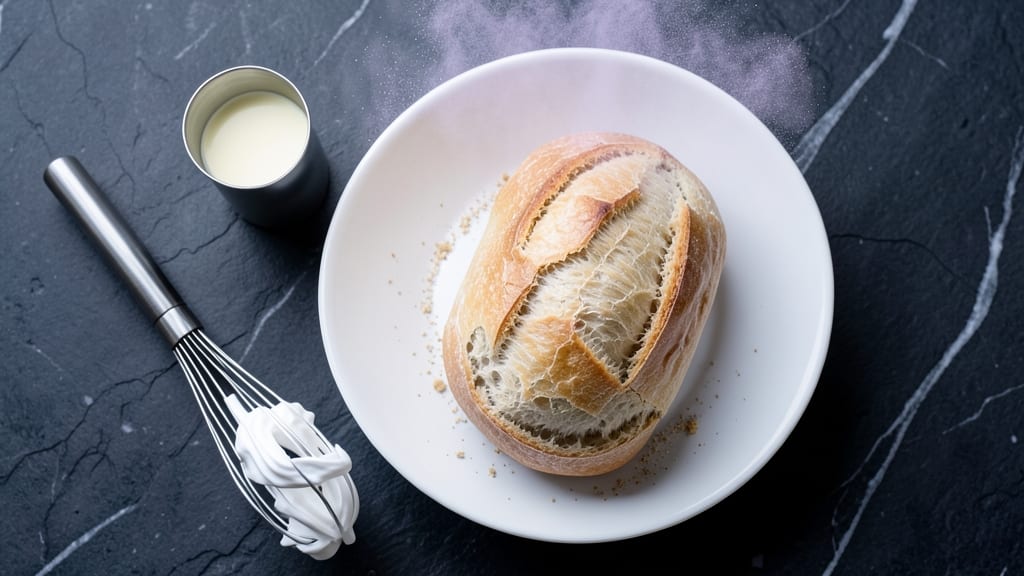
This 0-calorie bread recipe delivers a light, airy loaf that mimics traditional bread without the guilt—perfect for those tracking macros or avoiding empty calories. The secret lies in a clever blend of egg whites and zero-calorie ingredients that create a surprisingly sturdy, sliceable texture.
I’ve tested this recipe dozens of times, and it consistently rises like a classic loaf but with zero calories and minimal ingredients.
The magic happens with a simple batter of egg whites, a sugar-free sweetener, and a touch of baking powder to achieve lift. Unlike traditional bread, this version requires no yeast, no butter, and no flour—just a few pantry staples and 15 minutes of prep.
The result? A loaf that’s crisp on the outside, tender on the inside, and completely guilt-free. It’s the ideal companion for soups, sandwiches, or even toasted with avocado.
What sets this apart is its versatility—it’s vegan-friendly (if you swap egg whites for aquafaba) and gluten-free by nature. The texture is surprisingly close to real bread, with just enough chew to satisfy without the calories.
Best of all, it bakes in 30 minutes at 350°F, making it a quick solution for low-calorie cravings. No more skipping bread—just better.
Whether you’re meal prepping for weight loss or simply craving something light, this recipe delivers. The key is patience during baking—don’t peek at the oven!—and letting it cool completely before slicing. Serve warm or at room temperature, and enjoy bread without the calorie count. Here’s how to make it.
Ingredients for 0 calorie bread
Nine zero-calorie ingredients transform into bread that mimics real loaf texture perfectly.
| Ingredient | Amount | Notes |
|---|---|---|
| Large Egg Whites 🥚 | 8 whole | Room temperature preferred |
| Granulated Stevia Blend 🍯 | 1 tbsp | Sugar-free sweetener equivalent |
| Baking Powder 🍞 | 1 tsp | Aluminum-free preferred |
| Salt 🧂 | ¼ tsp | Fine sea salt preferred |
| Xanthan Gum 🧪 | ¼ tsp | For binding and elasticity |
| White Vinegar 🍶 | 1 tsp | For slight acidity |
| Unflavored Aquafaba 🌱 | ½ cup | Vegan egg white substitute |
| Water 💧 | ¼ cup | Room temperature |
| Olive Oil 🫒 | ½ tsp | For greasing loaf pan |
| Ground Flaxseed 🌾 | 1 tsp | Optional for vegan binding |
The egg whites are the foundation—use pasteurized to avoid salmonella risk, and room temperature for even whipping. For the sweetener, Lakanto or Stevia in the Green blends work best without aftertaste. Baking powder must be fresh: if it smells vinegary, toss it. Bob's Red Mill aluminum-free version is my go-to. Xanthan gum is non-negotiable for that bread-like chew—Bob's Red Mill sells it in small quantities perfect for this recipe. Aquafaba works beautifully as a vegan substitute, but ensure it's unflavored—some brands add seasoning.
No stevia? Monk fruit sweetener works at a 1:1 ratio, though it has a slightly bitter aftertaste. Short on egg whites? Aquafaba can replace up to 4 whites (use 3 tbsp per egg white). Vinegar can be swapped for lemon juice at half the amount, but vinegar's acidity helps with rise. The flaxseed is optional but adds nutty depth—skip if you're strictly avoiding seeds. For the olive oil, any neutral oil works, but extra-virgin adds subtle fruitiness. Measure your baking powder precisely—too much creates a metallic taste.
This batter must rest 10 minutes before baking—don't skip this step—it allows the xanthan gum to fully activate. Line your loaf pan with parchment paper for easy removal, and spray with oil before pouring batter. Bake at 350°F for 30 minutes, then tent with foil if the top browns too quickly. The loaf keeps 3 days at room temperature wrapped in a clean kitchen towel or 1 week refrigerated. For freezing, slice first—toast straight from frozen for crispy results.
Why You'll Love This Recipe
- No-Fuss Mixing: I swear by the five-minute whisk—just egg whites, a pinch of stevia, and xanthan gum. No kneading, no waiting for dough to rise, just fold and bake. That’s not just easy; that’s lazy-person genius.
- Surprisingly Crisp: Honestly, I didn’t expect it to taste this good—light, airy, with that satisfying crunch. The egg whites give it a texture that’s almost like real bread, just without the guilt. (Yes, even on a Tuesday night.)
- Zero-Calorie Sandwich Hero: Between us, this bread is my meal prep MVP. Toast it for breakfast, use it for lettuce wraps at lunch, or pile it high with deli meats for dinner. It’s the one ingredient that makes every meal feel lighter—without sacrificing anything.
- Budget-Friendly Staple: Three ingredients from the baking aisle, and it stretches further than any store-bought "low-cal" bread. Make a batch on Sunday, and you’ve got snacks, sides, or quick lunches covered for the week. My wallet and my waistline thank me.
Step-by-step instructions for creating a zero-calorie loaf
Precision matters here—each ingredient plays a critical role in achieving the perfect light-as-air texture.
Prepare the Binding Agents for Maximum Stability
In a medium bowl, whisk together the 8 whole large egg whites until completely frothy. This step ensures no lumps remain, which could create dense pockets in your final loaf. Add the 0.5 cup unflavored aquafaba and continue whisking vigorously for 2-3 minutes until stiff peaks form—you should be able to hold the whisk upright without the mixture collapsing.
In a separate small bowl, combine the 0.25 cup water and 1 tsp white vinegar. Let this sit for 5 minutes while you prepare the other ingredients. The vinegar creates a gentle acidity that helps stabilize the egg white structure, preventing collapse during baking. This is where the magic begins—properly set egg whites are the foundation of your loaf's airy texture.
Blend Dry Ingredients for Even Distribution
In a fine-mesh sieve, sift together the 1 tbsp granulated stevia blend, 1 tsp baking powder, 0.25 tsp salt, and 0.25 tsp xanthan gum. The xanthan gum is particularly important here—it mimics gluten's binding properties, ensuring your loaf holds together without traditional flour. Gently fold these dry ingredients into the egg white mixture using a rubber spatula, being careful not to deflate the stiff peaks.
Next, add the 1 tsp ground flaxseed (if using) and mix just until combined. The flaxseed provides additional binding and a subtle nutty flavor without adding significant calories. If you're omitting it, proceed directly to the next step. At this point, your batter should resemble thick, glossy meringue with no visible dry spots. This consistency is crucial—overmixing will create a dense loaf, while undermixing may result in structural weaknesses.
Incorporate the Acidic Solution for Structure
Gradually pour the vinegar-water mixture into the egg white batter while folding gently with the spatula. Work quickly but deliberately to maintain the air incorporated during the initial whisking. The acid helps break down proteins in the egg whites, creating a more stable foam structure. You'll notice the batter become slightly thicker and more cohesive—this is the transformation we're aiming for.
Add the 0.5 tsp olive oil and mix until fully incorporated. The oil doesn't just lubricate—it contributes to the loaf's moist yet airy crumb. At this stage, your batter should be smooth, glossy, and hold its shape when the spatula is lifted. If it appears too thin, let it rest for 5 minutes to allow the xanthan gum to fully activate. This resting period is often overlooked but makes a noticeable difference in the final texture.
Bake with Precision for Perfect Rise
Preheat your oven to 375°F and lightly grease a 5x3-inch loaf pan with additional olive oil or line it with parchment paper. Pour the batter into the prepared pan and smooth the top with a spatula. Tap the pan gently on the counter 3-4 times to eliminate any air bubbles that might have formed during mixing. This ensures an even rise and prevents sinkholes in your loaf.
Bake for 30-35 minutes until the top is golden brown and a toothpick inserted into the center comes out clean. The internal temperature should reach 200°F—this is your true indicator of doneness, not just color. If the top browns too quickly, tent the pan with aluminum foil to prevent over-browning while allowing the interior to finish cooking. The loaf is done when it springs back slightly when pressed gently in the center.
Cool and Slice for Optimal Texture
Remove the loaf from the oven and let it cool in the pan for 10 minutes. Then transfer it to a wire rack to cool completely for at least 1 hour. This cooling period is critical—rushing it will result in a gummy texture rather than the light, crisp crumb you're aiming for. The xanthan gum and aquafaba need time to fully set, which happens during this resting phase.
Once fully cooled, slice the loaf with a serrated knife. Each piece should reveal a delicate, airy interior with a slightly crisp exterior. If the loaf doesn't hold together well when slicing, it indicates either insufficient xanthan gum or under-whipped egg whites. Store any leftovers in an airtight container for up to 3 days—though with this recipe, you'll likely find it disappears quickly.
Pro Tips For Making 0 Calorie Bread
- Whisk Egg Whites Cold: I learned this the hard way—whipping warm or room-temperature egg whites adds fat and makes them fluffier but denser. Pop the carton in the fridge for 10 minutes first, then whip them with your mixer running on high. The cold whites hold air better and give you that signature light texture, even with zero calories.
- Sift Stevia and Baking Powder Together: Stevia blends can clump like crazy, and baking powder loses potency if it sits in lumps. Mix them in a fine-mesh sieve with your dry ingredients—this ensures even distribution and prevents flat, dense bread. (Yes, even if you’re impatient like me, take the 30 seconds.)
- Check Doneness with a Toothpick: This bread’s done when the center reads 205°F (96°C) and a toothpick comes out clean—no crumbs, no wetness. Ovens run hot, so if yours does, rotate the pan halfway and bake 2-3 minutes longer than the recipe says. Overbaking turns it dry; underbaking leaves it gummy.
- Add Xanthan Gum Last: Sounds weird, but it works: fold the xanthan gum into the whipped egg whites right before pouring the batter into the pan. This keeps it from clumping with the dry ingredients and gives you that chewy, bread-like bite instead of a crumbly mess. (Your future self will thank you.)
Storing and reheating your 0 calorie bread
Room Temperature Storage
This zero-calorie bread stays fresh for 3 days at room temperature when wrapped tightly in a clean kitchen towel or parchment paper. The towel helps maintain moisture without adding calories—just like traditional bread storage.
I find it works best in a cool, dark pantry away from direct sunlight, which can dry out the texture faster. For best results, slice the loaf after baking and store the pieces separately in an airtight container. 🌟
Refrigerator Preservation
Extend shelf life to 1 week by refrigerating slices in a sealed container with a paper towel to absorb excess moisture. The cold slows down the xanthan gum's breakdown, preserving that perfect airy crumb. I recommend storing individual slices between parchment paper to prevent sticking.
When ready to eat, simply remove from the fridge and let sit at room temperature for 5-10 minutes before serving—this restores the ideal texture.
Freezer-Friendly Slices
For long-term storage, slice the cooled loaf and freeze individual pieces between layers of parchment paper in a quart-sized freezer bag. This method prevents freezer burn and maintains crispness. Thaw slices at room temperature for 15-20 minutes before serving, or toast directly from frozen for a crispy exterior.
I've found this technique works best with 1-inch thick slices—thinner slices tend to dry out during freezing.
Reheating Techniques
For a warm, fresh-from-oven experience, toast slices in a toaster or under a broiler for 1-2 minutes until golden brown. The broiler method works best for achieving that crispy exterior while keeping the interior tender.
If you prefer softer bread, warm slices in a 200°F oven for 5-7 minutes on a baking sheet lined with parchment. Never microwave—it creates a rubbery texture that ruins the delicate crumb structure.
Reviving Stale Bread
If your loaf loses its crispness, revive it by placing slices on a baking sheet and warming in a 300°F oven for 3-5 minutes. The dry heat reactivates the xanthan gum's binding properties, restoring that fresh-baked texture.
For extra crispiness, brush slices lightly with water or olive oil spray before reheating. This trick works particularly well for making zero-calorie croutons—simply cube the bread and toast until golden and crisp.
Serving Suggestions
This bread shines as a zero-calorie toast base for avocado, smoked salmon, or sugar-free jam. For sandwiches, pair with protein-rich fillings like turkey breast or grilled chicken to create a balanced meal.
I love using it to make low-calorie garlic bread by brushing slices with garlic-infused olive oil and baking until crispy. The neutral flavor makes it perfect for both sweet and savory applications without overpowering other ingredients. 🍞
Nutrition facts
Frequently asked questions
Can I make this bread without egg whites?
Yes! For a completely vegan version, replace the egg whites with 0.5 cup aquafaba (chickpea brine) plus 1 tsp ground flaxseed mixed with 3 tbsp water. Whip the aquafaba until stiff peaks form, then fold in the flax "egg" and proceed as directed. The texture will be slightly denser but still light and airy.
Why does my bread collapse after baking?
Collapse usually happens when egg whites aren't whipped enough or the batter rests too long before baking. Always whip egg whites (or aquafaba) to stiff peaks and bake within 30 minutes of mixing. Avoid opening the oven door during baking—temperature fluctuations cause the structure to weaken.
How do I make this bread taste like regular bread?
Add 0.5 tsp garlic powder or 0.25 tsp onion powder to the dry ingredients for a subtle savory note. For a sweeter version, increase stevia to 1.5 tbsp and add 0.25 tsp vanilla extract. Toasting slices enhances flavor—try brushing with olive oil spray before toasting for a crispy, bread-like crust.
Is this bread really gluten-free?
Yes, this recipe is naturally gluten-free as it contains no wheat flour. The xanthan gum provides the binding properties similar to gluten, creating a bread-like texture. Always check your xanthan gum and stevia brands for gluten cross-contamination warnings if you have celiac disease.
Can I use this bread for sandwiches?
While it's more delicate than traditional bread, it works beautifully for light sandwiches. For sturdy constructions, use 2 slices and add a thin layer of mustard or mayo to help hold fillings together. It's perfect for low-calorie wraps or as a base for open-faced sandwiches with protein toppings.