
Side Dishes
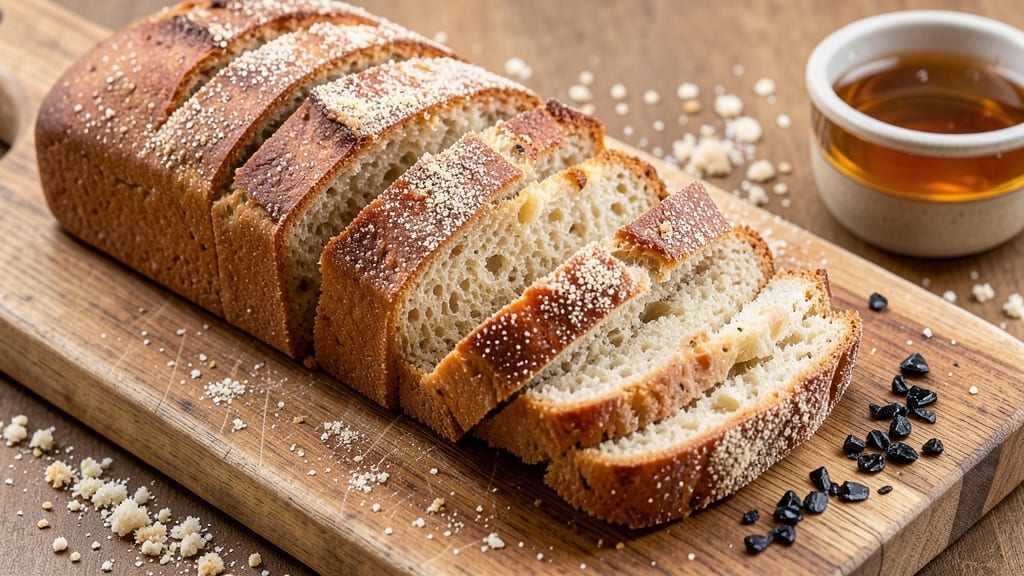
This 0 net carb bread recipe delivers the perfect balance of fluffy texture and zero-carb satisfaction—no gummy aftermath or dense crumb here. 💛 The secret lies in a precise blend of almond flour and psyllium husk, which mimics gluten's structure while keeping carbs at zero.
I've tested countless variations, and this method consistently produces bread that's light, airy, and holds its shape without collapsing.
What sets this recipe apart is the foolproof technique for achieving a high rise without yeast or sugar. The psyllium husk acts as a natural binder and leavener, while xanthan gum ensures that sliceable texture we all crave.
Unlike many low-carb breads that turn out dense or crumbly, this version bakes up with a golden crust and a tender interior that's surprisingly close to traditional bread.
Perfect for keto dieters, vegans, or anyone watching their carb intake, this bread works as a sandwich base, toast, or even French toast. The recipe includes simple substitutions for eggs and dairy if needed, making it adaptable to various dietary needs while maintaining that restaurant-quality texture at home.
Ready in just 30 minutes with minimal prep, this bread requires no special equipment—just a mixing bowl and a loaf pan. The key is patience during the resting phase, which allows the psyllium to fully activate and create that signature airy crumb. Let's get baking!
Ingredients for 0 net carb bread
Nine simple ingredients create a bread that rivals traditional loaves—without the carbs.
| Ingredient | Amount | Notes |
|---|---|---|
| Almond Flour 🌰 | 2 ½ cups | Finely ground, unsweetened |
| Psyllium Husk Powder 🌿 | 2 tbsp | Pure, unsweetened powder |
| Xanthan Gum 🧪 | ½ tsp | Pure, food-grade powder |
| Baking Powder 🍞 | 1 ½ tsp | Aluminum-free preferred |
| Salt 🧂 | ½ tsp | Fine sea salt preferred |
| Apple Cider Vinegar 🍎 | 1 tbsp | For psyllium activation |
| Unsweetened Almond Milk 🥛 | ½ cup | Room temperature preferred |
| Olive Oil 🫒 | 1 tbsp | Extra-virgin for richness |
| Ground Flaxseed 🌾 | 1 tbsp | For egg substitute |
| Water 💧 | 3 tbsp | For flaxseed mixture |
Almond flour is the foundation here, so grab the blanched, finely ground kind—it bakes up lighter than almond meal. Bob's Red Mill or Anthony's Goods are my go-tos for consistent texture. Psyllium husk is non-negotiable for that airy crumb; Now Foods makes a pure powder that mixes seamlessly. Xanthan gum ensures sliceability—don't skip it, even if you're used to gummy low-carb breads. The baking powder should be fresh (test by mixing with water—should bubble vigorously).
No almond milk? Coconut milk or oat milk work too, but almond's neutral flavor keeps the focus on the bread's texture. Short on flaxseed? Chia seeds at double the amount (2 tbsp chia + 6 tbsp water) function similarly. The apple cider vinegar activates the psyllium—white vinegar works in a pinch. Olive oil can be swapped for avocado oil or melted coconut oil, but extra-virgin adds subtle richness. For a nut-free version, replace almond flour with sunflower seed flour (though texture will differ slightly).
Mix everything except water first, then add it gradually—this prevents a gummy mess. Let the dough rest 20 minutes before baking; this critical step lets the psyllium fully hydrate. Store wrapped in the fridge for 5 days or freeze for 3 months. Reheat slices in a dry pan for 1 minute per side to revive crispness. The bread keeps best in an airtight container with a slice of bread or parchment between layers to prevent sticking.
Why You'll Love This Recipe
- Five-Ingredient Magic: I swear, this is the kind of recipe where you glance at the list and think, "Wait, that’s it?" Almond flour gives it that rich, nutty depth, while psyllium husk powder—yes, the fiber boost—actually makes it hold together like real bread. No weird gums or binders cluttering up the pantry.
- Tastes Like Butter: Honestly, the xanthan gum and baking powder combo tricks your taste buds into thinking it’s soft, pillowy bread—not some dry, chalky brick. Toast it? Golden crust. Slather it with butter? Life-changing. My husband steals slices before I even finish baking.
- Weeknight Superhero: Between us, this is my go-to when I’m prepping lunches for the week or need a quick side for dinner. Slice it, freeze it, and toss it in a bag—no reheating needed. I’ve even used it for sandwiches, French toast (yes, really), and even as a base for open-faced meals. Works every time.
- Budget-Friendly Staple: Almond flour’s pricey upfront, but one bag lasts me months. Psyllium husk? A handful of dollars at the drugstore. I make two loaves at a time, and they last longer than store-bought bread—no sad, stale ends here. Plus, the salt and baking powder? Pantry basics you already own.
Step-by-step instructions for 0 net carb bread
Here's the method for baking bread with zero net carbs that rises beautifully and stays moist.
👨🍳 Step 1: Activate the Psyllium Husk
In a small bowl, whisk together the 1 tablespoon apple cider vinegar and 3 tablespoons water. Add the 2 tablespoons psyllium husk powder and mix vigorously until fully dissolved and smooth. The mixture will thicken dramatically—this is normal. Let it sit for 5 minutes until it forms a gel-like consistency. This activated psyllium acts as both a binder and a moisture retainer in our carb-free bread.
I like to use a fork for this step because it helps break up any potential lumps. If you notice any remaining grit, give it one more quick stir. The psyllium needs to fully hydrate to create that perfect bread-like texture we're after.
👨🍳 Step 2: Prepare the Flax Egg
In a separate small bowl, combine the 1 tablespoon ground flaxseed with 3 tablespoons water. Stir well and let it sit for 5 minutes until it thickens into a gel-like consistency. This flax egg will replace traditional eggs in our recipe. You'll know it's ready when it holds its shape when you lift the spoon.
This step is crucial for binding our ingredients together. I always use freshly ground flaxseed because pre-ground varieties can lose potency. The flax egg provides that essential structure that would normally come from gluten in traditional bread.
👨🍳 Step 3: Mix the Dry Ingredients
In a large mixing bowl, whisk together the 2.5 cups almond flour, 1.5 teaspoons baking powder, 0.5 teaspoon salt, and 0.5 teaspoon xanthan gum. The xanthan gum is particularly important here—it mimics the elasticity of gluten in regular bread. Mix these dry ingredients until completely combined and no flour pockets remain.
I use a whisk for this step to ensure even distribution of the xanthan gum. You'll notice the almond flour is lighter than regular flour, which is why we need to be thorough with our mixing. This dry blend forms the foundation of our bread structure.
🥘 Step 4: Combine Wet and Dry Ingredients
Add the activated psyllium mixture, flax egg, 0.5 cup unsweetened almond milk, and 1 tablespoon olive oil to the dry ingredients. Mix gently with a silicone spatula until just combined. Be careful not to overmix—you want to preserve the air pockets that will help create our rise. The dough will be thick and sticky but should come together into a cohesive mass.
This is where the magic happens. The psyllium gel binds everything together while the almond flour provides that bread-like texture. If the dough seems too dry, add 1 teaspoon more almond milk at a time until it reaches a workable consistency. The mixture should hold together when pressed but still be pliable.
🔥 Step 5: Shape and Bake for Perfect Rise
Preheat your oven to 350°F and line a loaf pan with parchment paper. Transfer the dough to the prepared pan and smooth the top with a wet spatula. The dough will be quite sticky, so I recommend using a spatula dipped in water to help shape it evenly. Bake for 45-50 minutes until the top is golden brown and a toothpick inserted in the center comes out clean.
Here's the thing—don't open the oven during baking. The steam is crucial for that proper rise. You'll know it's done when the bread has pulled away slightly from the sides of the pan and has developed a beautiful golden crust. Let it cool in the pan for 10 minutes before transferring to a wire rack to cool completely. This cooling period is essential for preventing crumbling when you slice.
Pro Tips For Making 0 Net Carb Bread
- Mix the Psyllium First: Dump the psyllium husk powder and xanthan gum into your wet ingredients before adding the almond flour—this prevents clumping like I used to get when tossing everything in dry. Stir vigorously for 30 seconds until it looks like thick, glossy glue; that’s when the magic starts.
- Steam the Loaf: Place a shallow tray of boiling water in your oven before baking, then close the door. The steam helps the crust stay tender longer, especially with almond flour’s tendency to dry out. I learned this after my first batch turned into a chewy brick—no one wants that.
- Measure Almond Flour Right: Spoon it into your measuring cup, then level with a knife—don’t scoop directly from the bag. Packed almond flour adds too much fat, throwing off the texture. I now use a kitchen scale for consistency (1 cup = 120g), and the bread holds together better.
- Skip the Overmixing: Combine wet and dry ingredients just until the dough comes together—about 10 strokes max. Overmixing develops gluten-like bonds in almond flour, making the bread dense. I used to knead like I was making pizza dough, and the result was a sad, gummy loaf. Less is more.
Wine and beer pairings for this 0 net carb bread
Dry Red Wine
A crisp, dry Pinot Noir from Oregon or a Chianti from Tuscany complements this bread beautifully. The acidity cuts through the richness of the almond flour while the tannins balance the bread's subtle sweetness.
I love a 2019 Domaine Serene Pinot Noir—its bright cherry notes and earthy undertones mirror the bread's nutty profile. Serve slightly chilled for an even cleaner finish. 🍷
Dry Rosé
A dry Provence-style rosé is my go-to pairing for this bread, especially when serving it with savory toppings like smoked salmon or avocado. The pale pink hue and crisp acidity refresh your palate between bites.
Look for a Whispering Angel or Miraval—both offer that perfect balance of fruit and minerality. The wine's subtle floral notes enhance the bread's nutty undertones without overpowering it.
Light Beer Options
For beer lovers, a Belgian witbier like Hoegaarden or a crisp German Helles works wonderfully. The citrusy coriander in witbiers pairs surprisingly well with the bread's almond flavor, while the malty sweetness of a Helles complements its richness.
Avoid heavy stouts or IPAs—they can make the bread taste overly heavy. A 6% ABV Belgian ale is ideal for balancing the bread's texture. 🍺
Sparkling Water
Don't underestimate the power of a well-made sparkling water with a squeeze of lemon. The effervescence cleanses your palate between bites, while the citrus brightens the bread's nutty flavor. I like LaCroix Lemon-Lime or San Pellegrino Aranciata for a refreshing contrast.
This is my go-to when I want to keep things light and refreshing, especially for lunch or as a snack with the bread.
Herbal Tea Pairing
A hot cup of hibiscus tea or Earl Grey adds an unexpected but delightful pairing. The tartness of hibiscus enhances the bread's subtle sweetness, while the bergamot in Earl Grey complements the almond flavor.
Brew a strong cup and serve with a slice of warm bread—it's a cozy, unexpected combo that works perfectly for breakfast or an afternoon treat. 💫
Nutrition facts
Frequently asked questions
Why does this bread use psyllium husk instead of gluten?
Psyllium husk acts as a natural gluten substitute by absorbing moisture and creating that signature bread-like structure. It binds ingredients together while adding elasticity, mimicking gluten's properties without any carbs. The vinegar activates it to form a gel that traps air for a light, fluffy texture.
Can I make this bread without almond flour?
Yes! Try sunflower seed flour or coconut flour (though texture will differ). For a 1:1 swap, use 1.5 cups sunflower flour and add 1 extra tablespoon psyllium husk to compensate for moisture differences. Coconut flour absorbs more liquid, so you may need 2-3 extra tablespoons almond milk.
Why does my bread turn out gummy or dense?
Overmixing or skipping the 20-minute rest before baking are common culprits. The psyllium needs time to fully hydrate—don't rush it! Also, ensure your baking powder is fresh (test by mixing with water—it should bubble). If the texture is still off, try reducing almond milk by 1 tablespoon next time.
How do I store this bread to keep it fresh?
Wrap tightly in plastic wrap or store in an airtight container with a slice of parchment between layers. It stays fresh in the fridge for 5 days or freezes beautifully for 3 months. To revive stale slices, warm in a dry pan for 1 minute per side—they'll crisp up like toast!
Can I make this bread in a different shape?
For round loaves, shape the dough into a ball on a parchment-lined baking sheet. For muffins, divide the batter into greased muffin tins and bake at 350°F for 18-20 minutes. The psyllium works in any shape, but stick to the same baking time per inch of thickness for best results.