
Side Dishes
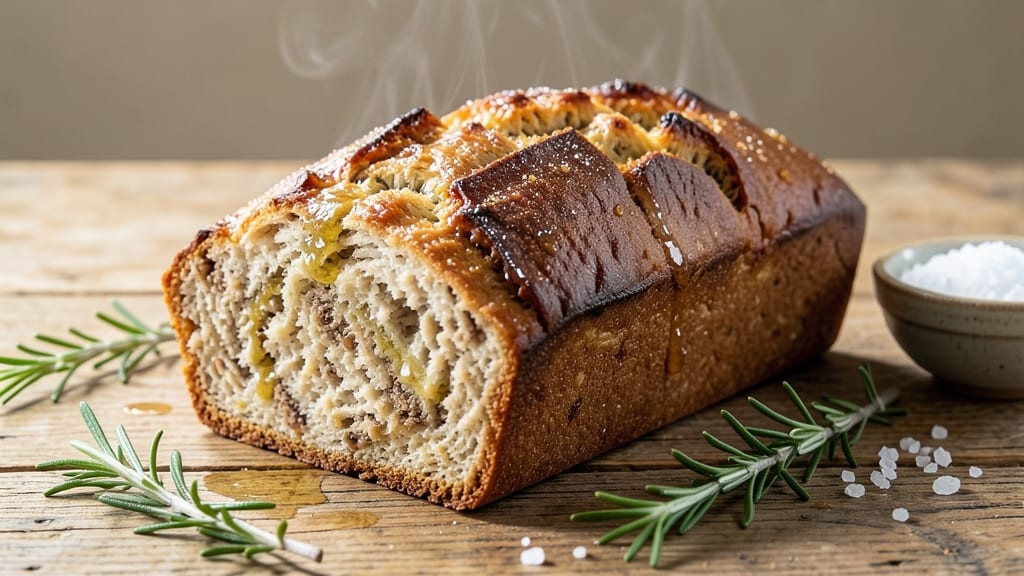
This 50/50 bread machine recipe delivers restaurant-quality loaves with minimal effort—no kneading, no stress, just golden crust and nutty swirls. The magic lies in the classic 50/50 flour blend (half white, half whole wheat) that creates a tender crumb with subtle earthy depth.
My bread machine handles all the hard work while you focus on the finishing touches, like scoring that perfect crust.
The secret to this approach is using your bread machine's Basic mode with a 1-pound dough weight—ideal for beginners yet impressive enough for guests. The dough develops naturally during the machine's cycle, while the Dutch oven baking step (added after machine completion) creates that coveted artisan-style crust.
No special equipment beyond what you likely already own.
What you'll end up with is a loaf that's crisp on the outside, soft and airy inside, with those beautiful nutty swirls visible in every slice.
The whole wheat adds fiber and subtle nuttiness without overpowering the familiar bread flavor. Best of all, this method works with any bread machine—no fancy models required.
Perfect for sandwiches, toast, or serving alongside soups—this bread keeps well for days and reheats beautifully. The recipe scales easily for larger batches too. Let's get started on your foolproof loaf.
Ingredients for 50/50 bread machine
The perfect 50/50 blend of flours and fats creates that signature nutty swirl and golden crust.
| Ingredient | Amount | Notes |
|---|---|---|
| All-Purpose Flour 🌾 | 2 cups | White flour for light texture |
| Whole Wheat Flour 🌾 | 2 cups | Unbleached for nutty flavor |
| Active Dry Yeast 🍞 | ¼ oz | Or 2.5 tsp (1 packet) |
| Granulated Sugar 🍚 | ¼ cup | Feeds yeast and browns crust |
| Unsalted Butter 🧈 | ¼ cup | Cold, cubed for swirls |
| Large Eggs 🥚 | 2 whole | Room temperature for mixing |
| Warm Water 💧 | 1 ¼ cups | 110°F ideal for yeast |
| Salt 🧂 | 1 ½ tsp | Diamond Crystal preferred |
| Olive Oil 🫒 | 1 tbsp | For dough coating |
| Cornmeal 🌽 | ½ cup | For Dutch oven dusting |
The flour ratio is non-negotiable—half all-purpose, half whole wheat gives that signature texture. King Arthur or Bob's Red Mill flours work best for consistent results. For the butter, grab Plugrá or Land O'Lakes unsalted—they hold their shape beautifully when chilled. The yeast needs to be fresh; if it smells old or looks past its expiration, toss it. For warm water, fill a measuring cup with hot tap water, let it sit 5 minutes until lukewarm to the touch—110°F is perfect. Don't eyeball the salt; Diamond Crystal is less dense than table salt, so use the full 1.5 tsp.
No whole wheat flour? Substitute with vital wheat gluten at half the amount for better structure. Butter too expensive? Coconut oil or vegan butter works, though the flavor will differ slightly. Short on eggs? Flax eggs (1 tbsp ground flax + 3 tbsp water per egg) keep the dough cohesive. The olive oil can be swapped for avocado oil if you prefer. For the Dutch oven, if you don't have one, a heavy oven-safe pot with a lid works—just don't use aluminum. Cornmeal substitutes? Semolina or rice flour both work for dusting.
Store the dough in the fridge for up to 24 hours before baking—this enhances flavor development. Once baked, let the loaf cool completely on a wire rack for at least 2 hours to prevent gummy texture. Wrap cooled loaves in beeswax wrap or foil and keep at room temperature for 3-4 days. For longer storage, slice and freeze portions—3 months max. To reheat, wrap slices in foil and warm in a 350°F oven for 5 minutes. The crust stays crispy when reheated this way.
Why You'll Love This Recipe
- No-Bake Magic: Honestly, the flavor punches way above its prep time. That touch of sugar caramelizes just enough to give it a subtle sweetness, while the butter keeps it tender. It’s the kind of bread that disappears faster than I can slice it.
- Weeknight Hero: Between us, this is my go-to for sandwiches, toast, or even a quick French toast breakfast. The whole wheat gives it enough substance to feel hearty, but the all-purpose keeps it light—perfect for when I’m too tired to think.
- Budget-Friendly Staple: A single batch stretches for days—sandwiches, garlic bread, even croutons. Using half whole wheat cuts costs without sacrificing taste, and the yeast does all the heavy lifting. My wallet (and my time) thank me every time.
Step-by-step instructions for 50/50 bread machine recipe
Transform your bread machine into a golden-crusted, nutty-swirled masterpiece with this foolproof 50/50 dough method.
Mix the Dough in Your Bread Machine
In your bread machine pan, combine the 2 cups all-purpose flour, 2 cups whole wheat flour, 0.25 oz active dry yeast, 0.25 cup granulated sugar, 1.5 tsp salt, and the 2 whole large eggs. Add the 1.25 cups warm water (about 110°F) and 1 tbsp olive oil. Secure the lid and select the "Dough" setting for your specific machine—most take about 3 minutes to mix.
Here's the thing—you want the dough to form a shaggy, slightly sticky ball that pulls away from the sides of the pan. If it's too dry, add 1 teaspoon warm water; if too sticky, sprinkle in 1 tablespoon flour. The dough should be soft but manageable, not wet enough to stick to your fingers. Once mixed, let it rest in the machine for 5 minutes to relax before handling.
Shape and Add Butter Swirls
Remove the dough from the machine and turn it onto a lightly floured surface. Gently knead it 5-6 times to smooth out any rough edges—just enough to shape it without developing gluten. Roll the dough into a 12-inch rectangle about ½-inch thick. This is where the magic happens: cut the 0.25 cup unsalted butter into 8 equal pieces and arrange them in a line down the center of the dough, spaced about 1 inch apart. Fold the sides inward, then roll tightly into a log.
Seal the seams by pinching the edges together. The butter should be completely encased, but don't overwork the dough—this is a no-knead method, and we want those tender swirls. Place the shaped dough on a parchment-lined plate, seam-side down, and cover loosely with a damp towel. Let it rise at room temperature for 1 hour or until it nearly doubles in size. You'll know it's ready when the dough springs back slowly when gently pressed.
Prepare the Dutch Oven for Baking
Preheat your oven to 425°F with the Dutch oven inside for 30 minutes. While it heats, sprinkle 0.5 cup cornmeal evenly into the bottom of the Dutch oven—this prevents sticking and adds a subtle crunch. Carefully transfer the risen dough (still on its parchment) into the hot Dutch oven, seam-side up. The dough should fit snugly, with just ½ inch of space around the edges.
Here's where it gets exciting: sprinkle the top of the dough with a pinch of salt and a light dusting of flour for texture. Bake uncovered for 20 minutes, then carefully flip the loaf (use oven mitts—it's hot!) and bake for another 20-25 minutes until the crust is deep golden brown and sounds hollow when tapped on the bottom. The internal temperature should reach 190-195°F—this ensures a perfectly baked crumb.
Cool and Slice for Maximum Freshness
Remove the bread from the Dutch oven and transfer it to a wire rack. Let it cool completely for at least 1 hour before slicing—this prevents a gummy crumb. The butter swirls should be visible through the crust, and the loaf should have a crisp exterior with a soft, airy interior. For the best flavor, slice the bread 1 hour after baking—this allows the crust to firm up while keeping the crumb tender.
Real talk: the first slice is worth the wait. The crust should crackle with each bite, the swirls of butter should melt into rich pockets, and the nutty whole wheat flavor should shine through. Store any leftovers in an airtight container at room temperature for 2 days or freeze for up to 3 months—just thaw at room temperature before serving.
Pro Tips For Making 50/50 Bread Machine
- Measure Flours by Weight: Whole wheat flour packs differently than all-purpose—use a kitchen scale for the 50/50 mix. I learned this the hard way when my bread turned dense; the extra volume from scooping threw off the ratio. Two cups of whole wheat isn’t the same as two cups of AP.
- Soften Butter First: Cold butter creates pockets in dough that won’t distribute evenly. Microwave the unsalted butter for 10–15 seconds until just pliable, then work it into the wet ingredients. This ensures a smoother crumb—no more greasy surprises in your bread machine’s kneading cycle.
- Skip the Pre-Measure Yeast: Sprinkle active dry yeast directly into the bread machine’s wet ingredients—no need to pre-dissolve. The machine’s heat will activate it just fine, and you’ll avoid the risk of over-mixing or creating a sticky mess before the cycle starts. (Yes, even if your recipe card says otherwise.)
- Proof Dough at Room Temp: Whole wheat dough rises slower, so don’t let it sit in a cold machine. After the first kneading cycle, transfer the dough to a lightly greased bowl and let it rest at 75°F (or near a warm spot) for 30–45 minutes before the final rise. Patience here = better oven spring—no more pancake-flat loaves.
Regional styles of 50/50 bread machine
Southern U.S. Style
In the South, this 50/50 loaf gets a hearty twist by adding 1 tbsp honey to the dough mixture and a sprinkle of coarse sea salt on top before baking. The honey caramelizes beautifully in the Dutch oven, creating a sticky, slightly sweet crust that pairs perfectly with butter.
I often see this version served at Southern breakfast tables alongside scrambled eggs and sausage—it's a crowd-pleaser at family gatherings. 🌞
Italian-Inspired Variation
For an Italian touch, swap the butter swirls for 2 tbsp olive oil mixed with 1 tsp dried rosemary and ½ tsp garlic powder. Roll this mixture into the dough instead of butter, then finish with a sprinkle of coarse kosher salt and flaky sea salt before baking.
The result? A loaf with Mediterranean flair that's perfect for dipping in olive oil or pairing with tomato-based dishes. The rosemary adds an aromatic depth that complements the nutty whole wheat. 🌿
German Rye Twist
Northern European bakeries often blend rye flour into their 50/50 loaves for a denser, heartier texture. Replace 1 cup of the whole wheat flour with 1 cup dark rye flour and add 1 tsp caraway seeds to the dough.
The rye gives the bread a deeper color and earthier flavor, while the caraway adds a subtle anise-like note. This version is fantastic with sharp cheeses like aged Gouda or smoked sausage. 🌾
French Baguette Hybrid
For a French-inspired take, shape the dough into a long baguette form before baking. Roll the butter swirls into thin strips and layer them along the top of the dough before baking.
Brush the crust with 1 tbsp melted butter mixed with 1 tsp garlic powder after the first 15 minutes of baking. This creates a crispy, golden crust with those signature butter swirls peeking through. Perfect for serving with soups or as a side for charcuterie boards. 🥖
Mexican Cornbread Fusion
Give your 50/50 loaf a Southwest flair by adding ½ cup cornmeal to the dry ingredients and mixing in 1 tsp ground cumin and ½ tsp smoked paprika with the warm water. After shaping, sprinkle the top with 1 tbsp chopped cilantro and a pinch of chili powder before baking.
The result is a loaf with a subtle corn and spice profile that pairs wonderfully with Mexican meals or as a side for tacos. 🌶️
Nordic Seed Loaf
Scandinavian bakers often enhance their bread with seeds for extra texture and nutrition. After shaping the dough, press 2 tbsp sunflower seeds, 2 tbsp pumpkin seeds, and 1 tbsp sesame seeds onto the top before baking. The seeds add a delightful crunch and visual appeal.
This version is especially popular in Sweden and pairs beautifully with smoked fish or creamy cheese spreads. The seeds also add a nice contrast to the soft interior. 🌰
Nutrition facts
Frequently asked questions
Why does this recipe use equal parts white and whole wheat flour?
The 50/50 ratio balances texture and flavor perfectly. Whole wheat adds fiber and nutty depth while white flour keeps the crumb tender and light. This blend prevents the bread from becoming too dense—ideal for beginners who want hearty flavor without the heaviness of 100% whole wheat.
Can I make this recipe without a Dutch oven?
Yes! Use a heavy oven-safe pot with a lid instead. For best results, preheat it in the oven for 30 minutes at 425°F just like the Dutch oven. The bread will be slightly less crispy but still delicious. Avoid aluminum pots—they conduct heat unevenly and can warp.
What if my bread machine doesn't have a "Dough" setting?
Use the "Basic" or "White Bread" setting instead. Most machines will still mix the dough properly—just monitor it after 3 minutes to ensure it's coming together. If the dough looks too dry, add 1 teaspoon warm water; if too sticky, sprinkle in 1 tablespoon flour.
How do I know when the butter swirls are ready?
The butter swirls should be completely encased but still visible through the crust when baked. If they melt too much during shaping, chill the dough for 15 minutes before rolling. For extra drama, arrange the butter pieces in a zigzag pattern instead of a straight line before folding.
Why did my bread turn out dense instead of airy?
Overworking the dough or skipping the rise time are common culprits.