
Side Dishes
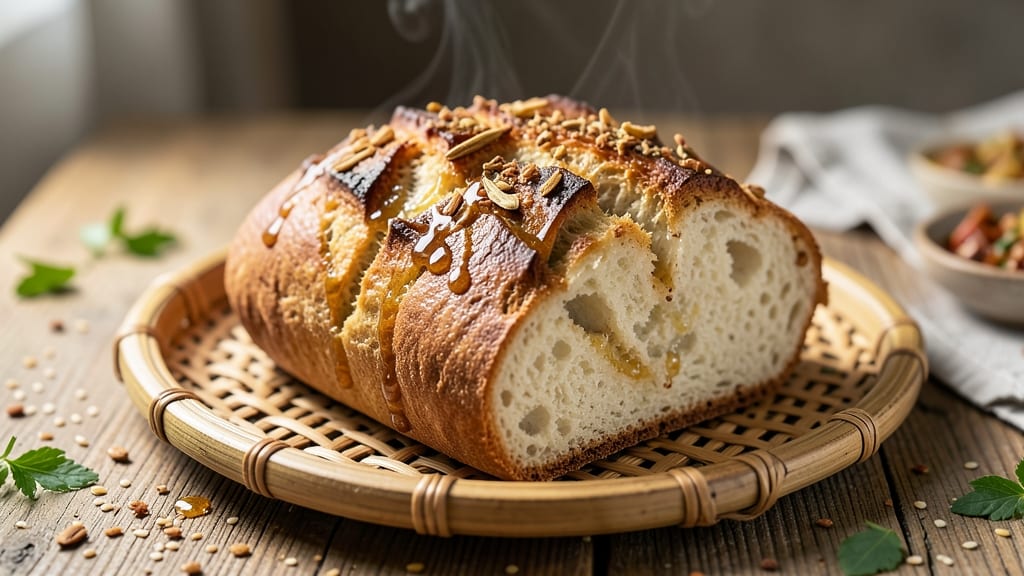
This African yeast bread recipe brings the rich traditions of North and East Africa to your kitchen table, where fragrant cardamom and ginger infuse every bite with warmth and depth. 🌟 Unlike traditional flatbreads, this version combines the rustic charm of Ethiopian injera with the crusty texture of Moroccan khobz, creating a versatile loaf perfect for soaking up stews or serving alongside grilled meats.
The secret lies in a slow fermentation process that develops complex flavors while keeping the dough tender yet sturdy.
The dough starts with a simple blend of flour, yeast, and warm water, but it’s the aromatic spices—cardamom, ginger, and a touch of cinnamon—that transform it into something extraordinary.
I’ve perfected this recipe over years of baking, ensuring the crust achieves that satisfying crackle while the interior remains soft and airy. No special equipment is needed, just patience and attention to the fermentation stage, which is where the magic happens.
What you’ll end up with is a crusty, spiced loaf with a golden-brown exterior and a slightly chewy interior, infused with the earthy warmth of cardamom and the zesty kick of ginger.
It’s the kind of bread that elevates any meal—whether paired with spiced lamb tagine, hearty vegetable stews, or simply slathered with olive oil and honey. The aroma alone will transport you to bustling African markets, where bread is more than just food; it’s a centerpiece of culture and community.
This recipe is designed to be both authentic and adaptable, so feel free to adjust the spice levels or add a pinch of salt to taste. The dough can be shaped into a round loaf, braided for visual appeal, or even flattened for a injera-like texture.
Once baked, it stays fresh for days when stored properly, making it ideal for meal prep or gifting. Let’s get started on creating a bread that’s as much a celebration of heritage as it is a delicious addition to your table.
Ingredients for african yeast bread
Pantry staples meet aromatic spices for this fragrant African yeast bread—simple but unforgettable.
| Ingredient | Amount | Notes |
|---|---|---|
| All-Purpose Flour 🌾 | 5 cups | Unbleached preferred for lighter texture |
| Active Dry Yeast 🍞 | 2 ¼ tsp | Ensure yeast is fresh (test in warm water) |
| Granulated Sugar 🍚 | 1 tbsp | Feeds yeast for fermentation |
| Warm Water 💧 | 1 ½ cups | 105-110°F for optimal yeast activation |
| Ground Cardamom 🌿 | 1 ½ tsp | Freshly ground for maximum aroma |
| Ground Ginger 🌶️ | 1 tsp | Freshly ground preferred |
| Ground Cinnamon 🍃 | ½ tsp | Adds subtle warmth |
| Salt 🧂 | 1 ½ tsp | Kosher or sea salt preferred |
| Olive Oil 🫒 | 2 tbsp | Extra-virgin for richness |
| Honey 🍯 | 1 tbsp | Adds slight sweetness and moisture |
| Milk 🥛 | ¼ cup | Warmed for tender dough |
The spices here are non-negotiable. Cardamom should be whole pods, lightly crushed—Penzeys Spices sells them pre-ground, but toasting the pods first intensifies the flavor. For ginger, freshly grated is ideal, but ground works in a pinch (just add a pinch more). The flour matters too—King Arthur or Bob's Red Mill are my go-tos for consistent results. If your kitchen's humid, reduce the water by 1 tbsp to avoid a gummy dough. The yeast? Always check the expiration date—old yeast won't activate properly, and you'll end up with flat, sad bread.
No cardamom? Allspice at half the amount gives a similar warmth, though it won't be identical. Swapping honey for maple syrup keeps it vegan, but the flavor will be slightly earthier. Running short on olive oil? Melted coconut oil works, but it has a stronger taste. The milk can be any kind—dairy, almond, or oat—but warmed is key (just heat it until steaming, then let cool to room temp). For a deeper spice profile, add a pinch of cloves or nutmeg. And if you're feeling adventurous, a teaspoon of anise seeds (toasted and ground) adds a Middle Eastern touch that pairs beautifully with the ginger.
This dough is a patience play—let it rise until it's nearly doubled, then punch it down and let it rise again. First rise: 1.5-2 hours, second rise: 1-1.5 hours (both at room temp). Shape it when it's puffy but still springy to the touch. For storage, wrap the cooled loaf in a clean kitchen towel, then place in a paper bag—keeps it soft for 3-4 days. Freeze slices for up to 3 months. Pro tip: Brush the baked loaf with melted butter and sprinkle with flaky salt while warm—game-changer. And if you're making a big batch, shape half into a round loaf and half into a braid for visual appeal!
Why You'll Love This Recipe
- Five-Ingredient Magic: I swear, this bread is the kind of recipe that makes me feel like a baking genius—even though I’m not. Just flour, yeast, sugar, water, and a pinch of cardamom. That’s it. No fancy substitutions, no last-minute store runs. The yeast does all the heavy lifting while I sip my tea.
- Warm Spice Hug: Here’s what sold me—the cardamom. It’s not overpowering, just a cozy whisper of warmth that turns plain bread into something special. The sugar caramelizes just enough to give it a subtle sweetness, like a hug from a spiced morning. (Yes, even on a Tuesday night.)
- Breakfast to Dinner: This bread is my go-to for everything. Toast it for breakfast with jam, tear it into stews for dinner, or pack slices for lunch. It’s the kind of loaf that doesn’t just sit there—it gets used up. My kids even fight over the crust, and that’s saying something.
- Budget-Friendly Staple: Honestly, making this bread costs me pennies compared to buying store-bought. A few cents’ worth of yeast and a bag of flour stretch for weeks. Plus, leftovers? They last forever if you freeze them. I’ve pulled a slice straight from the freezer and toasted it like nothing happened. Reliable.
Step-by-step instructions for spiced cardamom and ginger African yeast bread
Let's bring this aromatic bread to life with a few simple but crucial steps.
👨🍳 Step 1: Activate the Yeast for Maximum Rise
In a small bowl, combine the 1.5 cups warm water (it should feel like bathwater, around 105-110°F), 1 tbsp granulated sugar, and 2.25 tsp active dry yeast. Stir gently and let it sit for 5-10 minutes until it becomes frothy and bubbly. This tells you your yeast is alive and ready to work its magic.
I always test my yeast first by dropping a pinch into a little warm water with sugar—if it bubbles within 5 minutes, we're good to go. If not, your yeast might be dead, and we'll need to start over. The warm water activates the yeast, while the sugar provides food for it to multiply and create those essential bubbles that make our bread rise beautifully.
👨🍳 Step 2: Mix the Wet Ingredients and Spices
In a large mixing bowl, combine the yeast mixture, 2 tbsp olive oil, 1 tbsp honey, and 0.25 cup milk. Stir until the honey is fully dissolved and the mixture is smooth. This creates a rich, slightly sweet base that will infuse our dough with incredible flavor.
In a separate small bowl, whisk together the 1.5 tsp ground cardamom, 1 tsp ground ginger, and 0.5 tsp ground cinnamon. These warm spices are what give this bread its distinctive African character. I like to toast my spices lightly in a dry pan for about 30 seconds before grinding to intensify their aroma—if you have time, do this step for even more depth of flavor.
👨🍳 Step 3: Combine and Knead the Dough
Gradually add the 5 cups all-purpose flour and 1.5 tsp salt to the wet ingredients while mixing with a wooden spoon. Once combined, turn the dough out onto a lightly floured surface and knead for about 8-10 minutes until smooth and elastic. You'll know it's ready when it springs back when poked and doesn't stick to your fingers.
I press down gently on the dough during the first minute—this prevents it from curling and ensures even contact with the surface. The kneading develops gluten, which gives our bread that perfect crusty exterior and chewy interior. If the dough feels too sticky, add flour 1 tablespoon at a time until it comes together nicely. The goal is a smooth, slightly tacky dough that holds its shape when pressed.
⏰ Step 4: First Rise for Perfect Flavor Development
Lightly oil a large bowl, place the dough inside, and cover with a clean kitchen towel or plastic wrap. Let it rise in a warm place for 1-2 hours or until it has nearly doubled in size. You'll see bubbles forming on the surface and the dough will feel light and airy when you press it gently with one finger.
I always place my dough bowl on top of my oven with the light on (creates a warm, moist environment) or near a sunny window. The warm temperature helps the yeast work faster, but don't rush this step—proper rising time is crucial for that beautiful open crumb structure. If your kitchen is cold, extend the rising time to 2-3 hours. The dough should puff up noticeably and feel springy to the touch.
🥘 Step 5: Shape, Proof, and Bake to Golden Perfection
Punch down the risen dough to release any large air bubbles, then divide it into 6 equal pieces. Roll each piece into a smooth ball, cover with a towel, and let rest for 10 minutes. This resting period helps the gluten relax so the bread shapes nicely. Shape each ball into an oval loaf about 8 inches long and place on a parchment-lined baking sheet.
Cover the shaped loaves loosely with a towel and let them proof for another 30-45 minutes until they've puffed up noticeably. Preheat your oven to 375°F while the bread proofs. When ready to bake, brush the tops with a little water for a shiny crust, then bake for 25-30 minutes until the loaves are deep golden brown and sound hollow when tapped on the bottom.
Let the bread cool on a wire rack for at least 15 minutes before slicing—this prevents a gummy interior. The aroma as it bakes will make your kitchen smell like a spice market, and each slice should have a crisp crust with a tender, spiced crumb. Serve warm with butter or jam for the ultimate experience!
Pro Tips For Making African Yeast Bread
- TEST THE YEAST FIRST: I learned this the hard way—mixing yeast into warm water (105–110°F) and waiting 5–10 minutes for frothy bubbles is non-negotiable. If it’s sluggish or dead, your bread will turn out dense, no matter how much you knead. Toss in a pinch of sugar first to speed up the reaction if your water’s on the cooler side.
- WEIGH THE FLOUR: That kitchen scale isn’t just for show. African yeast bread relies on precise flour measurements—1 cup of all-purpose flour isn’t always 120g, especially if you scoop it straight from the bag. Pack it lightly but firmly, and weigh it for consistent rise and texture every time.
- DON’T OVER-KNEAD THE DOUGH: This isn’t pizza dough—you’re not trying to build a brick. After the initial knead (about 8–10 minutes by hand or 5–6 on a stand mixer with a dough hook), the dough should be smooth but still slightly tacky. Overworking it develops too much gluten, making the bread tough. Stop when it springs back slowly when poked.
- LET THE CARDMAMOM INFUSE: Sprinkling ground cardamom directly into the dough is fine, but if you want that aromatic punch to shine, mix it with the warm water first. Let it steep for 5 minutes before adding the yeast—this extracts more flavor and ensures every bite carries that warm, spiced depth. (Yes, even if you’re impatient like me.)
Best sauces and condiments for african yeast bread
Spiced Olive Oil
Start with extra-virgin olive oil infused with the same aromatic spices used in the bread—cardamom, ginger, and cinnamon.
Heat ½ cup olive oil in a small saucepan over low heat for 5 minutes with 1 tsp ground cardamom, 1 tsp ground ginger, and ½ tsp cinnamon. Strain through a fine-mesh sieve and let cool.
Drizzle over warm slices of bread for an instant flavor boost that complements the spiced dough perfectly. 🌿
Honey-Lemon Butter
Mix ½ cup softened butter with 2 tbsp honey and 1 tbsp fresh lemon juice for a sweet-tart topping that cuts through the bread’s warmth. Add a pinch of salt to balance the sweetness.
Spread on toasted slices or use as a dip for the bread’s crusty edges. This pairing works beautifully with the ginger’s zing and the cardamom’s earthiness. 🍯
Spiced Yogurt Dip
Combine 1 cup plain yogurt with 1 tbsp ground cardamom, ½ tsp ground ginger, and 1 tsp honey. Thin with a splash of water if needed. Serve as a dip for bread slices or spread on warm bread for a creamy, cooling contrast.
The yogurt’s tang balances the bread’s rich spices, making it ideal for breakfast or snacking. 🥛
Harissa Spread
For a bold North African twist, blend ¼ cup harissa paste with 2 tbsp tahini and 1 tbsp olive oil. Thin with water to reach a spreadable consistency.
The smoky, spicy harissa pairs brilliantly with the bread’s cardamom and ginger, creating a complex flavor profile. Use as a topping or sandwich filling. 🌶️
Date and Nut Butter
Blend 1 cup pitted dates with ½ cup almond butter and 1 tsp vanilla extract until smooth. This sweet, nutty spread adds depth to the bread’s spice profile and provides a satisfying texture. Drizzle with melted dark chocolate for extra indulgence. Perfect for breakfast or dessert. 🌰
Nutrition facts
Frequently asked questions
Can I make this African yeast bread without cardamom?
While cardamom is traditional, you can substitute it with 1 tsp allspice or ½ tsp cloves for warmth. For a milder option, try ½ tsp ground nutmeg. The ginger and cinnamon will still provide that signature African spice profile, just with a slightly different character.
Why did my dough not rise properly?
This usually happens if your yeast was old, the water wasn't warm enough (105-110°F), or the environment was too cold. Always test your yeast first by mixing a pinch with warm water and sugar—it should bubble within 5 minutes. For better results, place your dough in a warm spot (like an oven with the light on) and give it 1.5-2 hours to rise. If it's still flat, try adding ½ tsp more sugar to feed the yeast.
How can I shape this bread like traditional African flatbread?
For an injera-style texture, flatten the dough into a ¼-inch thick circle on a parchment-lined tray. Poke holes with a fork and bake at 350°F for 12-15 minutes until puffed and golden. Let cool completely before using—it'll firm up into a spongy, slightly chewy texture perfect for scooping stews.
Can I make this bread ahead of time?
Yes! Shape the dough and refrigerate it overnight (up to 24 hours) for a slower rise. Let it come to room temperature before baking. For storage, wrap cooled bread in a clean kitchen towel inside a paper bag to keep it soft for 3-4 days. Freeze slices for up to 3 months—just thaw at room temperature before serving.
What's the best way to reheat stale African yeast bread?
Preheat your oven to 300°F and wrap the bread in foil. Heat for 10-15 minutes until warmed through. For extra crispiness, brush with olive oil and toast for 2-3 minutes at 375°F before serving. A quick fix is also toasting slices in a toaster or toaster oven until golden.